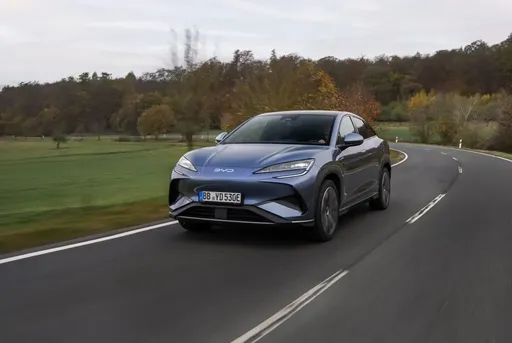
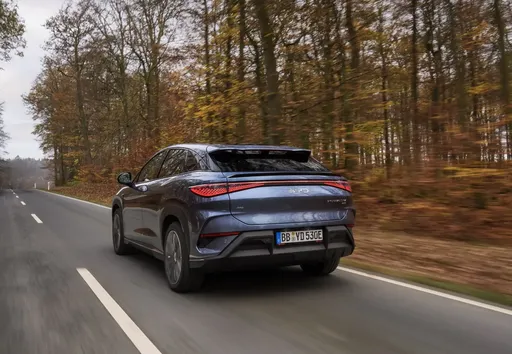
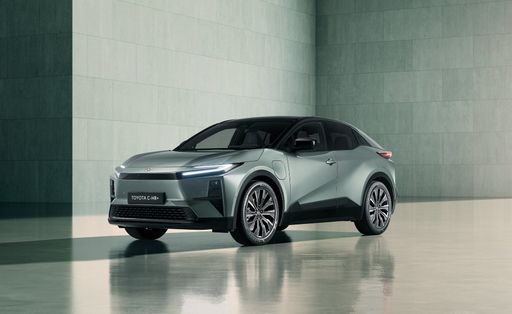
Compare performance (530 HP vs 343 HP), boot space and price (42,800 £ vs 36,000 £ ) at a glance. Find out which car is the better choice for you – BYD Sealion 7 or Toyota C-HR+?
All details on performance, efficiency, range and trunk space can be found in the technical comparison below – including user reviews for both models.
Price and efficiency are often the first things buyers look at. Here it becomes clear which model has the long-term edge – whether at the pump, the plug, or in purchase price.
Toyota C-HR+ is a bit cheaper – starting at 36,000 £ , while the BYD Sealion 7 costs 42,800 £ . That’s a price difference of around 6,857 £.
In terms of energy consumption, the Toyota C-HR+ is considerably more efficient: consuming 13.4 kWh/100km compared to 19.9 kWh/100km for the BYD Sealion 7. That’s a difference of about 6.5 kWh/100km.
As for electric range, the Toyota C-HR+ offers slightly more range – reaching up to 607 km, about 105 km more than the BYD Sealion 7.
Under the bonnet, it becomes clear which model is tuned for sportiness and which one takes the lead when you hit the accelerator.
When it comes to engine power, the BYD Sealion 7 offers noticeably more power – delivering 530 HP compared to 343 HP. That’s roughly 187 HP more horsepower.
When accelerating from 0 to 100 km/h, the BYD Sealion 7 is somewhat quicker – completing the sprint in 4.5 s, while the Toyota C-HR+ takes 5.2 s. That’s about 0.7 s quicker.
There’s also a difference in torque: the BYD Sealion 7 delivers considerably more torque with 690 Nm compared to 338 Nm. That’s about 352 Nm more.
Cabin size, boot volume and payload all play a role in everyday practicality. Here, comfort and flexibility make the difference.
Both vehicles offer seating for 5 people.
In terms of curb weight, Toyota C-HR+ is clearly lighter – 1,810 kg compared to 2,225 kg. The difference is around 415 kg.
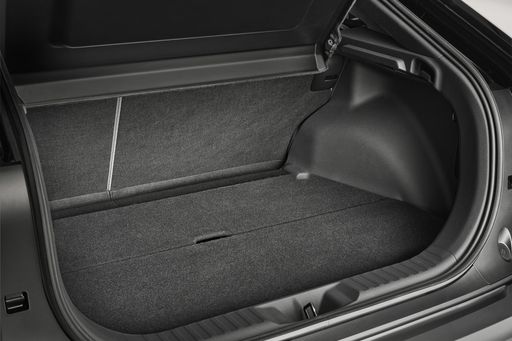
Looking at boot space, the BYD Sealion 7 offers moderately more boot space – 520 L compared to 416 L. That’s a difference of about 104 L.
When it comes to payload, the Toyota C-HR+ carries markedly more – 655 kg compared to 410 kg. That’s a difference of about 245 kg.
The BYD Sealion 7 holds a slight edge in the objective data comparison.
This result only shows which model scores more points on paper – not which of the two cars feels right for you.
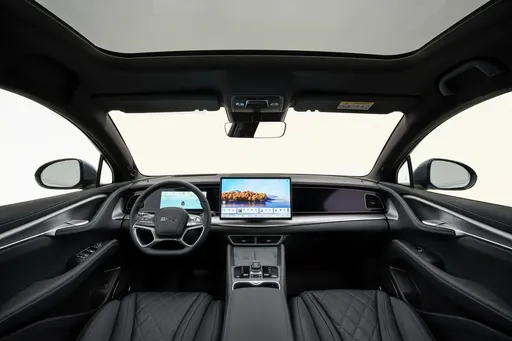
The Sealion 7 captivates with its striking design and impressive performance that appeals to both enthusiasts and casual drivers alike. With a focus on comfort and advanced technology, this model redefines the driving experience, making every journey enjoyable. Its sleek silhouette coupled with an innovative interior showcases the perfect blend of style and functionality.
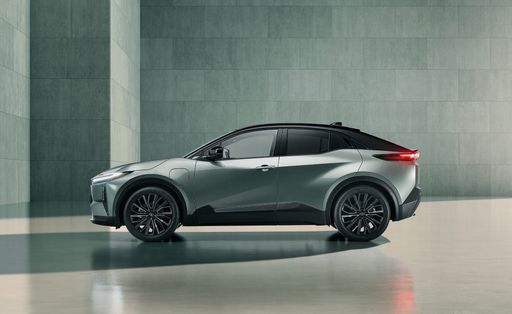
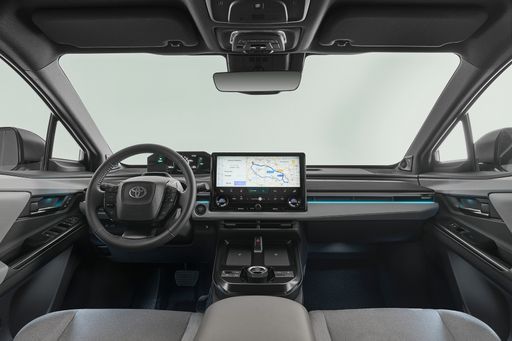
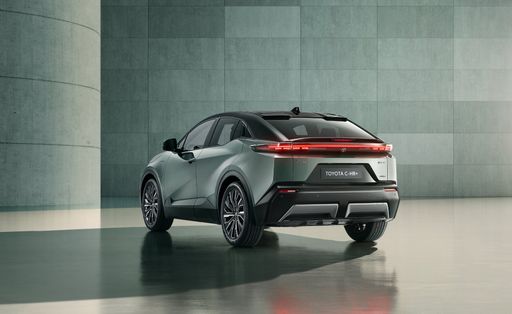
detailsThe Toyota C-HR+ mixes sharp, coupe-like styling with comfortable, surprisingly practical packaging, making a bold statement around town and on the weekend run. It’s aimed at drivers who value standout looks and fuss-free ownership over sports-car thrills, so if you want personality and reliability in one tidy package, book a test drive.
detailsCosts and Consumption |
|
|---|---|
|
Price
42,800 - 52,300 £
|
Price
36,000 - 46,300 £
|
|
Consumption L/100km
-
|
Consumption L/100km
-
|
|
Consumption kWh/100km
19.9 - 21.9 kWh/100km
|
Consumption kWh/100km
13.4 - 15.5 kWh/100km
|
|
Electric Range
456 - 502 km
|
Electric Range
458 - 607 km
|
|
Battery Capacity
-
|
Battery Capacity
-
|
|
co2
0 g/km
|
co2
0 g/km
|
|
Fuel tank capacity
-
|
Fuel tank capacity
-
|
Dimensions and Body |
|
|---|---|
|
Body Type
SUV
|
Body Type
SUV
|
|
Seats
5
|
Seats
5
|
|
Doors
-
|
Doors
-
|
|
Curb weight
2,225 - 2,435 kg
|
Curb weight
1,810 - 2,010 kg
|
|
Trunk capacity
520 L
|
Trunk capacity
416 L
|
|
Length
-
|
Length
-
|
|
Width
1,925 mm
|
Width
1,870 mm
|
|
Height
-
|
Height
-
|
|
Max trunk capacity
-
|
Max trunk capacity
-
|
|
Payload
410 kg
|
Payload
550 - 655 kg
|
Engine and Performance |
|
|---|---|
|
Engine Type
Electric
|
Engine Type
Electric
|
|
Transmission
Automatic
|
Transmission
Automatic
|
|
Transmission Detail
Reduction Gearbox
|
Transmission Detail
Reduction Gearbox
|
|
Drive Type
Rear-Wheel Drive, All-Wheel Drive
|
Drive Type
Front-Wheel Drive, All-Wheel Drive
|
|
Power HP
313 - 530 HP
|
Power HP
167 - 343 HP
|
|
Acceleration 0-100km/h
4.5 - 6.7 s
|
Acceleration 0-100km/h
5.2 - 8.4 s
|
|
Max Speed
-
|
Max Speed
-
|
|
Torque
380 - 690 Nm
|
Torque
268 - 338 Nm
|
|
Number of Cylinders
-
|
Number of Cylinders
-
|
|
Power kW
230 - 390 kW
|
Power kW
123 - 252 kW
|
|
Engine capacity
-
|
Engine capacity
-
|
General |
|
|---|---|
|
Model Year
2,024
|
Model Year
2,026
|
|
CO2 Efficiency Class
A
|
CO2 Efficiency Class
A
|
|
Brand
BYD
|
Brand
Toyota
|