VS

CUPRA Tavascan vs BMW iX1 comparison

Compare performance (340 HP vs 313 HP), boot space and price (45,700 £ vs 42,300 £ ) at a glance. Find out which car is the better choice for you – CUPRA Tavascan or BMW iX1?

CUPRA Tavascan vs BMW iX1: Key differences

CUPRA Tavascan

4.9 (1 Reviews)
rate
  • very slightly more power
  • only slightly more electric range
  • barely quicker 0–100 km/h
  • barely more trunk space

BMW iX1

4.7 (3 Reviews)
rate
  • only slightly cheaper
  • slightly more efficient
  • somewhat lighter

All details on performance, efficiency, range and trunk space can be found in the technical comparison below – including user reviews for both models.

Tavascan

BMW iX1 vs. CUPRA Tavascan: The Battle of Electric SUVs

As electric vehicles continue to dominate the automotive landscape, the competition among SUV models heats up. The BMW iX1 and CUPRA Tavascan stand out as formidable players in the electric SUV market, each bringing unique offerings. In this comparison, we delve into the technical specifications and innovative features of both models to help you choose the right electric SUV for your needs.
iX1

Design and Dimensions

Both the BMW iX1 and CUPRA Tavascan exude modern aesthetics that appeal to consumers looking for eco-friendly vehicles without compromising on style.

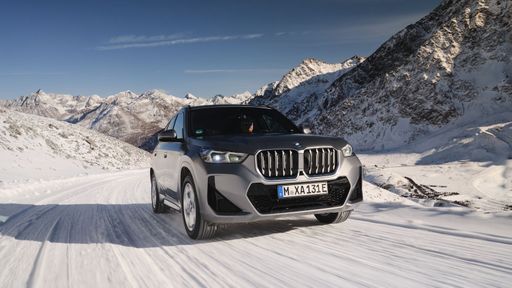
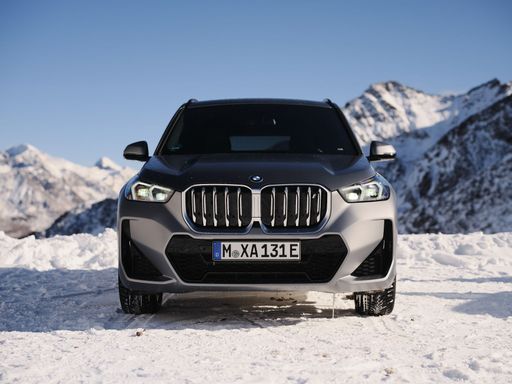
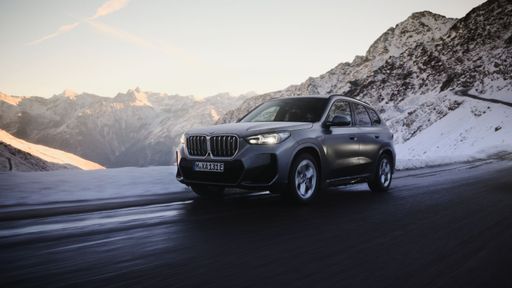
The BMW iX1 measures 4500 mm in length, 1845 mm in width, and 1616 mm in height, making it a compact yet spacious SUV. It features a trunk capacity of 490 liters, ideal for those who prioritize storage. On the other hand, the CUPRA Tavascan is slightly larger, stretching 4644 mm long, 1861 mm wide, and 1597 mm high. With a trunk space of 540 liters, it offers a bit more room for your gear.

Tavascan

Power and Performance

When it comes to performance, both vehicles present a range of configurations. The BMW iX1 packs two electric powertrains, producing either 204 HP or a robust 313 HP, depending on the variant. This translates to a 0-100 km/h acceleration time of 8.6 seconds for the base model and an impressive 5.6 seconds for the higher-powered version. Its drivetrain options include both front-wheel and all-wheel drive, catering to various driving preferences.

In comparison, the CUPRA Tavascan boasts a more powerful lineup with 286 HP or an exhilarating 340 HP. The acceleration figures are equally impressive, clocking in at 6.8 seconds for the standard model and just 5.5 seconds for the high-performance variant. Its rear-wheel and all-wheel drive options further enhance its dynamic capabilities, making it a compelling choice for enthusiasts.

iX1

Electric Range and Efficiency

Range anxiety remains a concern for many EV buyers, but both the BMW iX1 and CUPRA Tavascan offer competitive electric ranges. The iX1 can travel up to 463 km on a single charge, while the higher-powered variant reaches 436 km. In terms of efficiency, it consumes between 15.8 and 17.1 kWh/100km, depending on the variant chosen.

The Tavascan shines with a greater electric range of up to 568 km, with its additional battery capacity of 77 kWh, and lower consumption rates of 15.1 to 16.5 kWh/100km. Both vehicles are equipped with advanced charging capabilities, ensuring that replenishment is quick and convenient.

Tavascan

Interior and Technology

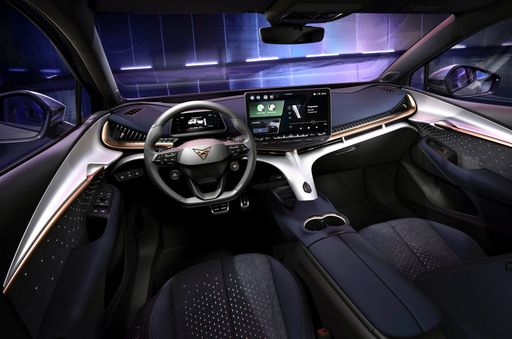
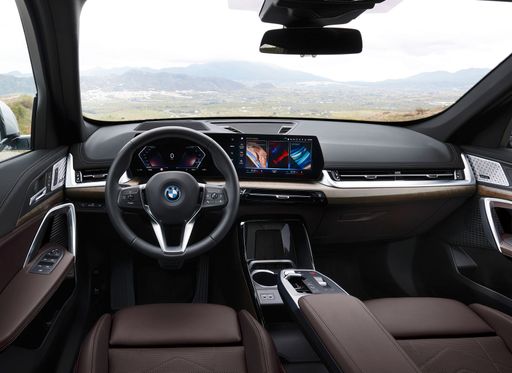
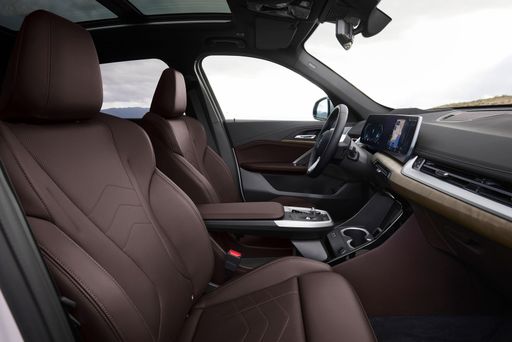
Step inside, and you'll find that both vehicles offer premium materials and cutting-edge technology. The BMW iX1 comes with a modern, driver-centric interface and features a large infotainment screen with seamless smartphone integration. Its spacious interior comfortably seats five, offering ample legroom and tech features aimed at enhancing the driving experience.

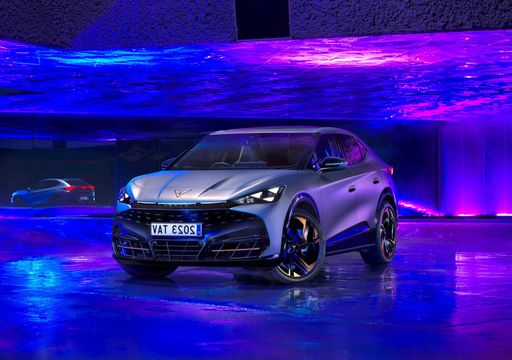
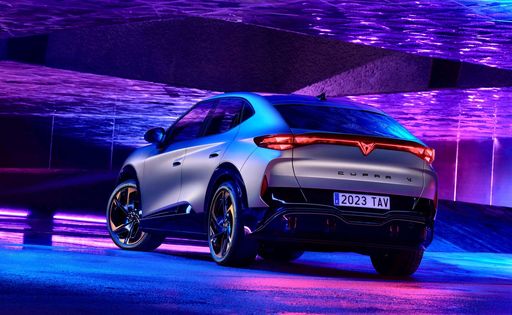
CUPRA doesn't fall short in its interior offerings either, as the Tavascan blends sportiness with comfort. It features a distinctive design, advanced infotainment system, and focus on driver engagement. With five seats like the iX1, it ensures that passengers travel in style and comfort.

iX1

Innovations and Future Technologies

Both the BMW iX1 and CUPRA Tavascan represent the forefront of automotive innovation. The iX1 includes cutting-edge driver assistance technologies and an advanced battery management system that optimizes battery life and performance. It also boasts a variety of sustainable materials in its construction, further aligning with eco-friendly principles.

The Tavascan, on the other hand, is packed with features that enhance its appeal, including an immersive infotainment system and smart connectivity options. CUPRA emphasizes sporty dynamics while still committing to sustainability, with every aspect designed to provide an exhilarating driving experience.

Conclusion: Which Electric SUV is Right for You?

Choosing between the BMW iX1 and CUPRA Tavascan ultimately comes down to personal preferences. The iX1 offers a well-rounded electric vehicle experience with luxury touches and reliable performance, catering to a more mainstream audience. In contrast, the Tavascan basks in a sportier profile, packed with power and performance, ideal for those who enjoy spirited driving.

Whichever model you lean towards, both the BMW iX1 and CUPRA Tavascan signify the exciting future of electric SUVs, showcasing how innovation and sustainability can coexist with performance and style.

Here’s where it gets real: The technical differences in detail

Tavascan

Costs and Efficiency:

Looking at overall running costs, both models reveal some interesting differences in everyday economy.

BMW iX1 is only slightly cheaper – starting at 42,300 £ , while the CUPRA Tavascan costs 45,700 £ . That’s a price difference of around 3,378 £.

In terms of energy consumption, the BMW iX1 is slightly more efficient: consuming 14.3 kWh/100km compared to 15.9 kWh/100km for the CUPRA Tavascan. That’s a difference of about 1.6 kWh/100km.

As for electric range, the CUPRA Tavascan offers only slightly more range – reaching up to 553 km, about 39 km more than the BMW iX1.

iX1

Engine and Performance:

Under the bonnet, it becomes clear which model is tuned for sportiness and which one takes the lead when you hit the accelerator.

When it comes to engine power, the CUPRA Tavascan offers very slightly more power – delivering 340 HP compared to 313 HP. That’s roughly 27 HP more horsepower.

When accelerating from 0 to 100 km/h, the CUPRA Tavascan is barely quicker – completing the sprint in 5.5 s, while the BMW iX1 takes 5.6 s. That’s about 0.1 s quicker.

There’s also a difference in torque: the CUPRA Tavascan delivers markedly more torque with 679 Nm compared to 494 Nm. That’s about 185 Nm more.

Tavascan

Space and Everyday Use:

Beyond pure performance, interior space and usability matter most in daily life. This is where you see which car is more practical and versatile.

Both vehicles offer seating for 5 people.

In terms of curb weight, BMW iX1 is somewhat lighter – 1,940 kg compared to 2,178 kg. The difference is around 238 kg.

Looking at boot space, the CUPRA Tavascan offers barely more boot space – 540 L compared to 490 L. That’s a difference of about 50 L.

When it comes to payload, the CUPRA Tavascan carries very slightly more – 522 kg compared to 495 kg. That’s a difference of about 27 kg.

Who wins the race in the data check?

The CUPRA Tavascan shows a few small advantages in the objective data comparison.
This result only shows which model scores more points on paper – not which of the two cars feels right for you.

from £45,700
Tavascan

CUPRA Tavascan

  • Engine Type : Electric
  • Transmission : Automatic
  • Drive Type : Rear-Wheel Drive, All-Wheel Drive
  • Power HP : 286 - 340 HP
  • Consumption kWh/100km : 15.9 - 17.1 kWh/100km
  • Electric Range : 513 - 553 km
CUPRA Tavascan
BMW iX1

Costs and Consumption

View detailed analysis

Engine and Performance

View detailed analysis

Dimensions and Body

View detailed analysis

CUPRA Tavascan

The CUPRA Tavascan is a striking electric crossover that blends aggressive, sporty design with surprising everyday practicality, pairing a coupe-like silhouette with SUV versatility. It feels lively and engaging on the road while offering premium touches inside, making it a compelling choice for buyers who want attitude without sacrificing comfort.

details

BMW iX1

The BMW iX1 wraps BMW's electric ambition into a compact SUV package that feels unexpectedly premium, with sharp handling and a crisp, modern cabin that keeps the driver in charge. It's ideal for buyers who want a stylish, quiet daily driver with useful practicality and tech-savvy touches — plus enough character to make the commute feel less like a chore and more like a short joyride.

details
CUPRA Tavascan
BMW iX1

Costs and Consumption

Price
45,700 - 49,600 £
Price
42,300 - 55,200 £
Consumption L/100km
-
Consumption L/100km
-
Consumption kWh/100km
15.9 - 17.1 kWh/100km
Consumption kWh/100km
14.3 - 15.7 kWh/100km
Electric Range
513 - 553 km
Electric Range
466 - 514 km
Battery Capacity
77 kWh
Battery Capacity
-
co2
0 g/km
co2
0 g/km
Fuel tank capacity
-
Fuel tank capacity
-

Dimensions and Body

Body Type
SUV
Body Type
SUV
Seats
5
Seats
5
Doors
5
Doors
-
Curb weight
2,178 - 2,273 kg
Curb weight
1,940 - 2,085 kg
Trunk capacity
540 L
Trunk capacity
490 L
Length
4,644 mm
Length
-
Width
1,861 mm
Width
1,845 mm
Height
1,597 mm
Height
-
Max trunk capacity
-
Max trunk capacity
-
Payload
507 - 522 kg
Payload
495 kg

Engine and Performance

Engine Type
Electric
Engine Type
Electric
Transmission
Automatic
Transmission
Automatic
Transmission Detail
Reduction Gearbox
Transmission Detail
Reduction Gearbox
Drive Type
Rear-Wheel Drive, All-Wheel Drive
Drive Type
Front-Wheel Drive, All-Wheel Drive
Power HP
286 - 340 HP
Power HP
204 - 313 HP
Acceleration 0-100km/h
5.5 - 6.8 s
Acceleration 0-100km/h
5.6 - 8.6 s
Max Speed
180 km/h
Max Speed
-
Torque
545 - 679 Nm
Torque
250 - 494 Nm
Number of Cylinders
-
Number of Cylinders
-
Power kW
210 - 250 kW
Power kW
150 - 230 kW
Engine capacity
-
Engine capacity
-

General

Model Year
2,024
Model Year
2,026
CO2 Efficiency Class
A
CO2 Efficiency Class
A
Brand
CUPRA
Brand
BMW
DriveDuel uses data analysis and artificial intelligence to evaluate vehicle data and create content. Content is regularly reviewed and improved. The displayed prices are estimates based on German list prices, adjusted to the respective country’s VAT. Country-specific registration taxes are not included. This information is not legally binding.