VS

Ford Capri vs VW ID.7 Touring comparison

Compare performance (340 HP vs 340 HP), boot space and price (36,300 £ vs 47,100 £ ) at a glance. Find out which car is the better choice for you – Ford Capri or VW ID.7 Touring?

Ford Capri vs VW ID.7 Touring: Key differences

Ford Capri

5 (2 Reviews)
rate
  • noticeably cheaper
  • very slightly more efficient
  • only slightly quicker 0–100 km/h
  • barely lighter

VW ID.7 Touring

5 (2 Reviews)
rate
  • marginally more electric range
  • only slightly more trunk space

All details on performance, efficiency, range and trunk space can be found in the technical comparison below – including user reviews for both models.

Capri

Electric Revolution: Ford Capri vs. VW ID.7 Touring

In the dynamic world of electric vehicles, the competition intensifies as automakers push the boundaries of technology and design. Two contenders making waves in this space are the Ford Capri and the VW ID.7 Touring. Both cars promise innovative features, impressive range, and performance that redefines the electric driving experience. Let's dive into the nitty-gritty details and see how these two vehicles stack up against each other.
ID.7 Touring

Power and Performance

The Ford Capri, like its predecessor's namesake from the mid-20th century, evokes power with a modern twist. This electric SUV offers a range of power outputs, with options reaching up to 340 HP (250 kW). It boasts a zippy acceleration, going from 0 to 100 km/h in as little as 5.3 seconds, promising an exhilarating drive for enthusiasts.

On the other side, the VW ID.7 Touring, classified as a wagon, doesn't shy away in power either. With power outputs also up to 340 HP (250 kW), and a slightly less aggressive acceleration of 5.5 seconds from 0 to 100 km/h, it matches the Capri in terms of raw potential. However, the ID.7 Touring leans towards a more balanced and comfortable ride, suitable for both city jaunts and long-distance touring. Both vehicles offer rear-wheel and all-wheel drive configurations, ensuring adaptability to various driving conditions.

Capri

Range and Efficiency

Range anxiety remains a concern for potential EV buyers. The Ford Capri addresses this with a commendable electric range topping out at 627 km, thanks to its efficient consumption of between 13.3 and 15.8 kWh per 100 km. With a battery capacity stretching up to 79 kWh, it's well-suited for both urban daily driving and long weekend excursions.

Meanwhile, the VW ID.7 Touring takes the lead with an extended range of up to 690 km, attributed to its larger 86 kWh battery. Its consumption fluctuates between 14 and 16.6 kWh per 100 km, showcasing an impressive balance between power and endurance.

ID.7 Touring

Design and Practicality

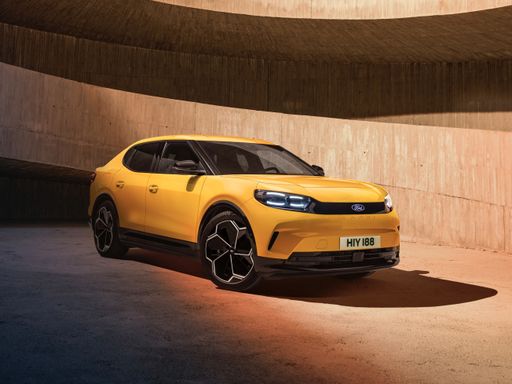
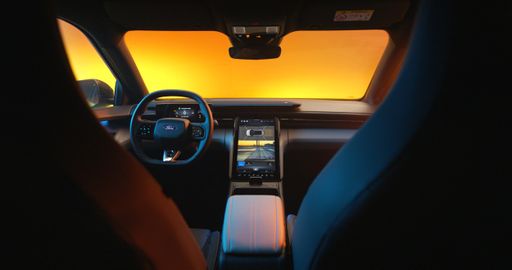
In terms of dimensions, the Ford Capri is slightly smaller yet bolder with its SUV stance, measuring 4634 mm in length. It provides a spacious interior with a trunk capacity of 572 liters, making it practical for family use. The distinctive design, combined with a plush cabin and cutting-edge technology, delivers both style and functionality.

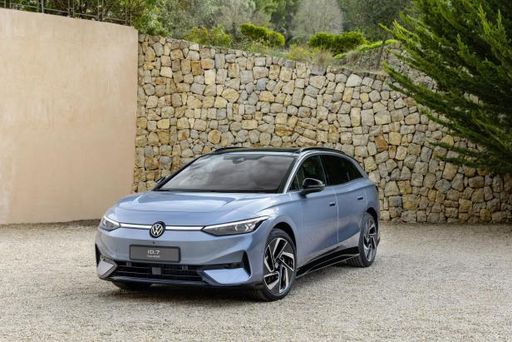
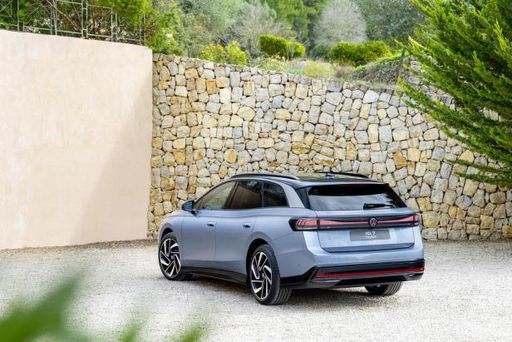
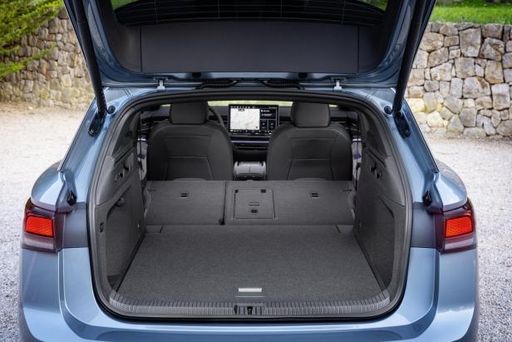
The VW ID.7 Touring, with its wagon body type, is longer at 4961 mm, offering generous cargo space of 605 liters. It's tailored for those who need versatile storage without compromising on elegance. The lower height profile translates to enhanced aerodynamics, contributing to its extended range capability.

Innovations and Technology

Both Ford and VW have packed their models with the latest technology. The Capri comes equipped with advanced driver-assistance systems, ensuring safety and convenience. Furthermore, the high-tech infotainment system provides seamless connectivity, catering to the modern driver's digital needs.

Conversely, the VW ID.7 Touring integrates state-of-the-art features, including the latest infotainment innovations and enhanced autonomous driving capabilities. VW's commitment to user-centric technology shines through, offering a sophisticated yet user-friendly experience.

Conclusion: A Choice Between Innovation and Tradition

Choosing between the Ford Capri and the VW ID.7 Touring ultimately depends on personal preference and lifestyle needs. The Capri appeals to those seeking a blend of performance with SUV practicality, promising an engaging driving experience. Meanwhile, the ID.7 Touring stands as a testament to VW's tradition of producing versatile and family-friendly vehicles, complete with a cutting-edge electric twist. Whichever model you are drawn to, both set a high bar for what the future holds in the realm of electric vehicles.

Here’s where it gets real: The technical differences in detail

Capri

Costs and Efficiency:

Price and efficiency are often the first things buyers look at. Here it becomes clear which model has the long-term edge – whether at the pump, the plug, or in purchase price.

Ford Capri is noticeably cheaper – starting at 36,300 £ , while the VW ID.7 Touring costs 47,100 £ . That’s a price difference of around 10,719 £.

In terms of energy consumption, the Ford Capri is very slightly more efficient: consuming 13.8 kWh/100km compared to 14 kWh/100km for the VW ID.7 Touring. That’s a difference of about 0.2 kWh/100km.

As for electric range, the VW ID.7 Touring offers marginally more range – reaching up to 689 km, about 62 km more than the Ford Capri.

ID.7 Touring

Engine and Performance:

Power, torque and acceleration say a lot about how a car feels on the road. This is where you see which model delivers more driving dynamics.

Both models deliver identical power – 340 HP each.

When accelerating from 0 to 100 km/h, the Ford Capri is only slightly quicker – completing the sprint in 5.3 s, while the VW ID.7 Touring takes 5.5 s. That’s about 0.2 s quicker.

Both models offer the same torque – 679 Nm.

Capri

Space and Everyday Use:

Whether family car or daily driver – which one offers more room, flexibility and comfort?

Both vehicles offer seating for 5 people.

In terms of curb weight, Ford Capri is barely lighter – 2,001 kg compared to 2,191 kg. The difference is around 190 kg.

Looking at boot space, the VW ID.7 Touring offers only slightly more boot space – 605 L compared to 572 L. That’s a difference of about 33 L.

When it comes to payload, the Ford Capri carries noticeably more – 587 kg compared to 465 kg. That’s a difference of about 122 kg.

Who wins the race in the data check?

The Ford Capri leads convincingly in the objective data comparison.
This result only shows which model scores more points on paper – not which of the two cars feels right for you.

from £36,300
Capri

Ford Capri

  • Engine Type : Electric
  • Transmission : Automatic
  • Drive Type : Rear-Wheel Drive, All-Wheel Drive
  • Power HP : 190 - 340 HP
  • Consumption kWh/100km : 13.8 - 16.5 kWh/100km
  • Electric Range : 439 - 627 km
Ford Capri
VW ID.7 Touring

Costs and Consumption

View detailed analysis

Engine and Performance

View detailed analysis

Dimensions and Body

View detailed analysis

Ford Capri

The Ford Capri turned the family car into something cheekily sporty, with a long, rakish profile that still promises fun at a glance. Today it lives on as a lovable classic — easy to tinker with, enjoyable to drive and guaranteed to raise smiles at any meet.

details

VW ID.7 Touring

The VW ID.7 Touring blends sleek, aerodynamic fastback looks with estate practicality, delivering an electric family car that looks grown-up and feels refined. Inside it's calm and spacious with clever storage and modern tech, swallowing suitcases and weekend plans with ease — a sensible, slightly flashy choice for buyers who want electric comfort without giving up practicality.

details
Ford Capri
VW ID.7 Touring

Costs and Consumption

Price
36,300 - 50,900 £
Price
47,100 - 54,900 £
Consumption L/100km
-
Consumption L/100km
-
Consumption kWh/100km
13.8 - 16.5 kWh/100km
Consumption kWh/100km
14 - 16.6 kWh/100km
Electric Range
439 - 627 km
Electric Range
584 - 689 km
Battery Capacity
-
Battery Capacity
77 - 86 kWh
co2
0 g/km
co2
0 g/km
Fuel tank capacity
-
Fuel tank capacity
-

Dimensions and Body

Body Type
SUV
Body Type
Estate
Seats
5
Seats
5
Doors
-
Doors
5
Curb weight
2,001 - 2,175 kg
Curb weight
2,191 - 2,336 kg
Trunk capacity
572 L
Trunk capacity
605 L
Length
-
Length
4,961 mm
Width
1,872 mm
Width
1,862 mm
Height
-
Height
1,549 - 1,551 mm
Max trunk capacity
-
Max trunk capacity
1,714 L
Payload
559 - 587 kg
Payload
459 - 465 kg

Engine and Performance

Engine Type
Electric
Engine Type
Electric
Transmission
Automatic
Transmission
Automatic
Transmission Detail
Reduction Gearbox
Transmission Detail
Reduction Gearbox
Drive Type
Rear-Wheel Drive, All-Wheel Drive
Drive Type
Rear-Wheel Drive, All-Wheel Drive
Power HP
190 - 340 HP
Power HP
286 - 340 HP
Acceleration 0-100km/h
5.3 - 8 s
Acceleration 0-100km/h
5.5 - 6.7 s
Max Speed
-
Max Speed
180 km/h
Torque
350 - 679 Nm
Torque
545 - 679 Nm
Number of Cylinders
-
Number of Cylinders
-
Power kW
140 - 250 kW
Power kW
210 - 250 kW
Engine capacity
-
Engine capacity
-

General

Model Year
2,026
Model Year
2,024
CO2 Efficiency Class
A
CO2 Efficiency Class
A
Brand
Ford
Brand
VW
DriveDuel uses data analysis and artificial intelligence to evaluate vehicle data and create content. Content is regularly reviewed and improved. The displayed prices are estimates based on German list prices, adjusted to the respective country’s VAT. Country-specific registration taxes are not included. This information is not legally binding.