VS

Ford Puma vs Dacia Duster comparison

Compare performance (168 HP vs 158 HP), boot space and price (23,900 £ vs 16,300 £ ) at a glance. Find out which car is the better choice for you – Ford Puma or Dacia Duster?

Ford Puma vs Dacia Duster: Key differences

Ford Puma

3 (11 Reviews)
rate
  • only slightly more power
  • noticeably quicker 0–100 km/h
  • barely lighter
details

Dacia Duster

5 (2 Reviews)
rate
  • significantly cheaper
  • moderately more efficient
details

All details on performance, efficiency, range and trunk space can be found in the technical comparison below – including user reviews for both models.

By Achim Sedelmaier

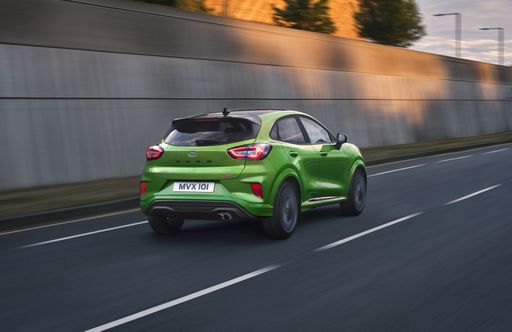
Puma

Compact SUV Showdown: Dacia Duster vs. Ford Puma

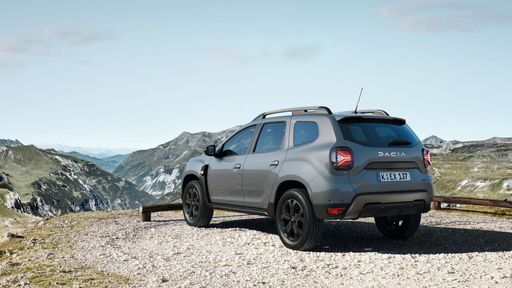
In the ever-competitive compact SUV market, two models have captured attention with their distinct offerings: the Dacia Duster and the Ford Puma. Both vehicles are targeted at drivers seeking a balance between utility, performance, and economy, but they bring these elements to life in unique ways. In this comparison, we'll delve into the technical aspects and innovations that set these two apart.
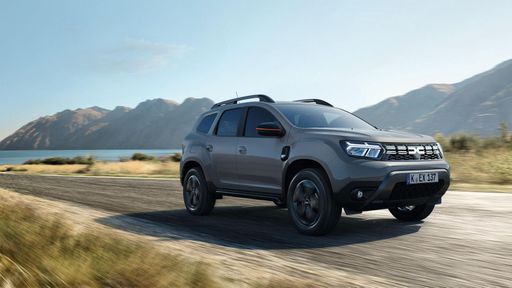
Duster

Performance and Engine Choice

The 2024 Dacia Duster offers a diverse range of engine options that include LPG, full hybrid, and petrol MHEV (Mild Hybrid Electric Vehicle). The horsepower varies from 91 HP to 140 HP, allowing for choices based on individual performance requirements. The Duster also stands out with potential drive options of either front-wheel drive or all-wheel drive—a handy feature for those adventurous enough to take their SUV off the beaten path.

On the other hand, the Ford Puma embraces a more modern engine lineup for its 2024/2025 models, focusing on petrol MHEV and electric options. With power outputs ranging from 125 HP to 168 HP, the Puma aims squarely at efficiency and lower emissions, evident from its front-wheel drive-only setup that maximizes fuel economy and driving ease.

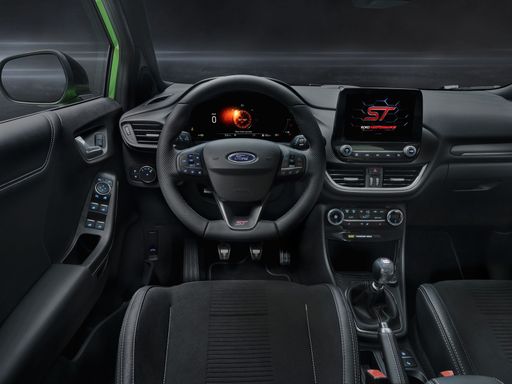
Puma

Efficiency and Consumption

Fuel consumption is an essential factor for any SUV owner today. The Dacia Duster offers a consumption range from 5 L/100km to 8.1 L/100km, shaped by its diverse powertrain options.

Ford Puma’s pursuit of champions in efficiency shows with numbers like 5.4 L/100km on its MHEV variants and even less when considering the electric models, which boast a consumption of 13.1 kWh/100km. An all-electric range up to 376 km adds another edge in sustainability that might appeal to eco-conscious consumers.

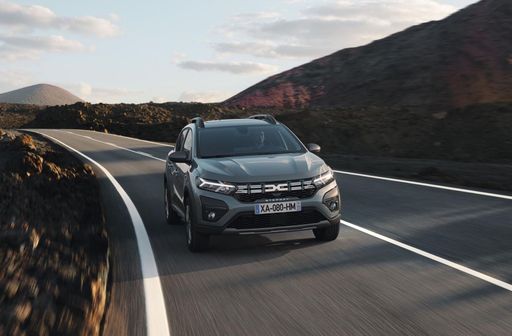
Duster

Interior Space and Design

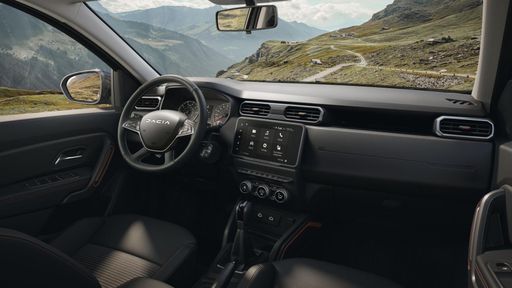
Interior design and space utilization are crucial considerations in this vehicle category. The Duster’s rugged persona extends into its spacious interior, accommodating five passengers comfortably, with a trunk capacity peaking at 517 liters.

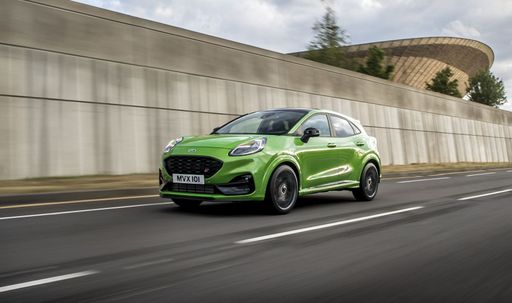
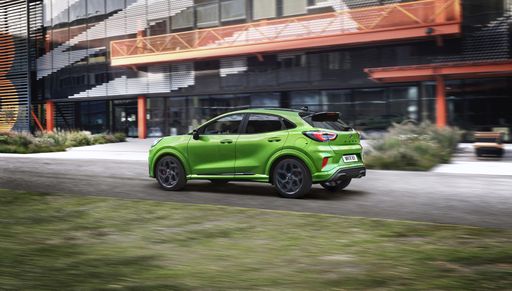
The Puma, while slightly more compact in length, optimizes its space impeccably with a trunk capacity reaching 523 liters. Given its clever space management and attractive design, the Puma appeals to those preferring a sleeker urban SUV without sacrificing cargo volume.

Puma

Innovations and Technology

While not historically known for tech extravagance, Dacia has infused the Duster with sensible technological improvements and engine versatility to attract a broader range of consumers.

Conversely, the Ford Puma aims to impress with its hybrid systems and advanced drive assistance technologies that adequately complement its modern powertrains. Tech-savvy buyers will appreciate the Puma’s dual-clutch automatic transmission and the available all-electric drive variant.

Duster

Conclusion: Choosing Between the Duster and Puma

Choosing between the Dacia Duster and the Ford Puma ultimately depends on what you value most in an SUV. The Duster stands as an all-terrain champion with diverse engine choices and drive configurations. The Ford Puma, however, sets the stage for urban sophistication with superior efficiency, high-tech features, and future-forward powertrains. Both are commendable in their rights, offering unique propositions in the competitive compact SUV landscape.

For those set on efficiency and modern technology, the Puma is an intriguing choice. However, if versatility and adventurism are your goals, the Duster may just be the perfect fit.

Here’s where it gets real: The technical differences in detail

Puma

Costs and Efficiency:

Price and efficiency are key factors when choosing a car – and this is often where the real differences emerge.

Dacia Duster is significantly cheaper – starting at 16,300 £ , while the Ford Puma costs 23,900 £ . That’s a price difference of around 7,637 £.

Fuel consumption also shows a difference: the Dacia Duster uses 4.7 L/100km and is moderately more efficient than the Ford Puma with 5.4 L/100km. The difference is about 0.7 L/100km.

Duster

Engine and Performance:

Power, torque and acceleration are the classic benchmarks for car enthusiasts – and here, some clear differences start to show.

When it comes to engine power, the Ford Puma offers only slightly more power – delivering 168 HP compared to 158 HP. That’s roughly 10 HP more horsepower.

When accelerating from 0 to 100 km/h, the Ford Puma is noticeably quicker – completing the sprint in 7.4 s, while the Dacia Duster takes 9.4 s. That’s about 2 s quicker.

There’s also a difference in torque: the Ford Puma delivers markedly more torque with 290 Nm compared to 230 Nm. That’s about 60 Nm more.

Puma

Space and Everyday Use:

Cabin size, boot volume and payload all play a role in everyday practicality. Here, comfort and flexibility make the difference.

Both vehicles offer seating for 5 people.

In terms of curb weight, Ford Puma is barely lighter – 1,316 kg compared to 1,377 kg. The difference is around 61 kg.

When it comes to payload, the Ford Puma carries marginally more – 469 kg compared to 453 kg. That’s a difference of about 16 kg.

Who wins the race in the data check?

The Ford Puma has the upper hand in the objective data comparison.
This result only shows which model scores more points on paper – not which of the two cars feels right for you.

from £23,900
Puma

Ford Puma

  • Engine Type : Petrol MHEV, Electric
  • Transmission : Manuel, Automatic
  • Drive Type : Front-Wheel Drive
  • Power HP : 125 - 168 HP
  • Consumption L/100km : 5.4 - 5.9 L/100km
  • Consumption kWh/100km : 13 - 13.7 kWh/100km
  • Electric Range : 404 - 417 km
Ford Puma
Dacia Duster

Costs and Consumption

View detailed analysis

Engine and Performance

View detailed analysis

Dimensions and Body

View detailed analysis

Ford Puma

The Ford Puma is a cheeky compact crossover that blends sporty styling with city-friendly practicality, giving drivers a surprisingly fun and composed ride. With clever storage tricks and a lively personality, it’s a smart pick for buyers who want enjoyment without fuss.

details

Dacia Duster

The Dacia Duster is a no-nonsense compact SUV that delivers rugged practicality and surprisingly comfortable everyday driving without fuss. It might not win any beauty contests, but its honest design, easy-to-live-with cabin and tough attitude make it a smart pick for buyers who want reliable transport without luxury frills.

details
Ford Puma
Dacia Duster

Costs and Consumption

Price
23,900 - 36,300 £
Price
16,300 - 24,900 £
Consumption L/100km
5.4 - 5.9 L/100km
Consumption L/100km
4.7 - 7.6 L/100km
Consumption kWh/100km
13 - 13.7 kWh/100km
Consumption kWh/100km
-
Electric Range
404 - 417 km
Electric Range
-
Battery Capacity
-
Battery Capacity
-
co2
0 - 135 g/km
co2
107 - 140 g/km
Fuel tank capacity
-
Fuel tank capacity
-

Dimensions and Body

Body Type
SUV
Body Type
SUV
Seats
5
Seats
5
Doors
-
Doors
-
Curb weight
1,316 - 1,563 kg
Curb weight
1,377 - 1,559 kg
Trunk capacity
-
Trunk capacity
348 - 517 L
Length
-
Length
-
Width
1,805 mm
Width
1,813 mm
Height
-
Height
-
Max trunk capacity
-
Max trunk capacity
-
Payload
367 - 469 kg
Payload
402 - 453 kg

Engine and Performance

Engine Type
Petrol MHEV, Electric
Engine Type
Petrol MHEV, Full Hybrid, LPG
Transmission
Manuel, Automatic
Transmission
Manuel, Automatic
Transmission Detail
Manual Gearbox, Dual-Clutch Automatic, Reduction Gearbox
Transmission Detail
Manual Gearbox, Automated Manual, Dual-Clutch Automatic
Drive Type
Front-Wheel Drive
Drive Type
Front-Wheel Drive, All-Wheel Drive
Power HP
125 - 168 HP
Power HP
115 - 158 HP
Acceleration 0-100km/h
7.4 - 9.8 s
Acceleration 0-100km/h
9.4 - 11.7 s
Max Speed
-
Max Speed
-
Torque
170 - 290 Nm
Torque
190 - 230 Nm
Number of Cylinders
3
Number of Cylinders
3 - 4
Power kW
92 - 124 kW
Power kW
84 - 116 kW
Engine capacity
999 cm3
Engine capacity
1,199 - 1,789 cm3

General

Model Year
2,025 - 2,026
Model Year
2,025 - 2,026
CO2 Efficiency Class
D, A
CO2 Efficiency Class
D, C
Brand
Ford
Brand
Dacia
DriveDuel uses data analysis and artificial intelligence to evaluate vehicle data and create content. Content is regularly reviewed and improved. The displayed prices are estimates based on German list prices, adjusted to the respective country’s VAT. Country-specific registration taxes are not included. This information is not legally binding.