VS

Genesis GV60 vs Polestar 4 comparison

Compare performance (490 HP vs 544 HP), boot space and price (46,900 £ vs 53,100 £ ) at a glance. Find out which car is the better choice for you – Genesis GV60 or Polestar 4?

Genesis GV60 vs Polestar 4: Key differences

Genesis GV60

  • a bit cheaper
  • barely more efficient
  • only slightly lighter
details

Polestar 4

4.8 (11 Reviews)
rate
  • only slightly more power
  • marginally more electric range
  • only slightly quicker 0–100 km/h
details

All details on performance, efficiency, range and trunk space can be found in the technical comparison below – including user reviews for both models.

By Achim Sedelmaier

GV60

Genesis GV60 vs Polestar 4: A Battle of Electric SUVs

In the rapidly evolving world of electric vehicles, SUVs have gained significant attention for their blend of power, range, and practicality. Two models that have stirred considerable interest in the electric SUV market are the Genesis GV60 and the Polestar 4. Both vehicles offer compelling features, but which one stands out? Let's delve into the details.
4

Design and Dimensions

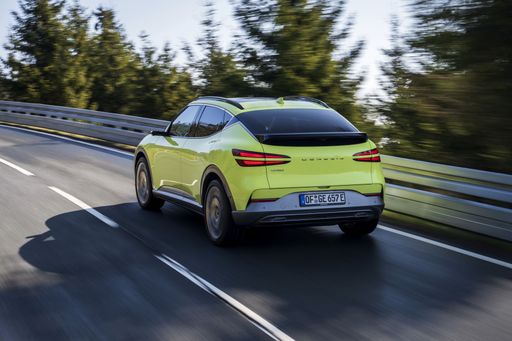
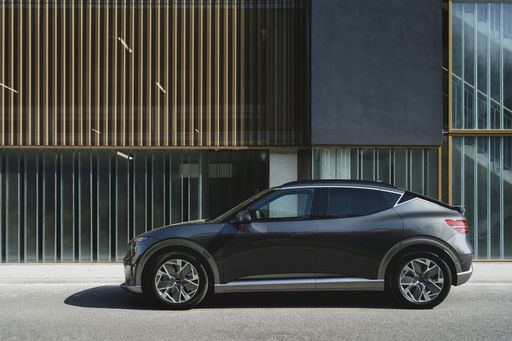
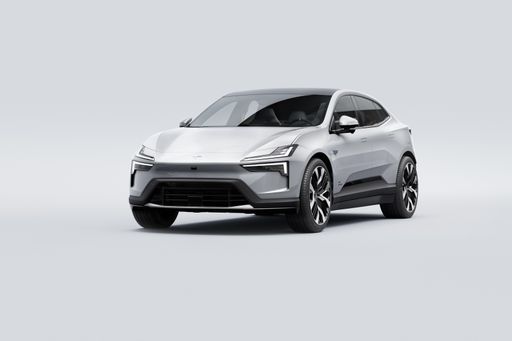
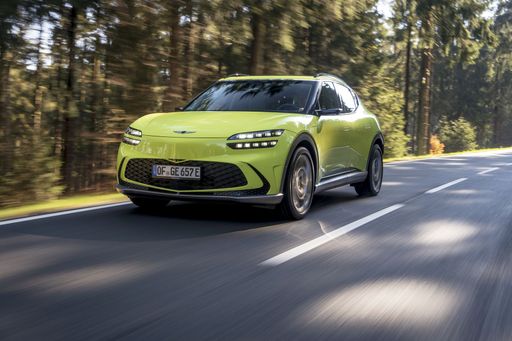
The Genesis GV60 and Polestar 4 exhibit modern and sleek designs aligned with their brands' aesthetic philosophies. The GV60 measures 4,515 mm in length, 1,890 mm in width, and 1,580 mm in height, offering a compact and agile structure. Meanwhile, the Polestar 4 is a slightly larger SUV, at 4,840 mm in length, 2,008 mm in width, and 1,534 mm in height, which emphasizes its elegant and sustainable design ethos.

GV60

Performance and Power

When it comes to performance, both models offer impressive statistics. The Genesis GV60 comes in several power variants, with outputs ranging from 229 HP to a thrilling 490 HP and torque levels reaching up to 700 Nm. This allows for swift acceleration, with the quickest 0-100 km/h time at a mere 4 seconds. On the other hand, the Polestar 4 offers two distinct versions: a robust 544 HP all-wheel drive variant and a more balanced 272 HP rear-wheel drive option. The top-tier Polestar can accelerate from 0 to 100 km/h in just 3.8 seconds, catering to those who crave speed.

4

Range and Efficiency

Range anxiety is a significant consideration for electric vehicle buyers. The Polestar 4 takes the lead in this category with an impressive 620 km range on a single charge, courtesy of its 94 kWh battery. Meanwhile, the Genesis GV60 delivers a competitive range of up to 517 km with its 77.4 kWh battery. In terms of energy consumption, the GV60 averages between 17 to 19.1 kWh/100km, while the Polestar 4 stands at 17.8 to 18.7 kWh/100km, illustrating both efficiency and sustainability in their engineering.

GV60

Interior, Space, and Technology

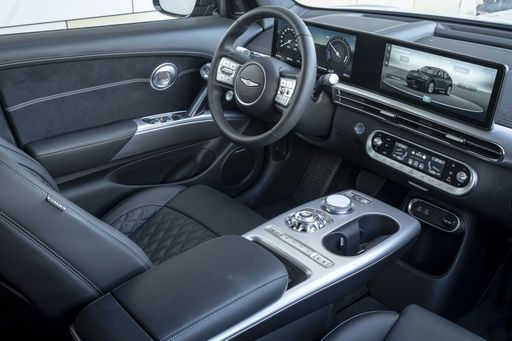
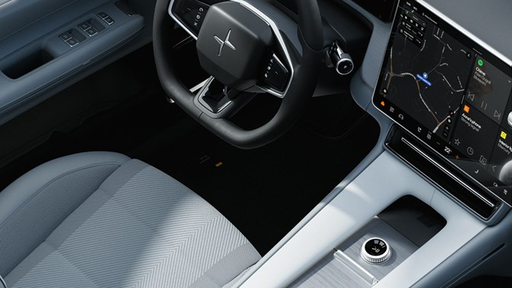
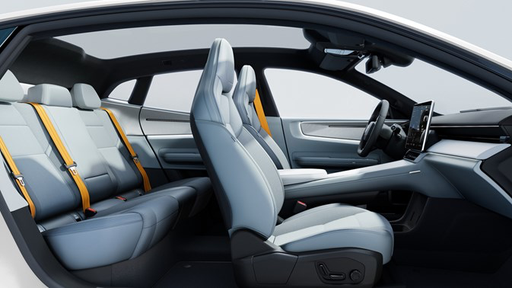
The interior space is where the Polestar 4 shines, offering a generous trunk capacity of 526 liters compared to the GV60's 432 liters. Both vehicles comfortably seat five passengers, making them ideal for families or groups. On the technology front, both models come equipped with the latest innovation, from advanced infotainment systems to driver-assistance features that enhance safety and convenience.

4

Conclusion: Which Electric SUV Comes Out on Top?

Choosing between the Genesis GV60 and the Polestar 4 depends on individual preferences. The GV60 is ideal for those seeking a balance of performance and innovative design in a more compact form. In contrast, the Polestar 4 offers a longer range and more interior space, catering to those who prioritize practicality alongside performance. Both SUVs showcase the potential of electric vehicles in redefining the future of automotive excellence.

Here’s where it gets real: The technical differences in detail

GV60

Costs and Efficiency:

Price and efficiency are key factors when choosing a car – and this is often where the real differences emerge.

Genesis GV60 is a bit cheaper – starting at 46,900 £ , while the Polestar 4 costs 53,100 £ . That’s a price difference of around 6,189 £.

In terms of energy consumption, the Genesis GV60 is barely more efficient: consuming 16.7 kWh/100km compared to 17.8 kWh/100km for the Polestar 4. That’s a difference of about 1.1 kWh/100km.

As for electric range, the Polestar 4 offers marginally more range – reaching up to 620 km, about 59 km more than the Genesis GV60.

4

Engine and Performance:

Power, torque and acceleration are the classic benchmarks for car enthusiasts – and here, some clear differences start to show.

When it comes to engine power, the Polestar 4 offers only slightly more power – delivering 544 HP compared to 490 HP. That’s roughly 54 HP more horsepower.

When accelerating from 0 to 100 km/h, the Polestar 4 is only slightly quicker – completing the sprint in 3.8 s, while the Genesis GV60 takes 4 s. That’s about 0.2 s quicker.

There’s also a difference in torque: the Genesis GV60 delivers marginally more torque with 700 Nm compared to 686 Nm. That’s about 14 Nm more.

GV60

Space and Everyday Use:

Cabin size, boot volume and payload all play a role in everyday practicality. Here, comfort and flexibility make the difference.

Both vehicles offer seating for 5 people.

In terms of curb weight, Genesis GV60 is only slightly lighter – 2,050 kg compared to 2,230 kg. The difference is around 180 kg.

When it comes to payload, the Genesis GV60 carries very slightly more – 460 kg compared to 455 kg. That’s a difference of about 5 kg.

Who wins the race in the data check?

The Polestar 4 is narrowly ahead in the objective data comparison.
This result only shows which model scores more points on paper – not which of the two cars feels right for you.

from £53,100
4

Polestar 4

  • Engine Type Electric
  • Transmission Automatic
  • Drive Type Rear-Wheel Drive, All-Wheel Drive
  • Power HP 272 - 544 HP
  • Consumption kWh/100km 17.8 - 19 kWh/100km
  • Electric Range 590 - 620 km
Genesis GV60
Polestar 4

Costs and Consumption

View detailed analysis

Engine and Performance

View detailed analysis

Dimensions and Body

View detailed analysis

Genesis GV60

The Genesis GV60 arrives like a fashionably sharp electric crossover, its jewel-like lighting and coupe-ish silhouette giving it presence that feels more boutique than showroom. It pairs playful, immediate acceleration with a serene, well-appointed cabin and slick tech, making it a tempting choice for buyers who want luxury with a cheeky electric twist.

details

Polestar 4

The Polestar 4 wears a coupe-like profile and a Scandinavian-minimal interior that feels premium and unexpectedly roomy, with composed handling that makes urban driving and country roads a pleasure. For buyers who want an electric car that turns heads without shouting, the Polestar 4 is a stylish, clever choice that balances practicality with personality.

details
Genesis GV60
Polestar 4

Costs and Consumption

Price
46,900 - 63,800 £
Price
53,100 - 59,900 £
Consumption L/100km
-
Consumption L/100km
-
Consumption kWh/100km
16.7 - 19 kWh/100km
Consumption kWh/100km
17.8 - 19 kWh/100km
Electric Range
501 - 561 km
Electric Range
590 - 620 km
Battery Capacity
-
Battery Capacity
-
co2
0 g/km
co2
0 g/km
Fuel tank capacity
-
Fuel tank capacity
-

Dimensions and Body

Body Type
SUV
Body Type
SUV
Seats
5
Seats
5
Doors
-
Doors
-
Curb weight
2,050 - 2,220 kg
Curb weight
2,230 - 2,355 kg
Trunk capacity
-
Trunk capacity
526 L
Length
-
Length
-
Width
1,890 mm
Width
2,008 mm
Height
-
Height
-
Max trunk capacity
-
Max trunk capacity
-
Payload
455 - 460 kg
Payload
455 kg

Engine and Performance

Engine Type
Electric
Engine Type
Electric
Transmission
Automatic
Transmission
Automatic
Transmission Detail
Reduction Gearbox
Transmission Detail
Reduction Gearbox
Drive Type
Rear-Wheel Drive, All-Wheel Drive
Drive Type
Rear-Wheel Drive, All-Wheel Drive
Power HP
229 - 490 HP
Power HP
272 - 544 HP
Acceleration 0-100km/h
4 - 7.8 s
Acceleration 0-100km/h
3.8 - 7.1 s
Max Speed
-
Max Speed
-
Torque
350 - 700 Nm
Torque
343 - 686 Nm
Number of Cylinders
-
Number of Cylinders
-
Power kW
168 - 360 kW
Power kW
200 - 400 kW
Engine capacity
-
Engine capacity
-

General

Model Year
2025
Model Year
2026
CO2 Efficiency Class
A
CO2 Efficiency Class
A
Brand
Genesis
Brand
Polestar
DriveDuel uses data analysis and artificial intelligence to evaluate vehicle data and create content. Content is regularly reviewed and improved. The displayed prices are estimates based on German list prices, adjusted to the respective country’s VAT. Country-specific registration taxes are not included. This information is not legally binding.