VS

Honda ZR-V vs VW T-Roc comparison

Compare performance (184 HP vs 150 HP), boot space and price (35,100 £ vs 26,400 £ ) at a glance. Find out which car is the better choice for you – Honda ZR-V or VW T-Roc?

Honda ZR-V vs VW T-Roc: Key differences

Honda ZR-V

4.8 (3 Reviews)
rate
  • somewhat more power
  • slightly quicker 0–100 km/h
details

VW T-Roc

4.8 (6 Reviews)
rate
  • markedly cheaper
  • very slightly more efficient
  • somewhat lighter
details

All details on performance, efficiency, range and trunk space can be found in the technical comparison below – including user reviews for both models.

By Achim Sedelmaier

ZR-V

A Battle of Compact SUVs: Honda ZR-V vs VW T-Roc

The compact SUV segment continues to expand, drawing fierce competition from automakers worldwide. Two remarkable contenders vying for supremacy in this popular category are the Honda ZR-V and the Volkswagen T-Roc. Both vehicles offer unique strengths that cater to different preferences and driving experiences. This article compares the two models, diving into their technical specifications and innovations.
T-Roc

Bold Design and Comfort

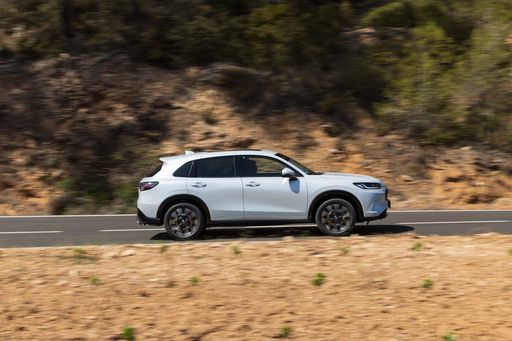
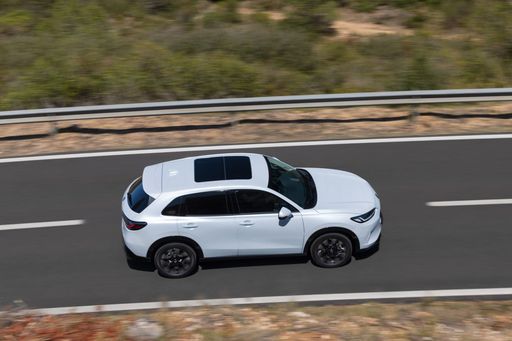
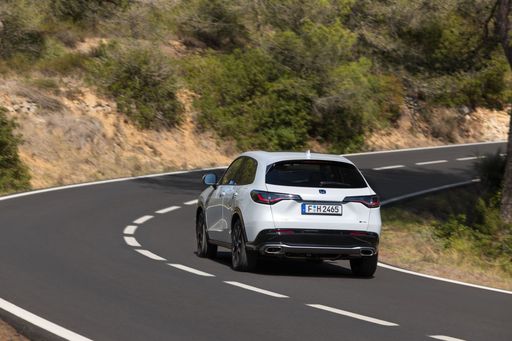
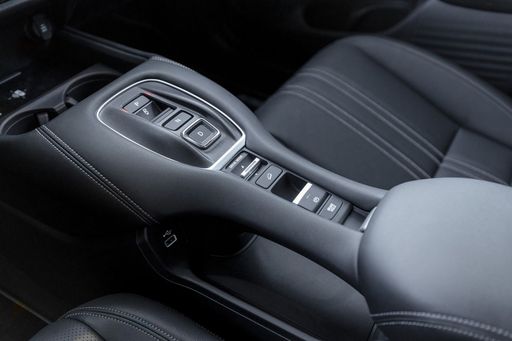
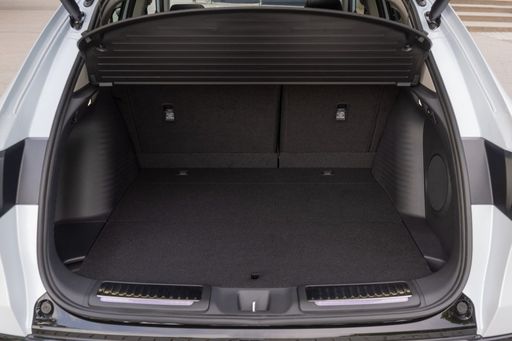
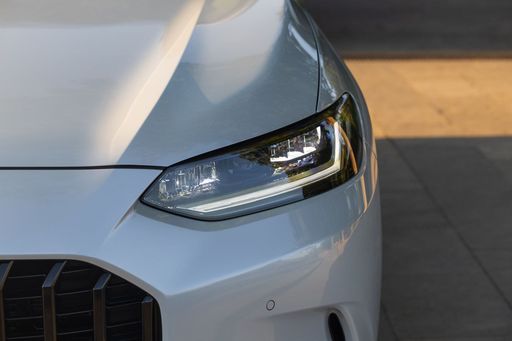
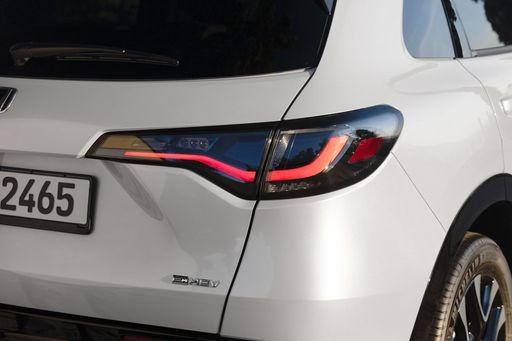
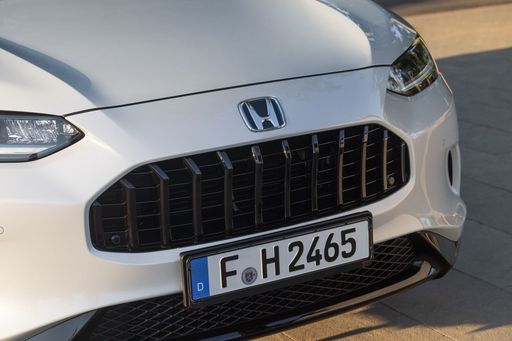
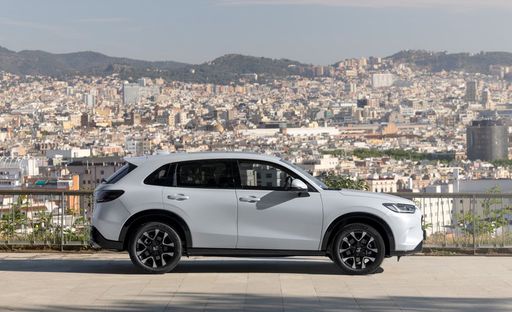
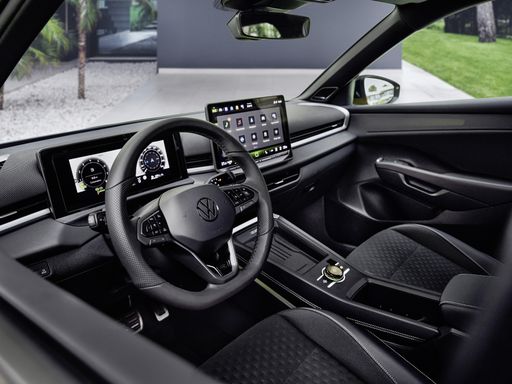
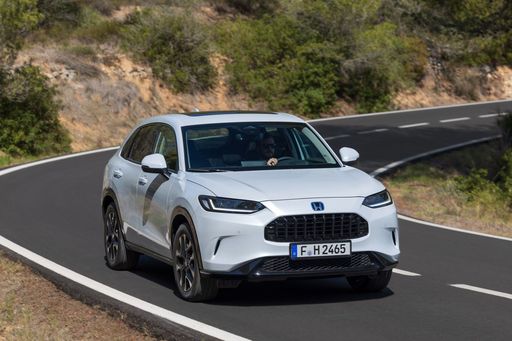
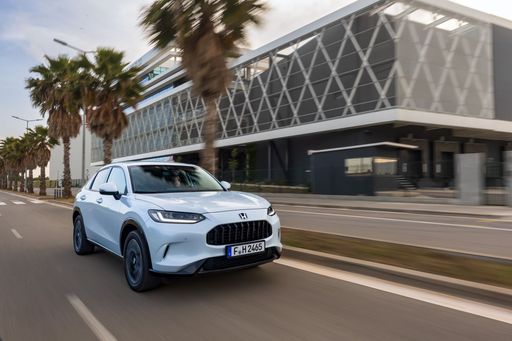
The Honda ZR-V makes a statement with its bold and contemporary design, exemplifying Honda's commitment to styling and functionality. With dimensions of 4568 mm in length, 1840 mm in width, and 1613 mm in height, it offers a commanding road presence. Inside, it accommodates five passengers comfortably while providing a trunk capacity ranging between 370 to 380 liters.

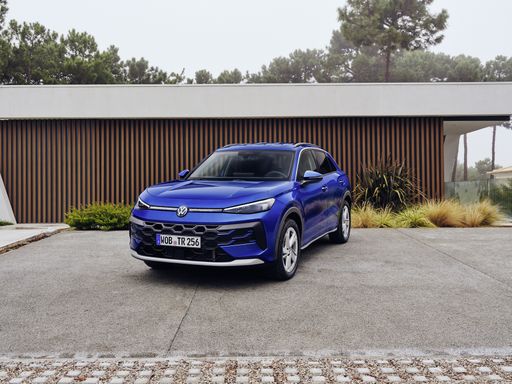
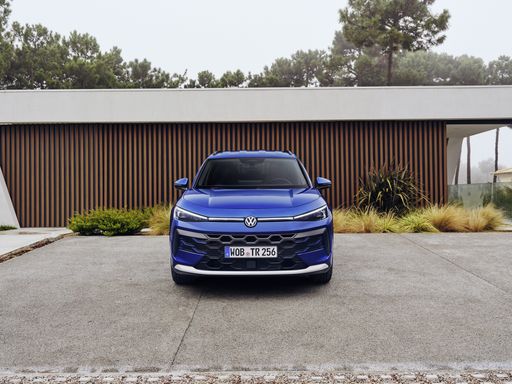
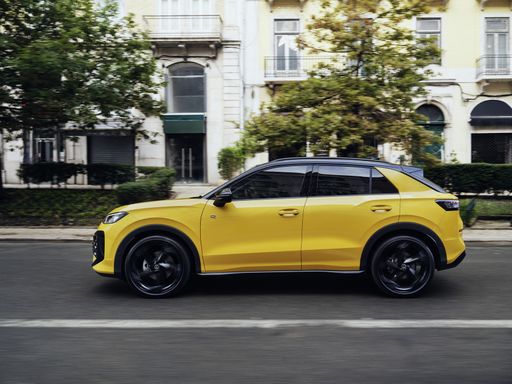
On the other hand, the VW T-Roc exhibits a more compact design, with lengths ranging from 4236 to 4271 mm and widths of about 1819 mm. Despite being more compact, the T-Roc impresses with a trunk capacity of up to 445 liters, ingeniously combining urban agility with practical space utilization.

ZR-V

Powertrain and Performance

The Honda ZR-V is equipped with a full hybrid engine, delivering 184 horsepower (135 kW) with a peak torque of 315 Nm. Its responsiveness is evident with an acceleration of 0 to 100 km/h in just 7.9 to 8 seconds, while consuming between 5.7 to 5.8 liters per 100 km. With a maximum speed of 173 km/h, it provides a balanced blend of performance and efficiency.

Alternately, the VW T-Roc offers a range of engine options, including petrol and diesel variants with power outputs spanning from 115 to an impressive 300 horsepower (85 to 221 kW). Depending on the choice of engine and drive train—whether front-wheel or all-wheel drive—the T-Roc accelerates from 0 to 100 km/h in 4.9 to 12.3 seconds. The fuel consumption varies between 4.7 to 8.5 liters per 100 km, catering to a wider range of driving preferences.

T-Roc

Technological Innovations

Both models integrate a plethora of technology to enhance the driving experience. The Honda ZR-V features an advanced hybrid system that optimizes fuel efficiency while reducing carbon emissions to as low as 130 g/km, falling into the CO2 efficiency class D.

The VW T-Roc counters with a comprehensive suite of infotainment and driver-assistance technologies spread across its trims. From manual gearboxes to advanced dual-clutch automatics, the driving experience can be tailored to different tastes. With CO2 emissions ranging between 125 to 194 g/km, it provides versatility in eco-conscious driving tailored to user preferences.

ZR-V

Final Verdict

In summary, the Honda ZR-V and VW T-Roc each bring distinctive advantages to the compact SUV market. The ZR-V shines with its hybrid efficiency and smooth ride, ideal for drivers seeking a balance of style and sustainability. Meanwhile, the T-Roc offers a wide array of configurations and performance-driven options, meeting diverse demands from urban environments to sporty adventures. Ultimately, your choice will depend on your lifestyle, driving preferences, and how you prioritize fuel economy versus performance.

Here’s where it gets real: The technical differences in detail

ZR-V

Costs and Efficiency:

Price and efficiency are key factors when choosing a car – and this is often where the real differences emerge.

VW T-Roc is markedly cheaper – starting at 26,400 £ , while the Honda ZR-V costs 35,100 £ . That’s a price difference of around 8,619 £.

Fuel consumption also shows a difference: the VW T-Roc uses 5.5 L/100km and is very slightly more efficient than the Honda ZR-V with 5.7 L/100km. The difference is about 0.2 L/100km.

T-Roc

Engine and Performance:

Power, torque and acceleration are the classic benchmarks for car enthusiasts – and here, some clear differences start to show.

When it comes to engine power, the Honda ZR-V offers somewhat more power – delivering 184 HP compared to 150 HP. That’s roughly 34 HP more horsepower.

When accelerating from 0 to 100 km/h, the Honda ZR-V is slightly quicker – completing the sprint in 7.8 s, while the VW T-Roc takes 8.9 s. That’s about 1.1 s quicker.

There’s also a difference in torque: the Honda ZR-V delivers clearly more torque with 315 Nm compared to 250 Nm. That’s about 65 Nm more.

ZR-V

Space and Everyday Use:

Whether family car or daily driver – which one offers more room, flexibility and comfort?

Both vehicles offer seating for 5 people.

In terms of curb weight, VW T-Roc is somewhat lighter – 1,465 kg compared to 1,660 kg. The difference is around 195 kg.

When it comes to payload, the VW T-Roc carries moderately more – 515 kg compared to 455 kg. That’s a difference of about 60 kg.

Who wins the race in the data check?

The Honda ZR-V has the upper hand in the objective data comparison.
This result only shows which model scores more points on paper – not which of the two cars feels right for you.

from £35,100
ZR-V

Honda ZR-V

  • Engine Type : Full Hybrid
  • Transmission : Automatic
  • Drive Type : Front-Wheel Drive
  • Power HP : 184 HP
  • Consumption L/100km : 5.7 - 5.8 L/100km
Honda ZR-V
VW T-Roc

Costs and Consumption

View detailed analysis

Engine and Performance

View detailed analysis

Dimensions and Body

View detailed analysis

Honda ZR-V

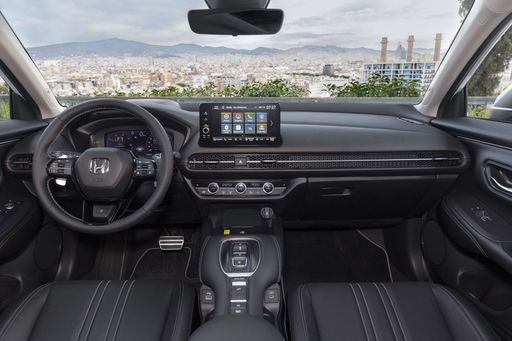
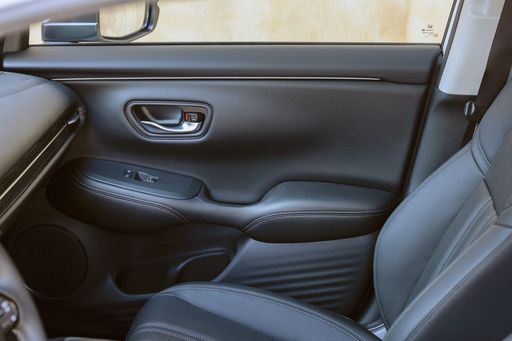
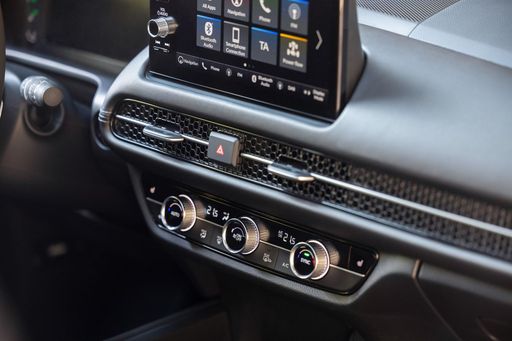
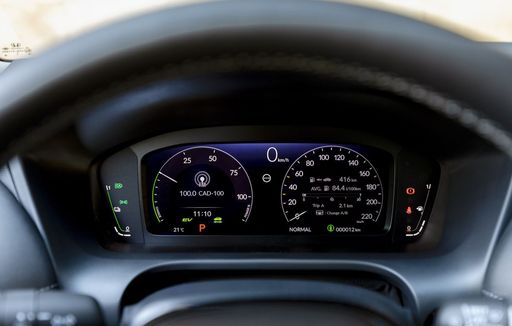
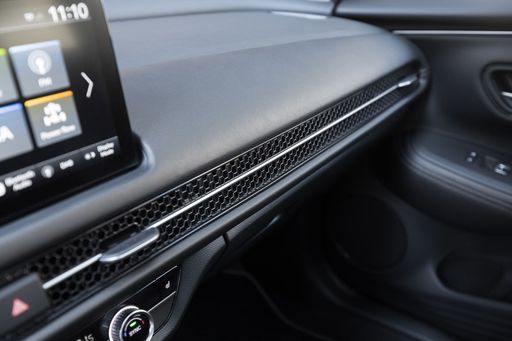
The Honda ZR-V blends smart practicality with sharper styling than you might expect, giving buyers a calm, competent companion for daily life. Inside it's comfortable and cleverly laid out, easy to live with and never trying too hard to be exciting.

details

VW T-Roc

The VW T‑Roc feels noticeably more grown‑up than before, with a much nicer cabin, sensible physical controls and a calm, well‑insulated ride that makes long trips comfortable. It’s compact and city‑friendly with practical rear seating, but the sloping roofline reduces rear headroom and tempting options can quickly push the price up, so buyers after maximum space or a sporty feel may want to consider alternatives.

details
Honda ZR-V
VW T-Roc

Costs and Consumption

Price
35,100 - 38,700 £
Price
26,400 - 38,600 £
Consumption L/100km
5.7 - 5.8 L/100km
Consumption L/100km
5.5 - 6.3 L/100km
Consumption kWh/100km
-
Consumption kWh/100km
-
Electric Range
-
Electric Range
-
Battery Capacity
-
Battery Capacity
-
co2
130 - 132 g/km
co2
126 - 143 g/km
Fuel tank capacity
-
Fuel tank capacity
-

Dimensions and Body

Body Type
SUV
Body Type
SUV
Seats
5
Seats
4 - 5
Doors
-
Doors
-
Curb weight
1,660 - 1,710 kg
Curb weight
1,465 - 1,539 kg
Trunk capacity
-
Trunk capacity
284 L
Length
-
Length
-
Width
1,840 mm
Width
1,811 - 1,828 mm
Height
-
Height
-
Max trunk capacity
-
Max trunk capacity
-
Payload
440 - 455 kg
Payload
368 - 515 kg

Engine and Performance

Engine Type
Full Hybrid
Engine Type
Petrol, Petrol MHEV
Transmission
Automatic
Transmission
Manuel, Automatic
Transmission Detail
CVT
Transmission Detail
Manual Gearbox, Dual-Clutch Automatic
Drive Type
Front-Wheel Drive
Drive Type
Front-Wheel Drive
Power HP
184 HP
Power HP
115 - 150 HP
Acceleration 0-100km/h
7.8 - 8 s
Acceleration 0-100km/h
8.9 - 12.3 s
Max Speed
-
Max Speed
-
Torque
315 Nm
Torque
200 - 250 Nm
Number of Cylinders
4
Number of Cylinders
3 - 4
Power kW
135 kW
Power kW
85 - 110 kW
Engine capacity
1,993 cm3
Engine capacity
999 - 1,498 cm3

General

Model Year
2025
Model Year
2,024 - 2,025
CO2 Efficiency Class
D
CO2 Efficiency Class
E, D
Brand
Honda
Brand
VW
DriveDuel uses data analysis and artificial intelligence to evaluate vehicle data and create content. Content is regularly reviewed and improved. The displayed prices are estimates based on German list prices, adjusted to the respective country’s VAT. Country-specific registration taxes are not included. This information is not legally binding.