VS

Kia EV3 vs XPeng G6 comparison

Compare performance (204 HP vs 487 HP), boot space and price (30,800 £ vs 37,400 £ ) at a glance. Find out which car is the better choice for you – Kia EV3 or XPeng G6?

Kia EV3 vs XPeng G6: Key differences

Kia EV3

4.7 (3 Reviews)
rate
  • markedly cheaper
  • a bit more efficient
  • slightly more electric range
  • slightly lighter

XPeng G6

5 (3 Reviews)
rate
  • clearly more power
  • significantly quicker 0–100 km/h
  • moderately more trunk space

All details on performance, efficiency, range and trunk space can be found in the technical comparison below – including user reviews for both models.

EV3

Comparative Analysis: Kia EV3 vs. XPeng G6

As the electric vehicle (EV) market continues to expand, two notable contenders are emerging: the Kia EV3 and the XPeng G6. Both SUVs cater to the demands of modern drivers by offering advanced technology, impressive range, and powerful drivetrains. In this article, we dissect their key features, technical specifications, and innovative aspects to determine which model reigns supreme in this head-to-head comparison.
G6

Performance Overview

The Kia EV3 showcases a solid performance with a front-wheel drive layout and a maximum power output of 204 HP, ensuring a respectable acceleration of 0-100 km/h in about 7.5 to 7.9 seconds, depending on the variant. It boasts a top speed of 170 km/h and a torque of 283 Nm. Meanwhile, the XPeng G6 offers an array of power options, with outputs ranging from 258 HP to an impressive 476 HP in its top variant, making it a powerhouse on the road. Its acceleration ranges from a brisk 4.1 seconds for the high-end model to 6.7 seconds for the more conservative versions.

EV3

Battery and Range

When it comes to battery configurations, the Kia EV3 is available with two battery capacities: 58.3 kWh and 81.4 kWh, providing an electric range of up to 605 km. Its efficiency is commendable, with consumption rates of 14.9 to 16.2 kWh per 100 km. On the flip side, the XPeng G6 features a larger 87.5 kWh battery alongside a 66 kWh option, allowing for ranges up to 570 km, although it consumes slightly more juice at 17.5 to 17.9 kWh per 100 km. This means that while the EV3 offers slightly superior energy efficiency, the G6 compensates for its consumption with a broader spectrum of power capabilities.

G6

Interior and Cargo Space

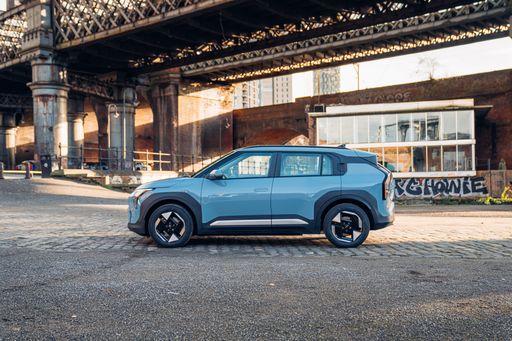
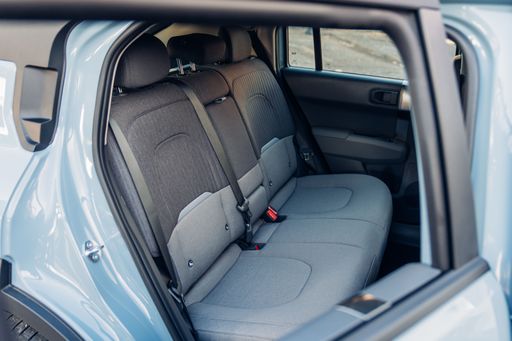
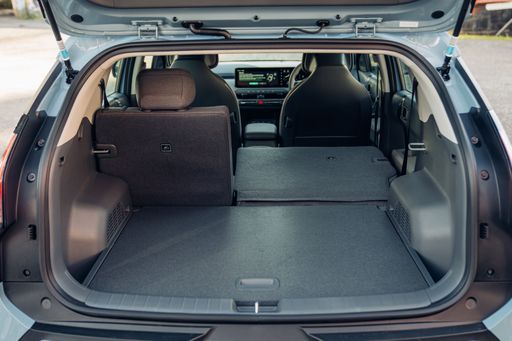
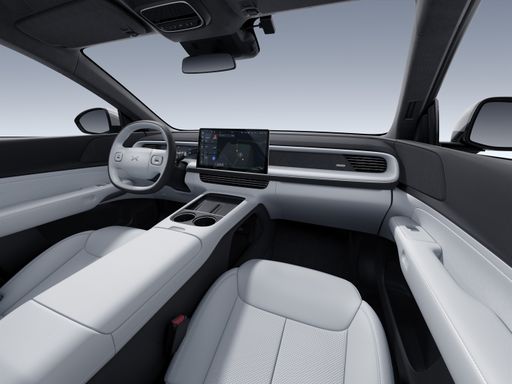
Both models accommodate five passengers comfortably. However, the XPeng G6 takes the edge with enhanced interior space and a trunk capacity of 571 liters, compared to the Kia EV3's 460 liters. This increased cargo volume makes the G6 a compelling choice for families or those needing extra storage on road trips. Additionally, the XPeng G6 boasts a more luxurious feel, with advanced features and materials that elevate the cabin experience.

EV3

Technological Innovations

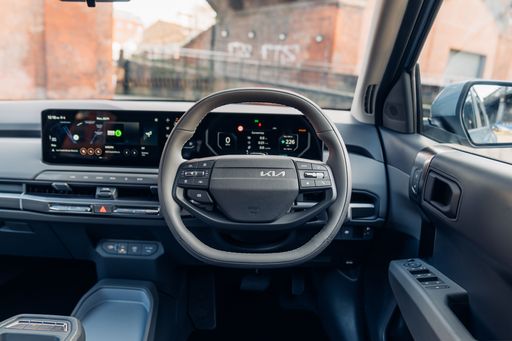
Both Kia and XPeng have infused their vehicles with cutting-edge technology. The Kia EV3 is fitted with an intuitive infotainment system that incorporates advanced driving assistance features and connectivity options. However, XPeng's G6 stands out with its highly-rated AI-driven autonomous driving capabilities, offering an enhanced autonomous driving experience that positions it as a leader in the EV market.

Sustainability and Efficiency

In terms of sustainability, both models fall within the CO2 efficiency class A, reinforcing their commitment to minimizing environmental impact. Both cars produce zero emissions, aligning with global trends towards cleaner transportation options. However, the small consumption difference may appeal to eco-conscious buyers, as the Kia EV3 touts better energy efficiency figures.

Pricing and Market Position

Although pricing details are competitive and vary by market, the XPeng G6 generally leans towards a higher price point due to its advanced technology and performance capabilities. The Kia EV3, on the other hand, offers a slightly more affordable entry into the electric SUV segment. This pricing strategy could influence budget-conscious consumers, allowing Kia to attract a broader customer base.

Conclusion: Which SUV Should You Choose?

Choosing between the Kia EV3 and XPeng G6 ultimately comes down to individual preferences and priorities. If you value energy efficiency, practical range, and a lower entry price, the Kia EV3 may suit your needs. Yet, if you are seeking cutting-edge technology, superior performance, and extra interior space, the XPeng G6 will likely come out on top. Both models present exciting options in the burgeoning electric vehicle market, each with distinct advantages to consider.

Here’s where it gets real: The technical differences in detail

EV3

Costs and Efficiency:

When it comes to price and running costs, the biggest differences usually appear. This is often where you see which car fits your budget better in the long run.

Kia EV3 is markedly cheaper – starting at 30,800 £ , while the XPeng G6 costs 37,400 £ . That’s a price difference of around 6,523 £.

In terms of energy consumption, the Kia EV3 is a bit more efficient: consuming 14.9 kWh/100km compared to 17.3 kWh/100km for the XPeng G6. That’s a difference of about 2.4 kWh/100km.

As for electric range, the Kia EV3 offers slightly more range – reaching up to 605 km, about 80 km more than the XPeng G6.

G6

Engine and Performance:

Under the bonnet, it becomes clear which model is tuned for sportiness and which one takes the lead when you hit the accelerator.

When it comes to engine power, the XPeng G6 offers clearly more power – delivering 487 HP compared to 204 HP. That’s roughly 283 HP more horsepower.

When accelerating from 0 to 100 km/h, the XPeng G6 is significantly quicker – completing the sprint in 4.1 s, while the Kia EV3 takes 7.5 s. That’s about 3.4 s quicker.

There’s also a difference in torque: the XPeng G6 delivers considerably more torque with 660 Nm compared to 283 Nm. That’s about 377 Nm more.

EV3

Space and Everyday Use:

Whether family car or daily driver – which one offers more room, flexibility and comfort?

Both vehicles offer seating for 5 people.

In terms of curb weight, Kia EV3 is slightly lighter – 1,800 kg compared to 2,065 kg. The difference is around 265 kg.

Looking at boot space, the XPeng G6 offers moderately more boot space – 571 L compared to 460 L. That’s a difference of about 111 L.

When it comes to payload, the XPeng G6 carries marginally more – 475 kg compared to 470 kg. That’s a difference of about 5 kg.

Who wins the race in the data check?

The XPeng G6 is decisively ahead in the objective data comparison.
This result only shows which model scores more points on paper – not which of the two cars feels right for you.

from £37,400
G6

XPeng G6

  • Engine Type : Electric
  • Transmission : Automatic
  • Drive Type : Rear-Wheel Drive, All-Wheel Drive
  • Power HP : 252 - 487 HP
  • Consumption kWh/100km : 17.3 - 18.4 kWh/100km
  • Electric Range : 455 - 525 km
Kia EV3
XPeng G6

Costs and Consumption

View detailed analysis

Engine and Performance

View detailed analysis

Dimensions and Body

View detailed analysis

Kia EV3

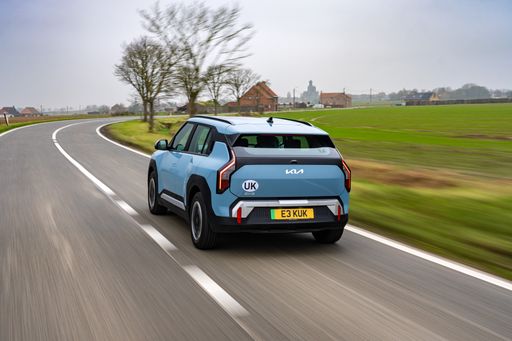
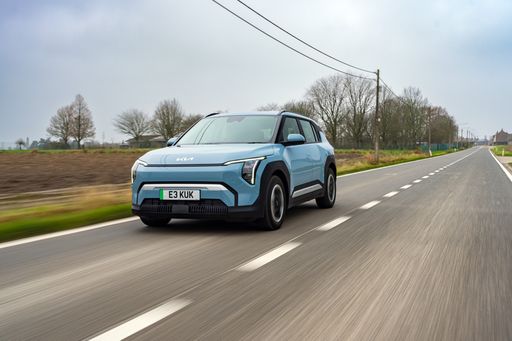
The Kia EV3 arrives as a cheeky, practical electric compact that manages to feel both premium and playful, delivering crisp handling and a roomy cabin that's perfect for urban life. With smart tech, friendly styling and sensible pricing, the EV3 is the kind of car that makes switching to electric feel like a no-brainer without asking you to give anything important up.

details

XPeng G6

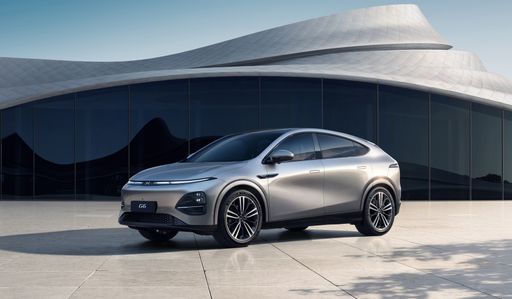
The XPeng G6 looks like a sleeker, tech-rich alternative to conventional electric SUVs, with an interior that feels modern, airy and purposefully designed for everyday comfort. On the road it’s composed and surprisingly engaging, giving drivers a smart mix of calm refinement and a playful streak — not bad for a car that quietly challenges the usual premium suspects.

details
Kia EV3
XPeng G6

Costs and Consumption

Price
30,800 - 41,700 £
Price
37,400 - 44,200 £
Consumption L/100km
-
Consumption L/100km
-
Consumption kWh/100km
14.9 - 16.2 kWh/100km
Consumption kWh/100km
17.3 - 18.4 kWh/100km
Electric Range
436 - 605 km
Electric Range
455 - 525 km
Battery Capacity
58.3 - 81.4 kWh
Battery Capacity
-
co2
0 g/km
co2
0 g/km
Fuel tank capacity
-
Fuel tank capacity
-

Dimensions and Body

Body Type
SUV
Body Type
SUV
Seats
5
Seats
5
Doors
5
Doors
-
Curb weight
1,800 - 1,885 kg
Curb weight
2,065 - 2,220 kg
Trunk capacity
460 L
Trunk capacity
571 L
Length
4,300 - 4,310 mm
Length
-
Width
1,850 mm
Width
1,920 mm
Height
1,560 - 1,570 mm
Height
-
Max trunk capacity
1,251 L
Max trunk capacity
-
Payload
470 kg
Payload
470 - 475 kg

Engine and Performance

Engine Type
Electric
Engine Type
Electric
Transmission
Automatic
Transmission
Automatic
Transmission Detail
Reduction Gearbox
Transmission Detail
Reduction Gearbox
Drive Type
Front-Wheel Drive
Drive Type
Rear-Wheel Drive, All-Wheel Drive
Power HP
204 HP
Power HP
252 - 487 HP
Acceleration 0-100km/h
7.5 - 7.9 s
Acceleration 0-100km/h
4.1 - 6.9 s
Max Speed
170 km/h
Max Speed
-
Torque
283 Nm
Torque
440 - 660 Nm
Number of Cylinders
-
Number of Cylinders
-
Power kW
150 kW
Power kW
185 - 358 kW
Engine capacity
-
Engine capacity
-

General

Model Year
2,024
Model Year
2,025
CO2 Efficiency Class
A
CO2 Efficiency Class
A
Brand
Kia
Brand
XPeng
DriveDuel uses data analysis and artificial intelligence to evaluate vehicle data and create content. Content is regularly reviewed and improved. The displayed prices are estimates based on German list prices, adjusted to the respective country’s VAT. Country-specific registration taxes are not included. This information is not legally binding.