VS

Kia EV6 vs BMW i4 comparison

Compare performance (609 HP vs 601 HP), boot space and price (38,600 £ vs 49,400 £ ) at a glance. Find out which car is the better choice for you – Kia EV6 or BMW i4?

Kia EV6 vs BMW i4: Key differences

Kia EV6

5 (3 Reviews)
rate
  • markedly cheaper
  • marginally more power
  • marginally quicker 0–100 km/h
  • marginally lighter
  • only slightly more trunk space

BMW i4

5 (1 Reviews)
rate
  • only slightly more efficient
  • marginally more electric range

All details on performance, efficiency, range and trunk space can be found in the technical comparison below – including user reviews for both models.

EV6

Battle of the Electrics: BMW i4 vs Kia EV6

The automotive world is rapidly embracing the electric future, with automakers producing increasingly sophisticated electric vehicles. Two significant contenders in the electric vehicle (EV) market are the BMW i4 and the Kia EV6. Both models boast an impressive range of features and specifications. Let's delve into the details of these impressive machines to understand what sets them apart.
i4

Design and Aesthetics

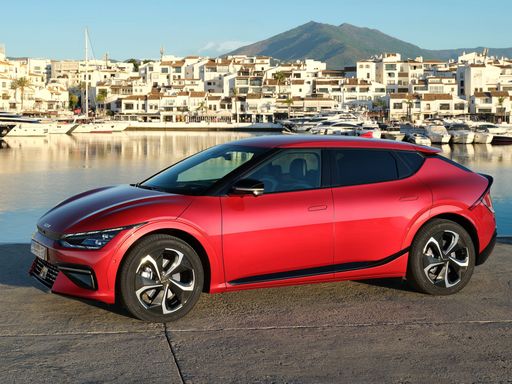
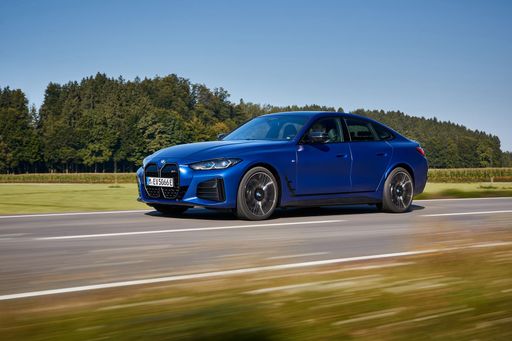
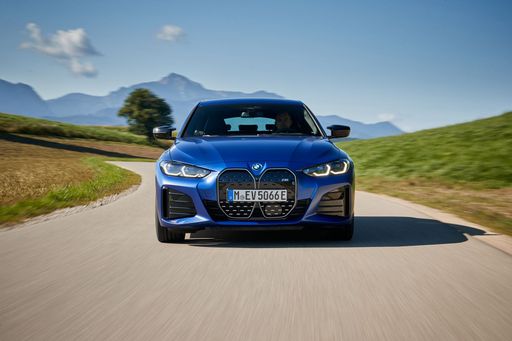
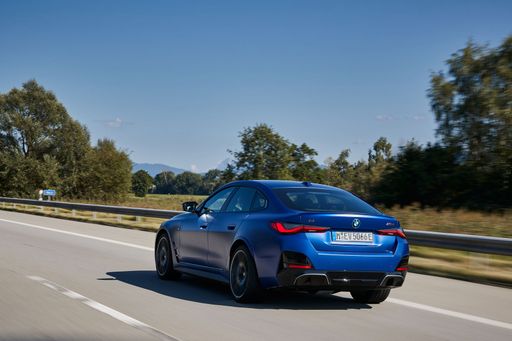
In terms of design, the BMW i4 and Kia EV6 present well-differentiated looks that cater to different tastes. The BMW i4, with its sleek hatchback design, radiates elegance and sophistication typical of BMW's design language. Its aerodynamic silhouette emphasizes the brand's commitment to performance without compromising luxury.

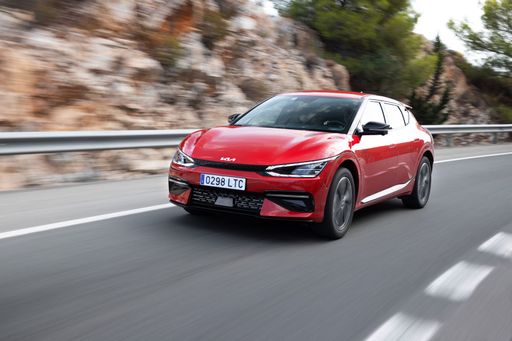
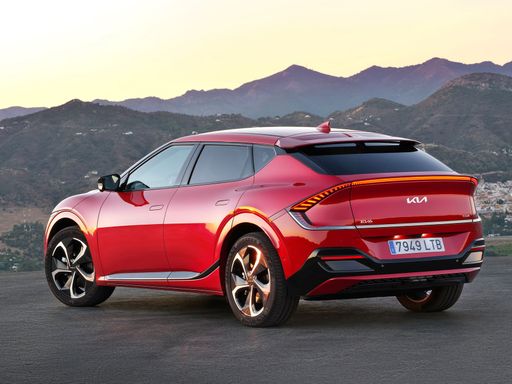
On the other hand, the Kia EV6 is an SUV with a modern and sporty exterior. Its bold lines, wide stance, and futuristic design elements make it a head-turner in urban environments. With slightly more width and a taller stance, the EV6 portrays a robust presence that appeals to SUV enthusiasts.

EV6

Performance and Specifications

Both the BMW i4 and Kia EV6 offer compelling options under the hood, or rather, under the chassis. The BMW i4 is available in multiple configurations, with power outputs ranging from 286 HP to an impressive 544 HP. The i4 maintains BMW's reputation for exhilarating acceleration, completing 0-100 km/h sprints in as little as 3.9 seconds, depending on the variant. Its electric range extends up to 582 km, powered by an 81.3 kWh battery, promising efficient yet thrilling rides.

Meanwhile, the Kia EV6 also shines in terms of performance. With power outputs ranging from 170 HP to a powerful 609 HP, it matches the i4 in offering a high-performance variant. The EV6 can achieve a 0-100 km/h time as quick as 3.5 seconds. The model offers an electric range up to 582 km as well, courtesy of its larger 84 kWh battery pack, aligning it closely with its German rival.

i4

Technological Innovation

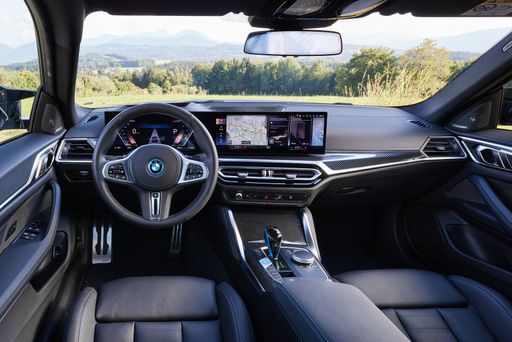
Both vehicles stand as a testament to the advancements in technology within the EV space. The BMW i4 is equipped with cutting-edge technology, including a state-of-the-art infotainment system integrated with top-tier connectivity features. The intuitive interface ensures that drivers remain informed and engaged without distractions.

The Kia EV6, meanwhile, is not to be outdone, boasting an advanced interface and comprehensive driver-assistance features. Kia has packed the EV6 with smart tech that not only enhances the driving experience but also ensures safety and convenience on different terrains, a true match for its SUV capabilities.

EV6

Comfort and Utility

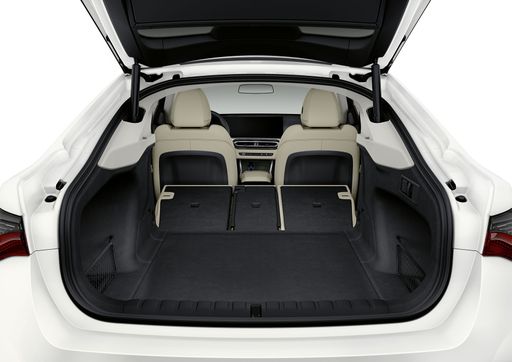
The interior of both cars is designed to maximize space and comfort for all passengers. The BMW i4 provides a trunk capacity of 470 liters, enough to handle daily commutes and weekend getaways. Despite being a hatchback, the i4’s design cleverly optimizes cabin space, ensuring luxurious comfort and premium materials throughout.

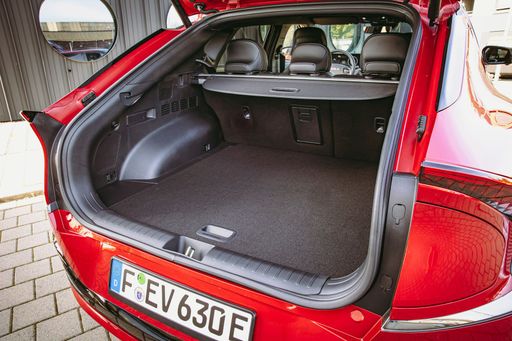
In terms of utility, the Kia EV6 offers slightly more trunk space at 490 liters, catering effectively to families and adventurers alike. Its SUV layout provides not only ample cargo room but also elevated seating, which can be advantageous for visibility and comfort on long journeys.

i4

Conclusion

Choosing between the BMW i4 and Kia EV6 ultimately depends on individual preferences and priorities. The BMW i4 appeals to those seeking a luxurious and sporty driving experience inherent to the BMW brand, focusing on performance and elegance. Meanwhile, the Kia EV6 offers an attractive package for individuals looking for innovation, space, and versatility in an SUV profile.

Both vehicles represent the pinnacle of engineering and design within the electric vehicle segment, promising to elevate any driving experience to new heights. Whether one favors the classic allure of BMW or the modern agility of Kia, both the i4 and EV6 signify the exciting direction in which the automotive world is headed.

Here’s where it gets real: The technical differences in detail

EV6

Costs and Efficiency:

Price and efficiency are key factors when choosing a car – and this is often where the real differences emerge.

Kia EV6 is markedly cheaper – starting at 38,600 £ , while the BMW i4 costs 49,400 £ . That’s a price difference of around 10,809 £.

In terms of energy consumption, the BMW i4 is only slightly more efficient: consuming 14.7 kWh/100km compared to 15.9 kWh/100km for the Kia EV6. That’s a difference of about 1.2 kWh/100km.

As for electric range, the BMW i4 offers marginally more range – reaching up to 613 km, about 31 km more than the Kia EV6.

i4

Engine and Performance:

Power, torque and acceleration say a lot about how a car feels on the road. This is where you see which model delivers more driving dynamics.

When it comes to engine power, the Kia EV6 offers marginally more power – delivering 609 HP compared to 601 HP. That’s roughly 8 HP more horsepower.

When accelerating from 0 to 100 km/h, the Kia EV6 is marginally quicker – completing the sprint in 3.5 s, while the BMW i4 takes 3.7 s. That’s about 0.2 s quicker.

There’s also a difference in torque: the BMW i4 delivers very slightly more torque with 795 Nm compared to 770 Nm. That’s about 25 Nm more.

EV6

Space and Everyday Use:

Cabin size, boot volume and payload all play a role in everyday practicality. Here, comfort and flexibility make the difference.

Both vehicles offer seating for 5 people.

In terms of curb weight, Kia EV6 is marginally lighter – 1,955 kg compared to 2,070 kg. The difference is around 115 kg.

Looking at boot space, the Kia EV6 offers only slightly more boot space – 490 L compared to 470 L. That’s a difference of about 20 L.

When it comes to payload, the BMW i4 carries only slightly more – 480 kg compared to 450 kg. That’s a difference of about 30 kg.

Who wins the race in the data check?

The Kia EV6 comes out modestly ahead in the objective data comparison.
This result only shows which model scores more points on paper – not which of the two cars feels right for you.

from £38,600
EV6

Kia EV6

  • Engine Type : Electric
  • Transmission : Automatic
  • Drive Type : Rear-Wheel Drive, All-Wheel Drive
  • Power HP : 170 - 609 HP
  • Consumption kWh/100km : 15.9 - 20.9 kWh/100km
  • Electric Range : 428 - 582 km
Kia EV6
BMW i4

Costs and Consumption

View detailed analysis

Engine and Performance

View detailed analysis

Dimensions and Body

View detailed analysis

Kia EV6

The Kia EV6 looks like it sprinted off a concept stage, its bold, futuristic lines wrapping a surprisingly spacious and grown-up cabin. On the road it delivers crisp, immediate thrust and composed handling, with enough everyday practicality and slick tech to make ditching petrol feel like an upgrade rather than a compromise.

details

BMW i4

The BMW i4 arrives with the poise of a classic Gran Coupé, marrying BMW's playful handling with a sleek, modern interior that makes switching to electric feel like an upgrade rather than a compromise. For buyers who want a practical daily driver that still enjoys a spirited back-road run, the i4 quietly delivers smiles and a surprising dose of driver engagement.

details
Kia EV6
BMW i4

Costs and Consumption

Price
38,600 - 60,000 £
Price
49,400 - 62,500 £
Consumption L/100km
-
Consumption L/100km
-
Consumption kWh/100km
15.9 - 20.9 kWh/100km
Consumption kWh/100km
14.7 - 16.7 kWh/100km
Electric Range
428 - 582 km
Electric Range
514 - 613 km
Battery Capacity
63 - 84 kWh
Battery Capacity
-
co2
0 g/km
co2
0 g/km
Fuel tank capacity
-
Fuel tank capacity
-

Dimensions and Body

Body Type
SUV
Body Type
Hatchback
Seats
5
Seats
5
Doors
5
Doors
-
Curb weight
1,955 - 2,220 kg
Curb weight
2,070 - 2,285 kg
Trunk capacity
480 - 490 L
Trunk capacity
470 L
Length
4,695 mm
Length
-
Width
1,880 - 1,890 mm
Width
1,852 mm
Height
1,550 mm
Height
-
Max trunk capacity
1,290 L
Max trunk capacity
-
Payload
440 - 450 kg
Payload
445 - 480 kg

Engine and Performance

Engine Type
Electric
Engine Type
Electric
Transmission
Automatic
Transmission
Automatic
Transmission Detail
Reduction Gearbox
Transmission Detail
Reduction Gearbox
Drive Type
Rear-Wheel Drive, All-Wheel Drive
Drive Type
Rear-Wheel Drive, All-Wheel Drive
Power HP
170 - 609 HP
Power HP
286 - 601 HP
Acceleration 0-100km/h
3.5 - 8.7 s
Acceleration 0-100km/h
3.7 - 6 s
Max Speed
185 - 188 km/h
Max Speed
-
Torque
350 - 770 Nm
Torque
400 - 795 Nm
Number of Cylinders
-
Number of Cylinders
-
Power kW
125 - 448 kW
Power kW
210 - 442 kW
Engine capacity
-
Engine capacity
-

General

Model Year
2,024 - 2,025
Model Year
2,024 - 2,025
CO2 Efficiency Class
A
CO2 Efficiency Class
A
Brand
Kia
Brand
BMW
DriveDuel uses data analysis and artificial intelligence to evaluate vehicle data and create content. Content is regularly reviewed and improved. The displayed prices are estimates based on German list prices, adjusted to the respective country’s VAT. Country-specific registration taxes are not included. This information is not legally binding.