VS

Kia Stonic vs Hyundai Bayon comparison

Compare performance (115 HP vs 90 HP), boot space and price (20,400 £ vs 20,100 £ ) at a glance. Find out which car is the better choice for you – Kia Stonic or Hyundai Bayon?

Kia Stonic vs Hyundai Bayon: Key differences

Kia Stonic

4.6 (2 Reviews)
rate
  • markedly more power
  • barely more efficient
  • moderately quicker 0–100 km/h
details

Hyundai Bayon

4.4 (2 Reviews)
rate
  • barely cheaper
  • very slightly lighter
  • somewhat more trunk space
details

All details on performance, efficiency, range and trunk space can be found in the technical comparison below – including user reviews for both models.

By Achim Sedelmaier

Stonic

City crossover face-off: Hyundai Bayon VS Kia Stonic

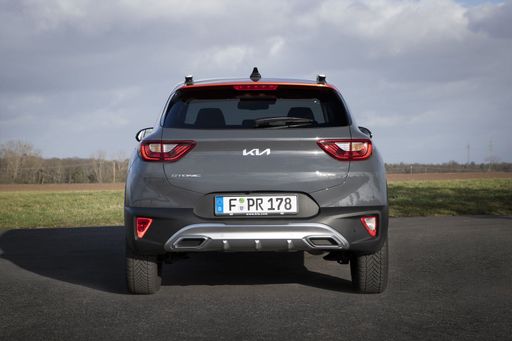
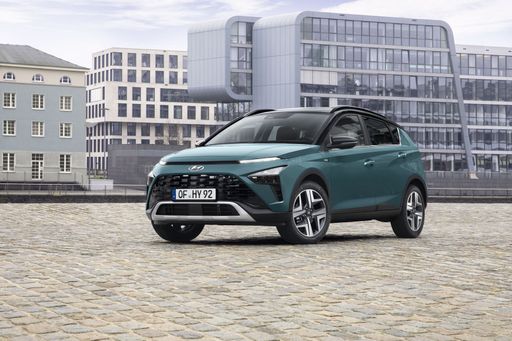
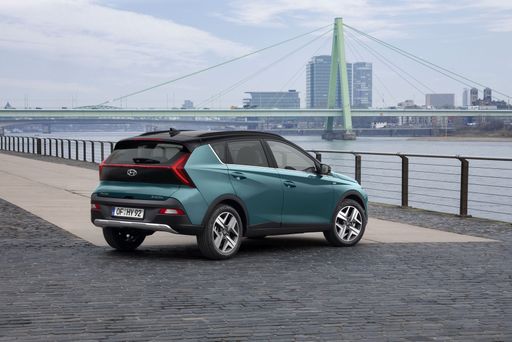
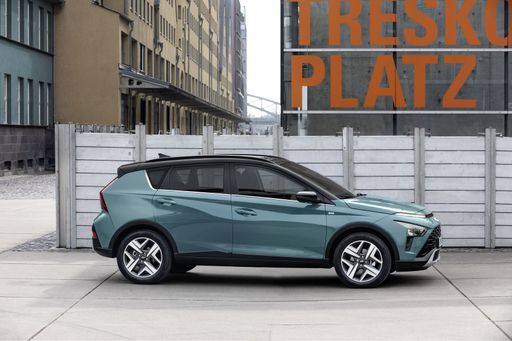
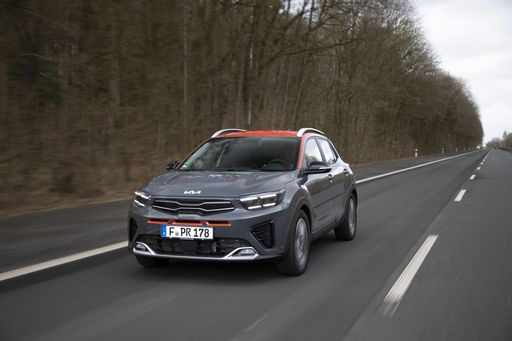
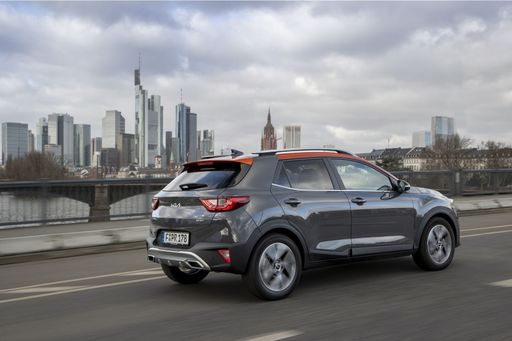
This is a straight-up comparison between the Hyundai Bayon and the Kia Stonic, two punchy small SUVs that live for tight streets and everyday practicality. Think compact footprint with SUV attitude — both cars aim to scratch the crossover itch without overstretching your budget. If you landed here you want to know how they differ in character, comfort and day-to-day use rather than raw specs. Read on and you’ll get a clear sense of which of the two suits your driveway, commute and sense of style.
Bayon

Two different attitudes under similar skin

The Hyundai Bayon reads as the quietly sensible member of the pair, polished and slightly more conservative in its presentation, while the Kia Stonic plays the bolder, sharper role with a touch more swagger. In the city the Bayon comes across as friendlier and more approachable, and the Stonic feels like it wants to be noticed — sharper steering, a chirpier personality. Neither is extreme: both balance comfort with agility, but their tuning pulls in different directions. That split in attitude is what turns a simple choice between two small SUVs into a character decision.

Stonic

Everyday reality: shopping runs, school runs and motorway miles

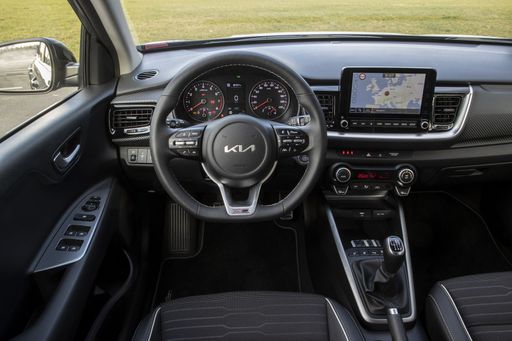
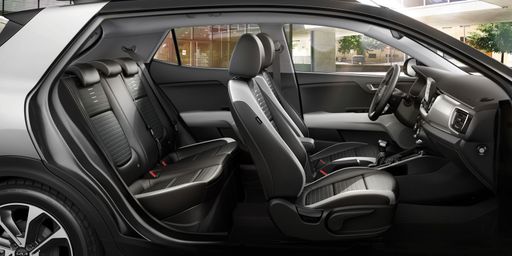
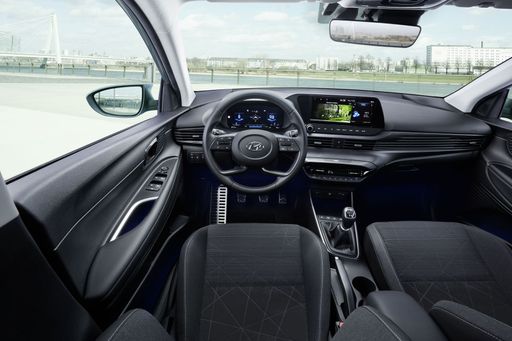
On a weekday routine the Hyundai Bayon tends to favour practicality — a confident, composed ride and a cabin that makes daily life feel straightforward — whereas the Kia Stonic injects a bit more energy into overtakes and fast country A-roads. Families and commuters who prioritise usable space and a calm cockpit will like the Bayon’s vibe, while drivers who want a peppier response for merging and passing may prefer the Stonic. Urban dwellers will find both easy to live with, but the trade-offs become clearer on longer trips where comfort versus involvement matters. Either way, luggage, visibility and rear-seat usability are all better judged in person than on paper.

Bayon

Buying with purpose: what each car lets you tell the world

Choose the Hyundai Bayon if you want a sensible, slightly understated compact SUV that says you value good packaging and low fuss; it’s the practical choice that doesn’t shout. Pick the Kia Stonic if you want a compact with a fresher design cue and a bit more on-road punch — it’s for buyers who enjoy a slightly sportier image without moving into full-on hot-hatch territory. Both cars can be justified on logic and on feeling, but one leans toward reassurance and the other toward expression. Your decision will reflect whether you prize quiet competence or a livelier personality.

Stonic

Who should pick the Hyundai Bayon?

If you’re a Pragmatist or someone chasing Comfort — daily commuting, family flexibility and a forgiving ride — the Hyundai Bayon will likely sit perfectly with your priorities. It’s for buyers who want sensible packaging, friendly ergonomics and a calm cabin rather than sporty thrills. The Bayon also suits the Rational shopper who wants predictable running costs and an easy-to-live-with toolbox. If that sounds like you, the Bayon is worth putting at the top of your test-drive list.

Bayon

Who should pick the Kia Stonic — and why the Bayon still matters

The Kia Stonic is aimed at Design/Brand and Status/Expression buyers who want a compact crossover that feels a touch more dynamic and modern when you slide behind the wheel. It will also appeal to Tech-minded drivers if you prize sharper handling and a slightly more engaging drive. That said, mention the Hyundai Bayon to any practical-minded passenger and you’ll be reminded why calm comfort matters on the daily grind. Scroll down into the detailed delta section to see the specific trade-offs in numbers and decide which set of compromises suits your life best.

Here’s where it gets real: The technical differences in detail

Stonic

Costs and Efficiency:

Looking at overall running costs, both models reveal some interesting differences in everyday economy.

Hyundai Bayon is barely cheaper – starting at 20,100 £ , while the Kia Stonic costs 20,400 £ . That’s a price difference of around 334 £.

Fuel consumption also shows a difference: the Kia Stonic uses 5.6 L/100km and is barely more efficient than the Hyundai Bayon with 5.8 L/100km. The difference is about 0.2 L/100km.

Bayon

Engine and Performance:

Under the bonnet, it becomes clear which model is tuned for sportiness and which one takes the lead when you hit the accelerator.

When it comes to engine power, the Kia Stonic offers markedly more power – delivering 115 HP compared to 90 HP. That’s roughly 25 HP more horsepower.

When accelerating from 0 to 100 km/h, the Kia Stonic is moderately quicker – completing the sprint in 10.7 s, while the Hyundai Bayon takes 11.9 s. That’s about 1.2 s quicker.

There’s also a difference in torque: the Kia Stonic delivers a bit more torque with 200 Nm compared to 172 Nm. That’s about 28 Nm more.

Stonic

Space and Everyday Use:

Beyond pure performance, interior space and usability matter most in daily life. This is where you see which car is more practical and versatile.

Both vehicles offer seating for 5 people.

In terms of curb weight, Hyundai Bayon is very slightly lighter – 1,175 kg compared to 1,205 kg. The difference is around 30 kg.

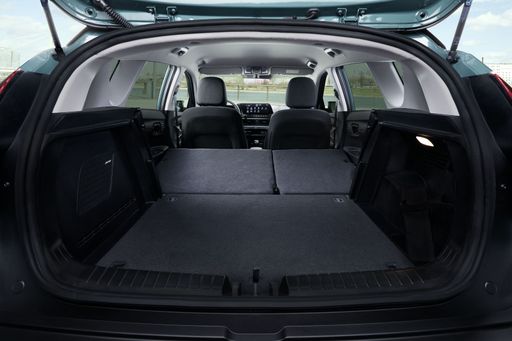
Looking at boot space, the Hyundai Bayon offers somewhat more boot space – 411 L compared to 352 L. That’s a difference of about 59 L.

When it comes to payload, the Hyundai Bayon carries marginally more – 460 kg compared to 445 kg. That’s a difference of about 15 kg.

Who wins the race in the data check?

The Kia Stonic comes out clearly ahead in the objective data comparison.
This result only shows which model scores more points on paper – not which of the two cars feels right for you.

from £20,400
Stonic

Kia Stonic

  • Engine Type : Petrol, Petrol MHEV
  • Transmission : Manuel, Automatic
  • Drive Type : Front-Wheel Drive
  • Power HP : 100 - 115 HP
  • Consumption L/100km : 5.6 - 5.7 L/100km
Kia Stonic
Hyundai Bayon

Costs and Consumption

View detailed analysis

Engine and Performance

View detailed analysis

Dimensions and Body

View detailed analysis

Kia Stonic

The Kia Stonic is a compact crossover that pairs nimble city manners with a surprisingly spacious and comfortable cabin. It’s a practical, well-equipped choice for buyers who value sensible features, approachable styling and easy everyday usability.

details

Hyundai Bayon

The Hyundai Bayon slips neatly between city runabout and small SUV, offering surprising practicality and a fresh, confident design that stands out in urban traffic. It's an easy buy for shoppers who want smart packaging, tidy handling and a dash of personality without fuss — a sensible little crossover that makes everyday driving a bit more enjoyable.

details
Kia Stonic
Hyundai Bayon

Costs and Consumption

Price
20,400 - 26,800 £
Price
20,100 - 25,800 £
Consumption L/100km
5.6 - 5.7 L/100km
Consumption L/100km
5.8 L/100km
Consumption kWh/100km
-
Consumption kWh/100km
-
Electric Range
-
Electric Range
-
Battery Capacity
-
Battery Capacity
-
co2
126 - 128 g/km
co2
130 - 132 g/km
Fuel tank capacity
-
Fuel tank capacity
-

Dimensions and Body

Body Type
SUV
Body Type
SUV
Seats
5
Seats
5
Doors
-
Doors
-
Curb weight
1,205 - 1,270 kg
Curb weight
1,175 - 1,200 kg
Trunk capacity
352 L
Trunk capacity
411 L
Length
-
Length
-
Width
1,760 mm
Width
1,775 mm
Height
-
Height
-
Max trunk capacity
-
Max trunk capacity
-
Payload
440 - 445 kg
Payload
450 - 460 kg

Engine and Performance

Engine Type
Petrol, Petrol MHEV
Engine Type
Petrol
Transmission
Manuel, Automatic
Transmission
Manuel, Automatic
Transmission Detail
Manual Gearbox, Dual-Clutch Automatic
Transmission Detail
Manual Gearbox, Dual-Clutch Automatic
Drive Type
Front-Wheel Drive
Drive Type
Front-Wheel Drive
Power HP
100 - 115 HP
Power HP
90 HP
Acceleration 0-100km/h
10.7 - 12.1 s
Acceleration 0-100km/h
11.9 - 13.3 s
Max Speed
-
Max Speed
-
Torque
172 - 200 Nm
Torque
172 Nm
Number of Cylinders
3
Number of Cylinders
3
Power kW
74 - 85 kW
Power kW
66 kW
Engine capacity
998 cm3
Engine capacity
998 cm3

General

Model Year
2025
Model Year
2025
CO2 Efficiency Class
D
CO2 Efficiency Class
D
Brand
Kia
Brand
Hyundai
DriveDuel uses data analysis and artificial intelligence to evaluate vehicle data and create content. Content is regularly reviewed and improved. The displayed prices are estimates based on German list prices, adjusted to the respective country’s VAT. Country-specific registration taxes are not included. This information is not legally binding.