VS

Kia Stonic vs Kia Picanto comparison

Compare performance (115 HP vs 68 HP), boot space and price (20,100 £ vs 15,300 £ ) at a glance. Find out which car is the better choice for you – Kia Stonic or Kia Picanto?

Kia Stonic vs Kia Picanto: Key differences

Kia Stonic

4.6 (2 Reviews)
rate
  • substantially more power
  • visibly quicker 0–100 km/h

Kia Picanto

4.7 (2 Reviews)
rate
  • markedly cheaper
  • barely more efficient
  • only slightly lighter

All details on performance, efficiency, range and trunk space can be found in the technical comparison below – including user reviews for both models.

Stonic

In the lively and competitive automotive landscape, the compact car segment has been gaining traction, particularly among urban dwellers and young professionals. With the 2024 models, Kia offers two compelling choices: the Picanto and the Stonic. Both vehicles exude Kia's distinctive design language, but they each offer unique features tailored to different lifestyle needs. Let's delve deeper into the specifics of each model in terms of technical aspects, innovations, and overall drive experience.

Picanto

Design and Body Type

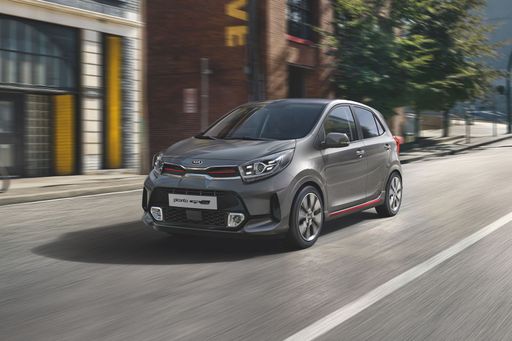
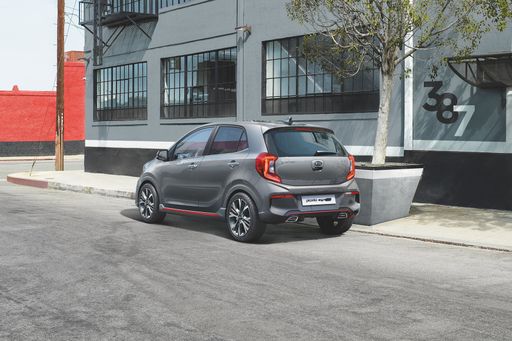
First and foremost, the Kia Picanto is a nimble hatchback, designed for city driving and tight parking situations. Measuring at 3605 mm in length, 1595 mm in width, and 1485 mm in height, it offers a compact footprint that's ideal for urban landscapes. The five-door configuration provides adequate accessibility for up to five occupants, albeit with a more cozy rear seating arrangement.

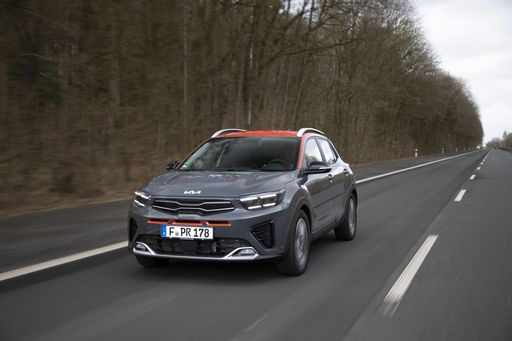
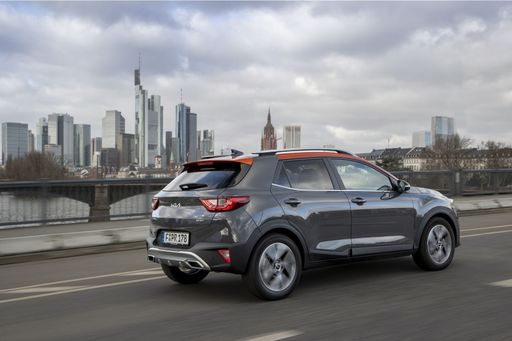
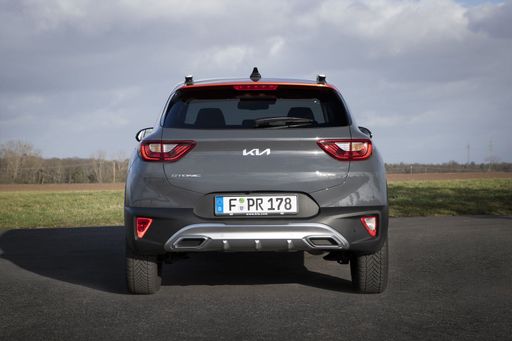
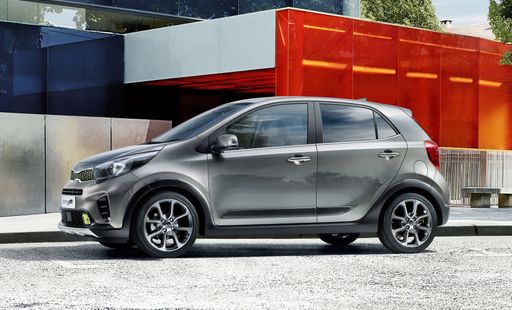
In contrast, the Kia Stonic stands as a versatile SUV, emphasizing a more spacious interior and a commanding road presence. With dimensions of 4140 mm in length, 1760 mm in width, and 1505 mm in height, the Stonic provides a more generous trunk capacity of 352 liters, compared to the Picanto's 255 liters. This makes it a better choice for adventurous families or individuals requiring extra storage for outdoor activities.

Stonic

Performance and Engine Options

Both vehicles feature a selection of petrol engine options, yet they differ significantly in power outputs and performance capabilities. The Picanto comes in two engine variants, with outputs of 63 HP and 79 HP. While these figures are commendable for a city car, its acceleration from 0-100 km/h ranges from 13.1 to 18.2 seconds, which is relatively modest.

On the other hand, the Stonic is powered by a more robust range that includes a 100 HP variant, making it the more dynamic of the two. Its acceleration from 0-100 km/h can be achieved in 11.3 seconds, showcasing significant agility for urban and highway driving. Additionally, the engine capacities on both model lines are comparable, with options of 998 cm3 and 1197 cm3.

Picanto

Fuel Efficiency

Both models boast impressive fuel efficiency, but the Picanto takes a slight lead in this area. Its consumption figures range from 5.2 to 5.7 L/100 km, while the Stonic hovers between 5.5 and 5.8 L/100 km. This efficient fuel use aligns well with the increasing emphasis on economical driving solutions, making the Picanto an excellent choice for those who prioritize savings at the pump.

Stonic

Comfort and Innovation

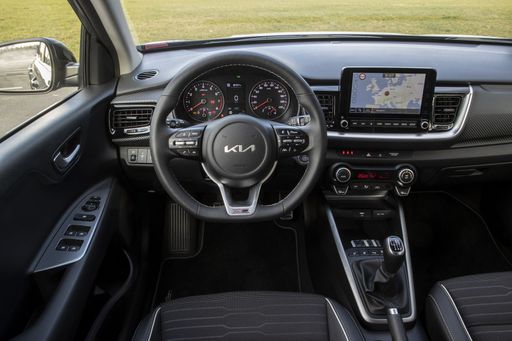
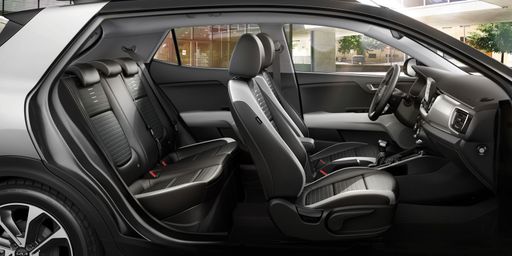
Regarding interior comfort and technological innovations, both the Picanto and Stonic are fitted with features that cater to the modern driver's needs. The Picanto offers a surprisingly spacious cabin for its size, packed with features like a user-friendly infotainment system and available safety enhancements. However, due to its compact design, rear passenger comfort might be slightly compromised during extended journeys.

Conversely, the Stonic is better designed for versatility, offering greater space for passengers and cargo alike. It benefits from an upscale interior that includes advanced infotainment options, driver assistance technologies, and a higher seating position for improved visibility. This model not just focuses on driving pleasure but also emphasizes safety, with multiple airbags and active safety features.

Picanto

Conclusion: Which One to Choose?

Choosing between the Kia Picanto and the Kia Stonic ultimately boils down to individual needs and preferences. The Picanto stands out as an economically savvy option for city commuters, offering agility and efficiency for urban navigation. Meanwhile, the Stonic appeals to those desiring a more spacious vehicle suited for families, recreation, and multifunctional use.

With their distinct characteristics, both vehicles underscore Kia's commitment to delivering quality and innovative solutions to modern driving challenges. Regardless of your choice, you're assured of a pleasurable driving experience that reflects the brand's commitment to excellence.

Here’s where it gets real: The technical differences in detail

Stonic

Costs and Efficiency:

When it comes to price and running costs, the biggest differences usually appear. This is often where you see which car fits your budget better in the long run.

Kia Picanto is markedly cheaper – starting at 15,300 £ , while the Kia Stonic costs 20,100 £ . That’s a price difference of around 4,834 £.

Fuel consumption also shows a difference: the Kia Picanto uses 5.5 L/100km and is barely more efficient than the Kia Stonic with 5.6 L/100km. The difference is about 0.1 L/100km.

Picanto

Engine and Performance:

Power, torque and acceleration are the classic benchmarks for car enthusiasts – and here, some clear differences start to show.

When it comes to engine power, the Kia Stonic offers substantially more power – delivering 115 HP compared to 68 HP. That’s roughly 47 HP more horsepower.

When accelerating from 0 to 100 km/h, the Kia Stonic is visibly quicker – completing the sprint in 10.7 s, while the Kia Picanto takes 14.6 s. That’s about 3.9 s quicker.

There’s also a difference in torque: the Kia Stonic delivers considerably more torque with 200 Nm compared to 96 Nm. That’s about 104 Nm more.

Stonic

Space and Everyday Use:

Beyond pure performance, interior space and usability matter most in daily life. This is where you see which car is more practical and versatile.

Both vehicles offer seating for 5 people.

In terms of curb weight, Kia Picanto is only slightly lighter – 1,124 kg compared to 1,205 kg. The difference is around 81 kg.

When it comes to payload, the Kia Stonic carries noticeably more – 445 kg compared to 332 kg. That’s a difference of about 113 kg.

Who wins the race in the data check?

The Kia Stonic holds a decisive overall lead in the objective data comparison.
This result only shows which model scores more points on paper – not which of the two cars feels right for you.

from £20,100
Stonic

Kia Stonic

  • Engine Type : Petrol, Petrol MHEV
  • Transmission : Manuel, Automatic
  • Drive Type : Front-Wheel Drive
  • Power HP : 100 - 115 HP
  • Consumption L/100km : 5.6 - 5.9 L/100km
Kia Stonic
Kia Picanto

Costs and Consumption

View detailed analysis

Engine and Performance

View detailed analysis

Dimensions and Body

View detailed analysis

Kia Stonic

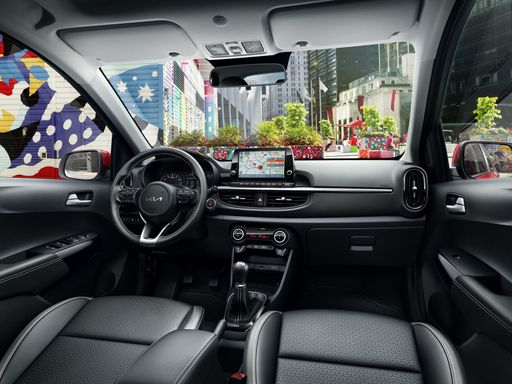
The Kia Stonic is a sprightly compact crossover that mixes city-friendly agility with a cheeky, modern design — perfect for buyers who want style without sacrificing sense. Inside it serves up clever practicality and a bright, well-equipped cabin, making everyday driving feel a bit more fun than it has any right to be.

details

Kia Picanto

Kia Picanto is a cheeky city hatch that squeezes surprising style, practicality and a smile-inducing drive into a pocket-friendly package. It’s ideal for urban buyers who want fuss-free running, effortless parking and a car that punches above its class without pretending to be anything it’s not.

details
Kia Stonic
Kia Picanto

Costs and Consumption

Price
20,100 - 26,600 £
Price
15,300 - 19,300 £
Consumption L/100km
5.6 - 5.9 L/100km
Consumption L/100km
5.5 - 5.9 L/100km
Consumption kWh/100km
-
Consumption kWh/100km
-
Electric Range
-
Electric Range
-
Battery Capacity
-
Battery Capacity
-
co2
127 - 133 g/km
co2
126 - 134 g/km
Fuel tank capacity
45 L
Fuel tank capacity
-

Dimensions and Body

Body Type
SUV
Body Type
Hatchback
Seats
5
Seats
4 - 5
Doors
5
Doors
-
Curb weight
1,205 - 1,270 kg
Curb weight
1,124 - 1,131 kg
Trunk capacity
352 L
Trunk capacity
-
Length
4,165 mm
Length
-
Width
1,760 mm
Width
1,595 mm
Height
1,520 mm
Height
-
Max trunk capacity
1,155 L
Max trunk capacity
-
Payload
440 - 445 kg
Payload
253 - 332 kg

Engine and Performance

Engine Type
Petrol, Petrol MHEV
Engine Type
Petrol
Transmission
Manuel, Automatic
Transmission
Manuel, Automatic
Transmission Detail
Manual Gearbox, Dual-Clutch Automatic
Transmission Detail
Manual Gearbox, Automated Manual
Drive Type
Front-Wheel Drive
Drive Type
Front-Wheel Drive
Power HP
100 - 115 HP
Power HP
68 HP
Acceleration 0-100km/h
10.7 - 12.1 s
Acceleration 0-100km/h
14.6 - 17.2 s
Max Speed
179 - 182 km/h
Max Speed
-
Torque
172 - 200 Nm
Torque
96 Nm
Number of Cylinders
3
Number of Cylinders
3
Power kW
74 - 85 kW
Power kW
50 kW
Engine capacity
998 cm3
Engine capacity
998 cm3

General

Model Year
2,025
Model Year
2,025
CO2 Efficiency Class
D
CO2 Efficiency Class
D
Brand
Kia
Brand
Kia
DriveDuel uses data analysis and artificial intelligence to evaluate vehicle data and create content. Content is regularly reviewed and improved. The displayed prices are estimates based on German list prices, adjusted to the respective country’s VAT. Country-specific registration taxes are not included. This information is not legally binding.