VS

Mazda CX-6e vs Kia EV5 comparison

Compare performance (258 HP vs 306 HP), boot space and price (42,800 £ vs 39,400 £ ) at a glance. Find out which car is the better choice for you – Mazda CX-6e or Kia EV5?

Mazda CX-6e vs Kia EV5: Key differences

Mazda CX-6e

details

Kia EV5

4.7 (1 Reviews)
rate
  • only slightly cheaper
  • moderately more power
  • moderately more efficient
  • barely more electric range
  • visibly quicker 0–100 km/h
  • very slightly lighter
details

All details on performance, efficiency, range and trunk space can be found in the technical comparison below – including user reviews for both models.

By Achim Sedelmaier

CX-6e

Quick take: Kia EV5 VS Mazda CX-6e

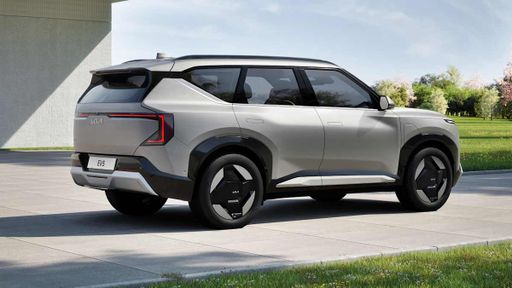
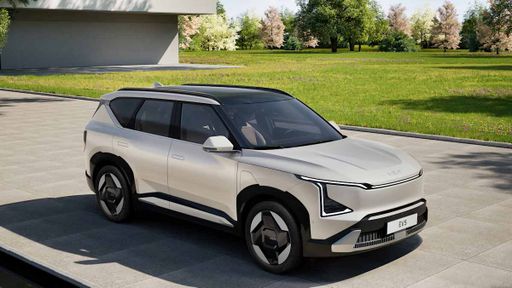
Kia EV5 VS Mazda CX-6e is the matchup between a roomy, comfort-first electric SUV and a more design‑forward, material‑rich alternative. The Kia EV5 leans into effortless space and relaxed cruising, while the Mazda CX‑6e bets on interior feel, tech presence and a neat balance between efficiency and poise. Choosing between them is less about features on paper and more about whether you prioritize usable space and family practicality or cabin quality and a focused driving demeanor. Below we unpack how those differences show up every day, from parking garages to long highway stints.
EV5

Character and driving feel

The Kia EV5 arrives as a gentle, comfort‑biased cruiser — soft suspension, light steering and a front‑drive composure that soothes more than excites. The Mazda CX‑6e steers with a bit more precision and a composed chassis, so it feels more engaged at speed without pretending to be a sports car. Where the EV5 rewards relaxed commuting and quiet motorway miles, the CX‑6e will please buyers who want a slightly sharper steering response and a cabin that feels tidier when you push on. Both are calm on the move, but the EV5 is tuned for float‑over comfort while the CX‑6e aims for purposeful refinement.

Comfort, long‑distance behavior and charging consequences

On extended trips the Kia EV5 feels like a longer‑legged companion: roomy rear seats and cushioned suspension make hours behind the wheel less tiring. The Mazda CX‑6e is competent on the motorway with good noise control and supportive seats, but its packaging gives a slightly less cavernous rear cabin compared to the EV5. Practically, the EV5’s quieter, comfort‑first setup pairs well with fewer driving interruptions, yet its charging architecture means you might stop more often or longer than with some rivals. The CX‑6e trades a touch of outright range ease for a more efficient, composed cruise and a charging speed profile that suits regular mixed‑distance use.

Practicality and everyday usability

Practicality is where the Kia EV5 really stretches ahead: more flexible luggage space, a near‑flat load floor when seats fold and family‑friendly storage make it an obvious choice for parents and weekend gear haulers. The Mazda CX‑6e brings useful tricks of its own — a generous frunk and respectable towing capability increase its real‑world utility — but its rear cargo volume is noticeably tighter. City life amplifies the contrast: the EV5’s easy ingress, sensible storage and relaxed driving position help in daily errands, while the CX‑6e’s wider body and display‑heavy cockpit demand a bit more attention in tight spaces. Both are practical, yet the EV5 is optimized for maximum day‑to‑day carrying ease and the CX‑6e for an ordered, high‑quality package with clever extras.

Cabin feel, controls and perceived quality

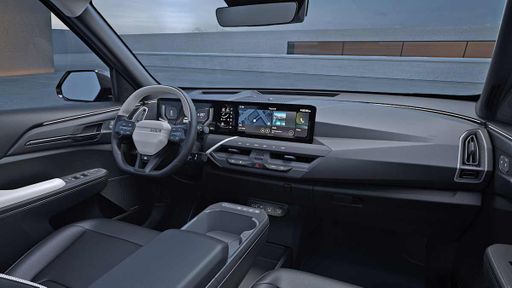
Step into the Mazda CX‑6e and the material quality and minimalist design make an immediate impression; the big 26‑inch display gives the dash a cinema‑style look but the gesture and touch reliance can be distracting until you learn it. The Kia EV5’s interior favours ergonomic clarity and useful tactile controls like reku paddles, though some plastics and a side climate display feel less premium. Each car’s control logic shapes daily annoyance points: the EV5 can chime and prompt more from its assistants and its capacitive quick‑buttons frustrate some users, while the CX‑6e risks over‑centralizing every function into a single screen. In short, Mazda sells a richer ambience and a bold tech statement, Kia sells straightforward usability and more conventional buttonry with a few odd ergonomics.

Buyer fit: who should pick which and why

If your priority is family space, cargo flexibility and a serene long‑distance cruiser, the Kia EV5 is the better fit — it makes packing, ferrying kids and daily routines easier and more relaxing. If you care more about cabin quality, a refined driving balance, and a strong tech‑forward image without needing the absolute biggest boot, the Mazda CX‑6e will feel more satisfying day to day. Buyers who do lots of fast highway charging or who want a slightly sharper steering feel will lean toward the CX‑6e; those who value warranty, interior room and gentle ride comfort will prefer the EV5. Read on to the technical comparison to see how these real‑world tendencies map back to power, range and charging detail.

Here’s where it gets real: The technical differences in detail

CX-6e

Costs and Efficiency:

When it comes to price and running costs, the biggest differences usually appear. This is often where you see which car fits your budget better in the long run.

Kia EV5 is only slightly cheaper – starting at 39,400 £ , while the Mazda CX-6e costs 42,800 £ . That’s a price difference of around 3,428 £.

In terms of energy consumption, the Kia EV5 is moderately more efficient: consuming 16.9 kWh/100km compared to 18.9 kWh/100km for the Mazda CX-6e. That’s a difference of about 2 kWh/100km.

As for electric range, the Kia EV5 offers barely more range – reaching up to 530 km, about 46 km more than the Mazda CX-6e.

EV5

Engine and Performance:

Power, torque and acceleration say a lot about how a car feels on the road. This is where you see which model delivers more driving dynamics.

When it comes to engine power, the Kia EV5 offers moderately more power – delivering 306 HP compared to 258 HP. That’s roughly 48 HP more horsepower.

When accelerating from 0 to 100 km/h, the Kia EV5 is visibly quicker – completing the sprint in 6.2 s, while the Mazda CX-6e takes 7.9 s. That’s about 1.7 s quicker.

There’s also a difference in torque: the Kia EV5 delivers clearly more torque with 480 Nm compared to 290 Nm. That’s about 190 Nm more.

Space and Everyday Use:

Beyond pure performance, interior space and usability matter most in daily life. This is where you see which car is more practical and versatile.

Both vehicles offer seating for 5 people.

In terms of curb weight, Kia EV5 is very slightly lighter – 2,069 kg compared to 2,205 kg. The difference is around 136 kg.

When it comes to payload, the Kia EV5 carries markedly more – 511 kg compared to 385 kg. That’s a difference of about 126 kg.

Who wins the race in the data check?

The Kia EV5 is clearly superior overall in the objective data comparison.
This result only shows which model scores more points on paper – not which of the two cars feels right for you.

from £39,400
EV5

Kia EV5

  • Engine Type Electric
  • Transmission Automatic
  • Drive Type Front-Wheel Drive, All-Wheel Drive
  • Power HP 218 - 306 HP
  • Consumption kWh/100km 16.9 - 18.6 kWh/100km
  • Electric Range 476 - 530 km
Mazda CX-6e
Kia EV5

Costs and Consumption

View detailed analysis

Engine and Performance

View detailed analysis

Dimensions and Body

View detailed analysis

Mazda CX-6e

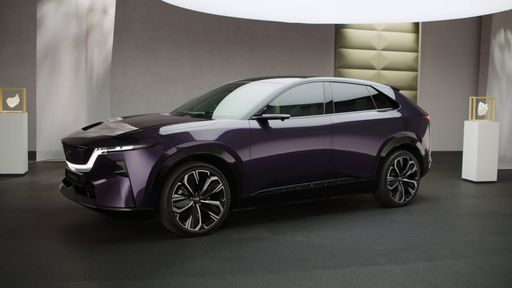
The Mazda CX-6e blends Mazda’s flowing coupe‑SUV silhouette with electric propulsion to deliver a surprisingly engaging and polished driving experience that feels more premium than its price suggests. Inside, the cabin is quietly refined and ergonomically smart, with modern tech and practical space that make it a stylish, sensible choice for drivers who want EV manners without the fanfare.

details

Kia EV5

Kia's EV5 is an exciting entry into the electric SUV market, showcasing the brand's commitment to sustainable mobility. With its modern design and advanced technology features, the EV5 promises to deliver a smooth and environmentally friendly driving experience. The interior offers a spacious and comfortable ride, making it an appealing choice for families and eco-conscious drivers alike.

details
Mazda CX-6e
Kia EV5

Costs and Consumption

Price
42,800 - 45,400 £
Price
39,400 - 51,400 £
Consumption L/100km
-
Consumption L/100km
-
Consumption kWh/100km
18.9 - 19.4 kWh/100km
Consumption kWh/100km
16.9 - 18.6 kWh/100km
Electric Range
468 - 484 km
Electric Range
476 - 530 km
Battery Capacity
-
Battery Capacity
-
co2
0 g/km
co2
0 g/km
Fuel tank capacity
-
Fuel tank capacity
-

Dimensions and Body

Body Type
SUV
Body Type
SUV
Seats
5
Seats
5
Doors
-
Doors
-
Curb weight
2,205 kg
Curb weight
2,069 - 2,205 kg
Trunk capacity
468 L
Trunk capacity
-
Length
-
Length
-
Width
1,935 mm
Width
1,875 mm
Height
-
Height
-
Max trunk capacity
-
Max trunk capacity
-
Payload
385 kg
Payload
465 - 511 kg

Engine and Performance

Engine Type
Electric
Engine Type
Electric
Transmission
Automatic
Transmission
Automatic
Transmission Detail
Reduction Gearbox
Transmission Detail
Reduction Gearbox
Drive Type
Rear-Wheel Drive
Drive Type
Front-Wheel Drive, All-Wheel Drive
Power HP
258 HP
Power HP
218 - 306 HP
Acceleration 0-100km/h
7.9 s
Acceleration 0-100km/h
6.2 - 8.4 s
Max Speed
-
Max Speed
-
Torque
290 Nm
Torque
295 - 480 Nm
Number of Cylinders
-
Number of Cylinders
-
Power kW
190 kW
Power kW
160 - 225 kW
Engine capacity
-
Engine capacity
-

General

Model Year
2026
Model Year
2,025 - 2,026
CO2 Efficiency Class
A
CO2 Efficiency Class
A
Brand
Mazda
Brand
Kia
DriveDuel uses data analysis and artificial intelligence to evaluate vehicle data and create content. Content is regularly reviewed and improved. The displayed prices are estimates based on German list prices, adjusted to the respective country’s VAT. Country-specific registration taxes are not included. This information is not legally binding.