VS

Mercedes EQB vs Audi Q4 e-tron comparison

Compare performance (292 HP vs 340 HP), boot space and price (45,900 £ vs 39,600 £ ) at a glance. Find out which car is the better choice for you – Mercedes EQB or Audi Q4 e-tron?

Mercedes EQB vs Audi Q4 e-tron: Key differences

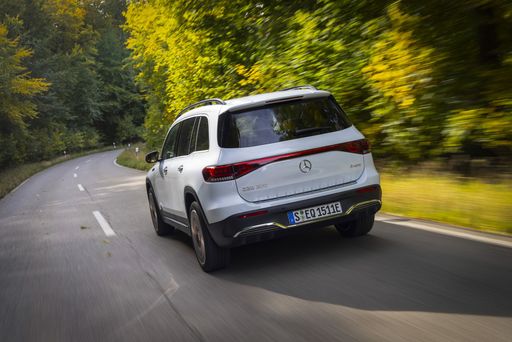
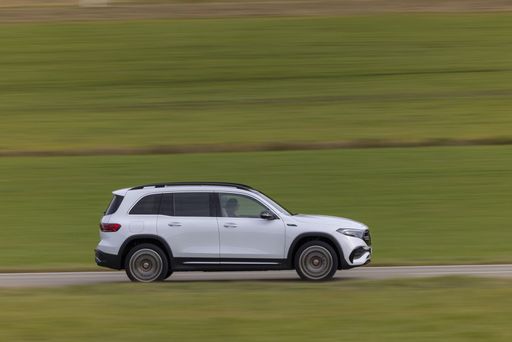
Mercedes EQB

4.3 (3 Reviews)
rate
  • marginally more efficient

Audi Q4 e-tron

4.9 (2 Reviews)
rate
  • somewhat cheaper
  • a bit more power
  • barely more electric range
  • slightly quicker 0–100 km/h
  • marginally lighter
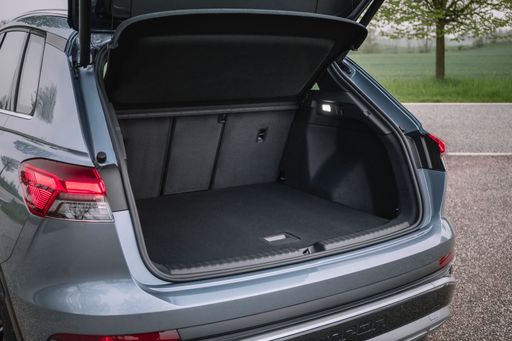
  • marginally more trunk space

All details on performance, efficiency, range and trunk space can be found in the technical comparison below – including user reviews for both models.

EQB

An In-Depth Comparison: Audi Q4 e-tron vs. Mercedes EQB

The electric vehicle market is brimming with innovation, and two of the hottest contenders are the Audi Q4 e-tron and the Mercedes EQB. Both models deliver an impressive blend of performance, style, and cutting-edge technology, but which one ultimately reigns supreme? Let’s dive into a detailed comparison of these two electric SUVs to uncover their technical specifications and unique features.
Q4 e-tron

Performance and Powertrain

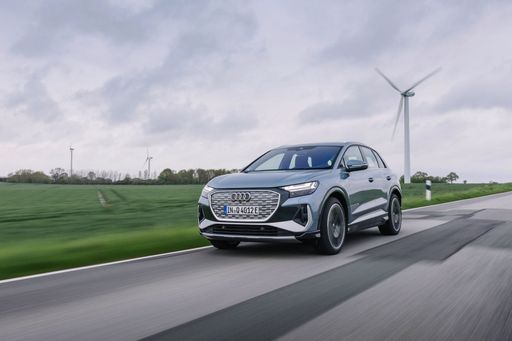
The Audi Q4 e-tron comes with a choice of power outputs ranging from 170 to 340 HP, making it slightly diverse in configurations. It offers two driving layouts: rear-wheel drive and all-wheel drive, catering to different preferences and driving styles. The car's acceleration is also noteworthy, with the quickest variant hitting 0-100 km/h in just 5.4 seconds.

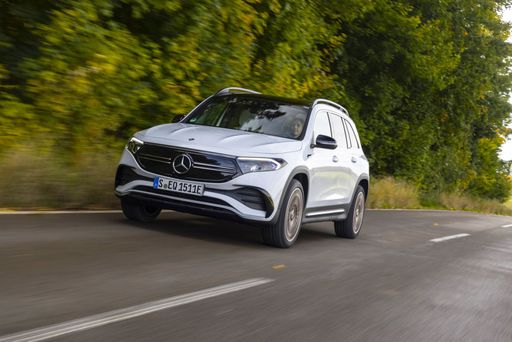
On the other hand, the Mercedes EQB offers power outputs from 190 to 292 HP, also providing both front-wheel drive and all-wheel drive options. Its standout performance includes a brisk 0-100 km/h time of just 6.2 seconds, highlighting its sporty demeanor.

EQB

Electric Range and Efficiency

When it comes to electric range, the Audi Q4 e-tron offers an impressive maximum range of up to 554 km, which is ideal for long-distance travel. Its energy consumption varies by configuration, with a standout efficiency of 15.9 kWh/100km for certain models.

In comparison, the Mercedes EQB showcases a maximum range of 533 km and impressive efficiency, with some variants consuming as little as 15.2 kWh/100km. Both models excel in CO2 efficiency, classified as “A”, making them not only powerful but eco-friendly as well.

Q4 e-tron

Battery Capacity and Charging

The Q4 e-tron is equipped with battery options of 52 kWh and 77 kWh, offering flexible choices for different driving needs. Its larger battery version results in a range that can exceed 500 km under optimal conditions.

Meanwhile, the EQB features a battery capacity of 66.5 kWh and 70.5 kWh. Both provide ample energy for everyday use, although they fall slightly behind the Q4 e-tron in terms of maximum capacity.

EQB

Interior and Cargo Space

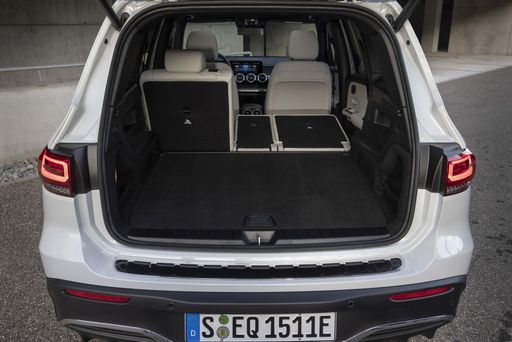
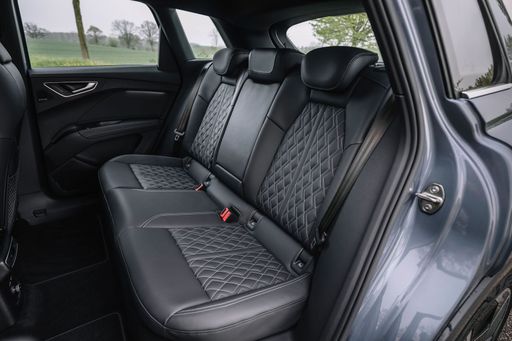
Stepping inside, both the Audi Q4 e-tron and the Mercedes EQB provide a premium feel with spacious interiors designed for comfort. The Q4 e-tron provides a trunk capacity of 520 liters, compared to the EQB's slightly smaller trunk size of 495 liters. Both models have seating for five, making them practical for small families or groups.

Q4 e-tron

Dimensions and Weight

Regarding dimensions, the Audi Q4 e-tron measures 4,588 mm in length and has a height of 1,632 mm, while the EQB is slightly longer at 4,684 mm and a bit taller at 1,689 mm. The Q4, being a bit lighter with curb weights ranging from 1,990 to 2,235 kg, can have a performance edge in terms of agility.

EQB

Technology and Innovations

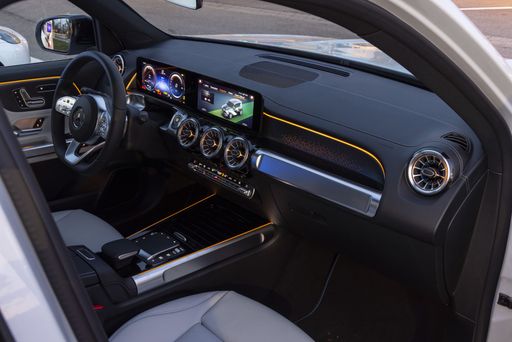
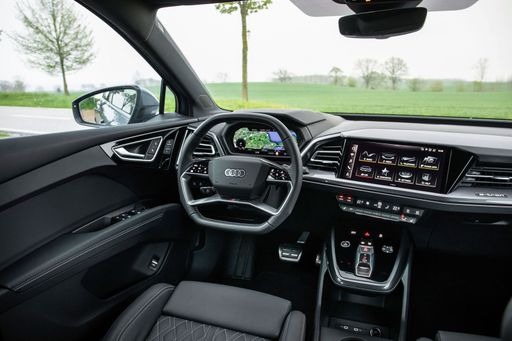
Both vehicles are equipped with state-of-the-art technology features. The Q4 e-tron includes a sleek virtual cockpit, providing drivers with customizable displays, along with various driver-assistance systems that enhance safety on the road. Innovation is at the forefront of Audi's design philosophy, and the Q4 e-tron reflects this with intuitive controls and an immersive infotainment system.

On the flip side, the Mercedes EQB shines with its MBUX infotainment system, which provides a user-friendly interface and smart voice command features. Driver assistance is incorporated with the latest technology, ensuring a safer driving experience.

Q4 e-tron

Conclusion: Which SUV Comes Out on Top?

In the contest of the Audi Q4 e-tron vs. Mercedes EQB, both vehicles excel in various aspects, making the choice largely subjective based on consumer priorities. The Q4 e-tron impresses with its longer range, powerful performance, and slightly larger cargo space. Meanwhile, the EQB holds its ground with a technologically advanced cabin and competitive powertrains.

Ultimately, the best choice depends on personal preferences, driving habits, and desired features. Whether leaning towards Audi's dynamic design or Mercedes-Benz's premium technology, both options stand as formidable players in the electric SUV market.

Here’s where it gets real: The technical differences in detail

EQB

Costs and Efficiency:

Price and efficiency are key factors when choosing a car – and this is often where the real differences emerge.

Audi Q4 e-tron is somewhat cheaper – starting at 39,600 £ , while the Mercedes EQB costs 45,900 £ . That’s a price difference of around 6,312 £.

In terms of energy consumption, the Mercedes EQB is marginally more efficient: consuming 15.2 kWh/100km compared to 15.9 kWh/100km for the Audi Q4 e-tron. That’s a difference of about 0.7 kWh/100km.

As for electric range, the Audi Q4 e-tron offers barely more range – reaching up to 554 km, about 19 km more than the Mercedes EQB.

Q4 e-tron

Engine and Performance:

Power, torque and acceleration say a lot about how a car feels on the road. This is where you see which model delivers more driving dynamics.

When it comes to engine power, the Audi Q4 e-tron offers a bit more power – delivering 340 HP compared to 292 HP. That’s roughly 48 HP more horsepower.

When accelerating from 0 to 100 km/h, the Audi Q4 e-tron is slightly quicker – completing the sprint in 5.4 s, while the Mercedes EQB takes 6.2 s. That’s about 0.8 s quicker.

Looking at top speed, the Audi Q4 e-tron is somewhat faster – reaching 180 km/h, while the Mercedes EQB tops out at 160 km/h. The difference is around 20 km/h.

There’s also a difference in torque: the Audi Q4 e-tron delivers noticeably more torque with 679 Nm compared to 520 Nm. That’s about 159 Nm more.

EQB

Space and Everyday Use:

Whether family car or daily driver – which one offers more room, flexibility and comfort?

Both vehicles offer seating for 5 people.

In terms of curb weight, Audi Q4 e-tron is marginally lighter – 2,035 kg compared to 2,105 kg. The difference is around 70 kg.

Looking at boot space, the Audi Q4 e-tron offers marginally more boot space – 535 L compared to 495 L. That’s a difference of about 40 L.

For maximum load capacity, the Mercedes EQB offers slightly more capacity – up to 1,710 L, about 220 L more than the Audi Q4 e-tron.

When it comes to payload, the Audi Q4 e-tron carries slightly more – 515 kg compared to 435 kg. That’s a difference of about 80 kg.

Who wins the race in the data check?

The Audi Q4 e-tron is far ahead overall in the objective data comparison.
This result only shows which model scores more points on paper – not which of the two cars feels right for you.

from £39,600
Q4 e-tron

Audi Q4 e-tron

  • Engine Type : Electric
  • Transmission : Automatic
  • Drive Type : Rear-Wheel Drive, All-Wheel Drive
  • Power HP : 204 - 340 HP
  • Consumption kWh/100km : 15.9 - 17.4 kWh/100km
  • Electric Range : 406 - 554 km
Mercedes EQB
Audi Q4 e-tron

Costs and Consumption

View detailed analysis

Engine and Performance

View detailed analysis

Dimensions and Body

View detailed analysis

Mercedes EQB

The Mercedes EQB is an electric compact SUV that dresses Mercedes' premium feel in practical clothing, with flexible seating and a serene, composed ride that turns everyday errands into a small luxury. It won't thrill the enthusiast, but for buyers who want a smart, spacious and well-made EV with tasteful tech and real-world usability, the EQB is a sensible, slightly buttoned-up choice that impresses without shouting.

details

Audi Q4 e-tron

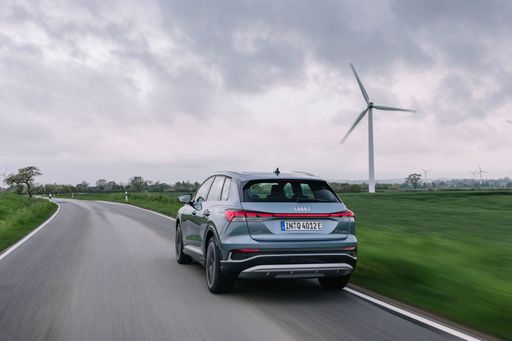
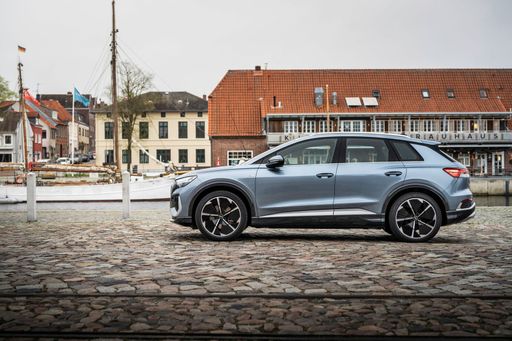
The Audi Q4 e-tron brings Audi polish into the electric crossover scene, pairing a sleek exterior with a refined, airy interior that makes everyday driving feel distinctly premium. It’s an easy-to-live-with EV that balances comfort and real-world usability with intuitive tech, making it a smart choice for buyers who want electric mobility without giving up Audi character — and yes, it still looks good in the driveway.

details
Mercedes EQB
Audi Q4 e-tron

Costs and Consumption

Price
45,900 - 58,900 £
Price
39,600 - 58,800 £
Consumption L/100km
-
Consumption L/100km
-
Consumption kWh/100km
15.2 - 17.2 kWh/100km
Consumption kWh/100km
15.9 - 17.4 kWh/100km
Electric Range
468 - 535 km
Electric Range
406 - 554 km
Battery Capacity
70.5 kWh
Battery Capacity
77 kWh
co2
0 g/km
co2
0 g/km
Fuel tank capacity
-
Fuel tank capacity
-

Dimensions and Body

Body Type
SUV
Body Type
SUV
Seats
5
Seats
5
Doors
5
Doors
5
Curb weight
2,105 - 2,170 kg
Curb weight
2,035 - 2,235 kg
Trunk capacity
495 L
Trunk capacity
520 - 535 L
Length
4,684 mm
Length
4,588 mm
Width
1,834 mm
Width
1,865 mm
Height
1,654 - 1,689 mm
Height
1,614 - 1,632 mm
Max trunk capacity
1,710 L
Max trunk capacity
1,460 - 1,490 L
Payload
435 kg
Payload
505 - 515 kg

Engine and Performance

Engine Type
Electric
Engine Type
Electric
Transmission
Automatic
Transmission
Automatic
Transmission Detail
Reduction Gearbox
Transmission Detail
Reduction Gearbox
Drive Type
Front-Wheel Drive, All-Wheel Drive
Drive Type
Rear-Wheel Drive, All-Wheel Drive
Power HP
190 - 292 HP
Power HP
204 - 340 HP
Acceleration 0-100km/h
6.2 - 8.9 s
Acceleration 0-100km/h
5.4 - 8.1 s
Max Speed
160 km/h
Max Speed
180 km/h
Torque
385 - 520 Nm
Torque
310 - 679 Nm
Number of Cylinders
-
Number of Cylinders
-
Power kW
140 - 215 kW
Power kW
150 - 250 kW
Engine capacity
-
Engine capacity
-

General

Model Year
2,024 - 2,025
Model Year
2,023 - 2,025
CO2 Efficiency Class
A
CO2 Efficiency Class
A
Brand
Mercedes-Benz
Brand
Audi
DriveDuel uses data analysis and artificial intelligence to evaluate vehicle data and create content. Content is regularly reviewed and improved. The displayed prices are estimates based on German list prices, adjusted to the respective country’s VAT. Country-specific registration taxes are not included. This information is not legally binding.