VS

Mercedes EQB vs Ford Focus comparison

Compare performance (292 HP vs 280 HP), boot space and price (45,900 £ vs 27,500 £ ) at a glance. Find out which car is the better choice for you – Mercedes EQB or Ford Focus?

Mercedes EQB vs Ford Focus: Key differences

Mercedes EQB

4.3 (3 Reviews)
rate
  • marginally more power
  • clearly more trunk space

Ford Focus

4.6 (1 Reviews)
rate
  • substantially cheaper
  • only slightly quicker 0–100 km/h
  • significantly lighter

All details on performance, efficiency, range and trunk space can be found in the technical comparison below – including user reviews for both models.

EQB

Revving Up: Ford Focus vs. Mercedes EQB - A Comparative Analysis

When the roads are calling and you're caught between two distinct automotive worlds, the decision often comes down to performance, comfort, and innovation. In this issue, we pit the Ford Focus against
the electric powerhouse, the Mercedes EQB. Buckle up as we delve into a detailed comparison to help you determine which vehicle suits your lifestyle and demands.
Focus

Body and Design: Hatchback vs. SUV

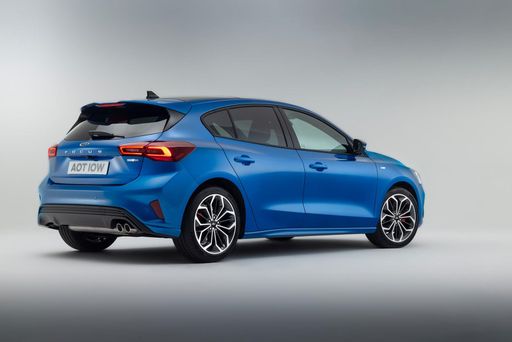
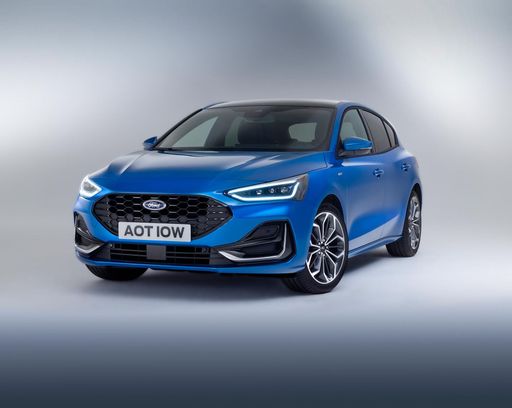
The Ford Focus, renowned for its agile handling and compact hatchback design, sports sleek dimensions, striking a balance between style and practicality. At 4,392mm in length and 1,825mm in width, its compact frame is perfect for city dwellers looking for dexterity and comfort.

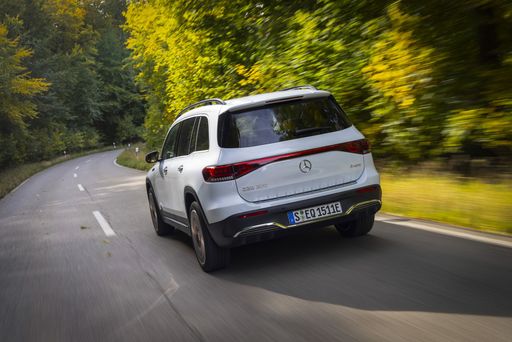
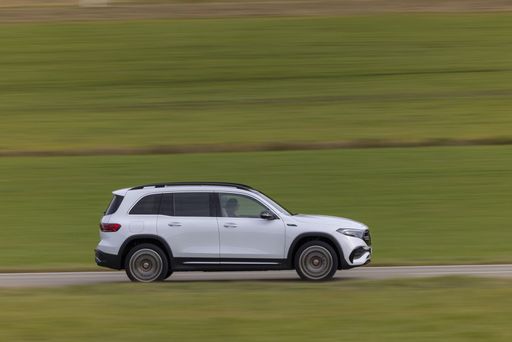
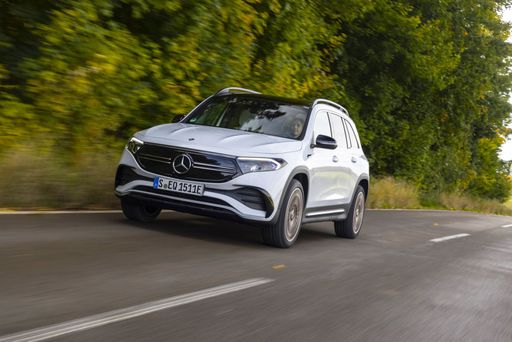
In contrast, the Mercedes EQB embraces the expanding trend of SUVs, offering a more robust and imposing presence. With dimensions measuring 4,684mm in length and 1,834mm in width, this vehicle is catered to families needing extra space without compromising on luxury.

EQB

Engine and Performance: Petrol Meets Electric

The power dynamics truly set these vehicles apart. The Ford Focus offers a variety of petrol MHEV and diesel engines with power outputs ranging from 115 to 280 HP, complemented by either manual or automatic transmissions. Whether it's the 5.7-second dash from 0-100 km/h or the 250 km/h maximum speed, the Focus is all about vibrancy and options.

The Mercedes EQB offers an alternative future with its electric heart, providing three distinct power levels up to 292 HP and an impressive torque of 520 Nm. Achieving the 0-100 km/h sprint in 6.2 seconds, it's a testament to both efficiency and performance. The electric range, extending up to 533 km, makes long drives both eco-friendly and feasible.

Focus

Efficiency and Sustainability

Fuel consumption on the Ford Focus varies with engine selection, from 4.9 L/100km to 8 L/100km, maintaining a competitive edge in the traditional combustion engine segment. However, CO2 emissions range from 117 to 183 g/km, impacting environmental scores.

The EQB champions sustainability with its electric drivetrain, boasting a CO2 emission rating of 0 g/km. With consumption figures from 15.2 to 17.3 kWh/100km, it's a leading choice for those prioritizing green mobility while aiming for A-class energy efficiency.

EQB

Interior and Space: Comfort in the Details

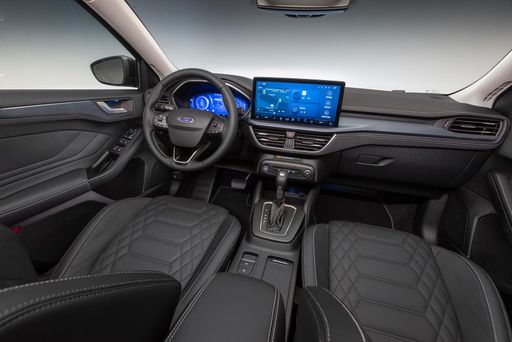
Inside, the Ford Focus offers a comfortable setup, with seating for five and a functional trunk capacity of 392 liters. Its design ethos centers on practicality, perfect for weekend getaways or commutes within urban sprawl.

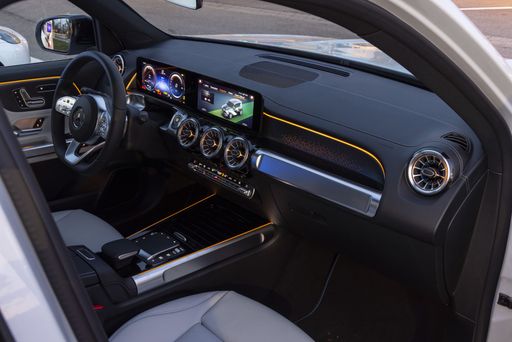
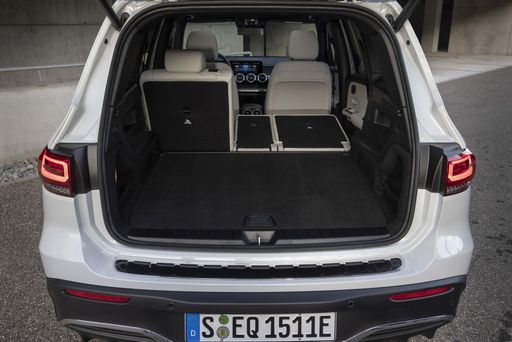
The EQB, holding its ground firmly in luxury, offers seating for five as well, but steps it up with a trunk capacity of 495 liters. The design exudes opulence with top-tier technology integration and quality materials that imbue a sense of tranquility and sophistication.

Focus

Conclusion: Engaging Choice Awaits

Whether steering towards the traditional power of the Ford Focus or embracing the futuristic vision with the Mercedes EQB, each vehicle showcases its unique strengths. The Focus stands out for versatility and driving pleasure, while the EQB redefines sustainability and luxury for an electric future. Your choice may ultimately boil down to lifestyle needs and values. In either case, both offer exhilarating experiences on four wheels.

Here’s where it gets real: The technical differences in detail

EQB

Costs and Efficiency:

Looking at overall running costs, both models reveal some interesting differences in everyday economy.

Ford Focus is substantially cheaper – starting at 27,500 £ , while the Mercedes EQB costs 45,900 £ . That’s a price difference of around 18,355 £.

Focus

Engine and Performance:

Power, torque and acceleration are the classic benchmarks for car enthusiasts – and here, some clear differences start to show.

When it comes to engine power, the Mercedes EQB offers marginally more power – delivering 292 HP compared to 280 HP. That’s roughly 12 HP more horsepower.

When accelerating from 0 to 100 km/h, the Ford Focus is only slightly quicker – completing the sprint in 5.7 s, while the Mercedes EQB takes 6.2 s. That’s about 0.5 s quicker.

Looking at top speed, the Ford Focus is clearly faster – reaching 250 km/h, while the Mercedes EQB tops out at 160 km/h. The difference is around 90 km/h.

There’s also a difference in torque: the Mercedes EQB delivers a bit more torque with 520 Nm compared to 420 Nm. That’s about 100 Nm more.

EQB

Space and Everyday Use:

Whether family car or daily driver – which one offers more room, flexibility and comfort?

Both vehicles offer seating for 5 people.

In terms of curb weight, Ford Focus is significantly lighter – 1,330 kg compared to 2,105 kg. The difference is around 775 kg.

Looking at boot space, the Mercedes EQB offers clearly more boot space – 495 L compared to 392 L. That’s a difference of about 103 L.

For maximum load capacity, the Mercedes EQB offers visibly more capacity – up to 1,710 L, about 356 L more than the Ford Focus.

When it comes to payload, the Ford Focus carries visibly more – 560 kg compared to 435 kg. That’s a difference of about 125 kg.

Who wins the race in the data check?

The Ford Focus has the upper hand in the objective data comparison.
This result only shows which model scores more points on paper – not which of the two cars feels right for you.

from £27,500
Focus

Ford Focus

  • Engine Type : Petrol MHEV, Diesel, Petrol
  • Transmission : Manuel, Automatic
  • Drive Type : Front-Wheel Drive
  • Power HP : 115 - 280 HP
  • Consumption L/100km : 4.9 - 8 L/100km
Mercedes EQB
Ford Focus

Costs and Consumption

View detailed analysis

Engine and Performance

View detailed analysis

Dimensions and Body

View detailed analysis

Mercedes EQB

The Mercedes EQB is an electric compact SUV that dresses Mercedes' premium feel in practical clothing, with flexible seating and a serene, composed ride that turns everyday errands into a small luxury. It won't thrill the enthusiast, but for buyers who want a smart, spacious and well-made EV with tasteful tech and real-world usability, the EQB is a sensible, slightly buttoned-up choice that impresses without shouting.

details

Ford Focus

The Ford Focus remains a clever all‑rounder that balances sharp handling with everyday comfort, making it a strong choice whether your commute is city streets or country lanes. Its practical cabin and sensible running costs mean you’ll spend more time enjoying the drive and less time worrying about ownership, with a playful streak underfoot that keeps things interesting.

details
Mercedes EQB
Ford Focus

Costs and Consumption

Price
45,900 - 58,900 £
Price
27,500 - 42,700 £
Consumption L/100km
-
Consumption L/100km
4.9 - 8 L/100km
Consumption kWh/100km
15.2 - 17.2 kWh/100km
Consumption kWh/100km
-
Electric Range
468 - 535 km
Electric Range
-
Battery Capacity
70.5 kWh
Battery Capacity
-
co2
0 g/km
co2
117 - 183 g/km
Fuel tank capacity
-
Fuel tank capacity
52 L

Dimensions and Body

Body Type
SUV
Body Type
Hatchback
Seats
5
Seats
5
Doors
5
Doors
5
Curb weight
2,105 - 2,170 kg
Curb weight
1,330 - 1,529 kg
Trunk capacity
495 L
Trunk capacity
392 L
Length
4,684 mm
Length
4,382 - 4,397 mm
Width
1,834 mm
Width
1,825 - 1,844 mm
Height
1,654 - 1,689 mm
Height
1,438 - 1,482 mm
Max trunk capacity
1,710 L
Max trunk capacity
1,354 L
Payload
435 kg
Payload
495 - 560 kg

Engine and Performance

Engine Type
Electric
Engine Type
Petrol MHEV, Diesel, Petrol
Transmission
Automatic
Transmission
Manuel, Automatic
Transmission Detail
Reduction Gearbox
Transmission Detail
Manual Gearbox, Dual-Clutch Automatic, Automatic Gearbox
Drive Type
Front-Wheel Drive, All-Wheel Drive
Drive Type
Front-Wheel Drive
Power HP
190 - 292 HP
Power HP
115 - 280 HP
Acceleration 0-100km/h
6.2 - 8.9 s
Acceleration 0-100km/h
5.7 - 11.8 s
Max Speed
160 km/h
Max Speed
186 - 250 km/h
Torque
385 - 520 Nm
Torque
170 - 420 Nm
Number of Cylinders
-
Number of Cylinders
3 - 4
Power kW
140 - 215 kW
Power kW
85 - 206 kW
Engine capacity
-
Engine capacity
999 - 2,261 cm3

General

Model Year
2,024 - 2,025
Model Year
2,022 - 2,024
CO2 Efficiency Class
A
CO2 Efficiency Class
D, G
Brand
Mercedes-Benz
Brand
Ford
DriveDuel uses data analysis and artificial intelligence to evaluate vehicle data and create content. Content is regularly reviewed and improved. The displayed prices are estimates based on German list prices, adjusted to the respective country’s VAT. Country-specific registration taxes are not included. This information is not legally binding.