
 Deutschland
 France
 Nederland
 Great Britain
 Sverige
 Danmark
 Suomi
Suomi Italia
 Polska
 España
VS
Mercedes Vito Bus vs Tesla Model Y comparison
Compare performance (237 HP vs 460 HP), boot space and price (36,300 £ vs 34,300 £ ) at a glance. Find out which car is the better choice for you – Mercedes Vito Bus or Tesla Model Y?
Vito Bus
Costs and Efficiency:
Price and efficiency are key factors when choosing a car – and this is often where the real differences emerge.
Tesla Model Y is only slightly cheaper – starting at 34,300 £ , while the Mercedes Vito Bus costs 36,300 £ . That’s a price difference of around 2,053 £.
In terms of energy consumption, the Tesla Model Y is significantly more efficient: consuming 12.7 kWh/100km compared to 26.7 kWh/100km for the Mercedes Vito Bus. That’s a difference of about 14 kWh/100km.
As for electric range, the Tesla Model Y offers substantially more range – reaching up to 657 km, about 287 km more than the Mercedes Vito Bus.
Model Y
Engine and Performance:
Power, torque and acceleration say a lot about how a car feels on the road. This is where you see which model delivers more driving dynamics.
When it comes to engine power, the Tesla Model Y offers considerably more power – delivering 460 HP compared to 237 HP. That’s roughly 223 HP more horsepower.
Looking at top speed, the Tesla Model Y is visibly faster – reaching 201 km/h, while the Mercedes Vito Bus tops out at 140 km/h. The difference is around 61 km/h.
There’s also a difference in torque: the Tesla Model Y delivers markedly more torque with 660 Nm compared to 500 Nm. That’s about 160 Nm more.
Space and Everyday Use:
Whether family car or daily driver – which one offers more room, flexibility and comfort?
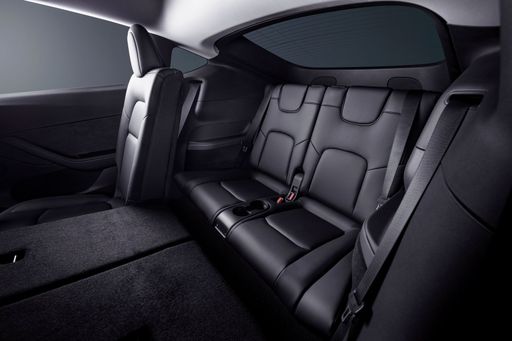
Seats: Mercedes Vito Bus offers more seats – 8 vs 7.
In terms of curb weight, Tesla Model Y is very slightly lighter – 1,953 kg compared to 2,023 kg. The difference is around 70 kg.
Looking at boot space, the Mercedes Vito Bus offers substantially more boot space – 1,390 L compared to 822 L. That’s a difference of about 568 L.
For maximum load capacity, the Mercedes Vito Bus offers clearly more capacity – up to 4,990 L, about 2,852 L more than the Tesla Model Y.
When it comes to payload, the Mercedes Vito Bus carries clearly more – 1,077 kg compared to 472 kg. That’s a difference of about 605 kg.
Who wins the race in the data check?
The Tesla Model Y is decisively ahead in the objective data comparison.
This result only shows which model scores more points on paper – not which of the two cars feels right for you.
from £34,300
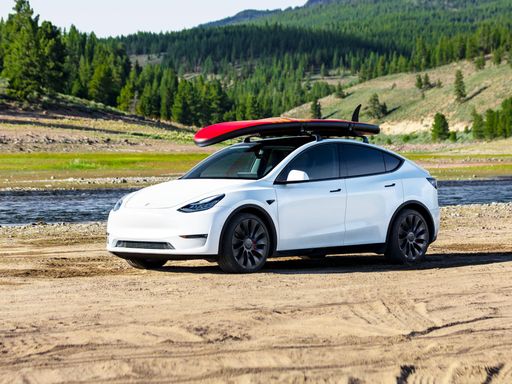
Tesla Model Y
Mercedes Vito Bus
Tesla Model Y
Costs and Consumption
View detailed analysis
View detailed analysis
Engine and Performance
View detailed analysis
View detailed analysis
Dimensions and Body
View detailed analysis
View detailed analysis
Mercedes Vito Bus
The Mercedes Vito is a sturdy, no-nonsense people carrier that blends commercial practicality with a surprisingly civilised cabin, making long shuttles feel less like a chore. If you need a dependable transporter that swallows luggage, forgives hard use and still looks a touch more premium than a plain van, the Vito is an easy, sensible pick.
details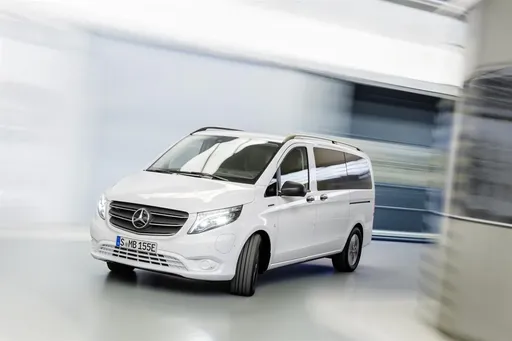
Tesla Model Y
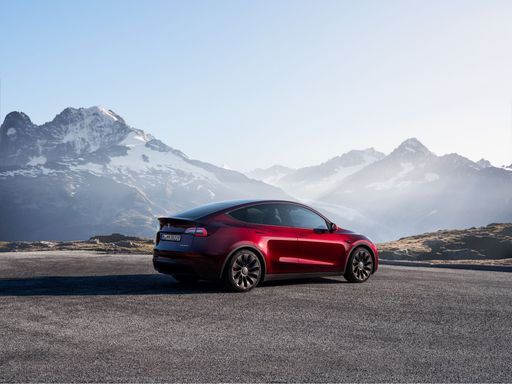
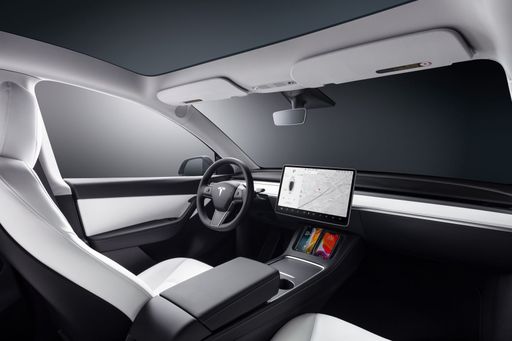
The Tesla Model Y blends SUV practicality with sports-car poke, wrapping a roomy, minimalist cabin and handy hatch into a slick, aerodynamic package that feels more Silicon Valley gadget than garage ornament. It’s an ideal pick for buyers who want effortless electric driving, regular software improvements and access to Tesla’s convenient charging network, though style-conscious shoppers should know it’s more about tech and efficiency than classic luxury.
details
Mercedes Vito Bus
Tesla Model Y
Costs and Consumption |
|
|---|---|
|
Price
36,300 - 55,900 £
|
Price
34,300 - 53,100 £
|
|
Consumption L/100km
6.7 - 10 L/100km
|
Consumption L/100km
-
|
|
Consumption kWh/100km
26.7 - 26.9 kWh/100km
|
Consumption kWh/100km
12.7 - 16.2 kWh/100km
|
|
Electric Range
248 - 370 km
|
Electric Range
534 - 657 km
|
|
Battery Capacity
60 - 90 kWh
|
Battery Capacity
64.5 - 83 kWh
|
|
co2
0 - 228 g/km
|
co2
0 g/km
|
|
Fuel tank capacity
57 - 70 L
|
Fuel tank capacity
-
|
Dimensions and Body |
|
|---|---|
|
Body Type
Bus
|
Body Type
SUV
|
|
Seats
8
|
Seats
5 - 7
|
|
Doors
4
|
Doors
5
|
|
Curb weight
2,023 - 2,739 kg
|
Curb weight
1,953 - 2,108 kg
|
|
Trunk capacity
580 - 1,390 L
|
Trunk capacity
822 L
|
|
Length
4,895 - 5,370 mm
|
Length
4,790 - 4,797 mm
|
|
Width
1,928 mm
|
Width
1,920 - 1,921 mm
|
|
Height
1,890 mm
|
Height
1,621 - 1,624 mm
|
|
Max trunk capacity
4,190 - 4,990 L
|
Max trunk capacity
2,118 - 2,138 L
|
|
Payload
726 - 1,077 kg
|
Payload
435 - 472 kg
|
Engine and Performance |
|
|---|---|
|
Engine Type
Diesel, Electric, Petrol
|
Engine Type
Electric
|
|
Transmission
Automatic
|
Transmission
Automatic
|
|
Transmission Detail
Automatic Gearbox, Reduction Gearbox
|
Transmission Detail
Reduction Gearbox
|
|
Drive Type
Rear-Wheel Drive, All-Wheel Drive, Front-Wheel Drive
|
Drive Type
All-Wheel Drive, Rear-Wheel Drive
|
|
Power HP
136 - 237 HP
|
Power HP
299 - 460 HP
|
|
Acceleration 0-100km/h
-
|
Acceleration 0-100km/h
3.5 - 7.2 s
|
|
Max Speed
140 km/h
|
Max Speed
201 km/h
|
|
Torque
330 - 500 Nm
|
Torque
420 - 660 Nm
|
|
Number of Cylinders
4
|
Number of Cylinders
-
|
|
Power kW
100 - 174 kW
|
Power kW
220 - 338 kW
|
|
Engine capacity
1,950 - 1,999 cm3
|
Engine capacity
-
|
General |
|
|---|---|
|
Model Year
2,024
|
Model Year
2,025 - 2,026
|
|
CO2 Efficiency Class
G, A
|
CO2 Efficiency Class
A
|
|
Brand
Mercedes-Benz
|
Brand
Tesla
|
DriveDuel uses data analysis and artificial intelligence to evaluate vehicle data and create content. Content is regularly reviewed and improved.
The displayed prices are estimates based on German list prices, adjusted to the respective country’s VAT. Country-specific registration taxes are not included. This information is not legally binding.