VS

BMW iX3 vs Tesla Model Y comparison

Compare performance (469 HP vs 460 HP), boot space and price (54,300 £ vs 34,300 £ ) at a glance. Find out which car is the better choice for you – BMW iX3 or Tesla Model Y?

BMW iX3 vs Tesla Model Y: Key differences

BMW iX3

4.6 (4 Reviews)
rate
  • barely more power
  • markedly more electric range
details

Tesla Model Y

4.5 (6 Reviews)
rate
  • clearly cheaper
  • slightly more efficient
  • significantly quicker 0–100 km/h
  • somewhat lighter
details

All details on performance, efficiency, range and trunk space can be found in the technical comparison below – including user reviews for both models.

By Achim Sedelmaier

iX3

BMW iX3 vs Tesla Model Y: choosing between polish and pragmatism

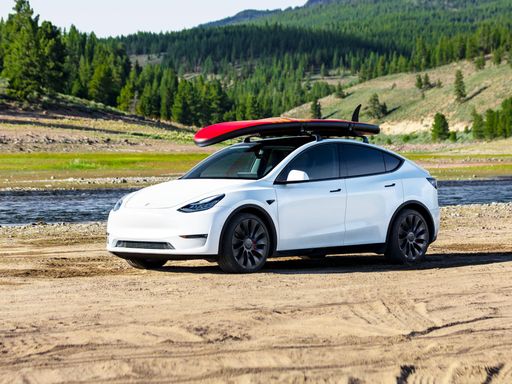
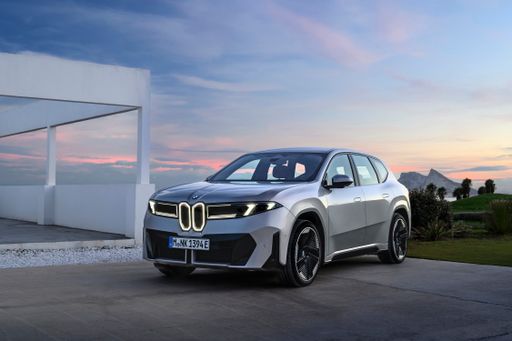
The BMW iX3 and Tesla Model Y aim at the same electric‑SUV sweet spot but go about it very differently. In this BMW iX3 VS Tesla Model Y matchup, one leans into premium refinement and driver involvement, the other into software smarts and space efficiency. The BMW feels like a classic premium SUV reimagined for EVs, with a calmer cabin and a more cultivated driving style. The Tesla prioritizes range efficiency, an easy charging ecosystem, and a cavernous interior. Your choice comes down to whether you value a quieter, more tactile experience or maximum everyday utility with tech‑first convenience.
Model Y

Driving character: poised BMW vs punchy Tesla

The Tesla Model Y delivers instant shove and a straight‑line urgency that’s always ready to pounce, making it feel effortlessly quick in daily gaps and motorway merges. The BMW iX3 counters with a more balanced, rear‑biased feel that invites you to guide it through bends rather than simply ride the torque; its steering is cleaner and body control tidier. On a broken road the BMW’s composure stands out, especially on sensible wheel choices, whereas the Tesla’s set‑up can still relay sharp edges. If you want speed with minimal drama, Tesla serves it up; if you enjoy a more nuanced, confidence‑building drive, the BMW iX3 feels more satisfying.

iX3

Refinement and long‑distance ease

At a cruise, the BMW iX3 is notably hushed, with wind and road noise fading into the background and an assistance suite that reduces the workload without drawing attention to itself. Its hands‑off‑style motorway helper, gaze‑confirmed lane changes, and calm lane‑keeping make long stints feel shorter. The Tesla Model Y has become quieter than early versions and shines with stress‑free trip planning thanks to integrated charging routes and effortless access to its fast‑growing network. It rides firmer, though, and its driver aids can feel less consistent in their reactions. For all‑day serenity and polished assistance, pick the BMW; for plug‑and‑go simplicity on unfamiliar routes, the Tesla makes life easy.

Model Y

Cabin tech and controls: immersive BMW, minimalist Tesla

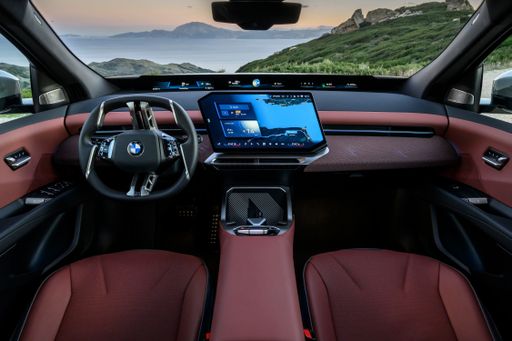
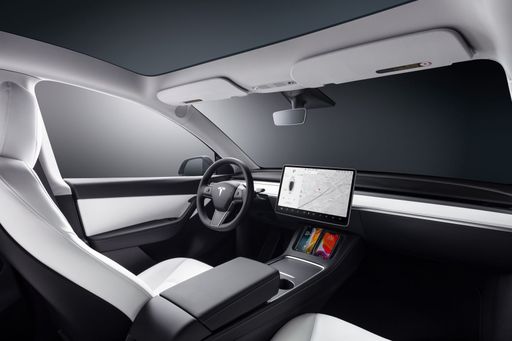
The BMW iX3’s Panoramic iDrive projects key info into your sightline and pairs it with a crisp central screen and a markedly improved voice assistant. It looks and feels premium, but climate and some everyday tweaks live mainly in the screen, which won’t please button traditionalists. The Tesla Model Y doubles down on minimalism: one fast, clean interface runs almost everything, backed by frequent over‑the‑air updates and an excellent app. The flip side is heavy reliance on the touchscreen for basics like wipers and drive selection, plus no Apple CarPlay or Android Auto. If you want a richer visual cockpit with strong voice control, the BMW suits; if you prefer a slick, app‑centric ecosystem and can live with the purist UI, the Tesla fits.

iX3

Space, practicality and city manners

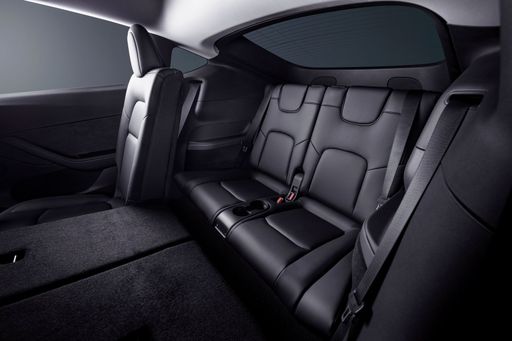
The Model Y majors on packaging: a vast, square boot, useful under‑floor storage, a front trunk, and easy access make family life straightforward, and an optional third row broadens its brief. Urban chores are less friendly, with a large turning circle and limited rearward view that keep you leaning on cameras. The BMW iX3 gives rear passengers generous legroom and a comfortable seating position with a flat floor, plus a neatly finished cabin that feels more substantial. Its cargo bay is big and well shaped with a handy front compartment, but the load floor isn’t perfectly flat and you can’t drop the backrests from the boot. For pure carry‑everything flexibility the Tesla wins the trolley‑dash; for nicer materials and a calmer rear seat, the BMW has the edge.

Model Y

Ownership feel and buyer fit

The Tesla Model Y typically undercuts the BMW on purchase price and sips energy conservatively, which helps total running costs, and its software cadence keeps the car feeling fresh. It’s the pragmatic pick if you prize space, speed, and a cast‑iron charging plan over tactile finesse. The BMW iX3 feels the more premium object: quieter, more composed, and more confidence‑inspiring in how its assistance and chassis work with you. It suits drivers who spend serious time on motorways and value a refined cabin and engaging road manners as much as raw efficiency. If that split mirrors your priorities, the technical comparison will clarify the trade‑offs you care about most.

Here’s where it gets real: The technical differences in detail

iX3

Costs and Efficiency:

Price and efficiency are often the first things buyers look at. Here it becomes clear which model has the long-term edge – whether at the pump, the plug, or in purchase price.

Tesla Model Y is clearly cheaper – starting at 34,300 £ , while the BMW iX3 costs 54,300 £ . That’s a price difference of around 20,065 £.

In terms of energy consumption, the Tesla Model Y is slightly more efficient: consuming 13.1 kWh/100km compared to 14.6 kWh/100km for the BMW iX3. That’s a difference of about 1.5 kWh/100km.

As for electric range, the BMW iX3 offers markedly more range – reaching up to 805 km, about 183 km more than the Tesla Model Y.

Model Y

Engine and Performance:

Power, torque and acceleration say a lot about how a car feels on the road. This is where you see which model delivers more driving dynamics.

When it comes to engine power, the BMW iX3 offers barely more power – delivering 469 HP compared to 460 HP. That’s roughly 9 HP more horsepower.

When accelerating from 0 to 100 km/h, the Tesla Model Y is significantly quicker – completing the sprint in 3.5 s, while the BMW iX3 takes 4.9 s. That’s about 1.4 s quicker.

There’s also a difference in torque: the Tesla Model Y delivers very slightly more torque with 660 Nm compared to 645 Nm. That’s about 15 Nm more.

iX3

Space and Everyday Use:

Whether family car or daily driver – which one offers more room, flexibility and comfort?

Seats: Tesla Model Y offers more seats – 7 vs 5.

In terms of curb weight, Tesla Model Y is somewhat lighter – 1,976 kg compared to 2,360 kg. The difference is around 384 kg.

When it comes to payload, the Tesla Model Y carries barely more – 472 kg compared to 465 kg. That’s a difference of about 7 kg.

Who wins the race in the data check?

The Tesla Model Y is decisively ahead in the objective data comparison.
This result only shows which model scores more points on paper – not which of the two cars feels right for you.

from £34,300
Model Y

Tesla Model Y

  • Engine Type Electric
  • Transmission Automatic
  • Drive Type All-Wheel Drive, Rear-Wheel Drive
  • Power HP 299 - 460 HP
  • Consumption kWh/100km 13.1 - 16.2 kWh/100km
  • Electric Range 534 - 622 km
BMW iX3
Tesla Model Y

Costs and Consumption

View detailed analysis

Engine and Performance

View detailed analysis

Dimensions and Body

View detailed analysis

BMW iX3

The BMW iX3 is an electric SUV that delivers the composed, premium driving experience BMW buyers expect. With a calm, refined cabin and practical everyday usability, it’s a strong choice for those who want electric motoring without giving up luxury and comfort.

details

Tesla Model Y

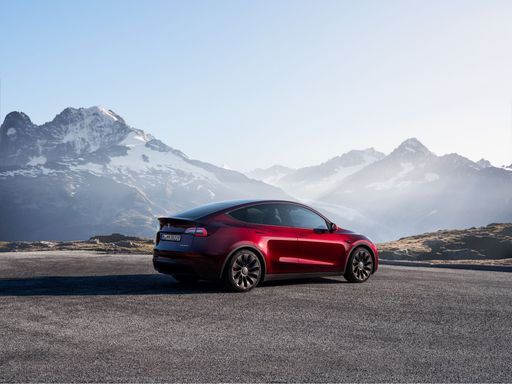
The Tesla Model Y is a compact electric SUV that pairs practical interior space with a minimalist, tech-forward cabin that feels modern and airy. Its confident electric performance and suite of driver-assist features make everyday driving effortless, and regular software updates help the car stay fresh over time.

details
BMW iX3
Tesla Model Y

Costs and Consumption

Price
54,300 - 66,300 £
Price
34,300 - 53,100 £
Consumption L/100km
-
Consumption L/100km
-
Consumption kWh/100km
14.6 - 15.1 kWh/100km
Consumption kWh/100km
13.1 - 16.2 kWh/100km
Electric Range
635 - 805 km
Electric Range
534 - 622 km
Battery Capacity
-
Battery Capacity
-
co2
0 g/km
co2
0 g/km
Fuel tank capacity
-
Fuel tank capacity
-

Dimensions and Body

Body Type
SUV
Body Type
SUV
Seats
5
Seats
5 - 7
Doors
-
Doors
-
Curb weight
2,360 kg
Curb weight
1,976 - 2,108 kg
Trunk capacity
-
Trunk capacity
822 - 836 L
Length
-
Length
-
Width
1,895 mm
Width
1,920 mm
Height
-
Height
-
Max trunk capacity
-
Max trunk capacity
-
Payload
465 kg
Payload
435 - 472 kg

Engine and Performance

Engine Type
Electric
Engine Type
Electric
Transmission
Automatic
Transmission
Automatic
Transmission Detail
Reduction Gearbox
Transmission Detail
Reduction Gearbox
Drive Type
All-Wheel Drive, Rear-Wheel Drive
Drive Type
All-Wheel Drive, Rear-Wheel Drive
Power HP
320 - 469 HP
Power HP
299 - 460 HP
Acceleration 0-100km/h
4.9 - 5.9 s
Acceleration 0-100km/h
3.5 - 7.2 s
Max Speed
-
Max Speed
-
Torque
500 - 645 Nm
Torque
420 - 660 Nm
Number of Cylinders
-
Number of Cylinders
-
Power kW
235 - 345 kW
Power kW
220 - 338 kW
Engine capacity
-
Engine capacity
-

General

Model Year
2026
Model Year
2,025 - 2,026
CO2 Efficiency Class
A
CO2 Efficiency Class
A
Brand
BMW
Brand
Tesla
DriveDuel uses data analysis and artificial intelligence to evaluate vehicle data and create content. Content is regularly reviewed and improved. The displayed prices are estimates based on German list prices, adjusted to the respective country’s VAT. Country-specific registration taxes are not included. This information is not legally binding.