@ MG Motor / SAIC Motor Corporation
@ Toyota Motor Corporation
VS

MG MG3 vs Toyota C-HR – Differences & prices compared

Everyday use, family trips or long-distance drives – here’s where the differences show.
Discover whether MG MG3 or Toyota C-HR fits your lifestyle better.

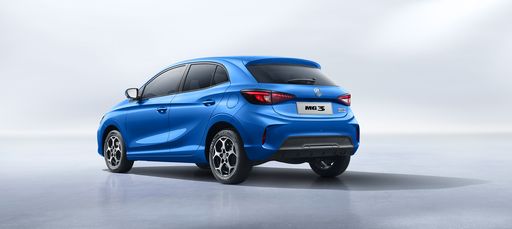
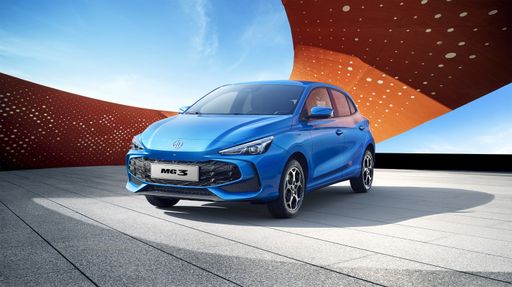
MG3 @ MG Motor / SAIC Motor Corporation

MG MG3 vs. Toyota C-HR: A Comprehensive Comparison of Performance and Innovation

When it comes to the world of compact cars, the MG MG3 and the Toyota C-HR stand out as two popular choices, each offering a unique blend of style, efficiency, and modern features. In this article, we’ll delve into a detailed comparison of these two models, examining their technical specifications and innovations that make each worth considering.
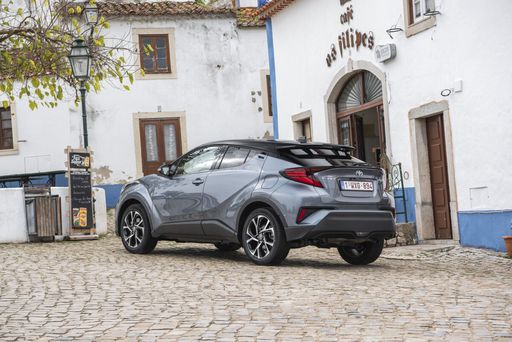
C-HR @ Toyota Motor Corporation

Design and Body Type

The MG MG3 is a hatchback that exudes a sporty charm. With a length of 4113 mm, a width of 1797 mm, and a height of 1502 mm, it offers a compact yet spacious design, perfect for city driving and parking. This model boasts five doors and provides seating for five, making it an ideal option for small families or urban commuters.

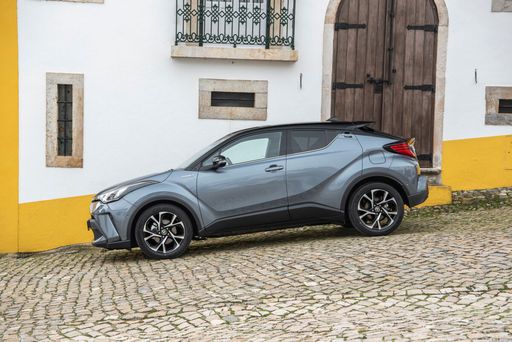
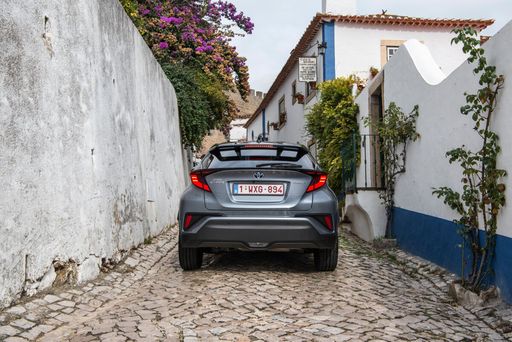
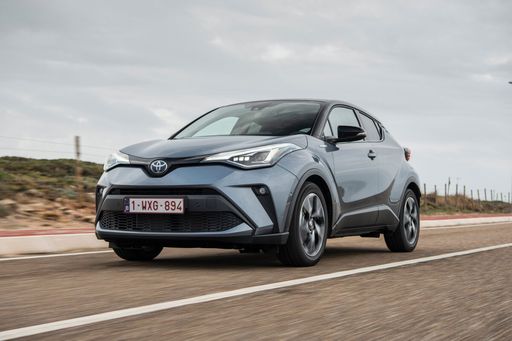
In contrast, the Toyota C-HR is classified as an SUV, standing slightly larger with dimensions of 4362 mm in length, 1832 mm in width, and a height ranging from 1558 mm to 1564 mm, depending on the variant. This model also features five doors, and its elevated position offers a commanding presence on the road, alongside a spacious interior. With a trunk capacity of up to 447 liters, the C-HR provides more storage space than the MG3, catering to those who require additional cargo room.

MG3 @ MG Motor / SAIC Motor Corporation

Performance and Powertrain Options

Under the hood, the MG MG3 offers two engine types: a full hybrid and a petrol variant. The petrol engine generates an impressive 116 HP, with a maximum speed of 170 km/h and a 0-100 km/h acceleration time of just 8 seconds. Its fuel consumption is rated at 6.1 L/100 km, while the hybrid version boasts an efficient consumption rate of only 4.4 L/100 km, making it a suitable choice for environmentally-conscious drivers.

The Toyota C-HR presents more versatile powertrain options, including full hybrid and plug-in hybrid variants. The power output ranges from 140 HP to a dynamic 223 HP in the most powerful version, allowing for a thrilling driving experience. The C-HR’s acceleration from 0-100 km/h varies across its engine options, with the quickest version managing it in a mere 7.4 seconds. The fuel consumption for this model ranges from 4.7 L/100 km to an astonishing 0.8 L/100 km for the plug-in variant. With a maximum speed of up to 180 km/h, the C-HR combines efficiency with performance.

C-HR @ Toyota Motor Corporation

Innovative Technologies

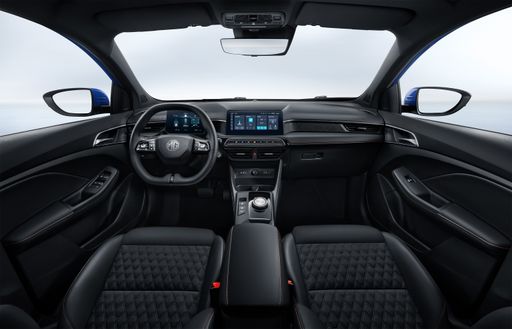
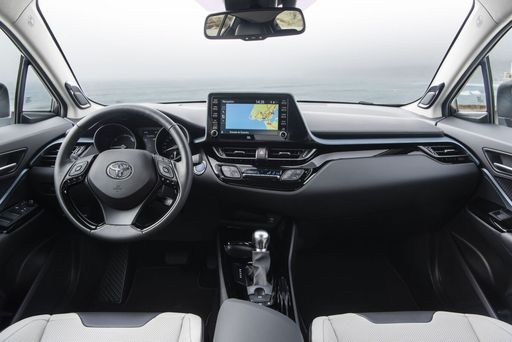
Both models incorporate a variety of innovative technologies designed to enhance the driving experience. The MG MG3 focuses on driver convenience with features such as a user-friendly infotainment system and responsive handling, making it a joy to drive in urban environments.

The Toyota C-HR, on the other hand, often leads in technological advancements with features like Toyota’s Safety Sense suite, which includes lane departure alert, adaptive cruise control, and pre-collision systems. The plug-in hybrid variant further boasts an electric range of up to 68 km, allowing for short commutes with zero emissions.

MG3 @ MG Motor / SAIC Motor Corporation

Efficiency Ratings

Environmental considerations are paramount for today’s drivers. The MG MG3 has a CO2 efficiency class rating of C, with CO2 emissions pegged at 100 g/km for the hybrid variant. With this level of efficiency, it stands as a competent option for those looking for a balance between performance and eco-friendliness.

On the flip side, the Toyota C-HR excels with a CO2 efficiency class of B, with emissions as low as 17 g/km from its plug-in version. This impressive rating reflects Toyota's commitment to sustainability and innovation in hybrid technology.

C-HR @ Toyota Motor Corporation

Conclusion: Which One to Choose?

Choosing between the MG MG3 and Toyota C-HR boils down to personal preference and specific needs. The MG3 impresses with its spirited performance, compact design, and affordability, making it a strong contender for city dwellers and those on a budget.

The Toyota C-HR, with its SUV versatility, advanced safety features, and multiple powertrain choices, caters to those who prioritize innovation and a larger space. Ultimately, both cars deliver undeniable value, showcasing a blend of performance, technology, and efficiency that defines modern automotive engineering.

Here’s where it gets real: The technical differences in detail

MG3 @ MG Motor / SAIC Motor Corporation

Costs and Efficiency:

Price and efficiency are key factors when choosing a car – and this is often where the real differences emerge.

MG MG3 has a decisively advantage in terms of price – it starts at 15400 £, while the Toyota C-HR costs 29100 £. That’s a price difference of around 13714 £.

Fuel consumption also shows a difference: Toyota C-HR manages with 0.80 L and is therefore decisively more efficient than the MG MG3 with 4.40 L. The difference is about 3.60 L per 100 km.

C-HR @ Toyota Motor Corporation

Engine and Performance:

Power, torque and acceleration say a lot about how a car feels on the road. This is where you see which model delivers more driving dynamics.

When it comes to engine power, the Toyota C-HR has a a bit edge – offering 223 HP compared to 194 HP. That’s roughly 29 HP more horsepower.

In acceleration from 0 to 100 km/h, the Toyota C-HR is slight quicker – completing the sprint in 7.40 s, while the MG MG3 takes 8 s. That’s about 0.60 s faster.

In terms of top speed, the MG MG3 performs barely noticeable better – reaching 185 km/h, while the Toyota C-HR tops out at 180 km/h. The difference is around 5 km/h.

Space and Everyday Use:

Cabin size, boot volume and payload all play a role in everyday practicality. Here, comfort and flexibility make the difference.

Both vehicles offer seating for 5 people.

In curb weight, MG MG3 is clearly perceptible lighter – 1237 kg compared to 1505 kg. The difference is around 268 kg.

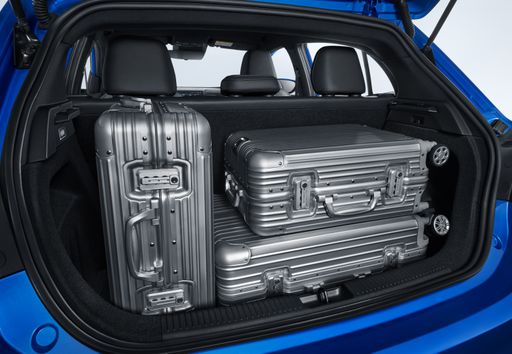
In terms of boot space, the Toyota C-HR offers clearly perceptible more room – 447 L compared to 293 L. That’s a difference of about 154 L.

In maximum load capacity, the Toyota C-HR performs slightly better – up to 1155 L, which is about 172 L more than the MG MG3.

When it comes to payload, MG MG3 slight takes the win – 448 kg compared to 425 kg. That’s a difference of about 23 kg.

Who wins the race?

The Toyota C-HR proves to be wins the duel decisively and therefore becomes our DriveDuel Champion!
Toyota C-HR is the better all-rounder in this comparison.

from about £29,100
C-HR @ Toyota Motor Corporation

Toyota C-HR

  • Engine Type : Full Hybrid, Plugin Hybrid
  • Transmission : Automatic
  • Drive Type : Front-Wheel Drive, All-Wheel Drive
  • Power HP : 140 - 223 HP
  • Consumption L/100km : 0.8 - 5.1 L
  • Electric Range : 68 km

MG MG3

5 (1)
rate

The MG3 is a cheeky city hatch that pairs bold, youthful styling with sprightly handling for drivers who want personality on a budget. Its cabin is bright and cleverly packaged, offering sensible space and a fun-to-drive character that turns mundane commutes into something a bit more enjoyable.

details

Toyota C-HR

5 (1)
rate

The Toyota C-HR cuts a striking figure with its angular styling and coupe-like profile, so you’ll never go unnoticed in the supermarket car park. It balances everyday practicality with a nimble, city-friendly personality, making routine commutes feel a touch more fun without asking for forgiveness.

details
MG MG3
Toyota C-HR
MG3 @ MG Motor / SAIC Motor Corporation
C-HR @ Toyota Motor Corporation

Costs and Consumption

Price
15400 - 21400 £
Price
29100 - 42800 £
Consumption L/100km
4.4 - 6.1 L
Consumption L/100km
0.8 - 5.1 L
Consumption kWh/100km
-
Consumption kWh/100km
-
Electric Range
-
Electric Range
68 km
Battery Capacity
-
Battery Capacity
-
co2
100 - 137 g/km
co2
17 - 115 g/km
Fuel tank capacity
36 - 45 L
Fuel tank capacity
43 L

Dimensions and Body

Body Type
Hatchback
Body Type
SUV
Seats
5
Seats
5
Doors
5
Doors
5
Curb weight
1237 - 1285 kg
Curb weight
1505 - 1755 kg
Trunk capacity
293 L
Trunk capacity
350 - 447 L
Length
4113 mm
Length
4362 mm
Width
1797 mm
Width
1832 mm
Height
1502 mm
Height
1558 - 1564 mm
Max trunk capacity
983 L
Max trunk capacity
1076 - 1155 L
Payload
373 - 448 kg
Payload
375 - 425 kg

Engine and Performance

Engine Type
Full Hybrid, Petrol
Engine Type
Full Hybrid, Plugin Hybrid
Transmission
Automatic, Manuel
Transmission
Automatic
Transmission Detail
Automatic Gearbox, Manual Gearbox
Transmission Detail
CVT
Drive Type
Front-Wheel Drive
Drive Type
Front-Wheel Drive, All-Wheel Drive
Power HP
116 - 194 HP
Power HP
140 - 223 HP
Acceleration 0-100km/h
8 - 10.8 s
Acceleration 0-100km/h
7.4 - 9.9 s
Max Speed
170 - 185 km/h
Max Speed
175 - 180 km/h
Torque
148 Nm
Torque
-
Number of Cylinders
4
Number of Cylinders
4
Power kW
85 - 143 kW
Power kW
103 - 164 kW
Engine capacity
1490 - 1495 cm3
Engine capacity
1798 - 1987 cm3

General

Model Year
2024 - 2025
Model Year
2024 - 2025
CO2 Efficiency Class
C, E
CO2 Efficiency Class
C, B
Brand
MG
Brand
Toyota
What drivetrain options does the MG MG3 have?

The MG MG3 is offered with Front-Wheel Drive.

The prices and data displayed are estimates based on German list prices and may vary by country. This information is not legally binding.