VS

MG MG4 vs Peugeot 208 comparison

Compare performance (435 HP vs 156 HP), boot space and price (36,800 £ vs 21,000 £ ) at a glance. Find out which car is the better choice for you – MG MG4 or Peugeot 208?

MG MG4 vs Peugeot 208: Key differences

MG MG4

4.8 (3 Reviews)
rate
  • substantially more power
  • visibly more electric range
  • significantly quicker 0–100 km/h
details

Peugeot 208

4 (2 Reviews)
rate
  • substantially cheaper
  • slightly more efficient
  • significantly lighter
details

All details on performance, efficiency, range and trunk space can be found in the technical comparison below – including user reviews for both models.

By Achim Sedelmaier

MG4

MG MG4 VS Peugeot 208 — quick take for shoppers

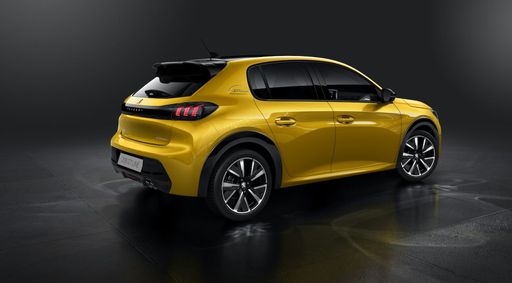
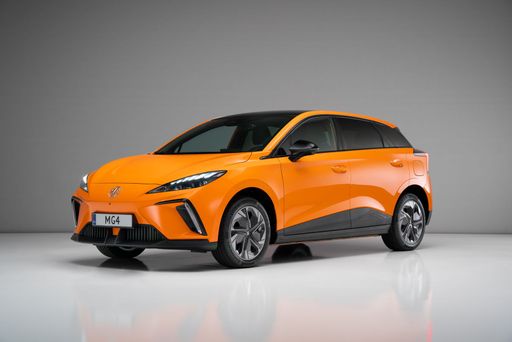
MG MG4 VS Peugeot 208 sets up a tidy clash: the MG4 arrives as the sporty, value-focused electric compact, while the Peugeot 208 trades some sportiness for a more polished, design-led package. If you care about straight-line shove, long electric range and a generous equipment list for the money, the MG MG4 leans into that brief. If you prioritise cabin feel, everyday refinement and a compact, city-friendly footprint, the Peugeot 208 makes a stronger first impression. This comparison looks past badges and specs to show how each car actually behaves on streets, motorways and in real-family life.
208

Character and driving feel

The MG MG4 drives with a distinctly sporty tilt: rear-drive balance (in some versions), eager throttle and sharper turn-in make it more entertaining on B-roads. The Peugeot 208 is lighter on its feet in town, with a small steering wheel and quick responses that make parking and tight turns easy; it’s more about confidence than thrills. On the motorway the MG MG4 can feel busier and less insulated, while the Peugeot prefers to smooth things out and let you relax at speed. In short, choose the MG MG4 if you want involvement and pep, choose the Peugeot 208 if you want composed, everyday manners.

MG4

Comfort and cabin feel

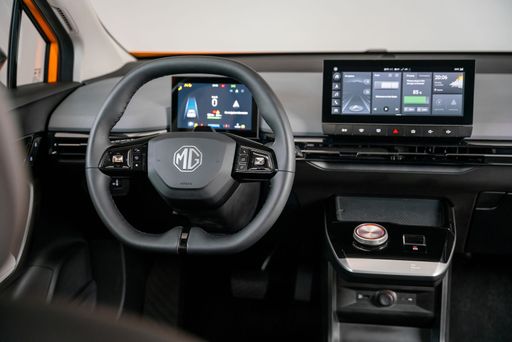
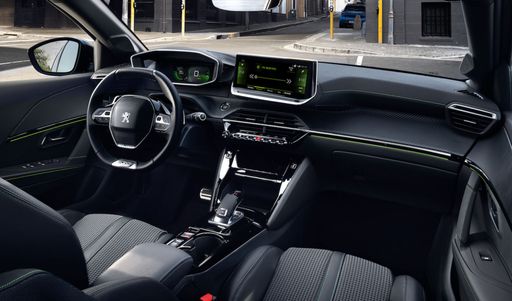
Step inside the Peugeot 208 and the interior immediately feels a notch more considered—materials and trim give it a premium touch that masks its segment. The MG MG4’s recent updates have closed the gap with better controls and nicer surfaces, but its cabin still reads more utilitarian and functional than emotive. On longer runs the Peugeot’s quieter demeanour and calmer assistance behaviour make fatigue less likely, whereas the MG MG4 trades some serenity for engagement and can show wind and road noise sooner. Seat comfort is broadly acceptable in both cars up front, but the Peugeot’s packaging often feels more inviting for day-to-day driving.

208

Practicality and everyday usability

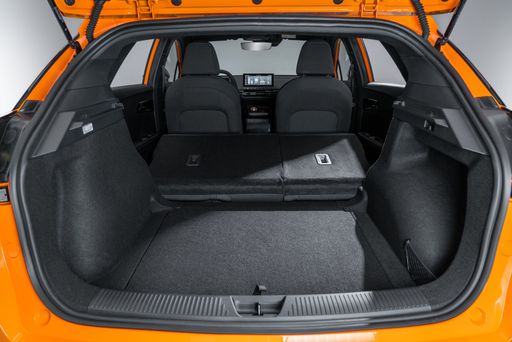
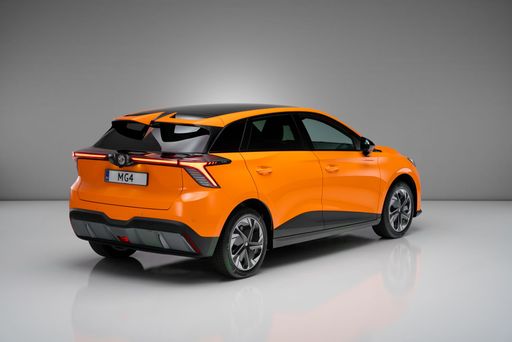
Practical differences become obvious when you load them: the MG MG4’s boot is useable but rather shallow and less flexible, which punishes bulky suitcases or awkward strollers. The Peugeot 208’s luggage area is class-typical—nothing dramatic, but slightly easier to live with thanks to sensible shapes and usable contours. Rear-seat reality also diverges: neither car is a cavern, but the MG MG4’s flatter cabin and seat geometry can leave taller passengers uncomfortable on long trips while the Peugeot’s rear is tight on headroom and legroom. For single drivers or couples who rarely carry full-grown adults, both suffice; families with bigger luggage will notice the MG4’s limitations faster.

MG4

Technology, ergonomics and driver aids

Both cars have modern tech, but they take different routes: MG MG4’s facelift delivered clearer physical climate controls, faster screens and wireless mirroring aimed at practical daily use. Peugeot’s 208 relies on its i‑Cockpit layout—a small wheel and raised instruments—which sharpens the driving sensation but divides opinion on ergonomics and sightlines. Driver assistance on the MG MG4 can feel eager and occasionally abrupt, while the Peugeot’s systems usually prioritise smoother, more restrained intervention—sometimes at the cost of responsiveness. Also consider that some of Peugeot’s nicer convenience items are expensive options, whereas the MG tends to include more kit as standard.

208

Who each car actually suits (and what to check next)

If you prioritise value, engaging handling and maximum electric range in the compact class, the MG MG4 will suit you better—it rewards drivers who plan charging and want a livelier drive. If you favour perceived quality, a quieter long-distance experience and a car that feels slightly more grown-up in daily life, the Peugeot 208 is the more natural choice. Before you decide, check the technical comparison for the specifics that matter to your routine: real-world range and charging behaviour, rear-seat ergonomics and the exact levels of standard kit and driver aids. Your final choice comes down to trade-offs between sportiness and polish, so use those technical details to back up the character differences you felt here.

Here’s where it gets real: The technical differences in detail

MG4

Costs and Efficiency:

When it comes to price and running costs, the biggest differences usually appear. This is often where you see which car fits your budget better in the long run.

Peugeot 208 is substantially cheaper – starting at 21,000 £ , while the MG MG4 costs 36,800 £ . That’s a price difference of around 15,866 £.

In terms of energy consumption, the Peugeot 208 is slightly more efficient: consuming 14.1 kWh/100km compared to 16.1 kWh/100km for the MG MG4. That’s a difference of about 2 kWh/100km.

As for electric range, the MG MG4 offers visibly more range – reaching up to 545 km, about 113 km more than the Peugeot 208.

208

Engine and Performance:

Under the bonnet, it becomes clear which model is tuned for sportiness and which one takes the lead when you hit the accelerator.

When it comes to engine power, the MG MG4 offers substantially more power – delivering 435 HP compared to 156 HP. That’s roughly 279 HP more horsepower.

When accelerating from 0 to 100 km/h, the MG MG4 is significantly quicker – completing the sprint in 3.8 s, while the Peugeot 208 takes 8.3 s. That’s about 4.5 s quicker.

There’s also a difference in torque: the MG MG4 delivers significantly more torque with 600 Nm compared to 270 Nm. That’s about 330 Nm more.

MG4

Space and Everyday Use:

Cabin size, boot volume and payload all play a role in everyday practicality. Here, comfort and flexibility make the difference.

Both vehicles offer seating for 5 people.

In terms of curb weight, Peugeot 208 is significantly lighter – 1,165 kg compared to 1,755 kg. The difference is around 590 kg.

When it comes to payload, the MG MG4 carries barely more – 448 kg compared to 430 kg. That’s a difference of about 18 kg.

Who wins the race in the data check?

The MG MG4 is decisively ahead in the objective data comparison.
This result only shows which model scores more points on paper – not which of the two cars feels right for you.

from £36,800
MG4

MG MG4

  • Engine Type Electric
  • Transmission Automatic
  • Drive Type Rear-Wheel Drive, All-Wheel Drive
  • Power HP 190 - 435 HP
  • Consumption kWh/100km 16.1 - 19 kWh/100km
  • Electric Range 405 - 545 km
MG MG4
Peugeot 208

Costs and Consumption

View detailed analysis

Engine and Performance

View detailed analysis

Dimensions and Body

View detailed analysis

MG MG4

The MG4 is a sprightly electric hatch that marries bold, modern looks with genuinely useful practicality, making it a great everyday companion for city and weekend life alike. Inside it surprises with a smart, user-friendly cabin and an engaging drive that delivers more personality than you might expect for the price.

details

Peugeot 208

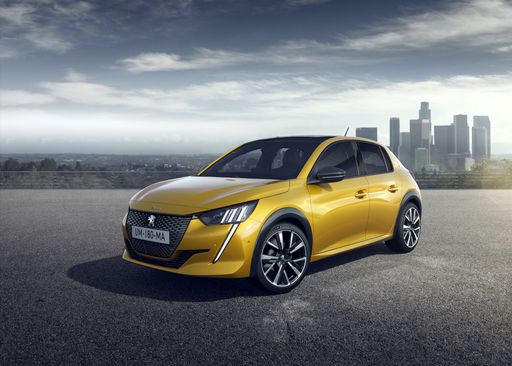
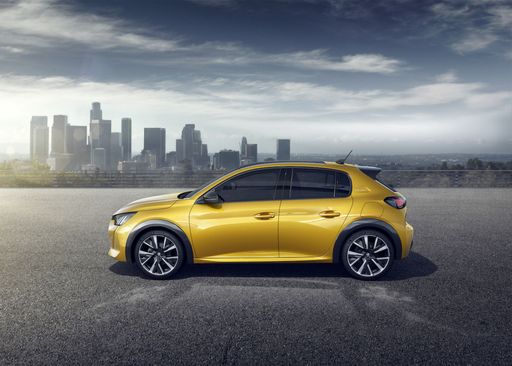
The Peugeot 208 feels like a city-savvy fox: compact, stylish and surprisingly grown-up, with a cabin that punches above its weight and enough personality to make daily commutes a little less boring. It’s a smart pick for buyers who want chic practicality without the showroom bluster — easy to park, thrifty to run and oddly fun when the road tightens up.

details
MG MG4
Peugeot 208

Costs and Consumption

Price
36,800 - 40,300 £
Price
21,000 - 33,200 £
Consumption L/100km
-
Consumption L/100km
4.5 - 5.1 L/100km
Consumption kWh/100km
16.1 - 19 kWh/100km
Consumption kWh/100km
14.1 - 15.4 kWh/100km
Electric Range
405 - 545 km
Electric Range
363 - 432 km
Battery Capacity
-
Battery Capacity
-
co2
0 g/km
co2
0 - 116 g/km
Fuel tank capacity
-
Fuel tank capacity
-

Dimensions and Body

Body Type
Hatchback
Body Type
Hatchback
Seats
5
Seats
5
Doors
-
Doors
-
Curb weight
1,755 - 1,810 kg
Curb weight
1,165 - 1,530 kg
Trunk capacity
-
Trunk capacity
309 - 352 L
Length
-
Length
-
Width
1,836 mm
Width
1,745 mm
Height
-
Height
-
Max trunk capacity
-
Max trunk capacity
-
Payload
448 kg
Payload
380 - 430 kg

Engine and Performance

Engine Type
Electric
Engine Type
Petrol MHEV, Electric, Petrol
Transmission
Automatic
Transmission
Automatic, Manuel
Transmission Detail
Reduction Gearbox
Transmission Detail
Dual-Clutch Automatic, Reduction Gearbox, Manual Gearbox
Drive Type
Rear-Wheel Drive, All-Wheel Drive
Drive Type
Front-Wheel Drive
Power HP
190 - 435 HP
Power HP
101 - 156 HP
Acceleration 0-100km/h
3.8 - 7.5 s
Acceleration 0-100km/h
8.3 - 10.9 s
Max Speed
-
Max Speed
-
Torque
350 - 600 Nm
Torque
205 - 270 Nm
Number of Cylinders
-
Number of Cylinders
3
Power kW
140 - 320 kW
Power kW
74 - 115 kW
Engine capacity
-
Engine capacity
1,199 cm3

General

Model Year
2026
Model Year
2,025 - 2,026
CO2 Efficiency Class
A
CO2 Efficiency Class
C, A, D
Brand
MG
Brand
Peugeot
DriveDuel uses data analysis and artificial intelligence to evaluate vehicle data and create content. Content is regularly reviewed and improved. The displayed prices are estimates based on German list prices, adjusted to the respective country’s VAT. Country-specific registration taxes are not included. This information is not legally binding.