VS

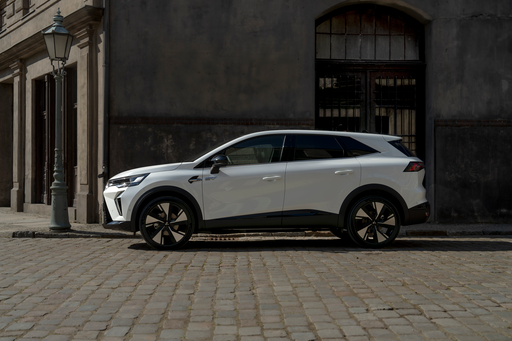
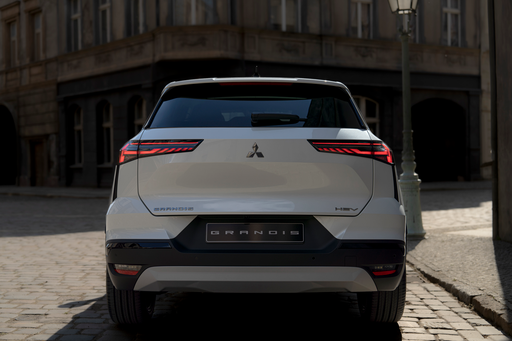
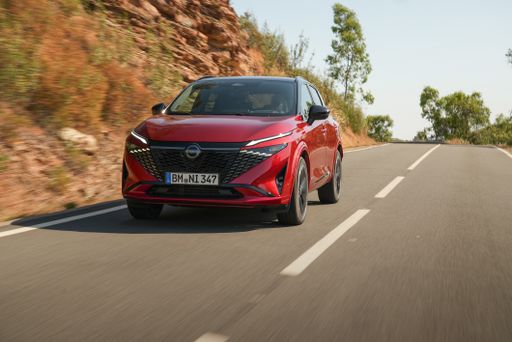
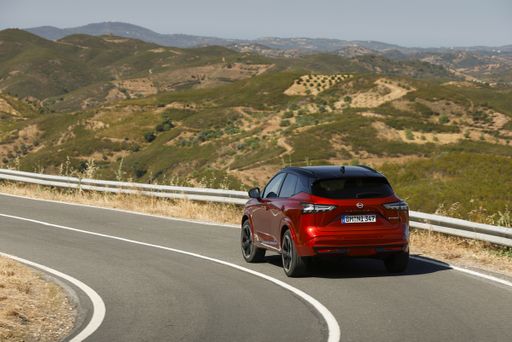
Nissan Qashqai vs Mitsubishi Grandis comparison

Compare performance (205 HP vs 158 HP), boot space and price (29,600 £ vs 25,200 £ ) at a glance. Find out which car is the better choice for you – Nissan Qashqai or Mitsubishi Grandis?

Nissan Qashqai vs Mitsubishi Grandis: Key differences

Nissan Qashqai

4.9 (3 Reviews)
rate
  • markedly more power
  • slightly quicker 0–100 km/h
details

Mitsubishi Grandis

4.1 (1 Reviews)
rate
  • moderately cheaper
  • barely lighter
  • somewhat more trunk space
details

By Achim Sedelmaier

Qashqai

Quick take: Nissan Qashqai VS Mitsubishi Grandis

Nissan Qashqai VS Mitsubishi Grandis sets up a clear clash of philosophies: the Qashqai is a modern compact crossover that prioritises quiet, tech‑forward everyday use, while the Grandis is a traditional MPV that trades some refinement for flexible family practicality. The Qashqai feels newer inside with seamless smartphone services and driver aids that reduce city stress, whereas the Grandis leans on simple, mechanical solutions and a roomier, more conventional cabin for families. Both are family‑oriented, but they appeal to different definitions of practicality — one emphasizes comfort and tech, the other volume and seating versatility. Read on to see which trade‑offs matter for your routine before the technical breakdown that follows.
Grandis

Character and driving manners

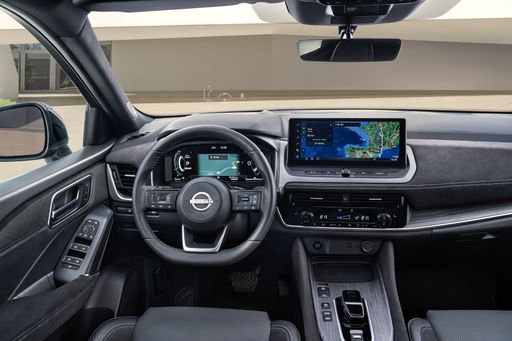
The Nissan Qashqai drives with an almost EV‑like smoothness and linear throttle that masks the combustion engine, making it feel calm and composed in most situations, while the Mitsubishi Grandis behaves more like an old‑school MPV with steady, predictable responses. Qashqai steering is safe and undemanding, designed more for confidence than engagement; the Grandis surprises by feeling more car‑like in body control, but its steering can be light and devoid of nuance. If you want sprightliness off the line and a composed city tempo, the Qashqai will please; if you prefer a vehicle that simply settles into long stretches of cruising with a steady, familiar feel, the Grandis does that without fuss. Each creates a different emotional tone on the road: relaxed modernity versus pragmatic, old‑school solidity.

Qashqai

Comfort and long‑distance behaviour

On long runs the Nissan Qashqai impresses with low cabin noise and supportive front seats that help reduce fatigue, though wheel size and tyres can noticeably change that serene character. The Mitsubishi Grandis rewards miles with a compliant suspension that smooths out undulations better than many rivals, but engine and road noise are more present at motorway speeds so the ambience feels less hushed than the Qashqai. Qashqai’s interior feels a touch more contemporary and refined at cruising pace, whereas Grandis gives you simple, robust comfort that stays consistent under load. The trade‑off is clear: choose Qashqai for a quieter, more polished long‑distance environment; choose Grandis if you prioritise forgiving ride quality over acoustic refinement.

Grandis

Practicality and cabin usability

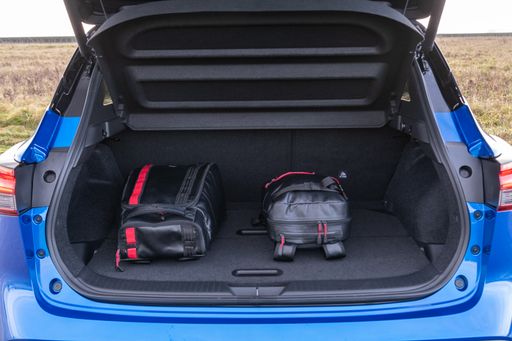
The Mitsubishi Grandis fundamentally wins when your priority is straightforward seating flexibility — its third‑row concept and fold‑flat rear bench make it easier to carry more passengers when needed, but that flexibility eats into luggage space once seats are up. The Nissan Qashqai offers clever, family‑friendly touches like wide door openings and strong ISOFIX accessibility, and its boot is practical for everyday shopping and school runs, though it’s not the class leader for sheer cargo volume. Loading heavy items feels different: the Grandis’ layout is forgiving for folding seats, the Qashqai’s higher sill and double‑floor choices can complicate bulky loads. In short, the Grandis is the better pick for occasional extra seats and simple loading tricks; the Qashqai is tidier and more refined for everyday family chores.

Qashqai

City friendliness and everyday usability

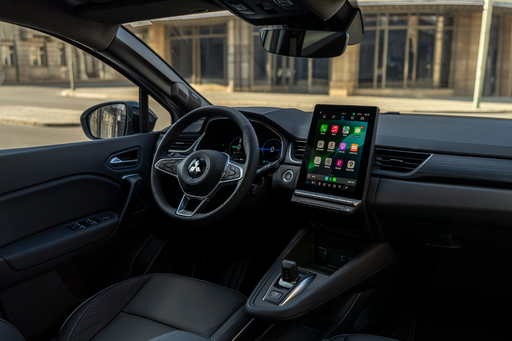
The Nissan Qashqai is built for urban life — quiet acceleration, an e‑like throttle feel, and cameras that make parking and tight manoeuvres effortless, complemented by modern infotainment that actually helps rather than distracts. The Mitsubishi Grandis is narrower and easy to place in traffic, with light steering that makes city driving physically less taxing, but its infotainment and connectivity lag behind so modern smartphone integration feels like an afterthought. Controls in the Qashqai tend to be more intuitive and faster to use under stress, whereas the Grandis keeps things simple and obvious which some buyers still prefer. If you spend most of your time in town the Qashqai’s technology and refined low‑speed manners will save time and nerves; if you prize straightforward handling and uncomplicated switches, the Grandis remains a sensible companion.

Grandis

Who should choose which car?

Pick the Nissan Qashqai if you value a quiet, tech‑rich everyday experience with modern infotainment, calm low‑speed manners and a more polished cabin for commuting and family life. Opt for the Mitsubishi Grandis if your priority is flexible seating and simple, forgiving space for children and occasional extra passengers, or if you want a more budget‑minded package that focuses on utility over gadgetry. Each car is tailored to a distinct buyer: the Qashqai suits tech‑aware families and city‑heavy commuters, the Grandis fits buyers wanting traditional MPV practicality and straightforward comfort. The technical comparison that follows will make those practical trade‑offs clearer for gearheads and detail‑minded shoppers alike.

Here’s where it gets real: The technical differences in detail

Qashqai

Costs and Efficiency:

Looking at overall running costs, both models reveal some interesting differences in everyday economy.

Mitsubishi Grandis is moderately cheaper – starting at 25,200 £ , while the Nissan Qashqai costs 29,600 £ . That’s a price difference of around 4,414 £.

Both cars consume an average of 4.3 L/100km – no difference here.

Grandis

Engine and Performance:

Power, torque and acceleration say a lot about how a car feels on the road. This is where you see which model delivers more driving dynamics.

When it comes to engine power, the Nissan Qashqai offers markedly more power – delivering 205 HP compared to 158 HP. That’s roughly 47 HP more horsepower.

When accelerating from 0 to 100 km/h, the Nissan Qashqai is slightly quicker – completing the sprint in 7.6 s, while the Mitsubishi Grandis takes 9.1 s. That’s about 1.5 s quicker.

There’s also a difference in torque: the Nissan Qashqai delivers a bit more torque with 330 Nm compared to 265 Nm. That’s about 65 Nm more.

Qashqai

Space and Everyday Use:

Beyond pure performance, interior space and usability matter most in daily life. This is where you see which car is more practical and versatile.

Both vehicles offer seating for 5 people.

In terms of curb weight, Mitsubishi Grandis is barely lighter – 1,359 kg compared to 1,420 kg. The difference is around 61 kg.

Looking at boot space, the Mitsubishi Grandis offers somewhat more boot space – 576 L compared to 504 L. That’s a difference of about 72 L.

When it comes to payload, the Nissan Qashqai carries somewhat more – 516 kg compared to 459 kg. That’s a difference of about 57 kg.

Who wins the race in the data check?

The Nissan Qashqai holds a solid overall lead in the objective data comparison.
This result only shows which model scores more points on paper – not which of the two cars feels right for you.

from £29,600
Qashqai

Nissan Qashqai

  • Engine Type Petrol MHEV, Full Hybrid
  • Transmission Manuel, Automatic
  • Drive Type Front-Wheel Drive, All-Wheel Drive
  • Power HP 158 - 205 HP
  • Consumption L/100km 4.3 - 6.8 L/100km
Nissan Qashqai
Mitsubishi Grandis

Costs and Consumption

View detailed analysis

Engine and Performance

View detailed analysis

Dimensions and Body

View detailed analysis

Nissan Qashqai

The Nissan Qashqai is a compact crossover that blends everyday practicality with a comfortable, composed driving experience and a smart, well finished interior. It feels sensible and versatile for city life and longer trips, appealing to buyers who want a reliable, low fuss family car.

details

Mitsubishi Grandis

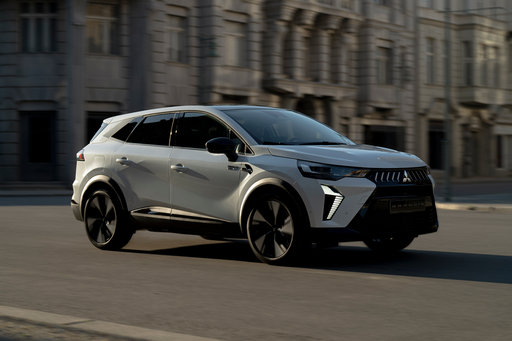
The Mitsubishi Grandis is a no-nonsense MPV that hides a surprisingly sleek profile, making family duty look almost stylish. It’s spacious, easy to drive, and built to shrug off daily chaos, though the cabin feels dated and it prefers a relaxed cruise to any hot-hatch antics.

details
Nissan Qashqai
Mitsubishi Grandis

Costs and Consumption

Price
29,600 - 39,900 £
Price
25,200 - 35,300 £
Consumption L/100km
4.3 - 6.8 L/100km
Consumption L/100km
4.3 - 6.1 L/100km
Consumption kWh/100km
-
Consumption kWh/100km
-
Electric Range
-
Electric Range
-
Battery Capacity
-
Battery Capacity
-
co2
98 - 152 g/km
co2
98 - 138 g/km
Fuel tank capacity
-
Fuel tank capacity
-

Dimensions and Body

Body Type
SUV
Body Type
SUV
Seats
5
Seats
5
Doors
-
Doors
-
Curb weight
1,420 - 1,624 kg
Curb weight
1,359 - 1,525 kg
Trunk capacity
479 - 504 L
Trunk capacity
492 - 576 L
Length
-
Length
-
Width
1,835 mm
Width
1,797 mm
Height
-
Height
-
Max trunk capacity
-
Max trunk capacity
-
Payload
446 - 516 kg
Payload
395 - 459 kg

Engine and Performance

Engine Type
Petrol MHEV, Full Hybrid
Engine Type
Petrol MHEV, Full Hybrid
Transmission
Manuel, Automatic
Transmission
Manuel, Automatic
Transmission Detail
Manual Gearbox, CVT, Reduction Gearbox
Transmission Detail
Manual Gearbox, Dual-Clutch Automatic, Automatic Gearbox
Drive Type
Front-Wheel Drive, All-Wheel Drive
Drive Type
Front-Wheel Drive
Power HP
158 - 205 HP
Power HP
140 - 158 HP
Acceleration 0-100km/h
7.6 - 9.9 s
Acceleration 0-100km/h
9.1 - 10.6 s
Max Speed
-
Max Speed
-
Torque
260 - 330 Nm
Torque
245 - 265 Nm
Number of Cylinders
3 - 4
Number of Cylinders
4
Power kW
116 - 151 kW
Power kW
104 - 116 kW
Engine capacity
1,332 - 1,498 cm3
Engine capacity
1,333 - 1,789 cm3

General

Model Year
2,025 - 2,026
Model Year
2025
CO2 Efficiency Class
E, C
CO2 Efficiency Class
D, E, C
Brand
Nissan
Brand
Mitsubishi
DriveDuel uses data analysis and artificial intelligence to evaluate vehicle data and create content. Content is regularly reviewed and improved. The displayed prices are estimates based on German list prices, adjusted to the respective country’s VAT. Country-specific registration taxes are not included. This information is not legally binding.