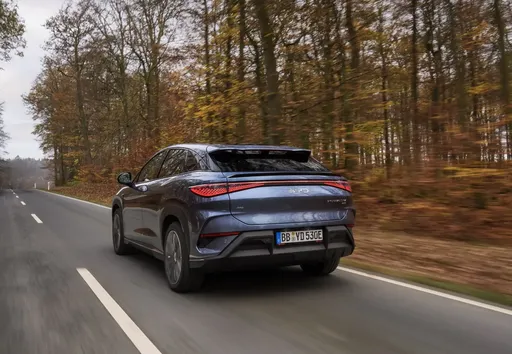
VS

Omoda 5 vs BYD Sealion 7 comparison

Compare performance (224 HP vs 530 HP), boot space and price (24,800 £ vs 42,800 £ ) at a glance. Find out which car is the better choice for you – Omoda 5 or BYD Sealion 7?

Omoda 5 vs BYD Sealion 7: Key differences

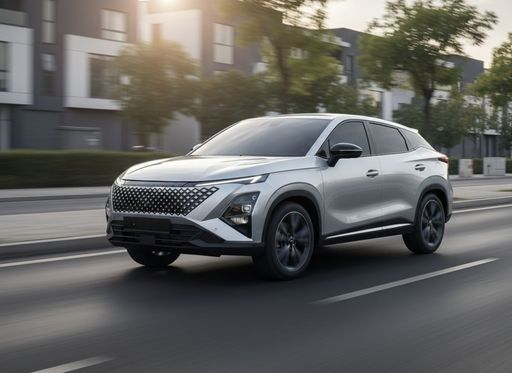
Omoda 5

4.9 (5 Reviews)
rate
  • significantly cheaper
  • visibly more efficient
  • noticeably lighter
details

BYD Sealion 7

4.9 (3 Reviews)
rate
  • substantially more power
  • moderately more electric range
  • significantly quicker 0–100 km/h
  • clearly more trunk space
details

All details on performance, efficiency, range and trunk space can be found in the technical comparison below – including user reviews for both models.

By Achim Sedelmaier

5

Omoda 5 VS BYD Sealion 7 — quick orientation for buyers

Omoda 5 VS BYD Sealion 7 places a value‑driven compact SUV with long warranty against a quieter, more powerful electric SUV‑coupé aimed at comfort and tech. The Omoda 5 sells on equipment, reassurance and an attractive entry price that makes it easy to justify, while the BYD Sealion 7 courts buyers who want electric refinement, strong performance and a more grown‑up cabin. That difference shapes everything you’ll notice day to day: cost and simplicity versus silence, battery capability and a more substantial presence on the road. Read on if you want to know which car better matches your priorities rather than raw spec sheets.
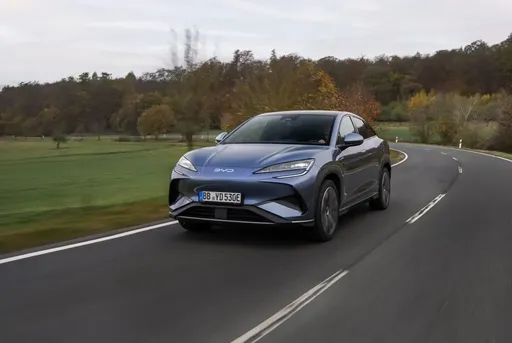
Sealion 7

Character and driving feel

The Omoda 5 drives like a sensible city‑biased compact SUV — compliant at low speeds, a touch soft and prone to body motion over uneven surfaces, and with steering that prefers straight‑line comfort over sporty feedback. The BYD Sealion 7 feels heavier and more planted at speed, trading razor‑sharp handling for effortless thrust and a hushed cabin that makes motorway miles easier. If you love immediate shove and silent acceleration the BYD will thrill; if you prioritise predictable, forgiving behaviour in town and suburbs the Omoda’s softer setup will feel less demanding. In corners both lean away from driver‑focused precision, but the trade is different: Omoda’s suspension is floaty, BYD’s weight and roll make it lounge‑like rather than nimble.

Comfort, cabin feel and perceived quality

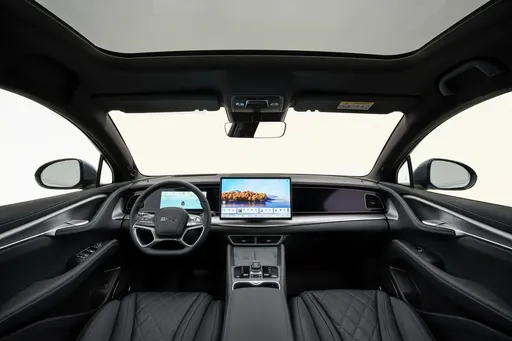
BYD Sealion 7 wins on material feel and rear legroom — the interior reads more premium with cleaner finishes and a calmer acoustic environment that makes long trips relaxing. The Omoda 5 offers attractive equipment and comfortable front seats, but closer inspection reveals simpler plastics and a less generous rear cabin that will feel tight for tall passengers. Both cars pack lots of tech, yet the user experience differs: BYD’s layout can be confusing in places while Omoda’s screens hide climate controls behind menus that can annoy on the move. Overall, the Sealion 7 aims for a composed, premium lounge vibe; the Omoda 5 prioritises bang‑for‑buck comfort up front and functional rather than luxurious execution further back.

Usability and everyday practicality

Practical differences are immediately obvious when loading gear or packing a family: the BYD Sealion 7 presents a more usable rear passenger area and generally larger boot space, while the Omoda 5’s cargo area and rear headroom are noticeably more constrained. The Omoda benefits from easier urban manoeuvring due to its smaller footprint and lighter curb weight, which helps in tight parking or when threading through city streets. Both cars litter controls and assistance with plenty of alerts; drivers who dislike intrusive pop‑ups will find both need some setup, although the Omoda’s warnings are often described as particularly fussy. If you carry people more than parcels, BYD suits; if you mainly commute in town and need a compact, the Omoda is more pragmatic.

Long‑distance behaviour and running consequences

On the motorways the BYD Sealion 7 impresses with serene cruising and strong charging capability that shortens stop times, but its real‑world energy use at sustained high speeds raises running costs and reduces how far you go between charges. The Omoda 5’s hybrid form or economical alternatives deliver quieter consumption in mixed driving and a lower purchase outlay, making it cheaper to live with if you rarely push long, high‑speed legs. Noise comfort favours BYD by a clear margin for extended trips, while the Omoda keeps you out of charge queues and off the motorway cost equation more often. Choosing between them is a trade‑off: lower ongoing fuel/charging expense and purchase price versus a more effortless, quieter touring experience with faster recharge capability.

Who should consider which car — buyer fit and the next step

Pick the Omoda 5 if you’re price‑sensitive, want a generous list of kit and a long factory warranty, and spend most of your time in town or commuting where compact dimensions and lower initial cost matter. Opt for the BYD Sealion 7 if you prioritise cabin quiet, rear passenger space, brisk electric performance and quicker DC charging for regular longer trips despite higher running energy use. Families wanting rear legroom and a premium cabin will lean to BYD; budget‑minded individuals and hybrid‑oriented commuters will find Omoda more sensible. Below you’ll find the technical comparison that breaks these real‑world trade‑offs into the specific figures that underline the differences.

Here’s where it gets real: The technical differences in detail

5

Costs and Efficiency:

Price and efficiency are often the first things buyers look at. Here it becomes clear which model has the long-term edge – whether at the pump, the plug, or in purchase price.

Omoda 5 is significantly cheaper – starting at 24,800 £ , while the BYD Sealion 7 costs 42,800 £ . That’s a price difference of around 18,077 £.

In terms of energy consumption, the Omoda 5 is visibly more efficient: consuming 15.9 kWh/100km compared to 19.9 kWh/100km for the BYD Sealion 7. That’s a difference of about 4 kWh/100km.

As for electric range, the BYD Sealion 7 offers moderately more range – reaching up to 502 km, about 72 km more than the Omoda 5.

Sealion 7

Engine and Performance:

Power, torque and acceleration are the classic benchmarks for car enthusiasts – and here, some clear differences start to show.

When it comes to engine power, the BYD Sealion 7 offers substantially more power – delivering 530 HP compared to 224 HP. That’s roughly 306 HP more horsepower.

When accelerating from 0 to 100 km/h, the BYD Sealion 7 is significantly quicker – completing the sprint in 4.5 s, while the Omoda 5 takes 7.6 s. That’s about 3.1 s quicker.

There’s also a difference in torque: the BYD Sealion 7 delivers substantially more torque with 690 Nm compared to 340 Nm. That’s about 350 Nm more.

Space and Everyday Use:

Cabin size, boot volume and payload all play a role in everyday practicality. Here, comfort and flexibility make the difference.

Both vehicles offer seating for 5 people.

In terms of curb weight, Omoda 5 is noticeably lighter – 1,621 kg compared to 2,225 kg. The difference is around 604 kg.

Looking at boot space, the BYD Sealion 7 offers clearly more boot space – 520 L compared to 350 L. That’s a difference of about 170 L.

When it comes to payload, the Omoda 5 carries clearly more – 536 kg compared to 410 kg. That’s a difference of about 126 kg.

Who wins the race in the data check?

The BYD Sealion 7 is far ahead overall in the objective data comparison.
This result only shows which model scores more points on paper – not which of the two cars feels right for you.

from £42,800
Sealion 7

BYD Sealion 7

  • Engine Type Electric
  • Transmission Automatic
  • Drive Type Rear-Wheel Drive, All-Wheel Drive
  • Power HP 313 - 530 HP
  • Consumption kWh/100km 19.9 - 21.9 kWh/100km
  • Electric Range 456 - 502 km
Omoda 5
BYD Sealion 7

Costs and Consumption

View detailed analysis

Engine and Performance

View detailed analysis

Dimensions and Body

View detailed analysis

Omoda 5

The Omoda 5 is a stylish compact crossover that catches the eye with a bold, contemporary look and a tech-forward cabin. It offers a comfortable ride and a surprisingly spacious interior, making it a practical yet distinctive choice for buyers who want modern features and solid value.

details

BYD Sealion 7

The BYD Sealion 7 is a sleek electric wagon that blends sporty styling with surprising practicality, making it a compelling choice for drivers who want something different from the usual hatchback or SUV. Its refined interior and composed road manners give it an upscale feel, while clever packaging keeps it versatile for daily use.

details
Omoda 5
BYD Sealion 7

Costs and Consumption

Price
24,800 - 31,600 £
Price
42,800 - 52,300 £
Consumption L/100km
5.3 L/100km
Consumption L/100km
-
Consumption kWh/100km
15.9 kWh/100km
Consumption kWh/100km
19.9 - 21.9 kWh/100km
Electric Range
430 km
Electric Range
456 - 502 km
Battery Capacity
-
Battery Capacity
-
co2
0 - 120 g/km
co2
0 g/km
Fuel tank capacity
-
Fuel tank capacity
-

Dimensions and Body

Body Type
SUV
Body Type
SUV
Seats
5
Seats
5
Doors
-
Doors
-
Curb weight
1,621 - 1,710 kg
Curb weight
2,225 - 2,435 kg
Trunk capacity
300 - 350 L
Trunk capacity
520 L
Length
-
Length
-
Width
1,824 - 1,830 mm
Width
1,925 mm
Height
-
Height
-
Max trunk capacity
-
Max trunk capacity
-
Payload
431 - 536 kg
Payload
410 kg

Engine and Performance

Engine Type
Electric, Full Hybrid
Engine Type
Electric
Transmission
Automatic
Transmission
Automatic
Transmission Detail
Reduction Gearbox, Automatic Gearbox
Transmission Detail
Reduction Gearbox
Drive Type
Front-Wheel Drive
Drive Type
Rear-Wheel Drive, All-Wheel Drive
Power HP
204 - 224 HP
Power HP
313 - 530 HP
Acceleration 0-100km/h
7.6 - 7.9 s
Acceleration 0-100km/h
4.5 - 6.7 s
Max Speed
-
Max Speed
-
Torque
295 - 340 Nm
Torque
380 - 690 Nm
Number of Cylinders
4
Number of Cylinders
-
Power kW
150 - 165 kW
Power kW
230 - 390 kW
Engine capacity
1,499 cm3
Engine capacity
-

General

Model Year
2026
Model Year
2024
CO2 Efficiency Class
A, D
CO2 Efficiency Class
A
Brand
Omoda
Brand
BYD
DriveDuel uses data analysis and artificial intelligence to evaluate vehicle data and create content. Content is regularly reviewed and improved. The displayed prices are estimates based on German list prices, adjusted to the respective country’s VAT. Country-specific registration taxes are not included. This information is not legally binding.