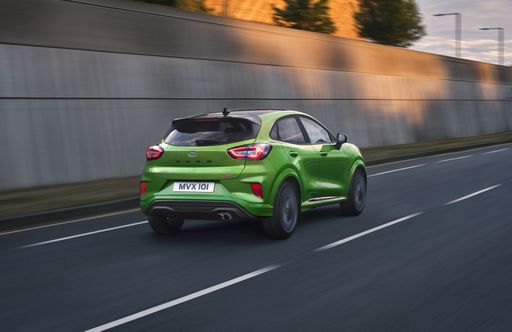
VS

Vauxhall Corsa vs Ford Puma comparison

Compare performance (156 HP vs 168 HP), boot space and price (19,600 £ vs 23,900 £ ) at a glance. Find out which car is the better choice for you – Vauxhall Corsa or Ford Puma?

Vauxhall Corsa vs Ford Puma: Key differences

Vauxhall Corsa

  • markedly cheaper
  • moderately more efficient
  • marginally more electric range
  • a bit lighter
details

Ford Puma

3 (11 Reviews)
rate
  • barely more power
  • slightly more efficient
  • only slightly quicker 0–100 km/h
details

All details on performance, efficiency, range and trunk space can be found in the technical comparison below – including user reviews for both models.

By Achim Sedelmaier

Corsa

Street Smarts and Personality

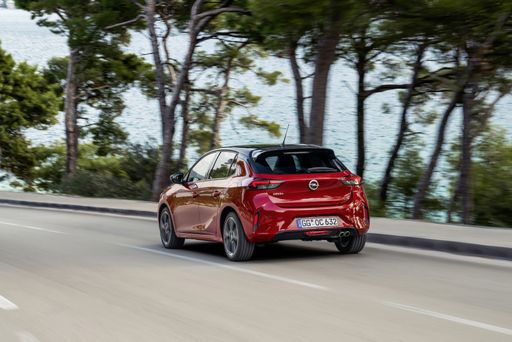
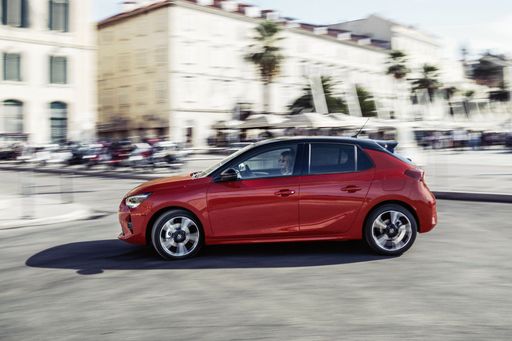
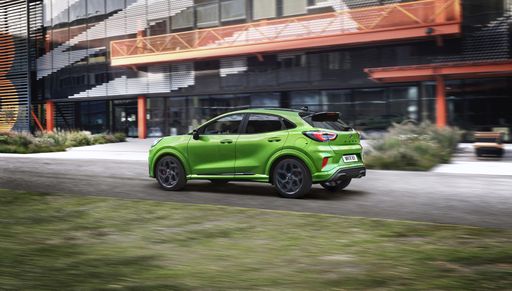
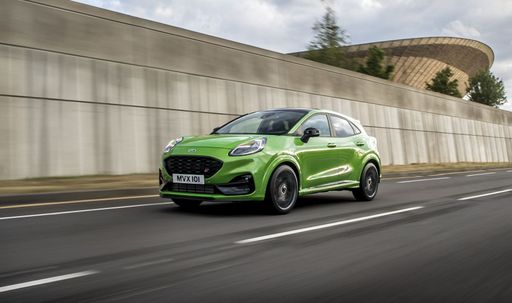
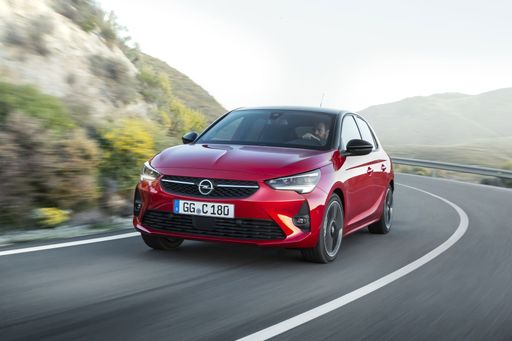
The small car segment has room for different attitudes, and these two arrive with distinct personalities. The Ford Puma leans into a cheeky, SUV-inspired stance that promises a bit more drama and presence on the pavement. The Opel Corsa plays its cards closer to the chest, favouring tidy proportions and everyday composure that suit city life. Choosing between them is as much about style as it is about practicality, so your taste will steer you before the spec sheet does.
Puma

Behind the Wheel

Driving either car is enjoyable, but the sensations are different: the Puma feels eager and a touch sportier when you push on, rewarding those who like a tauter chassis and a more engaging response. The Corsa rewards gentle inputs and tight urban manoeuvres, feeling lighter through town and predictably steady on longer runs. Both deliver confidence, but they ask you to pick what kind of driving smile you value most. If you favour crisp feedback, the Puma nudges you one way; if you prefer fuss-free composure, the Corsa leans the other.

Corsa

Cabin Comfort and Usability

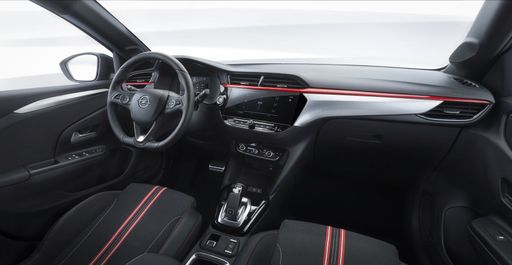
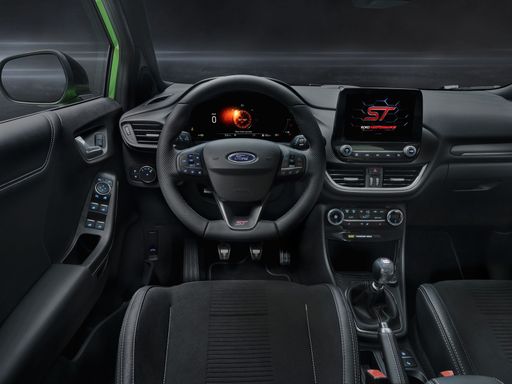
Step inside and the contrast continues: the Puma’s cabin feels sculpted and contemporary, with a slightly elevated seating position that gives a sense of control and a more premium touch to its materials. The Corsa’s interior is straightforward and well laid out, prioritising clear ergonomics and user-friendly controls that are easy to live with day after day. Long journeys reveal subtle trade-offs — the Puma’s poise helps on open roads, while the Corsa’s simplicity keeps fatigue at bay in everyday use. Both cabins are purpose-built for modern life, just with different approaches to comfort.

Puma

Practicalities That Pay Off

On the practical front, packaging matters more than badges, and both cars use their footprints smartly for real-world chores. The Puma tends to favour versatility, offering clever storage solutions and a sense of space that adapts well to weekend errands or hauling awkward loads. The Corsa’s strengths are its compactness and the way small details make urban living easier, from parking to fitting into tight city spaces. Families and commuters will both find reasons to nod in approval; it’s a question of whether you prefer adaptable bulk or nimble efficiency.

Corsa

Daily Life and Running Costs

Owning either car is straightforward, but your priorities will tip the balance: the Corsa is clearly aimed at drivers who want low fuss and cost-conscious choices, while the Puma asks for a bit more investment in exchange for extra refinement and equipment. Both are designed to be economical and easy to maintain, yet they appeal to different wallets and expectations for kit and feel. Insurance, servicing and the small day-to-day compromises will vary by specification, so think about the kind of ownership that suits your routine. In short, one is the thriftier companion and the other trades some of that thrift for extra presence and polish.

Puma

Looks and Who You'll Impress

Looks are subjective, but intent is clear: the Puma is the showier of the two, drawing approving glances with its bolder silhouette and sporty cues that suit image-conscious buyers. The Corsa opts for understatement and tidy lines that age well and appeal to those who prefer classical good sense over flash. If you want to make a visual statement during the commute, the Puma leans into that role; if you want something that slips into any environment without fuss, the Corsa will be the comfortable choice. Either way, both wear their looks confidently and attract different kinds of admirers.

Corsa

Book a Test Drive, Then Decide

The best way to choose is always a seat-of-the-pants comparison, because personal taste and daily needs trump brochure figures every time. Try the Puma if you crave character and a more planted feel, and spend time with the Corsa if simplicity, urban agility, and no-nonsense practicality are top of your list. Consider your daily route, how often you carry cargo, and whether image or economy matters more when you sign the paperwork. Keep reading — the DriveDuel Champion will be revealed afterwards.

Here’s where it gets real: The technical differences in detail

Corsa

Costs and Efficiency:

When it comes to price and running costs, the biggest differences usually appear. This is often where you see which car fits your budget better in the long run.

Vauxhall Corsa is markedly cheaper – starting at 19,600 £ , while the Ford Puma costs 23,900 £ . That’s a price difference of around 4,294 £.

Fuel consumption also shows a difference: the Vauxhall Corsa uses 4.6 L/100km and is moderately more efficient than the Ford Puma with 5.4 L/100km. The difference is about 0.8 L/100km.

In terms of energy consumption, the Ford Puma is slightly more efficient: consuming 13 kWh/100km compared to 14.4 kWh/100km for the Vauxhall Corsa. That’s a difference of about 1.4 kWh/100km.

As for electric range, the Vauxhall Corsa offers marginally more range – reaching up to 424 km, about 7 km more than the Ford Puma.

Puma

Engine and Performance:

Under the bonnet, it becomes clear which model is tuned for sportiness and which one takes the lead when you hit the accelerator.

When it comes to engine power, the Ford Puma offers barely more power – delivering 168 HP compared to 156 HP. That’s roughly 12 HP more horsepower.

When accelerating from 0 to 100 km/h, the Ford Puma is only slightly quicker – completing the sprint in 7.4 s, while the Vauxhall Corsa takes 7.9 s. That’s about 0.5 s quicker.

There’s also a difference in torque: the Ford Puma delivers somewhat more torque with 290 Nm compared to 260 Nm. That’s about 30 Nm more.

Corsa

Space and Everyday Use:

Cabin size, boot volume and payload all play a role in everyday practicality. Here, comfort and flexibility make the difference.

Both vehicles offer seating for 5 people.

In terms of curb weight, Vauxhall Corsa is a bit lighter – 1,175 kg compared to 1,316 kg. The difference is around 141 kg.

When it comes to payload, the Ford Puma carries marginally more – 469 kg compared to 445 kg. That’s a difference of about 24 kg.

Who wins the race in the data check?

The Vauxhall Corsa has the upper hand in the objective data comparison.
This result only shows which model scores more points on paper – not which of the two cars feels right for you.

from £19,600
Corsa

Vauxhall Corsa

  • Engine Type : Electric, Petrol MHEV, Petrol
  • Transmission : Automatic, Manuel
  • Drive Type : Front-Wheel Drive
  • Power HP : 100 - 156 HP
  • Consumption L/100km : 4.6 - 5.2 L/100km
  • Consumption kWh/100km : 14.4 - 16.2 kWh/100km
  • Electric Range : 347 - 424 km
Vauxhall Corsa
Ford Puma

Costs and Consumption

View detailed analysis

Engine and Performance

View detailed analysis

Dimensions and Body

View detailed analysis

Vauxhall Corsa

The Opel Corsa is a tidy little package that blends cheeky styling with sensible practicality, perfect for city streets and weekend escapes alike. It’s easy to live with, economical to run and just lively enough to make daily driving a bit more fun.

details

Ford Puma

The Ford Puma is a cheeky compact crossover that blends sporty styling with city-friendly practicality, giving drivers a surprisingly fun and composed ride. With clever storage tricks and a lively personality, it’s a smart pick for buyers who want enjoyment without fuss.

details
Vauxhall Corsa
Ford Puma

Costs and Consumption

Price
19,600 - 30,600 £
Price
23,900 - 36,300 £
Consumption L/100km
4.6 - 5.2 L/100km
Consumption L/100km
5.4 - 5.9 L/100km
Consumption kWh/100km
14.4 - 16.2 kWh/100km
Consumption kWh/100km
13 - 13.7 kWh/100km
Electric Range
347 - 424 km
Electric Range
404 - 417 km
Battery Capacity
46 - 51 kWh
Battery Capacity
-
co2
0 - 116 g/km
co2
0 - 135 g/km
Fuel tank capacity
44 L
Fuel tank capacity
-

Dimensions and Body

Body Type
Hatchback
Body Type
SUV
Seats
5
Seats
5
Doors
5
Doors
-
Curb weight
1,175 - 1,544 kg
Curb weight
1,316 - 1,563 kg
Trunk capacity
267 - 309 L
Trunk capacity
-
Length
4,061 mm
Length
-
Width
1,765 mm
Width
1,805 mm
Height
1,435 mm
Height
-
Max trunk capacity
1,004 - 1,042 L
Max trunk capacity
-
Payload
376 - 445 kg
Payload
367 - 469 kg

Engine and Performance

Engine Type
Electric, Petrol MHEV, Petrol
Engine Type
Petrol MHEV, Electric
Transmission
Automatic, Manuel
Transmission
Manuel, Automatic
Transmission Detail
Reduction Gearbox, Dual-Clutch Automatic, Manual Gearbox
Transmission Detail
Manual Gearbox, Dual-Clutch Automatic, Reduction Gearbox
Drive Type
Front-Wheel Drive
Drive Type
Front-Wheel Drive
Power HP
100 - 156 HP
Power HP
125 - 168 HP
Acceleration 0-100km/h
7.9 - 9.9 s
Acceleration 0-100km/h
7.4 - 9.8 s
Max Speed
150 - 210 km/h
Max Speed
-
Torque
205 - 260 Nm
Torque
170 - 290 Nm
Number of Cylinders
3
Number of Cylinders
3
Power kW
74 - 115 kW
Power kW
92 - 124 kW
Engine capacity
1,199 cm3
Engine capacity
999 cm3

General

Model Year
2,024 - 2,025
Model Year
2,025 - 2,026
CO2 Efficiency Class
A, C, D
CO2 Efficiency Class
D, A
Brand
Vauxhall
Brand
Ford
DriveDuel uses data analysis and artificial intelligence to evaluate vehicle data and create content. Content is regularly reviewed and improved. The displayed prices are estimates based on German list prices, adjusted to the respective country’s VAT. Country-specific registration taxes are not included. This information is not legally binding.