VS

Vauxhall Frontera vs VW T-Roc comparison

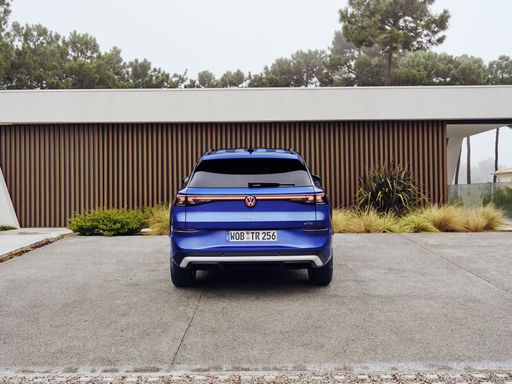
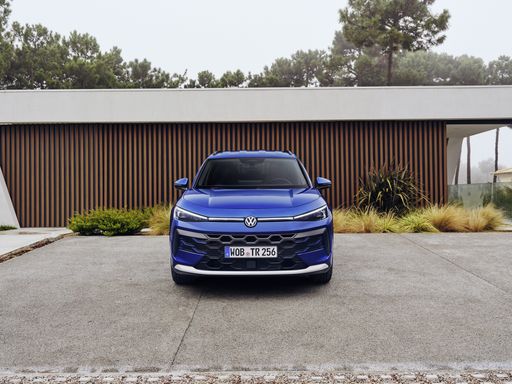
Compare performance (145 HP vs 150 HP), boot space and price (20,700 £ vs 26,400 £ ) at a glance. Find out which car is the better choice for you – Vauxhall Frontera or VW T-Roc?

Vauxhall Frontera vs VW T-Roc: Key differences

Vauxhall Frontera

4.5 (3 Reviews)
rate
  • visibly cheaper
  • only slightly more efficient
  • very slightly lighter
  • noticeably more trunk space

VW T-Roc

4.8 (6 Reviews)
rate
  • barely more power
  • very slightly quicker 0–100 km/h

All details on performance, efficiency, range and trunk space can be found in the technical comparison below – including user reviews for both models.

Frontera

An In-Depth Look at Compact SUVs: Opel Frontera vs. VW T-Roc

The compact SUV segment is more vibrant than ever with each automaker striving to deliver cutting-edge technology and superior performance. Today, we explore the dynamic competition between two popular models: the Opel Frontera and the VW T-Roc. While both cars boast their unique strengths, their approaches to design, performance, and innovation offer something distinct for potential buyers. Let's dive into the technical details and compare these exciting models.
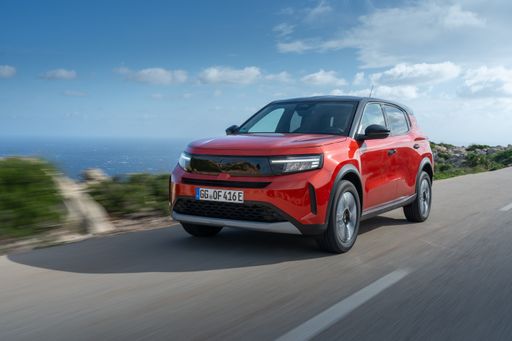
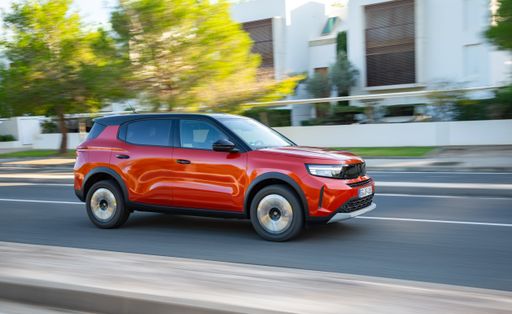
T-Roc

Performance and Engine Options

The Opel Frontera presents a range of engine options, covering both the traditional combustion engine (Petrol MHEV) and an all-electric variant. The petrol variant includes a 1.2-liter engine with an output of 100 HP up to 136 HP, coupled with a dual-clutch automatic transmission. This makes for a versatile option for those seeking efficient driving, as evidenced by a consumption rate of 5.5 L/100km. The all-electric counterpart boasts a 305 km electric range with a power output of 113 HP and a reduction gearbox for smooth electric driving.

Contrastingly, the VW T-Roc brings a variety of petrol and diesel engines ranging from 115 HP to a powerful 300 HP. It caters to diverse preferences with both manual and automatic transmission options. The petrol engines, especially the 150 HP variant, are particularly favored for their balanced performance, offering a respectable acceleration from 0-100 km/h in under 9 seconds for some models. Efficiency is competitive with fuel consumption starting at 4.7 L/100km for diesel engines.

Frontera

Dimensions and Design

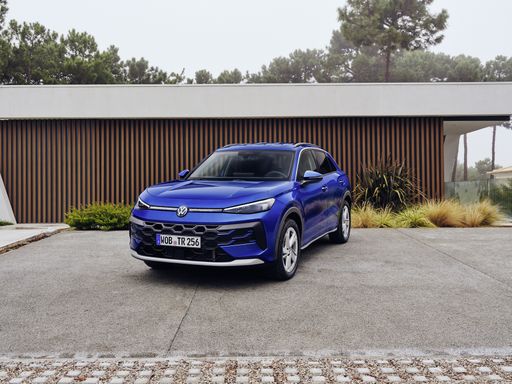
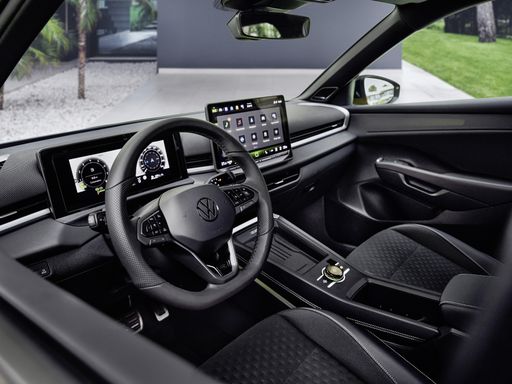
When it comes to design, the Opel Frontera is slightly larger in dimensions with a length of 4385 mm, width of 1795 mm, and height of 1635 mm, providing ample space for occupants. The Frontera offers flexible seating configurations that accommodate either 5 or 7 passengers, making it a highly versatile vehicle for families or group travels. With a trunk capacity of 460 liters, it combines utility with style.

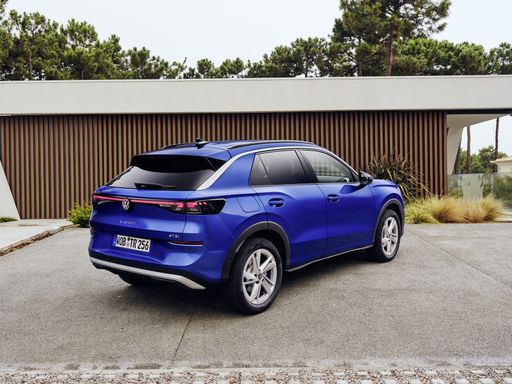
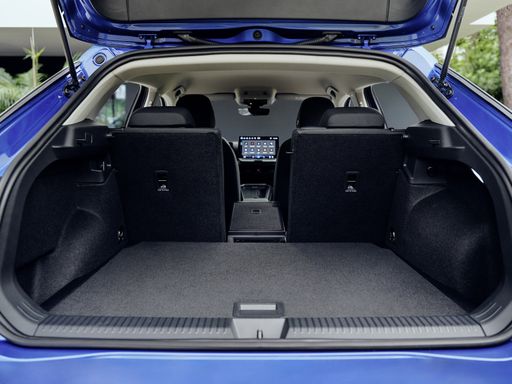
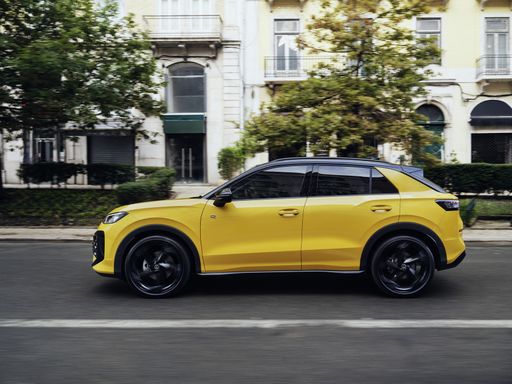
The VW T-Roc, on the other hand, has a more compact design with lengths varying between 4236 mm to 4271 mm and width near 1819 mm. Its height ranges from 1527 mm to 1584 mm, giving it a sporty yet practical appearance. However, it should be noted that its trunk capacity of up to 445 liters is slightly less than that of the Frontera. The VW T-Roc primarily seats 5, focusing on comfort and an engaging driving experience.

T-Roc

Technological Innovations and Efficiency

Both models cater to eco-conscious drivers, yet each achieves this goal differently. The Opel Frontera offers a zero-emission electric option, emphasizing modernity with a CO2 efficiency class of A. This electric variant sets the standard for eco-friendly commuting with zero CO2 emissions.

Similarly, the VW T-Roc includes efficient engines as well as numerous petrol and diesel configurations with CO2 efficiency classes ranging from D to G. Although it doesn't offer an all-electric version yet, its internal combustion engines are optimized for minimal emissions, achieving a balance between power and environmental responsibility.

Frontera

Conclusion: The Choice is Yours

In summary, the Opel Frontera and the VW T-Roc bring their distinctive characteristics to the compact SUV arena. The Frontera stands out with its innovative hybrid and electric powertrain options, alongside versatile space offerings. Meanwhile, the T-Roc impresses with its strong engine lineup and classic VW engineering that combine performance with economy.

Choosing between these two can be challenging, but it comes down to personal preference: whether it is the push towards greener technology and multi-faceted usage offered by Opel Frontera or the high-performing, elegantly designed, and varied offering of engines from the VW T-Roc.

Here’s where it gets real: The technical differences in detail

Frontera

Costs and Efficiency:

Price and efficiency are often the first things buyers look at. Here it becomes clear which model has the long-term edge – whether at the pump, the plug, or in purchase price.

Vauxhall Frontera is visibly cheaper – starting at 20,700 £ , while the VW T-Roc costs 26,400 £ . That’s a price difference of around 5,704 £.

Fuel consumption also shows a difference: the Vauxhall Frontera uses 5.2 L/100km and is only slightly more efficient than the VW T-Roc with 5.5 L/100km. The difference is about 0.3 L/100km.

T-Roc

Engine and Performance:

Power, torque and acceleration say a lot about how a car feels on the road. This is where you see which model delivers more driving dynamics.

When it comes to engine power, the VW T-Roc offers barely more power – delivering 150 HP compared to 145 HP. That’s roughly 5 HP more horsepower.

When accelerating from 0 to 100 km/h, the VW T-Roc is very slightly quicker – completing the sprint in 8.9 s, while the Vauxhall Frontera takes 9.1 s. That’s about 0.2 s quicker.

There’s also a difference in torque: the VW T-Roc delivers very slightly more torque with 250 Nm compared to 230 Nm. That’s about 20 Nm more.

Frontera

Space and Everyday Use:

Beyond pure performance, interior space and usability matter most in daily life. This is where you see which car is more practical and versatile.

Seats: Vauxhall Frontera offers more seats – 7 vs 5.

In terms of curb weight, Vauxhall Frontera is very slightly lighter – 1,394 kg compared to 1,465 kg. The difference is around 71 kg.

Looking at boot space, the Vauxhall Frontera offers noticeably more boot space – 460 L compared to 284 L. That’s a difference of about 176 L.

When it comes to payload, the Vauxhall Frontera carries barely more – 570 kg compared to 515 kg. That’s a difference of about 55 kg.

Who wins the race in the data check?

The Vauxhall Frontera is decisively ahead in the objective data comparison.
This result only shows which model scores more points on paper – not which of the two cars feels right for you.

from £20,700
Frontera

Vauxhall Frontera

  • Engine Type : Electric, Petrol MHEV
  • Transmission : Automatic
  • Drive Type : Front-Wheel Drive
  • Power HP : 110 - 145 HP
  • Consumption L/100km : 5.2 - 5.3 L/100km
  • Consumption kWh/100km : 15.8 - 18.3 kWh/100km
  • Electric Range : 305 - 408 km
Vauxhall Frontera
VW T-Roc

Costs and Consumption

View detailed analysis

Engine and Performance

View detailed analysis

Dimensions and Body

View detailed analysis

Vauxhall Frontera

The Opel Frontera wears its rugged, go-anywhere intentions proudly, serving up a simple, no-nonsense package that feels as comfortable off the beaten track as it does at the supermarket. It won’t set hearts racing with glamour, but its honest practicality and rugged charm make it a smart pick for buyers who prefer substance over style.

details

VW T-Roc

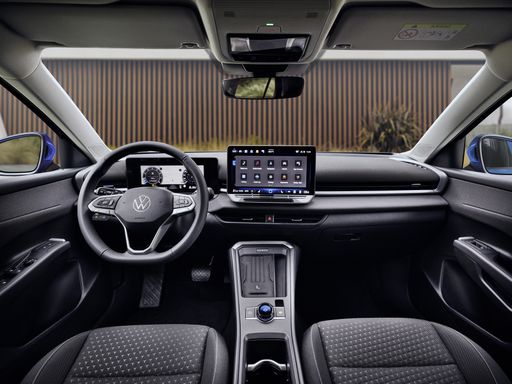
The VW T-Roc mixes cheeky, coupe-like styling with the everyday sense and space of an SUV, so it looks fun without sacrificing family sense. It’s a likeable all-rounder with tidy road manners and plenty of personality, ideal if you want a car that’s practical enough for chores but entertaining enough to enjoy.

details
Vauxhall Frontera
VW T-Roc

Costs and Consumption

Price
20,700 - 30,000 £
Price
26,400 - 38,600 £
Consumption L/100km
5.2 - 5.3 L/100km
Consumption L/100km
5.5 - 6.3 L/100km
Consumption kWh/100km
15.8 - 18.3 kWh/100km
Consumption kWh/100km
-
Electric Range
305 - 408 km
Electric Range
-
Battery Capacity
-
Battery Capacity
-
co2
0 - 119 g/km
co2
126 - 143 g/km
Fuel tank capacity
-
Fuel tank capacity
-

Dimensions and Body

Body Type
SUV
Body Type
SUV
Seats
5 - 7
Seats
4 - 5
Doors
5
Doors
-
Curb weight
1,394 - 1,610 kg
Curb weight
1,465 - 1,539 kg
Trunk capacity
460 L
Trunk capacity
284 L
Length
4,385 mm
Length
-
Width
1,795 mm
Width
1,811 - 1,828 mm
Height
1,635 mm
Height
-
Max trunk capacity
1,600 L
Max trunk capacity
-
Payload
436 - 570 kg
Payload
368 - 515 kg

Engine and Performance

Engine Type
Electric, Petrol MHEV
Engine Type
Petrol, Petrol MHEV
Transmission
Automatic
Transmission
Manuel, Automatic
Transmission Detail
Reduction Gearbox, Dual-Clutch Automatic
Transmission Detail
Manual Gearbox, Dual-Clutch Automatic
Drive Type
Front-Wheel Drive
Drive Type
Front-Wheel Drive
Power HP
110 - 145 HP
Power HP
115 - 150 HP
Acceleration 0-100km/h
9.1 - 14.2 s
Acceleration 0-100km/h
8.9 - 12.3 s
Max Speed
143 km/h
Max Speed
-
Torque
125 - 230 Nm
Torque
200 - 250 Nm
Number of Cylinders
3
Number of Cylinders
3 - 4
Power kW
81 - 107 kW
Power kW
85 - 110 kW
Engine capacity
1,199 cm3
Engine capacity
999 - 1,498 cm3

General

Model Year
2,024 - 2,025
Model Year
2,024 - 2,025
CO2 Efficiency Class
A, D
CO2 Efficiency Class
E, D
Brand
Vauxhall
Brand
VW
DriveDuel uses data analysis and artificial intelligence to evaluate vehicle data and create content. Content is regularly reviewed and improved. The displayed prices are estimates based on German list prices, adjusted to the respective country’s VAT. Country-specific registration taxes are not included. This information is not legally binding.