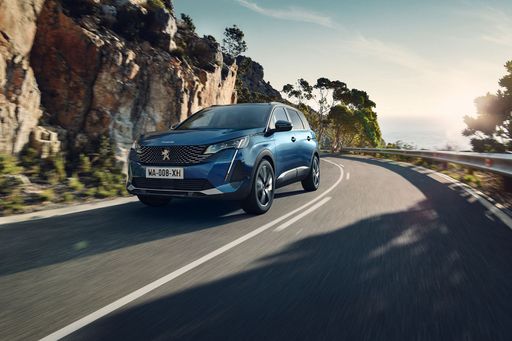
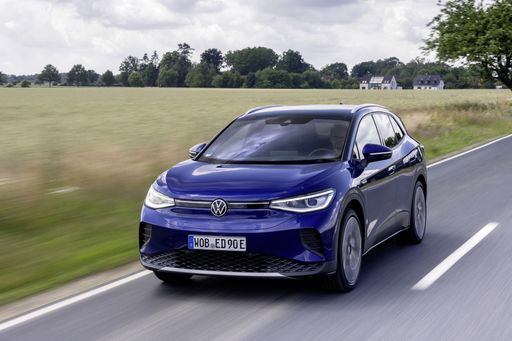
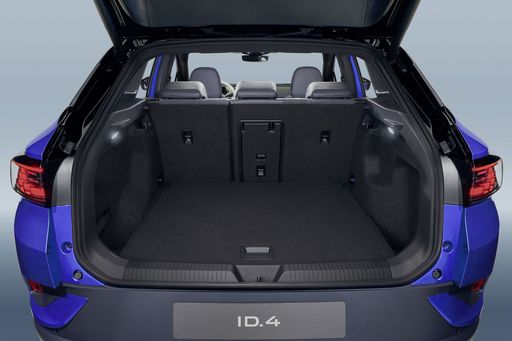
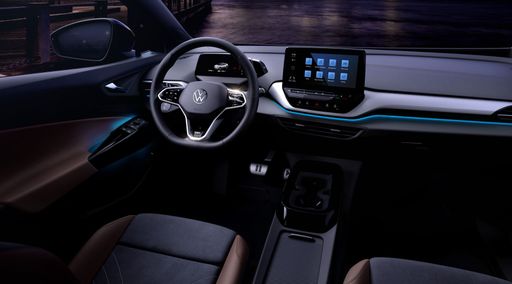
Compare performance (325 HP vs 340 HP), boot space and price (37600 £ vs 34600 £ ) at a glance. Find out which car is the better choice for you – Peugeot 5008 or VW ID.4?
When it comes to price and running costs, the biggest differences usually appear. This is often where you see which car fits your budget better in the long run.
VW ID.4 has a slight advantage in terms of price – it starts at 34600 £ , while the Peugeot 5008 costs 37600 £ . That’s a price difference of around 3022 £.
In terms of energy consumption, the advantage goes to the VW ID.4: with 15.60 kWh per 100 km, it’s somewhat more efficient than the Peugeot 5008 with 17.80 kWh. That’s a difference of about 2.20 kWh.
As for electric range, the Peugeot 5008 performs to a small extent better – achieving up to 669 km, about 100 km more than the VW ID.4.
Power, torque and acceleration are the classic benchmarks for car enthusiasts – and here, some clear differences start to show.
When it comes to engine power, the VW ID.4 has a minimal edge – offering 340 HP compared to 325 HP. That’s roughly 15 HP more horsepower.
In acceleration from 0 to 100 km/h, the VW ID.4 is noticeable quicker – completing the sprint in 5.40 s, while the Peugeot 5008 takes 6.50 s. That’s about 1.10 s faster.
In terms of top speed, the Peugeot 5008 performs somewhat better – reaching 220 km/h, while the VW ID.4 tops out at 180 km/h. The difference is around 40 km/h.
There’s also a difference in torque: VW ID.4 pulls evident stronger with 679 Nm compared to 511 Nm. That’s about 168 Nm difference.
Beyond pure performance, interior space and usability matter most in daily life. This is where you see which car is more practical and versatile.
Seats: Peugeot 5008 offers distinct more seating capacity – 7 vs 5.
In curb weight, Peugeot 5008 is to a small extent lighter – 1700 kg compared to 1975 kg. The difference is around 275 kg.
In terms of boot space, the VW ID.4 offers distinct more room – 543 L compared to 348 L. That’s a difference of about 195 L.
In maximum load capacity, the Peugeot 5008 performs clearly perceptible better – up to 2232 L, which is about 657 L more than the VW ID.4.
When it comes to payload, Peugeot 5008 to a small extent takes the win – 640 kg compared to 551 kg. That’s a difference of about 89 kg.
The Peugeot 5008 comes out modestly ahead in the objective data comparison.
This result only shows which model scores more points on paper – not which of the two cars feels right for you.
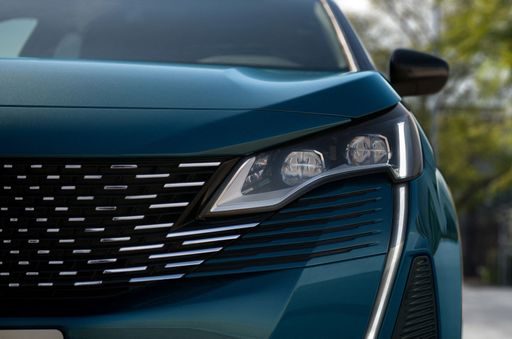
The Peugeot 5008 blends Peugeot's sharp design with the space and versatility families actually need, wrapping clever packaging and a premium-feeling cabin in a crisp, SUV-like silhouette. It drives with more poise than you'd expect from a people carrier, serves up practical touches and flexible seating for everyday chaos, and still looks good when parked outside the school gates.
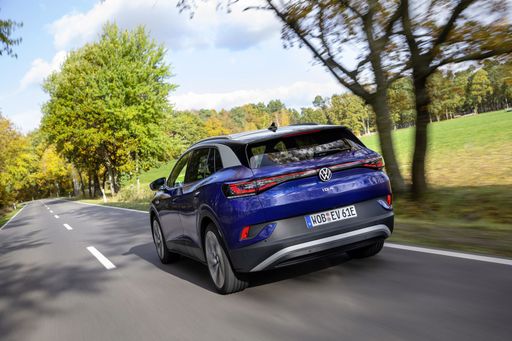
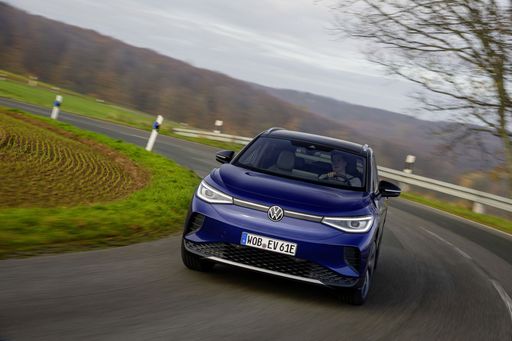
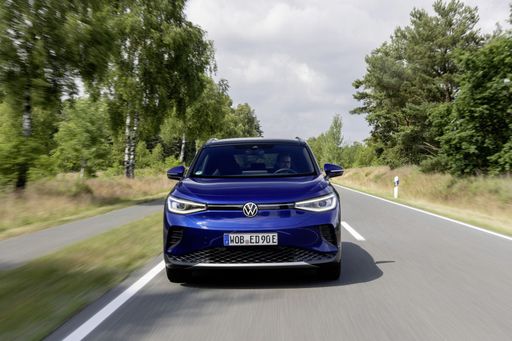
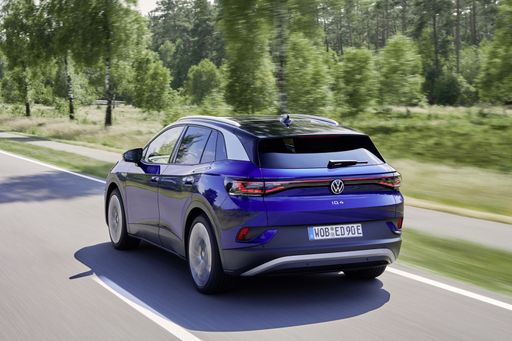
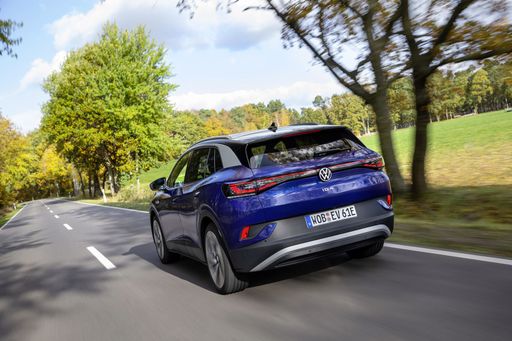
detailsThe VW ID.4 is a calm, roomy electric SUV that turns everyday driving into a quietly confident experience, its practical packaging and smooth manners tailored perfectly for family life. Volkswagen's solid build and intuitive interior tech mean you get electric practicality without the sci‑fi theatrics, making the ID.4 a sensible, surprisingly likable choice for most buyers.
detailsCosts and Consumption |
|
|---|---|
|
Price
37600 - 54200 £
|
Price
34600 - 47200 £
|
|
Consumption L/100km
2.7 - 5.6 L
|
Consumption L/100km
-
|
|
Consumption kWh/100km
17.8 - 18.6 kWh
|
Consumption kWh/100km
15.6 - 17 kWh
|
|
Electric Range
78 - 669 km
|
Electric Range
356 - 569 km
|
|
Battery Capacity
0.4 - 96.9 kWh
|
Battery Capacity
52 - 77 kWh
|
|
co2
0 - 127 g/km
|
co2
0 g/km
|
|
Fuel tank capacity
55 L
|
Fuel tank capacity
-
|
Dimensions and Body |
|
|---|---|
|
Body Type
SUV
|
Body Type
SUV
|
|
Seats
7
|
Seats
5
|
|
Doors
5
|
Doors
5
|
|
Curb weight
1700 - 2344 kg
|
Curb weight
1975 - 2248 kg
|
|
Trunk capacity
294 - 348 L
|
Trunk capacity
543 L
|
|
Length
4791 mm
|
Length
4582 - 4584 mm
|
|
Width
1895 mm
|
Width
1852 mm
|
|
Height
1694 mm
|
Height
1619 - 1634 mm
|
|
Max trunk capacity
2178 - 2232 L
|
Max trunk capacity
1575 L
|
|
Payload
596 - 640 kg
|
Payload
515 - 551 kg
|
Engine and Performance |
|
|---|---|
|
Engine Type
Electric, Petrol MHEV, Plugin Hybrid
|
Engine Type
Electric
|
|
Transmission
Automatic
|
Transmission
Automatic
|
|
Transmission Detail
Reduction Gearbox, Dual-Clutch Automatic
|
Transmission Detail
Reduction Gearbox
|
|
Drive Type
Front-Wheel Drive, All-Wheel Drive
|
Drive Type
Rear-Wheel Drive, All-Wheel Drive
|
|
Power HP
145 - 325 HP
|
Power HP
170 - 340 HP
|
|
Acceleration 0-100km/h
6.5 - 10.2 s
|
Acceleration 0-100km/h
5.4 - 9 s
|
|
Max Speed
170 - 220 km/h
|
Max Speed
160 - 180 km/h
|
|
Torque
230 - 511 Nm
|
Torque
310 - 679 Nm
|
|
Number of Cylinders
3 - 4
|
Number of Cylinders
-
|
|
Power kW
107 - 239 kW
|
Power kW
125 - 250 kW
|
|
Engine capacity
1199 - 1598 cm3
|
Engine capacity
-
|
General |
|
|---|---|
|
Model Year
2024 - 2025
|
Model Year
2023 - 2025
|
|
CO2 Efficiency Class
A, D, B
|
CO2 Efficiency Class
A
|
|
Brand
Peugeot
|
Brand
VW
|
Available configurations include Front-Wheel Drive or All-Wheel Drive.