VS

Polestar 3 vs BMW iX comparison

Compare performance (517 HP vs 659 HP), boot space and price (67,400 £ vs 71,600 £ ) at a glance. Find out which car is the better choice for you – Polestar 3 or BMW iX?

Polestar 3 vs BMW iX: Key differences

Polestar 3

  • marginally cheaper
  • very slightly more efficient
  • barely more electric range

BMW iX

3.9 (1 Reviews)
rate
  • visibly more power
  • markedly quicker 0–100 km/h
  • barely lighter
  • very slightly more trunk space

All details on performance, efficiency, range and trunk space can be found in the technical comparison below – including user reviews for both models.

3

A Clash of Electric Titans: BMW iX vs. Polestar 3

The automotive industry is witnessing an electrifying transformation, with dazzling innovations powering the shift towards electric mobility. Two giants standing tall in the luxury electric SUV segment are the BMW iX and the Polestar 3. This article delves into an in-depth comparison, highlighting their technical prowess and innovative features.
iX

Power and Performance

When it comes to power, the BMW iX offers a wide array of variants boasting different power outputs. It starts with configurations delivering 326 HP and goes up to an exhilarating 659 HP. The iX reaches 0-100 km/h in just 3.8 seconds in its most powerful configuration, with a maximum speed of 250 km/h. This allows drivers to experience a smooth yet thrilling ride, courtesy of its all-wheel-drive system and finely-tuned reduction gearbox transmission.

The Polestar 3, on the other hand, is also no slouch in the performance department. With power options extending from 299 HP to 517 HP, the Polestar 3 jumps from 0 to 100 km/h in 4.7 seconds at its peak configuration. The SUV supports all-wheel-drive and rear-wheel-drive options, providing flexibility based on driver preference. It tops out at a respectable 210 km/h.

3

Battery Efficiency and Range

One of the make-or-break factors in electric vehicles is their battery capacity and range. The BMW iX's battery capacity spans up to 109.6 kWh, yielding an impressive maximum electric range of up to 701 km on a single charge under optimal conditions.

Polestar 3 houses a slightly smaller battery with a capacity of 107 kWh. Nevertheless, it delivers a commendable electric range, reaching up to 650 km, thanks to its efficient energy consumption of 18.9 kWh/100 km.

iX

Design and Dimensions

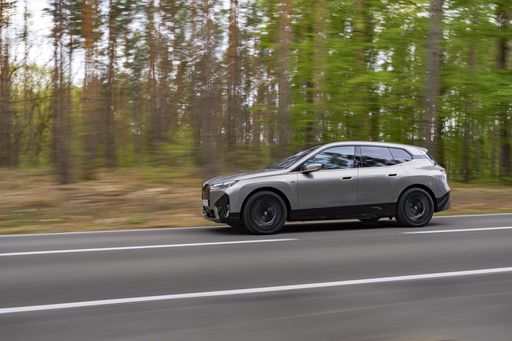
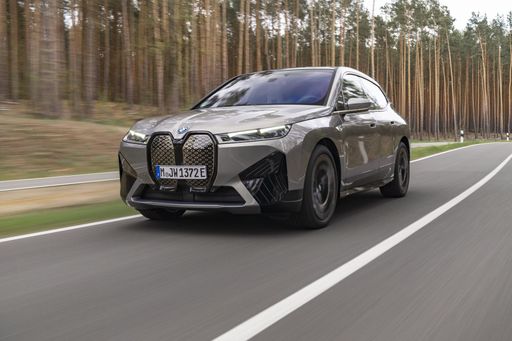
The BMW iX is a paragon of luxury and space, with its SUV body type stretching out at a length of up to 4965 mm, a width of 1970 mm, and a height of 1696 mm. Its curb weight varies from 2440 kg to 2670 kg, depending on the trim, and it boasts a payload capacity of up to 575 kg.

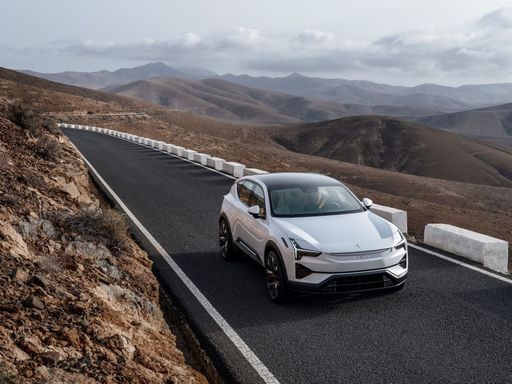
In contrast, the Polestar 3 offers an athletic stance with dimensions slightly more compact than the iX. It measures 4900 mm in length, 1935 mm in width, and 1614 mm in height, with a curb weight of 2584 kg. Its payload capacity stands at 496 kg, making it ideal for both performance enthusiasts and tech-savvy urbanites.

3

Innovation and Features

Both models emphasize sustainability with a CO2 efficiency class of A and a virtual absence of emissions at zero g/km. Yet, each manufacturer has a distinct approach to innovation. The BMW iX integrates advanced driver-assistance systems with a focus on connectivity and luxury, while Polestar 3 pushes the envelope with its minimalist Scandinavian design philosophy and cutting-edge digital interfaces, ensuring a seamless user experience.

iX

Conclusion

Choosing between the BMW iX and the Polestar 3 aligns closely with individual preferences for power, range, and design. The iX stands out for its broader power range and opulent features, whereas the Polestar 3 appeals with its sleek aesthetic and practical performance. Both vehicles are exemplary of modern electric engineering, setting a high bar for the future of the electric SUV market.

Here’s where it gets real: The technical differences in detail

3

Costs and Efficiency:

Looking at overall running costs, both models reveal some interesting differences in everyday economy.

Polestar 3 is marginally cheaper – starting at 67,400 £ , while the BMW iX costs 71,600 £ . That’s a price difference of around 4,209 £.

In terms of energy consumption, the Polestar 3 is very slightly more efficient: consuming 17.6 kWh/100km compared to 17.8 kWh/100km for the BMW iX. That’s a difference of about 0.2 kWh/100km.

As for electric range, the Polestar 3 offers barely more range – reaching up to 706 km, about 5 km more than the BMW iX.

iX

Engine and Performance:

Under the bonnet, it becomes clear which model is tuned for sportiness and which one takes the lead when you hit the accelerator.

When it comes to engine power, the BMW iX offers visibly more power – delivering 659 HP compared to 517 HP. That’s roughly 142 HP more horsepower.

When accelerating from 0 to 100 km/h, the BMW iX is markedly quicker – completing the sprint in 3.8 s, while the Polestar 3 takes 4.7 s. That’s about 0.9 s quicker.

There’s also a difference in torque: the BMW iX delivers somewhat more torque with 1,015 Nm compared to 910 Nm. That’s about 105 Nm more.

3

Space and Everyday Use:

Whether family car or daily driver – which one offers more room, flexibility and comfort?

Both vehicles offer seating for 5 people.

In terms of curb weight, BMW iX is barely lighter – 2,525 kg compared to 2,575 kg. The difference is around 50 kg.

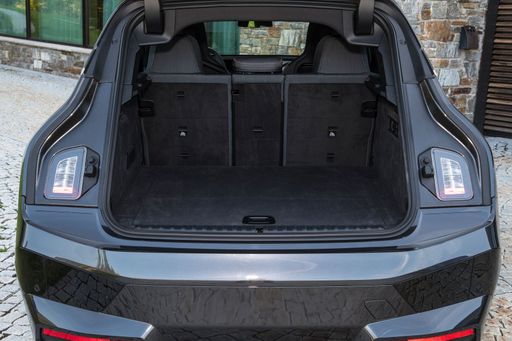
Looking at boot space, the BMW iX offers very slightly more boot space – 500 L compared to 484 L. That’s a difference of about 16 L.

When it comes to payload, the BMW iX carries moderately more – 575 kg compared to 496 kg. That’s a difference of about 79 kg.

Who wins the race in the data check?

The BMW iX stands well ahead of its rival in the objective data comparison.
This result only shows which model scores more points on paper – not which of the two cars feels right for you.

from £71,600
iX

BMW iX

  • Engine Type : Electric
  • Transmission : Automatic
  • Drive Type : All-Wheel Drive
  • Power HP : 408 - 659 HP
  • Consumption kWh/100km : 17.8 - 20.6 kWh/100km
  • Electric Range : 600 - 701 km
Polestar 3
BMW iX

Costs and Consumption

View detailed analysis

Engine and Performance

View detailed analysis

Dimensions and Body

View detailed analysis

Polestar 3

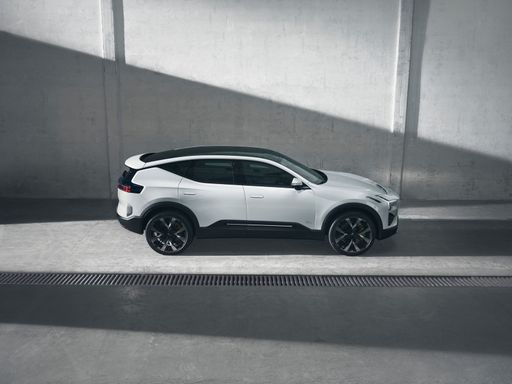
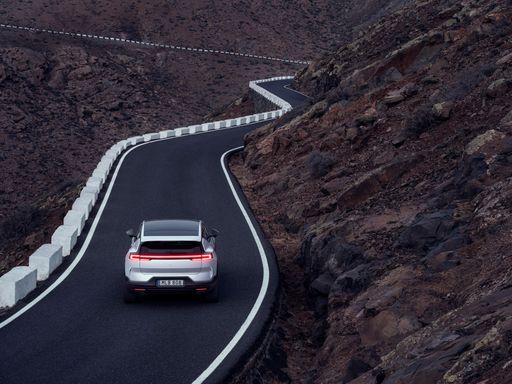
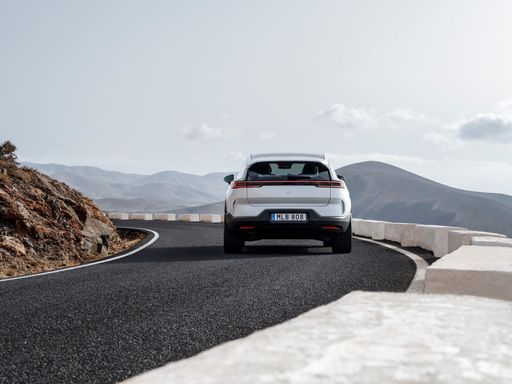
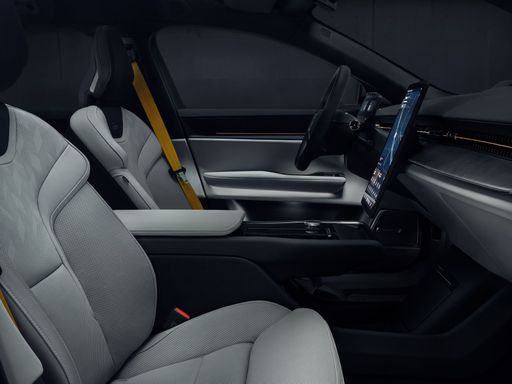
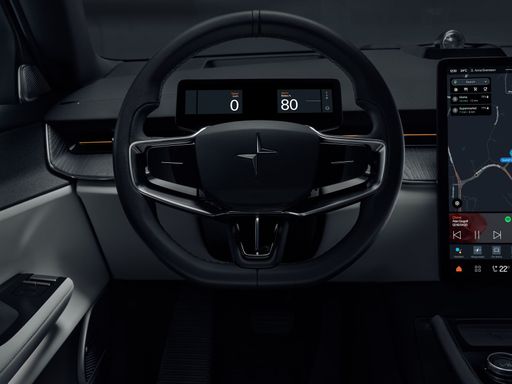
Polestar 3 arrives as a Scandinavian-styled electric SUV that marries minimalist design with a statuesque presence, looking smarter than most in the car park. Inside, the cabin feels airy and thoughtful, with tech and driving manners that lean toward composed comfort rather than outright drama — perfect for buyers who want electric prestige without shouting about it.

details

BMW iX

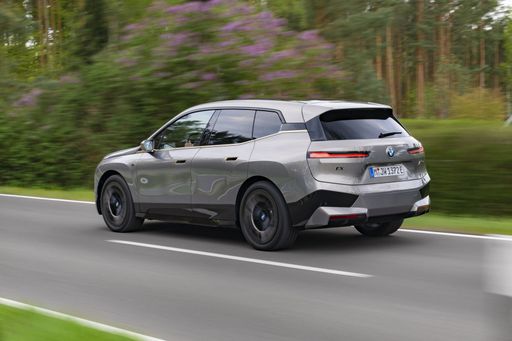
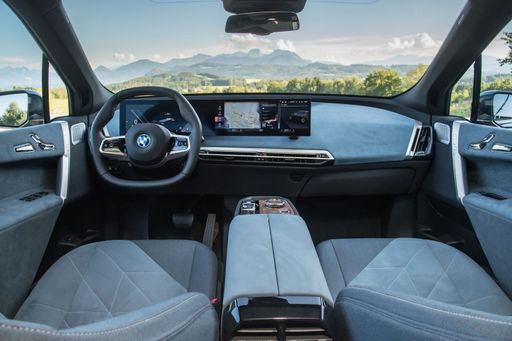
The BMW iX arrives like a tech-rich luxury SUV that refuses to shout, offering a serene yet authoritative road presence that suits both city commutes and long-distance cruising. Inside, its minimalist cabin wraps high-quality materials and clever interfaces around a driver-focused layout, making it feel more like a forward-thinking lounge than just another electric appliance — and yes, it still delivers the dynamic driving character you'd expect from a BMW.

details
Polestar 3
BMW iX

Costs and Consumption

Price
67,400 - 79,000 £
Price
71,600 - 108,400 £
Consumption L/100km
-
Consumption L/100km
-
Consumption kWh/100km
17.6 - 21.9 kWh/100km
Consumption kWh/100km
17.8 - 20.6 kWh/100km
Electric Range
567 - 706 km
Electric Range
600 - 701 km
Battery Capacity
107 kWh
Battery Capacity
-
co2
0 g/km
co2
0 g/km
Fuel tank capacity
-
Fuel tank capacity
-

Dimensions and Body

Body Type
SUV
Body Type
SUV
Seats
5
Seats
5
Doors
5
Doors
-
Curb weight
2,575 - 2,584 kg
Curb weight
2,525 - 2,655 kg
Trunk capacity
484 L
Trunk capacity
500 L
Length
4,900 mm
Length
-
Width
1,935 mm
Width
1,970 mm
Height
1,614 - 1,618 mm
Height
-
Max trunk capacity
1,411 L
Max trunk capacity
-
Payload
285 - 496 kg
Payload
505 - 575 kg

Engine and Performance

Engine Type
Electric
Engine Type
Electric
Transmission
Automatic
Transmission
Automatic
Transmission Detail
Reduction Gearbox
Transmission Detail
Reduction Gearbox
Drive Type
All-Wheel Drive, Rear-Wheel Drive
Drive Type
All-Wheel Drive
Power HP
299 - 517 HP
Power HP
408 - 659 HP
Acceleration 0-100km/h
4.7 - 7.8 s
Acceleration 0-100km/h
3.8 - 5.1 s
Max Speed
180 - 210 km/h
Max Speed
-
Torque
490 - 910 Nm
Torque
700 - 1,015 Nm
Number of Cylinders
-
Number of Cylinders
-
Power kW
220 - 380 kW
Power kW
300 - 485 kW
Engine capacity
-
Engine capacity
-

General

Model Year
2,024
Model Year
2,025
CO2 Efficiency Class
A
CO2 Efficiency Class
A
Brand
Polestar
Brand
BMW
DriveDuel uses data analysis and artificial intelligence to evaluate vehicle data and create content. Content is regularly reviewed and improved. The displayed prices are estimates based on German list prices, adjusted to the respective country’s VAT. Country-specific registration taxes are not included. This information is not legally binding.