VS

Polestar 4 vs Polestar 3 comparison

Compare performance (544 HP vs 517 HP), boot space and price (53,100 £ vs 67,400 £ ) at a glance. Find out which car is the better choice for you – Polestar 4 or Polestar 3?

Polestar 4 vs Polestar 3: Key differences

Polestar 4

4.8 (8 Reviews)
rate
  • clearly cheaper
  • barely more power
  • markedly quicker 0–100 km/h
  • moderately lighter
  • very slightly more trunk space

Polestar 3

  • marginally more efficient
  • moderately more electric range

All details on performance, efficiency, range and trunk space can be found in the technical comparison below – including user reviews for both models.

4

Polestar 3 VS Polestar 4 — the showdown every electric crossover shopper is Googling

Polestar 3 VS Polestar 4 puts two very different takes on the modern electric crossover side by side, with the Polestar 3 leaning toward a full-size electric SUV persona and the Polestar 4 pitching itself as a sleeker coupe-SUV that looks ready for city life. This comparison is about character as much as numbers: one car dresses like a calm long-distance cruiser, the other like a sharp, show-ready roadster in SUV clothing. If you search for real-world differences, you’ll want both the feel and the facts — that’s what this duel is for. Below we unpack how each Polestar behaves in daily life, who each one flatters, and where compromises quietly live.
3

Two moods: gravitas versus grin

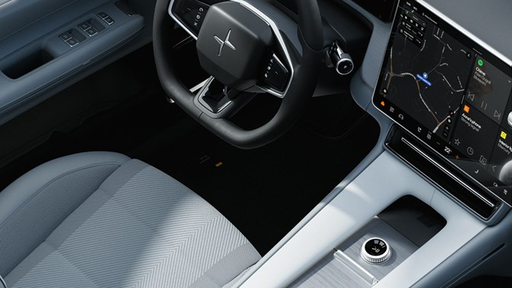
The Polestar 3 feels like a composed, grown-up presence with an emphasis on relaxed composure and cabin serenity, while the Polestar 4 is all about taut lines, sharper handling and theatrical kerb appeal. Polestar 3 wears understatement well — it’s the kind of car that says confidence without shouting — whereas Polestar 4 is the attention-seeker, built to provoke smiles at junctions and admiration in tight urban squares. That difference in attitude carries through materials, ride tuning and how each car rewards a brisk or lazy driving style. Choose mood over metrics and you’ll already be halfway to your decision.

4

Daily life: long-haul calm vs city-savvy agility

On everyday errands and long motorway stints the Polestar 3 leans into comfort and composure, giving you a roomy-feeling cabin and an easy sense of control when the miles stack up. The Polestar 4, by contrast, trades a touch of that lounge-like poise for sharper responses, easier parking and a more compact footprint that suits city-life choreography. Both cars are user-friendly, but the Polestar 3 feels like a family-friendly co-pilot for longer journeys while the Polestar 4 rewards people who spend most of their time in town. Think about whether your days are highway-heavy or kerbside-heavy and you’ll know which direction to nudge towards.

3

Buying a car says something about you — what these two say

Driving a Polestar 3 broadcasts practicality with a premium tilt: you value comfort, space and a relaxed driving experience without ostentation. Choosing the Polestar 4 signals that design and immediacy matter — you want a car that looks distinctive, steers eagerly and rewards weekend sprints as well as weekday arrivals. Both cars offer clear environmental and tech credentials, but the choice becomes a personal statement: do you prefer the reassurance of executive calm or the thrill of compact drama? It’s less about facts and more about the mirror image you want reflected back at you.

4

Who should test-drive the Polestar 3?

The Polestar 3 suits buyers who prioritise comfortable long-distance travel and practical versatility; families and frequent motorway users will appreciate its composed ride and unhurried demeanour. It’s also a good match for someone who wants premium presence without overt flash, and for drivers who prefer a more relaxed driving posture over athletic suspension. If your week is measured in commute miles and weekend luggage, the Polestar 3 will feel reassuringly capable. Even if you like the Polestar 4’s look, a quick drive in the Polestar 3 will reveal why some people won’t trade its calm for sharper thrills.

3

Who should test-drive the Polestar 4 (and why Polestar 3 still matters)

The Polestar 4 is aimed at buyers who want modern design, spirited responses and city-friendly agility — it flatters those who prize image and the fun factor as much as utility. It also appeals to tech-curious drivers who enjoy a more immediate steering feel and a compact footprint for daily parking battles. That said, the presence of the Polestar 3 looms as the counterpoint for anyone who values roomy calm and long-distance composure, so a side-by-side drive will quickly expose which set of compromises suits you. Want to see how those trade-offs play out on paper? Scroll down to the figures and the delta section to match impressions with the hard details.

Here’s where it gets real: The technical differences in detail

4

Costs and Efficiency:

Price and efficiency are key factors when choosing a car – and this is often where the real differences emerge.

Polestar 4 is clearly cheaper – starting at 53,100 £ , while the Polestar 3 costs 67,400 £ . That’s a price difference of around 14,305 £.

In terms of energy consumption, the Polestar 3 is marginally more efficient: consuming 17.6 kWh/100km compared to 17.8 kWh/100km for the Polestar 4. That’s a difference of about 0.2 kWh/100km.

As for electric range, the Polestar 3 offers moderately more range – reaching up to 706 km, about 86 km more than the Polestar 4.

3

Engine and Performance:

Under the bonnet, it becomes clear which model is tuned for sportiness and which one takes the lead when you hit the accelerator.

When it comes to engine power, the Polestar 4 offers barely more power – delivering 544 HP compared to 517 HP. That’s roughly 27 HP more horsepower.

When accelerating from 0 to 100 km/h, the Polestar 4 is markedly quicker – completing the sprint in 3.8 s, while the Polestar 3 takes 4.7 s. That’s about 0.9 s quicker.

Looking at top speed, the Polestar 3 is only slightly faster – reaching 210 km/h, while the Polestar 4 tops out at 200 km/h. The difference is around 10 km/h.

There’s also a difference in torque: the Polestar 3 delivers markedly more torque with 910 Nm compared to 686 Nm. That’s about 224 Nm more.

4

Space and Everyday Use:

Beyond pure performance, interior space and usability matter most in daily life. This is where you see which car is more practical and versatile.

Both vehicles offer seating for 5 people.

In terms of curb weight, Polestar 4 is moderately lighter – 2,230 kg compared to 2,575 kg. The difference is around 345 kg.

Looking at boot space, the Polestar 4 offers very slightly more boot space – 526 L compared to 484 L. That’s a difference of about 42 L.

For maximum load capacity, the Polestar 4 offers barely more capacity – up to 1,536 L, about 125 L more than the Polestar 3.

When it comes to payload, the Polestar 3 carries only slightly more – 496 kg compared to 455 kg. That’s a difference of about 41 kg.

Who wins the race in the data check?

The Polestar 4 comes out modestly ahead in the objective data comparison.
This result only shows which model scores more points on paper – not which of the two cars feels right for you.

from £53,100
4

Polestar 4

  • Engine Type : Electric
  • Transmission : Automatic
  • Drive Type : All-Wheel Drive, Rear-Wheel Drive
  • Power HP : 272 - 544 HP
  • Consumption kWh/100km : 17.8 - 18.7 kWh/100km
  • Electric Range : 590 - 620 km
Polestar 4
Polestar 3

Costs and Consumption

View detailed analysis

Engine and Performance

View detailed analysis

Dimensions and Body

View detailed analysis

Polestar 4

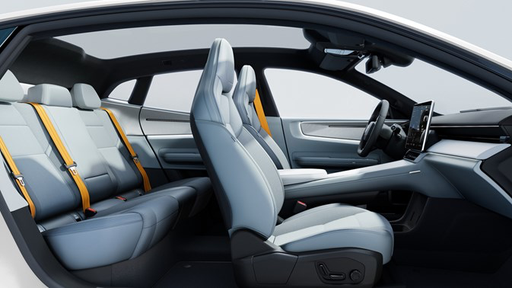
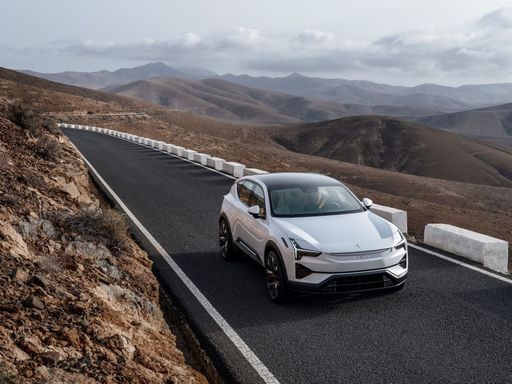
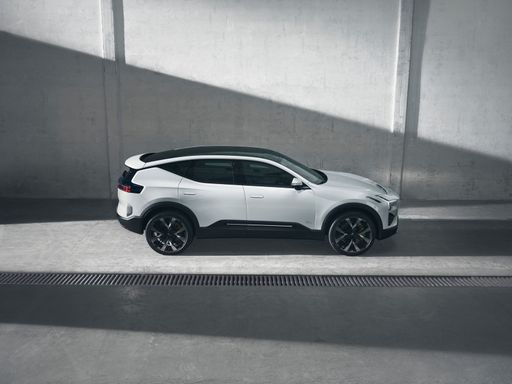
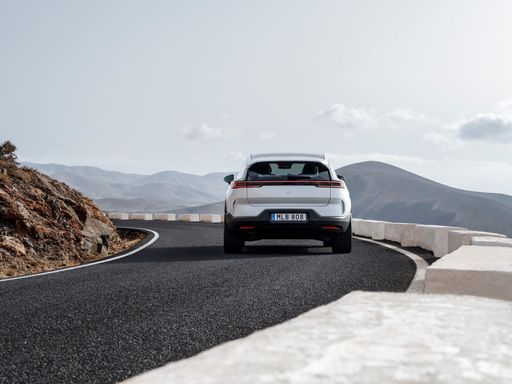
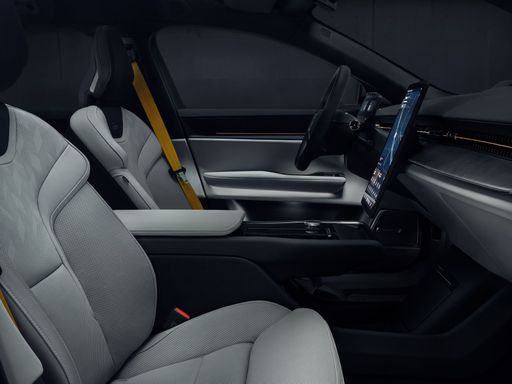
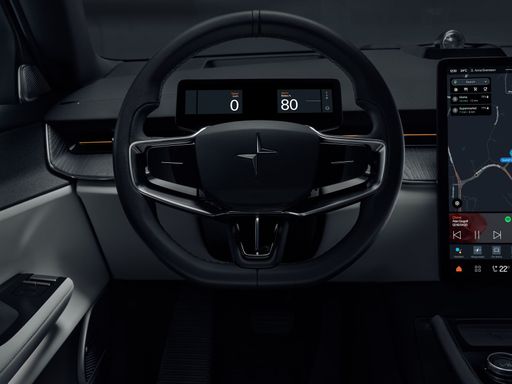
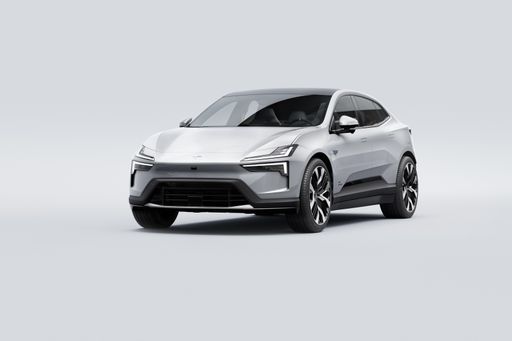
The Polestar 4 wears a coupe-like profile and a Scandinavian-minimal interior that feels premium and unexpectedly roomy, with composed handling that makes urban driving and country roads a pleasure. For buyers who want an electric car that turns heads without shouting, the Polestar 4 is a stylish, clever choice that balances practicality with personality.

details

Polestar 3

Polestar 3 arrives as a Scandinavian-styled electric SUV that marries minimalist design with a statuesque presence, looking smarter than most in the car park. Inside, the cabin feels airy and thoughtful, with tech and driving manners that lean toward composed comfort rather than outright drama — perfect for buyers who want electric prestige without shouting about it.

details
Polestar 4
Polestar 3

Costs and Consumption

Price
53,100 - 59,900 £
Price
67,400 - 79,000 £
Consumption L/100km
-
Consumption L/100km
-
Consumption kWh/100km
17.8 - 18.7 kWh/100km
Consumption kWh/100km
17.6 - 21.9 kWh/100km
Electric Range
590 - 620 km
Electric Range
567 - 706 km
Battery Capacity
94 kWh
Battery Capacity
107 kWh
co2
0 g/km
co2
0 g/km
Fuel tank capacity
-
Fuel tank capacity
-

Dimensions and Body

Body Type
SUV
Body Type
SUV
Seats
5
Seats
5
Doors
5
Doors
5
Curb weight
2,230 - 2,355 kg
Curb weight
2,575 - 2,584 kg
Trunk capacity
526 L
Trunk capacity
484 L
Length
4,840 mm
Length
4,900 mm
Width
2,008 mm
Width
1,935 mm
Height
1,534 mm
Height
1,614 - 1,618 mm
Max trunk capacity
1,536 L
Max trunk capacity
1,411 L
Payload
455 kg
Payload
285 - 496 kg

Engine and Performance

Engine Type
Electric
Engine Type
Electric
Transmission
Automatic
Transmission
Automatic
Transmission Detail
Reduction Gearbox
Transmission Detail
Reduction Gearbox
Drive Type
All-Wheel Drive, Rear-Wheel Drive
Drive Type
All-Wheel Drive, Rear-Wheel Drive
Power HP
272 - 544 HP
Power HP
299 - 517 HP
Acceleration 0-100km/h
3.8 - 7.1 s
Acceleration 0-100km/h
4.7 - 7.8 s
Max Speed
200 km/h
Max Speed
180 - 210 km/h
Torque
343 - 686 Nm
Torque
490 - 910 Nm
Number of Cylinders
-
Number of Cylinders
-
Power kW
200 - 400 kW
Power kW
220 - 380 kW
Engine capacity
-
Engine capacity
-

General

Model Year
2,024
Model Year
2,024
CO2 Efficiency Class
A
CO2 Efficiency Class
A
Brand
Polestar
Brand
Polestar
DriveDuel uses data analysis and artificial intelligence to evaluate vehicle data and create content. Content is regularly reviewed and improved. The displayed prices are estimates based on German list prices, adjusted to the respective country’s VAT. Country-specific registration taxes are not included. This information is not legally binding.