VS

Polestar 4 vs VW ID.7 Touring comparison

Compare performance (544 HP vs 340 HP), boot space and price (53,100 £ vs 47,100 £ ) at a glance. Find out which car is the better choice for you – Polestar 4 or VW ID.7 Touring?

Polestar 4 vs VW ID.7 Touring: Key differences

Polestar 4

4.8 (13 Reviews)
rate
  • noticeably more power
  • significantly quicker 0–100 km/h
details

VW ID.7 Touring

5 (2 Reviews)
rate
  • moderately cheaper
  • visibly more efficient
  • moderately more electric range
  • very slightly lighter
  • slightly more trunk space
details

All details on performance, efficiency, range and trunk space can be found in the technical comparison below – including user reviews for both models.

By Achim Sedelmaier

4

The automotive market continues to evolve rapidly, especially in the realm of electric vehicles (EVs). This article will delve into a detailed comparison between the VW ID.7 Touring and the Polestar 4. Both vehicles offer cutting-edge technology, impressive performance, and innovative designs aimed at enhancing the driving experience. Let’s explore how these two electric powerhouses stack up against each other.
ID.7 Touring

Design and Body Style

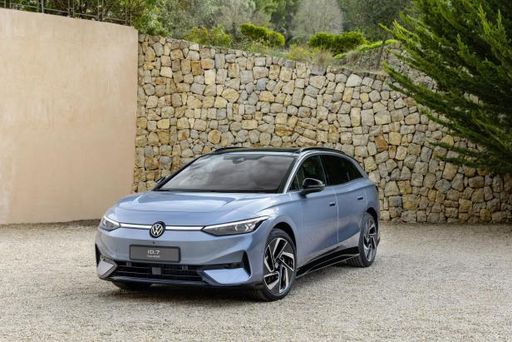
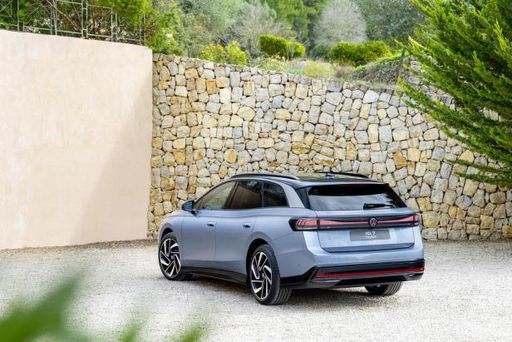
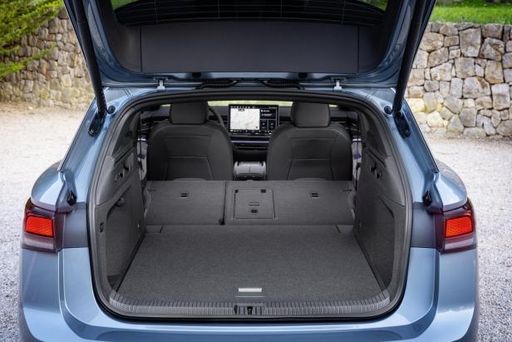
The VW ID.7 Touring adopts a wagon body style that focuses on practicality and spaciousness. At 4,961 mm in length, it offers an impressive trunk capacity of 605 liters, making it an ideal option for families or long-distance travelers. The overall dimensions allow for a comfortable interior while maintaining a sleek profile.

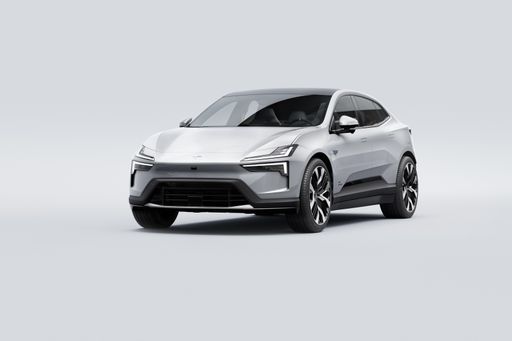
On the other hand, the Polestar 4 is classified as an SUV, boasting a more robust and sporty look. Measuring 4,840 mm in length, it has a slightly smaller trunk capacity of 526 liters but compensates with a wider stance of 2,008 mm, which enhances driving stability and road presence.

4

Powertrain and Performance

The ID.7 Touring comes with two power outputs: a rear-wheel drive variant producing 286 HP and an all-wheel drive option that ups the ante to 340 HP. It features a notable torque rating of up to 679 Nm, allowing for a swift acceleration rate of 0-100 km/h in as little as 5.5 seconds. With battery capacities of 77 kWh and 86 kWh, it offers an impressive electric range of up to 690 km, making it one of the more long-range options in the EV segment.

Conversely, the Polestar 4 is designed for a more performance-oriented experience. Its range starts with a rear-wheel drive model producing 272 HP and can go up to 544 HP for the all-wheel drive variant, which allows for a blistering 0-100 km/h time of just 3.8 seconds. The Polestar’s larger 94 kWh battery delivers an electric range between 590 km and 620 km, though this still trails the ID.7 Touring’s greatest range in some configurations.

ID.7 Touring

Efficiency and Consumption

Efficiency is crucial for EV consumers, and here both cars bring their strengths. The ID.7 Touring boasts a consumption rate of as low as 14 kWh per 100 km, underscoring its suitability for longer journeys without extensive charging needs. This is an excellent feature for drivers who prioritize range and efficiency.

The Polestar 4, however, registers a slightly higher consumption rate of 17.8 kWh to 18.7 kWh per 100 km. While it offers more horsepower and quicker acceleration, the trade-off is a bit more energy required for similar distances.

4

Interior and Technology

Inside, the ID.7 Touring is designed for comfort and technology, featuring a spacious cabin that hosts the latest infotainment system alongside premium materials. VW’s focus on user-friendly interfaces makes accessing navigation, music, and vehicle diagnostics a breeze. Its cabin prioritizes practicality, aiming to provide a superior family atmosphere.

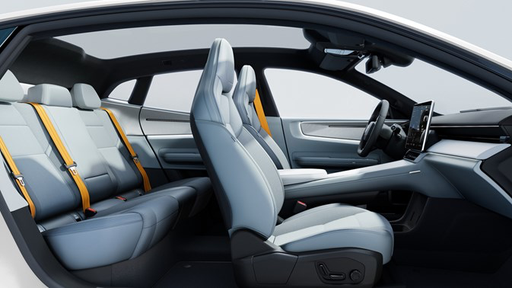
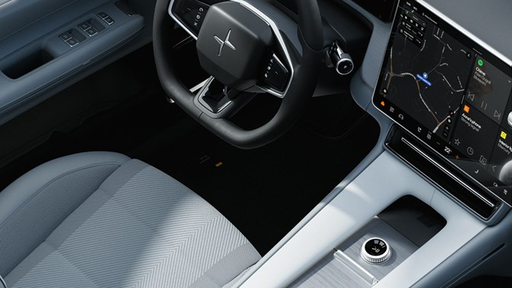
The Polestar 4 also offers a modern interior layout with a tech-centric design. With Google built-in functionality, it provides a seamlessly integrated experience for handling navigation, music, and voice commands. The cabin aesthetics lean towards minimalism with high-quality materials, giving it a distinct Scandinavian flair.

ID.7 Touring

Safety Features

Safety is paramount in modern EVs, and both models come equipped with a suite of advanced driver-assistance systems. The ID.7 Touring includes features such as adaptive cruise control, lane-keeping assist, and automatic emergency braking, reinforcing Volkswagen’s reputation for safety.

Similarly, the Polestar 4 features a robust array of safety technology, including advanced sensors and active safety features, solidifying its commitment to keeping drivers and passengers safe. Both vehicles are expected to perform well in safety ratings, further appealing to buyers who prioritize peace of mind on the road.

Conclusion

When comparing the VW ID.7 Touring with the Polestar 4, potential buyers are faced with two exceptional electric vehicles designed to cater to different preferences. The ID.7 Touring excels in range, efficiency, and spaciousness, making it great for family use and long road trips. Meanwhile, the Polestar 4 is poised to attract those seeking performance and stylish design.

Ultimately, the choice between the VW ID.7 Touring and the Polestar 4 will depend on individual needs—whether prioritizing range and practicality or performance and cutting-edge technology. As electric vehicles become more mainstream, both options represent the exciting future of automotive innovation.

Here’s where it gets real: The technical differences in detail

4

Costs and Efficiency:

Price and efficiency are key factors when choosing a car – and this is often where the real differences emerge.

VW ID.7 Touring is moderately cheaper – starting at 47,100 £ , while the Polestar 4 costs 53,100 £ . That’s a price difference of around 5,996 £.

In terms of energy consumption, the VW ID.7 Touring is visibly more efficient: consuming 14 kWh/100km compared to 17.8 kWh/100km for the Polestar 4. That’s a difference of about 3.8 kWh/100km.

As for electric range, the VW ID.7 Touring offers moderately more range – reaching up to 689 km, about 69 km more than the Polestar 4.

ID.7 Touring

Engine and Performance:

Under the bonnet, it becomes clear which model is tuned for sportiness and which one takes the lead when you hit the accelerator.

When it comes to engine power, the Polestar 4 offers noticeably more power – delivering 544 HP compared to 340 HP. That’s roughly 204 HP more horsepower.

When accelerating from 0 to 100 km/h, the Polestar 4 is significantly quicker – completing the sprint in 3.8 s, while the VW ID.7 Touring takes 5.5 s. That’s about 1.7 s quicker.

There’s also a difference in torque: the Polestar 4 delivers marginally more torque with 686 Nm compared to 679 Nm. That’s about 7 Nm more.

4

Space and Everyday Use:

Whether family car or daily driver – which one offers more room, flexibility and comfort?

Both vehicles offer seating for 5 people.

In terms of curb weight, VW ID.7 Touring is very slightly lighter – 2,191 kg compared to 2,230 kg. The difference is around 39 kg.

Looking at boot space, the VW ID.7 Touring offers slightly more boot space – 605 L compared to 526 L. That’s a difference of about 79 L.

When it comes to payload, the VW ID.7 Touring carries marginally more – 465 kg compared to 455 kg. That’s a difference of about 10 kg.

Who wins the race in the data check?

The Polestar 4 comes out clearly ahead in the objective data comparison.
This result only shows which model scores more points on paper – not which of the two cars feels right for you.

from £53,100
4

Polestar 4

  • Engine Type Electric
  • Transmission Automatic
  • Drive Type Rear-Wheel Drive, All-Wheel Drive
  • Power HP 272 - 544 HP
  • Consumption kWh/100km 17.8 - 19 kWh/100km
  • Electric Range 590 - 620 km
Polestar 4
VW ID.7 Touring

Costs and Consumption

View detailed analysis

Engine and Performance

View detailed analysis

Dimensions and Body

View detailed analysis

Polestar 4

The Polestar 4 wears a coupe-like profile and a Scandinavian-minimal interior that feels premium and unexpectedly roomy, with composed handling that makes urban driving and country roads a pleasure. For buyers who want an electric car that turns heads without shouting, the Polestar 4 is a stylish, clever choice that balances practicality with personality.

details

VW ID.7 Touring

The VW ID.7 Touring blends sleek, aerodynamic fastback looks with estate practicality, delivering an electric family car that looks grown-up and feels refined. Inside it's calm and spacious with clever storage and modern tech, swallowing suitcases and weekend plans with ease — a sensible, slightly flashy choice for buyers who want electric comfort without giving up practicality.

details
Polestar 4
VW ID.7 Touring

Costs and Consumption

Price
53,100 - 59,900 £
Price
47,100 - 54,900 £
Consumption L/100km
-
Consumption L/100km
-
Consumption kWh/100km
17.8 - 19 kWh/100km
Consumption kWh/100km
14 - 16.6 kWh/100km
Electric Range
590 - 620 km
Electric Range
584 - 689 km
Battery Capacity
-
Battery Capacity
77 - 86 kWh
co2
0 g/km
co2
0 g/km
Fuel tank capacity
-
Fuel tank capacity
-

Dimensions and Body

Body Type
SUV
Body Type
Estate
Seats
5
Seats
5
Doors
-
Doors
5
Curb weight
2,230 - 2,355 kg
Curb weight
2,191 - 2,336 kg
Trunk capacity
526 L
Trunk capacity
605 L
Length
-
Length
4,961 mm
Width
2,008 mm
Width
1,862 mm
Height
-
Height
1,549 - 1,551 mm
Max trunk capacity
-
Max trunk capacity
1,714 L
Payload
455 kg
Payload
459 - 465 kg

Engine and Performance

Engine Type
Electric
Engine Type
Electric
Transmission
Automatic
Transmission
Automatic
Transmission Detail
Reduction Gearbox
Transmission Detail
Reduction Gearbox
Drive Type
Rear-Wheel Drive, All-Wheel Drive
Drive Type
Rear-Wheel Drive, All-Wheel Drive
Power HP
272 - 544 HP
Power HP
286 - 340 HP
Acceleration 0-100km/h
3.8 - 7.1 s
Acceleration 0-100km/h
5.5 - 6.7 s
Max Speed
-
Max Speed
180 km/h
Torque
343 - 686 Nm
Torque
545 - 679 Nm
Number of Cylinders
-
Number of Cylinders
-
Power kW
200 - 400 kW
Power kW
210 - 250 kW
Engine capacity
-
Engine capacity
-

General

Model Year
2026
Model Year
2024
CO2 Efficiency Class
A
CO2 Efficiency Class
A
Brand
Polestar
Brand
VW
DriveDuel uses data analysis and artificial intelligence to evaluate vehicle data and create content. Content is regularly reviewed and improved. The displayed prices are estimates based on German list prices, adjusted to the respective country’s VAT. Country-specific registration taxes are not included. This information is not legally binding.