VS

Renault Captur vs Skoda Kamiq comparison

Compare performance (158 HP vs 150 HP), boot space and price (21,400 £ vs 22,300 £ ) at a glance. Find out which car is the better choice for you – Renault Captur or Skoda Kamiq?

Renault Captur vs Skoda Kamiq: Key differences

Renault Captur

4.8 (7 Reviews)
rate
  • barely cheaper
  • very slightly more power
  • markedly more efficient
  • barely more trunk space
details

Skoda Kamiq

5 (5 Reviews)
rate
  • marginally quicker 0–100 km/h
  • barely lighter
details

All details on performance, efficiency, range and trunk space can be found in the technical comparison below – including user reviews for both models.

By Achim Sedelmaier

Captur

Renault Captur vs Skoda Kamiq — which small SUV suits your everyday life?

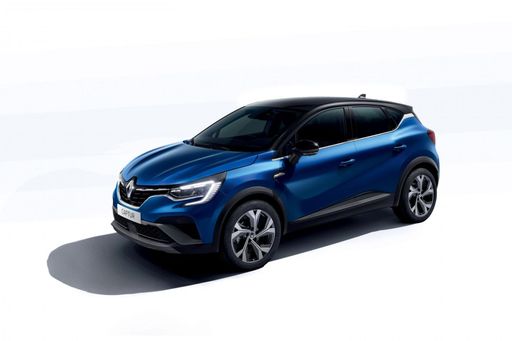
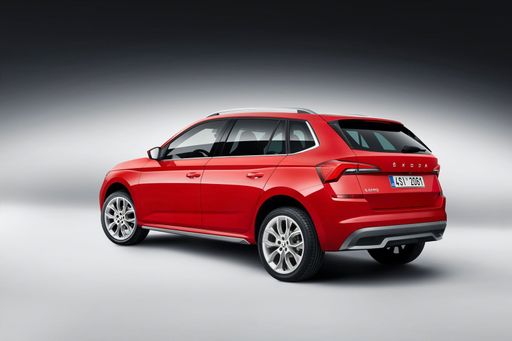
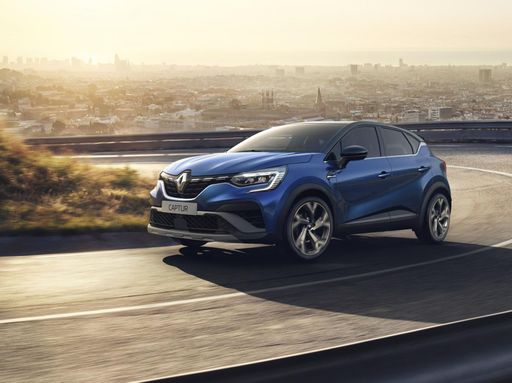
The Renault Captur and Skoda Kamiq make very different promises in the same compact-SUV envelope, and the choice often comes down to priorities rather than specs. The Captur sells a tech-forward, quietly composed experience with hybrid options and a sliding rear bench that hints at clever packaging, whereas the Kamiq trades flash for everyday generosity: more rear room, familiar controls and straightforward practicality. If you want digital convenience and a calm hybrid ride the Captur leans in; if you value cabin space, visibility and simple ergonomics the Kamiq is more convincing. Below we compare character, comfort, usability, cabin feel and buyer fit so you can see which trade-offs matter in daily use.
Kamiq

Character and driving feel: relaxed tech versus pragmatic poise

The Renault Captur drives with a deliberate, comfort-first personality — especially in its hybrid guise where electric rolling and muted engine transitions create a serene feel. The Skoda Kamiq is noticeably more pragmatic: its steering is light and predictable, and the chassis rewards steady, confident inputs rather than sporty flicks. In traffic and on long runs the Captur feels composed and slightly insulated from the road, but it also masks feedback that enthusiastic drivers would miss; the Kamiq gives more direct sight and movement cues, which helps confidence though it leans into body roll on twisty roads. For buyers chasing calm, tech-assisted commuting the Captur’s character is attractive, while those who prefer readable, workmanlike responses will favour the Kamiq.

Captur

Comfort and long-distance behavior: quiet hybrid versus roomy touring

On long journeys the Captur’s quieter cabin and hybrid cruising make motorway miles less fatiguing, translating into a relaxed, almost premium-feeling rhythm at speed. The Kamiq compensates with an impressively spacious rear and stable straight-line manners that suit families and tall passengers on longer trips, even if the ride is a touch firmer over sharp longitudinal joints. Captur owners will appreciate the adjustable rear bench for balancing legroom and luggage, while Kamiq owners enjoy consistent rear-seat space that rarely demands compromise. In short, choose the Captur if noise isolation and hybrid efficiency top your list; pick the Kamiq if rear-seat comfort and predictable touring behavior are your priority.

Kamiq

City friendliness and everyday usability: agility versus visibility and tricks

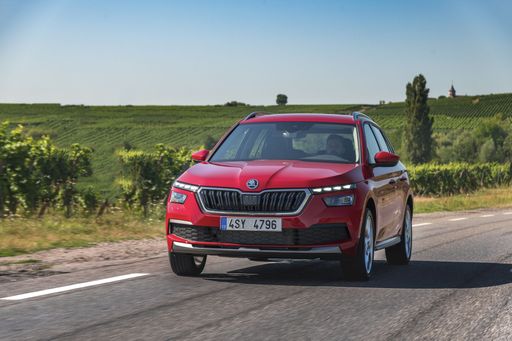
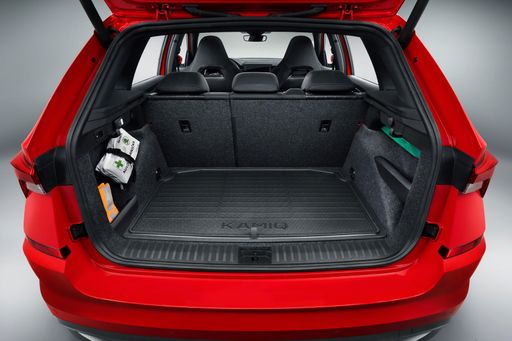
Both cars are city-capable, but they approach urban life differently: the Captur feels nimble in tight streets and benefits from parking aids and frequent electric rolling in town, yet its rearward visibility can be restricted. The Kamiq’s large glass areas, slim pillars and intuitive controls make short trips and parking effortless, and a raft of clever storage solutions rewards everyday chores. Captur’s sliding bench gives a flexibility edge for mixed city hauling — you can trade trunk depth for passenger space quickly — whereas Kamiq’s straightforward layout means fewer surprises and easier day‑to‑day handling. If you live in cramped urban environments and value tech-assisted maneuvering choose the Captur, but for clear sightlines and fuss-free practicality the Kamiq gets the nod.

Captur

Cabin feel, infotainment and perceived quality: modern polish versus honest pragmatism

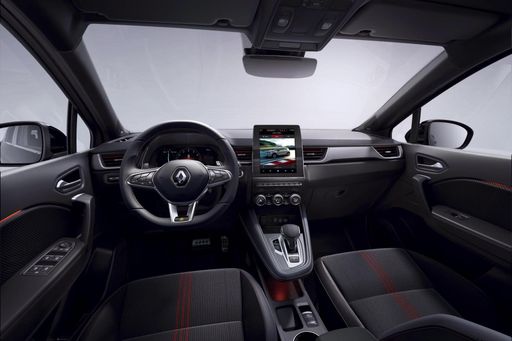
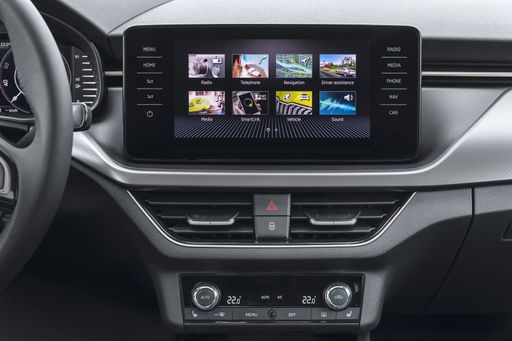
The Renault Captur presents a more contemporary cabin mood, with a large Google-based infotainment display and softer upper materials that lend a nicer first impression; the trade-off is fewer physical controls and fiddlier touch interactions for routine tasks. The Skoda Kamiq leans the opposite way: tactile knobs and a logical switch layout make instant adjustments easy, and the interior feels robust and utilitarian rather than indulgent. Infotainment responsiveness can be a weak spot for the Kamiq in some trims, while the Captur’s system is slicker but demands a little more attention when driving. Buyers who prize a modern digital feel and perceived refinement will prefer the Captur’s cabin, while those who value ergonomic certainty and durable practicality will favour the Kamiq.

Kamiq

Buyer fit and the big trade-offs before the technical details

Choosing between the Renault Captur and Skoda Kamiq is ultimately a question of temperament: the Captur suits tech-minded buyers and hybrid-oriented commuters who want a quiet, versatile small SUV with modern connectivity and flexible rear packaging. The Kamiq better serves buyers who prioritise rear passenger space, clear sightlines, simple ergonomics and the kind of dependable, low-drama usability that makes family life easier. Price and trim choices amplify these differences — Captur’s equipment and hybrid options appeal on value, while Kamiq often needs higher lines to match feature content but rewards with everyday practicality. Below you’ll find the technical comparison that quantifies these behavioral differences so you can match measured strengths to your personal priorities.

Here’s where it gets real: The technical differences in detail

Captur

Costs and Efficiency:

When it comes to price and running costs, the biggest differences usually appear. This is often where you see which car fits your budget better in the long run.

Renault Captur is barely cheaper – starting at 21,400 £ , while the Skoda Kamiq costs 22,300 £ . That’s a price difference of around 883 £.

Fuel consumption also shows a difference: the Renault Captur uses 4.4 L/100km and is markedly more efficient than the Skoda Kamiq with 5.3 L/100km. The difference is about 0.9 L/100km.

Kamiq

Engine and Performance:

Under the bonnet, it becomes clear which model is tuned for sportiness and which one takes the lead when you hit the accelerator.

When it comes to engine power, the Renault Captur offers very slightly more power – delivering 158 HP compared to 150 HP. That’s roughly 8 HP more horsepower.

When accelerating from 0 to 100 km/h, the Skoda Kamiq is marginally quicker – completing the sprint in 8.1 s, while the Renault Captur takes 8.9 s. That’s about 0.8 s quicker.

There’s also a difference in torque: the Renault Captur delivers very slightly more torque with 265 Nm compared to 250 Nm. That’s about 15 Nm more.

Captur

Space and Everyday Use:

Beyond pure performance, interior space and usability matter most in daily life. This is where you see which car is more practical and versatile.

Both vehicles offer seating for 5 people.

In terms of curb weight, Skoda Kamiq is barely lighter – 1,231 kg compared to 1,323 kg. The difference is around 92 kg.

Looking at boot space, the Renault Captur offers barely more boot space – 422 L compared to 400 L. That’s a difference of about 22 L.

When it comes to payload, the Skoda Kamiq carries a bit more – 539 kg compared to 453 kg. That’s a difference of about 86 kg.

Who wins the race in the data check?

The Renault Captur comes out clearly ahead in the objective data comparison.
This result only shows which model scores more points on paper – not which of the two cars feels right for you.

from £21,400
Captur

Renault Captur

  • Engine Type : Full Hybrid, Petrol, Petrol MHEV
  • Transmission : Automatic, Manuel
  • Drive Type : Front-Wheel Drive
  • Power HP : 115 - 158 HP
  • Consumption L/100km : 4.4 - 6 L/100km
Renault Captur
Skoda Kamiq

Costs and Consumption

View detailed analysis

Engine and Performance

View detailed analysis

Dimensions and Body

View detailed analysis

Renault Captur

The Renault Captur is a stylish and practical compact crossover that combines a high seating position and easy manoeuvrability with a comfortable, well‑equipped cabin. Its flexible interior layout and modern infotainment make it a sensible, polished choice for city drivers and small families.

details

Skoda Kamiq

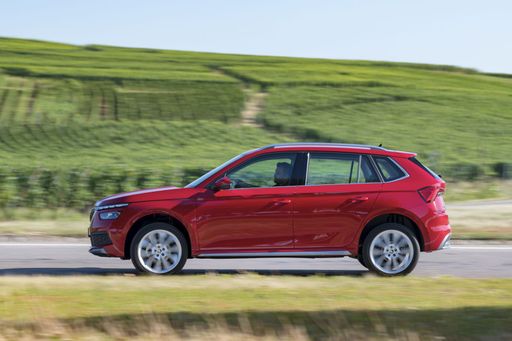
The Skoda Kamiq is a practical, well-built small crossover that mixes city-friendly manners with surprisingly versatile interior space and clever storage solutions. It offers a comfortable ride, user-friendly technology and solid value, making it a sensible choice for everyday driving.

details
Renault Captur
Skoda Kamiq

Costs and Consumption

Price
21,400 - 28,400 £
Price
22,300 - 32,700 £
Consumption L/100km
4.4 - 6 L/100km
Consumption L/100km
5.3 - 5.7 L/100km
Consumption kWh/100km
-
Consumption kWh/100km
-
Electric Range
-
Electric Range
-
Battery Capacity
-
Battery Capacity
-
co2
100 - 137 g/km
co2
121 - 128 g/km
Fuel tank capacity
-
Fuel tank capacity
-

Dimensions and Body

Body Type
SUV
Body Type
SUV
Seats
5
Seats
5
Doors
-
Doors
-
Curb weight
1,323 - 1,441 kg
Curb weight
1,231 - 1,340 kg
Trunk capacity
326 - 422 L
Trunk capacity
400 L
Length
-
Length
-
Width
1,797 mm
Width
1,793 mm
Height
-
Height
-
Max trunk capacity
-
Max trunk capacity
-
Payload
447 - 453 kg
Payload
439 - 539 kg

Engine and Performance

Engine Type
Full Hybrid, Petrol, Petrol MHEV
Engine Type
Petrol
Transmission
Automatic, Manuel
Transmission
Manuel, Automatic
Transmission Detail
Automatic Gearbox, Manual Gearbox, Dual-Clutch Automatic
Transmission Detail
Manual Gearbox, Dual-Clutch Automatic
Drive Type
Front-Wheel Drive
Drive Type
Front-Wheel Drive
Power HP
115 - 158 HP
Power HP
95 - 150 HP
Acceleration 0-100km/h
8.9 - 12.3 s
Acceleration 0-100km/h
8.1 - 11 s
Max Speed
-
Max Speed
-
Torque
160 - 265 Nm
Torque
175 - 250 Nm
Number of Cylinders
3 - 4
Number of Cylinders
3 - 4
Power kW
84 - 116 kW
Power kW
70 - 110 kW
Engine capacity
1,199 - 1,789 cm3
Engine capacity
999 - 1,498 cm3

General

Model Year
2025
Model Year
2025
CO2 Efficiency Class
C, D, E
CO2 Efficiency Class
D
Brand
Renault
Brand
Skoda
DriveDuel uses data analysis and artificial intelligence to evaluate vehicle data and create content. Content is regularly reviewed and improved. The displayed prices are estimates based on German list prices, adjusted to the respective country’s VAT. Country-specific registration taxes are not included. This information is not legally binding.