VS

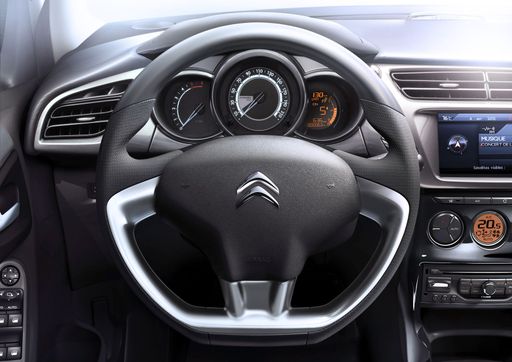
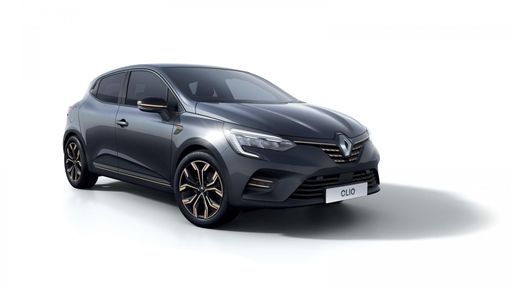
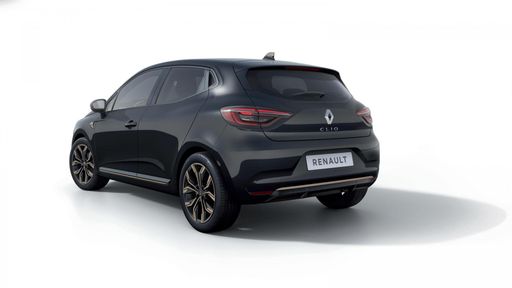
Renault Clio vs Citroen C3 comparison

Compare performance (158 HP vs 113 HP), boot space and price (17,100 £ vs 13,700 £ ) at a glance. Find out which car is the better choice for you – Renault Clio or Citroen C3?

Renault Clio vs Citroen C3: Key differences

Renault Clio

4.7 (1 Reviews)
rate
  • noticeably more power
  • markedly more efficient
  • somewhat quicker 0–100 km/h
  • only slightly lighter
  • barely more trunk space
details

Citroen C3

4.9 (2 Reviews)
rate
  • clearly cheaper
details

All details on performance, efficiency, range and trunk space can be found in the technical comparison below – including user reviews for both models.

By Achim Sedelmaier

Clio

Citroen C3 and Renault Clio: two B‑segment philosophies in one page

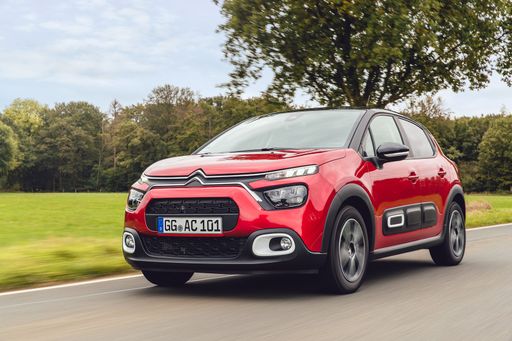
Citroen C3 and Renault Clio face off as practical, everyday small cars that follow very different briefs: the C3 is built to soothe, the Clio to sharpen and economise. This comparison looks beyond specs to what each car actually feels like on the commute, in the supermarket and on holiday runs. Readers will get a clear sense of character, cabin life, practicality and where compromises show up in daily use. If you care about comfort, tech or running costs, these are the two cornerstones you should be weighing.
C3

Driving character: soft armchair versus grown‑up composure

The Citroen C3 drives like a pillowy city companion—suspension tuned to absorb potholes and cobbles and steering that keeps things effortless rather than incisive. By contrast, the Renault Clio feels more composed and planted: steering with more feedback, sturdier highway manners and a drivetrain that prioritises efficiency and usable shove when you ask for it. That means the C3 rewards relaxed, low‑stress driving while the Clio gives a firmer, more confident impression at speed. Choose the C3 if cushioned comfort and calm city cruising are your daily currency; pick the Clio if you want a sense of control and lower running bills on longer trips.

Clio

Cabin and tech: homely simplicity against modern digital polish

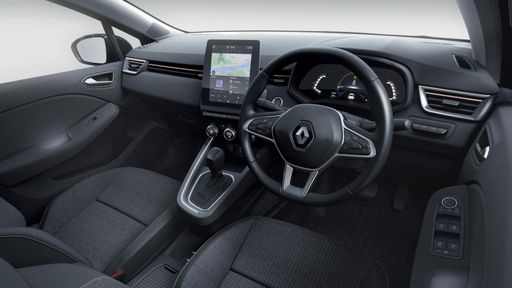
The Citroen C3’s interior leans into simplicity—soft seats, big glass areas and tactile controls that feel intuitive, though base versions skimp on a central touchscreen and rely on a smartphone dock that can feel fiddly. The Renault Clio answers with a markedly more modern cockpit: a fluid Google‑centric infotainment setup, smooth connectivity and over‑the‑air updates that make the car feel current for longer. That tech advantage brings a smarter perception of quality, even if mid‑range Clios still show some hard plastics compared with the C3’s cosy trim options. In short, the C3 feels friendlier and immediately relaxing; the Clio feels cleverer and more future‑proof.

C3

Practicality and family use: boots, load lips and rear‑seat realities

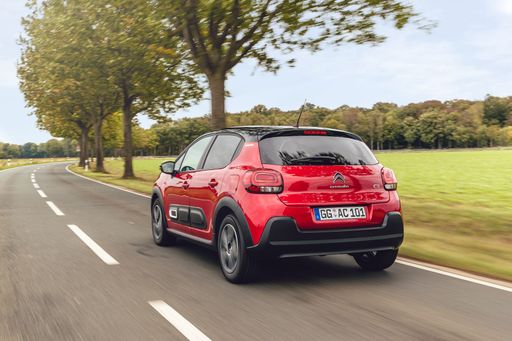
Both cars cope with weekend shopping and school runs, but they make different compromises: the Citroen C3 keeps front‑seat comfort high and is easy to live with in town, yet the boot opening and high load lip make bulky items awkward. The Renault Clio offers a class‑leading boot with the ICE variants and the convenience of multiple ISOFIX points, but the hybrid versions reduce usable luggage space and the rear bench can be tight for tall passengers. Fit three child seats? The Clio’s ISOFIX layout helps; ferrying three adults will suit neither car ideally. For families who prioritise cargo and sensible stowage the Clio ICE tends to be the more practical choice, while the C3 favours ease of daily ingress and atmosphere.

Clio

City friendliness vs motorway composure: where each car shines

In the city the Citroen C3 is hard to beat—short exterior proportions, a forgiving ride and excellent forward visibility make parking and traffic less tiring. The Renault Clio is also city‑capable, and its hybrid mode delivers genuinely low consumption in stop‑start traffic while the touchscreen/navigation ecosystem eases urban routing. On long runs the Clio’s stability and quieter cruising make it the more relaxed motorway companion, whereas the C3 remains comfortable but can feel windier and less composed at sustained autobahn speeds. If your week is split between tight urban trips and long commutes, the Clio’s strengths on efficiency and highway calm will matter; if your life is largely local, the C3’s comfort dividend pays off.

C3

Buyer fit and trade‑offs: who should test drive which car next

If you prioritise value, soft suspension and a soothing cabin the Citroen C3 will likely win your heart first—its pricing and gentler driving manners suit city dwellers and budget‑minded buyers. If low running costs, a slick, Google‑based infotainment system and a more assured highway demeanour matter more, the Renault Clio is the smarter long‑term bet despite a firmer feel and tighter rear seats. Both cars carry compromises—load lip, rear space and perceived materials vary depending on trim—so a careful test drive with your typical load and route is essential. Below we dive into the technical differences that turn these real‑world impressions into measurable advantages for different buyers.

Here’s where it gets real: The technical differences in detail

Clio

Costs and Efficiency:

Price and efficiency are often the first things buyers look at. Here it becomes clear which model has the long-term edge – whether at the pump, the plug, or in purchase price.

Citroen C3 is clearly cheaper – starting at 13,700 £ , while the Renault Clio costs 17,100 £ . That’s a price difference of around 3,352 £.

Fuel consumption also shows a difference: the Renault Clio uses 4.1 L/100km and is markedly more efficient than the Citroen C3 with 5 L/100km. The difference is about 0.9 L/100km.

C3

Engine and Performance:

Power, torque and acceleration are the classic benchmarks for car enthusiasts – and here, some clear differences start to show.

When it comes to engine power, the Renault Clio offers noticeably more power – delivering 158 HP compared to 113 HP. That’s roughly 45 HP more horsepower.

When accelerating from 0 to 100 km/h, the Renault Clio is somewhat quicker – completing the sprint in 8.3 s, while the Citroen C3 takes 9.9 s. That’s about 1.6 s quicker.

There’s also a difference in torque: the Citroen C3 delivers barely more torque with 205 Nm compared to 190 Nm. That’s about 15 Nm more.

Clio

Space and Everyday Use:

Beyond pure performance, interior space and usability matter most in daily life. This is where you see which car is more practical and versatile.

Both vehicles offer seating for 5 people.

In terms of curb weight, Renault Clio is only slightly lighter – 1,202 kg compared to 1,226 kg. The difference is around 24 kg.

Looking at boot space, the Renault Clio offers barely more boot space – 327 L compared to 310 L. That’s a difference of about 17 L.

When it comes to payload, the Renault Clio carries barely more – 463 kg compared to 423 kg. That’s a difference of about 40 kg.

Who wins the race in the data check?

The Renault Clio is clearly ahead overall in the objective data comparison.
This result only shows which model scores more points on paper – not which of the two cars feels right for you.

from £17,100
Clio

Renault Clio

  • Engine Type : Petrol, Full Hybrid
  • Transmission : Manuel, Automatic
  • Drive Type : Front-Wheel Drive
  • Power HP : 115 - 158 HP
  • Consumption L/100km : 4.1 - 5.2 L/100km
Renault Clio
Citroen C3

Costs and Consumption

View detailed analysis

Engine and Performance

View detailed analysis

Dimensions and Body

View detailed analysis

Renault Clio

The Renault Clio is a smartly styled and practical compact hatch that feels at home in city traffic while offering a surprisingly refined ride. It pairs user-friendly tech and a comfortable interior with a reputation for being economical and easy to live with.

details

Citroen C3

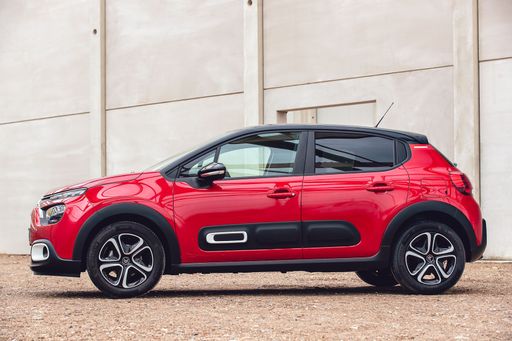
The Citroën C3 is a stylish and practical small hatchback that puts comfort and a calm urban driving experience at the top of its list. With its distinctive looks and thoughtful interior touches, it suits buyers who want personality and everyday usability without drama.

details
Renault Clio
Citroen C3

Costs and Consumption

Price
17,100 - 23,700 £
Price
13,700 - 24,600 £
Consumption L/100km
4.1 - 5.2 L/100km
Consumption L/100km
5 - 5.6 L/100km
Consumption kWh/100km
-
Consumption kWh/100km
16.7 - 17.2 kWh/100km
Electric Range
-
Electric Range
212 - 325 km
Battery Capacity
-
Battery Capacity
-
co2
92 - 118 g/km
co2
0 - 126 g/km
Fuel tank capacity
-
Fuel tank capacity
-

Dimensions and Body

Body Type
Hatchback
Body Type
SUV
Seats
5
Seats
2 - 5
Doors
-
Doors
-
Curb weight
1,202 - 1,316 kg
Curb weight
1,226 - 1,518 kg
Trunk capacity
301 - 327 L
Trunk capacity
310 L
Length
-
Length
-
Width
1,768 mm
Width
1,755 mm
Height
-
Height
-
Max trunk capacity
-
Max trunk capacity
-
Payload
453 - 463 kg
Payload
227 - 423 kg

Engine and Performance

Engine Type
Petrol, Full Hybrid
Engine Type
Electric, Petrol, Petrol MHEV
Transmission
Manuel, Automatic
Transmission
Automatic, Manuel
Transmission Detail
Manual Gearbox, Dual-Clutch Automatic, Automatic Gearbox
Transmission Detail
Reduction Gearbox, Manual Gearbox, Dual-Clutch Automatic
Drive Type
Front-Wheel Drive
Drive Type
Front-Wheel Drive
Power HP
115 - 158 HP
Power HP
101 - 113 HP
Acceleration 0-100km/h
8.3 - 10.3 s
Acceleration 0-100km/h
9.9 - 12 s
Max Speed
-
Max Speed
-
Torque
190 Nm
Torque
120 - 205 Nm
Number of Cylinders
3 - 4
Number of Cylinders
3
Power kW
84 - 116 kW
Power kW
74 - 83 kW
Engine capacity
1,199 - 1,789 cm3
Engine capacity
1,199 cm3

General

Model Year
2026
Model Year
2,024 - 2,026
CO2 Efficiency Class
C, D, B
CO2 Efficiency Class
A, D, C
Brand
Renault
Brand
Citroen
DriveDuel uses data analysis and artificial intelligence to evaluate vehicle data and create content. Content is regularly reviewed and improved. The displayed prices are estimates based on German list prices, adjusted to the respective country’s VAT. Country-specific registration taxes are not included. This information is not legally binding.