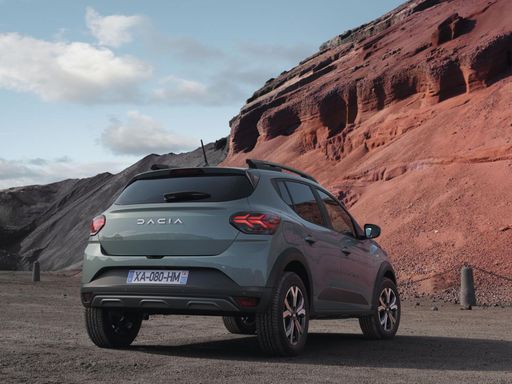
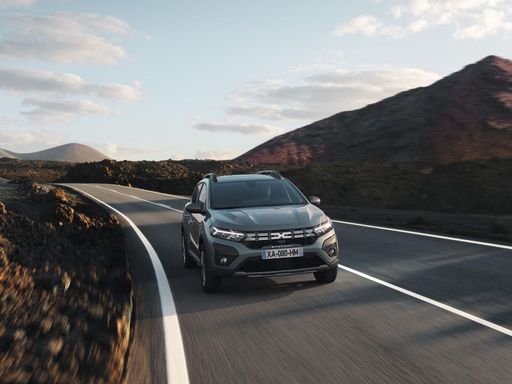
VS

Renault Mégane vs Dacia Sandero comparison

Compare performance (218 HP vs 122 HP), boot space and price (35,100 £ vs 11,000 £ ) at a glance. Find out which car is the better choice for you – Renault Mégane or Dacia Sandero?

Renault Mégane vs Dacia Sandero: Key differences

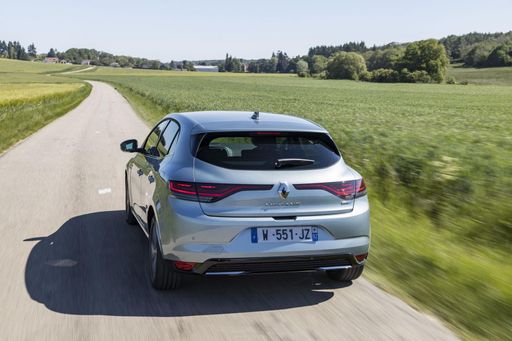
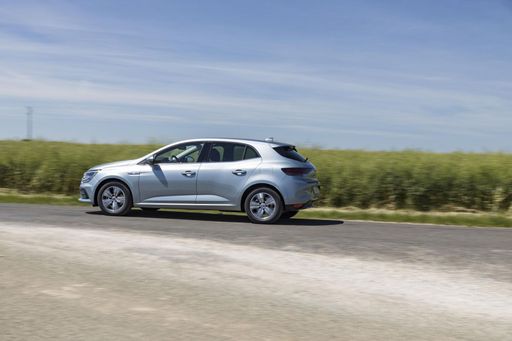
Renault Mégane

  • significantly more power
  • noticeably quicker 0–100 km/h
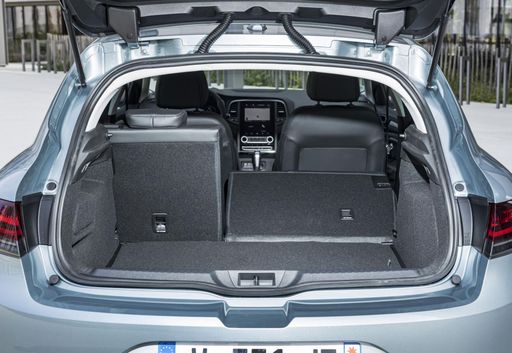
  • marginally more trunk space
details

Dacia Sandero

3.1 (5 Reviews)
rate
  • considerably cheaper
  • substantially lighter
details

All details on performance, efficiency, range and trunk space can be found in the technical comparison below – including user reviews for both models.

By Achim Sedelmaier

Mégane

Head-to-head: Dacia Sandero VS Renault Mégane — the affordable hatchback meets the compact family car

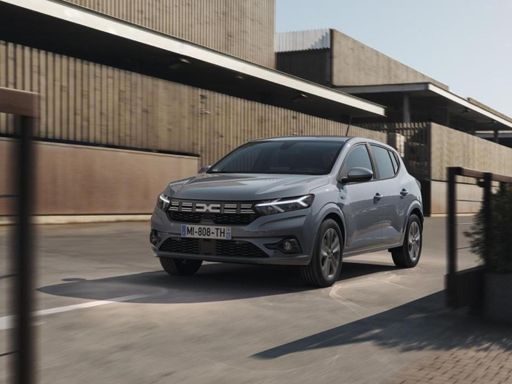
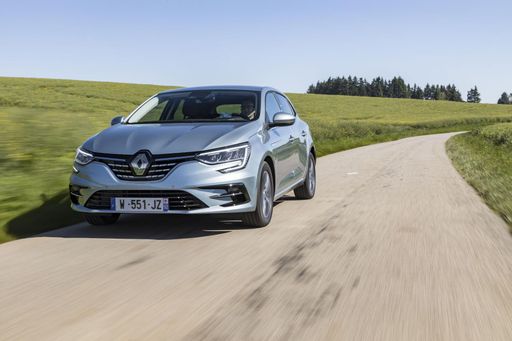
The Dacia Sandero and the Renault Mégane lock horns in a straight-up comparison that pits a no-nonsense budget hatchback against a more polished compact family car. If you’re searching for a clear Dacia Sandero VS Renault Mégane comparison, this is the page to scan first, with both names and body styles called out for search engines and shoppers alike. Think of the Sandero as the practical hatchback that keeps things simple, and the Mégane as the slightly grown-up compact that aims to impress. We’ll cut through the brochure rhetoric and focus on how each car behaves in daily life, not just on paper.
Sandero

Character clash: blunt economy vs. considered refinement

The Dacia Sandero feels economically minded and unpretentious, while the Renault Mégane trades a bit of that thrift for a touch more polish and personality. Where Sandero’s character is straightforward and matter-of-fact, Mégane leans on refinement — firmer plastics, more deliberate styling and a cabin that tries a little harder to feel grown-up. If you like cars that shout practicality, Sandero will nod approvingly; if you prefer a car that makes a nicer first impression, Mégane will return the compliment. The contrast is less about one being wrong and more about what you want your car to say in the driveway.

Mégane

Daily lives compared: city errands, school runs and motorway miles

In town the Dacia Sandero is the quintessential city-friendly hatchback — light on faff, easy to park and forgiving in everyday driving — while the Renault Mégane suits those who split their week between urban chores and longer motorway stints. Sandero’s simplicity makes it an easy, low-stress companion for short trips and tight streets, whereas Mégane’s quieter, more composed demeanor pays dividends on longer journeys and when you want a bit more insulation from road noise. Both will handle the school run and supermarket trips, but the real difference is in how they reward longer trips: one keeps costs front and center, the other cushions the miles. Pick the one that matches your daily mileage and patience for creature comforts.

Sandero

Buying with ego: practical pride or understated prestige?

Choosing the Dacia Sandero is an exercise in sharp sensible buying; choosing the Renault Mégane is about enjoying a few extra smiles and a slightly smarter look at the lights. If you like the idea of getting plenty of use for every pound spent, Sandero is a defensible choice that doesn’t try to be flashy — it’s proud of its thrift. Mégane, by contrast, lets you justify spending more because you get a more considered cabin, crisper styling and a bit more presence on the road. At the end of the day it’s a choice between being ruthlessly practical and allowing yourself a touch of automotive refinement.

Mégane

Who should buy the Dacia Sandero?

The Dacia Sandero is ideal for the pragmatic buyer who prioritizes value and everyday usefulness above bells and whistles, and for the rational shopper who wants predictable running costs without fuss. It’s a particularly sensible pick for first-time buyers, cost-conscious commuters and families who need a reliable, simple hatchback for daily duties. Sandero’s straightforward nature means maintenance and ownership are easy to live with — no gimmicks, just transport that does the job. If you need to stretch a budget and put functionality first, the Sandero is a clear contender to test-drive.

Sandero

Who should buy the Renault Mégane?

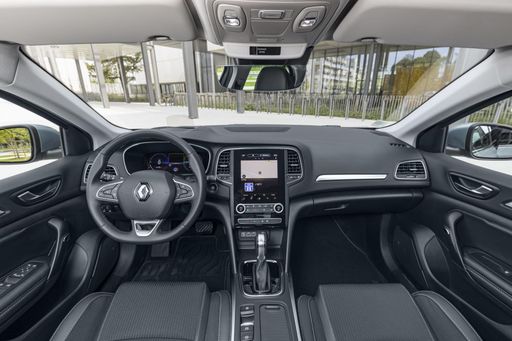
The Renault Mégane is for drivers who lean towards comfort and style — those who want a compact that feels grown-up on long runs and looks the part pulling into the car park. It suits people who appreciate a quieter cabin, nicer materials and a bit more composure on the road, trading some of Sandero’s austerity for added refinement. If you’re comparing it with the Dacia Sandero, think of Mégane as the option that rewards longer commutes and style-conscious shopping trips rather than the strict bargain hunter’s checklist. Read on for the detail-packed figures and breakdown that reveal exactly where those trade-offs land.

Here’s where it gets real: The technical differences in detail

Mégane

Costs and Efficiency:

Looking at overall running costs, both models reveal some interesting differences in everyday economy.

Dacia Sandero is considerably cheaper – starting at 11,000 £ , while the Renault Mégane costs 35,100 £ . That’s a price difference of around 24,095 £.

Sandero

Engine and Performance:

Power, torque and acceleration are the classic benchmarks for car enthusiasts – and here, some clear differences start to show.

When it comes to engine power, the Renault Mégane offers significantly more power – delivering 218 HP compared to 122 HP. That’s roughly 96 HP more horsepower.

When accelerating from 0 to 100 km/h, the Renault Mégane is noticeably quicker – completing the sprint in 7.4 s, while the Dacia Sandero takes 9.7 s. That’s about 2.3 s quicker.

There’s also a difference in torque: the Renault Mégane delivers noticeably more torque with 300 Nm compared to 200 Nm. That’s about 100 Nm more.

Mégane

Space and Everyday Use:

Whether family car or daily driver – which one offers more room, flexibility and comfort?

Both vehicles offer seating for 5 people.

In terms of curb weight, Dacia Sandero is substantially lighter – 1,100 kg compared to 1,719 kg. The difference is around 619 kg.

Looking at boot space, the Renault Mégane offers marginally more boot space – 389 L compared to 372 L. That’s a difference of about 17 L.

When it comes to payload, the Renault Mégane carries barely more – 446 kg compared to 436 kg. That’s a difference of about 10 kg.

Who wins the race in the data check?

The Dacia Sandero has only a minor advantage in the objective data comparison.
This result only shows which model scores more points on paper – not which of the two cars feels right for you.

from £11,000
Sandero

Dacia Sandero

  • Engine Type : Petrol, LPG
  • Transmission : Manuel, Automatic
  • Drive Type : Front-Wheel Drive
  • Power HP : 67 - 122 HP
  • Consumption L/100km : 5.3 - 7.2 L/100km
Renault Mégane
Dacia Sandero

Costs and Consumption

View detailed analysis

Engine and Performance

View detailed analysis

Dimensions and Body

View detailed analysis

Renault Mégane

The Renault Mégane blends Gallic flair with practical everyday charm, showing that sensible transport can still have personality and poise. It’s a smart pick for buyers who want a comfortable, stylish hatchback that feels a little more special than the usual commute companion.

details

Dacia Sandero

The Dacia Sandero is the everyman's hatchback — unpretentious, practical and brilliantly affordable, with sensible space and straightforward charm where it matters most. It won't wow in the premium lane, but for buyers who want honest, dependable transport without showroom theatrics, the Sandero is a clever, no‑nonsense pick that keeps running costs low and grin levels high.

details
Renault Mégane
Dacia Sandero

Costs and Consumption

Price
35,100 - 38,500 £
Price
11,000 - 16,300 £
Consumption L/100km
-
Consumption L/100km
5.3 - 7.2 L/100km
Consumption kWh/100km
15.4 kWh/100km
Consumption kWh/100km
-
Electric Range
452 km
Electric Range
-
Battery Capacity
-
Battery Capacity
-
co2
0 g/km
co2
111 - 131 g/km
Fuel tank capacity
-
Fuel tank capacity
-

Dimensions and Body

Body Type
SUV
Body Type
Hatchback
Seats
5
Seats
5
Doors
5
Doors
-
Curb weight
1,719 kg
Curb weight
1,100 - 1,297 kg
Trunk capacity
389 L
Trunk capacity
372 L
Length
4,200 mm
Length
-
Width
1,783 mm
Width
1,853 mm
Height
1,505 mm
Height
-
Max trunk capacity
1,332 L
Max trunk capacity
-
Payload
446 kg
Payload
385 - 436 kg

Engine and Performance

Engine Type
Electric
Engine Type
Petrol, LPG
Transmission
Automatic
Transmission
Manuel, Automatic
Transmission Detail
Reduction Gearbox
Transmission Detail
Manual Gearbox, Dual-Clutch Automatic
Drive Type
Front-Wheel Drive
Drive Type
Front-Wheel Drive
Power HP
218 HP
Power HP
67 - 122 HP
Acceleration 0-100km/h
7.4 s
Acceleration 0-100km/h
9.7 - 16.7 s
Max Speed
160 km/h
Max Speed
-
Torque
300 Nm
Torque
95 - 200 Nm
Number of Cylinders
-
Number of Cylinders
3
Power kW
160 kW
Power kW
49 - 90 kW
Engine capacity
-
Engine capacity
999 - 1,199 cm3

General

Model Year
2025
Model Year
2025
CO2 Efficiency Class
A
CO2 Efficiency Class
D, C
Brand
Renault
Brand
Dacia
DriveDuel uses data analysis and artificial intelligence to evaluate vehicle data and create content. Content is regularly reviewed and improved. The displayed prices are estimates based on German list prices, adjusted to the respective country’s VAT. Country-specific registration taxes are not included. This information is not legally binding.