VS

Renault Mégane vs Peugeot 2008 comparison

Compare performance (218 HP vs 156 HP), boot space and price (35,100 £ vs 24,800 £ ) at a glance. Find out which car is the better choice for you – Renault Mégane or Peugeot 2008?

Renault Mégane vs Peugeot 2008: Key differences

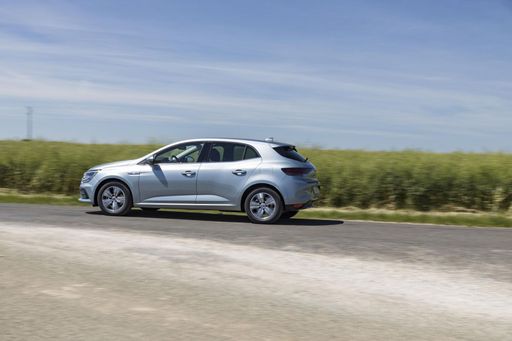
Renault Mégane

  • visibly more power
  • a bit more electric range
  • somewhat quicker 0–100 km/h
details

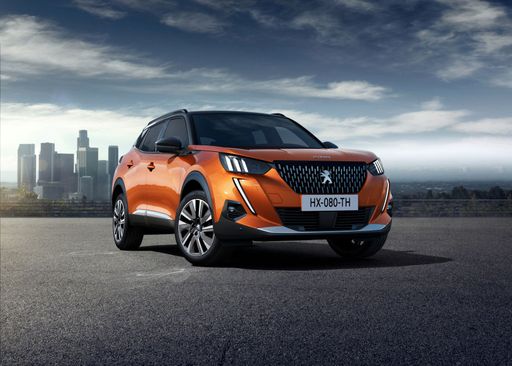
Peugeot 2008

5 (1 Reviews)
rate
  • substantially cheaper
  • very slightly more efficient
  • markedly lighter
  • moderately more trunk space
details

By Achim Sedelmaier

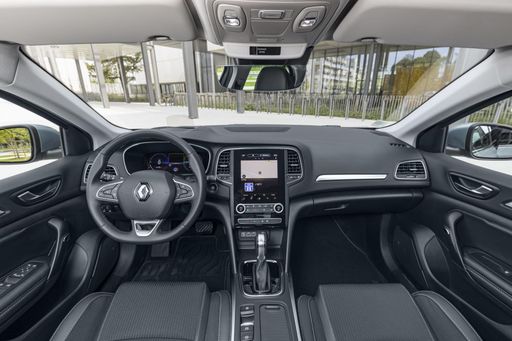
Mégane

Peugeot 2008 vs. Renault Mégane: A Clash of French Automotive Titans

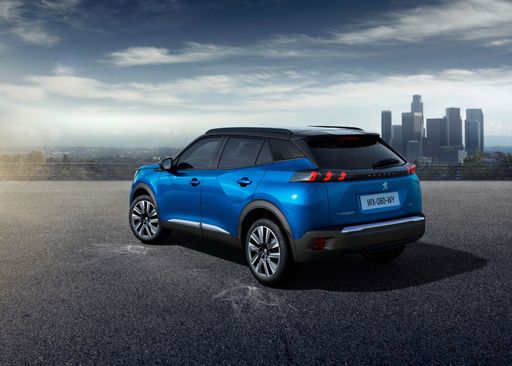
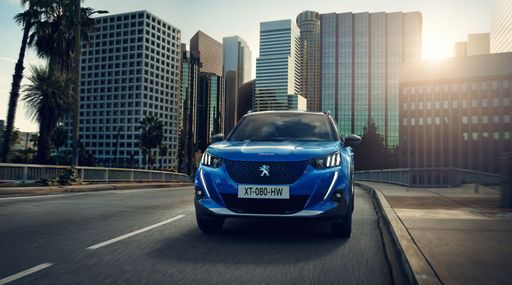
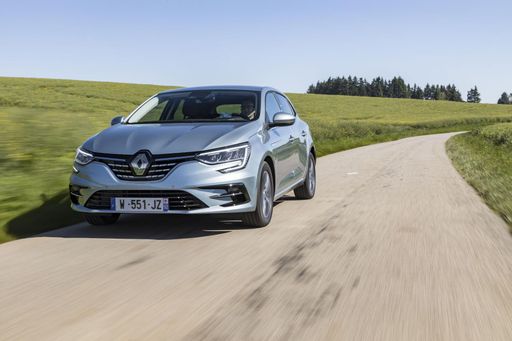
In the realm of compact SUVs, two French marques, Peugeot and Renault, bring to the table their remarkable offerings: the Peugeot 2008 and the Renault Mégane. We delve into the technical depths and innovative features of these models to uncover which one stands out in today's competitive automotive market.
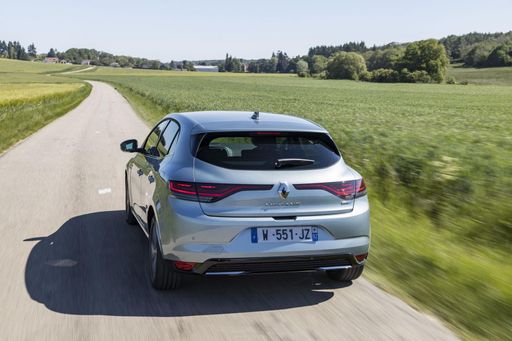
2008

Under the Hood: Engines and Performance

The Peugeot 2008 boasts versatility with its range of engine types, including petrol mild hybrid (MHEV), pure petrol, and an electric variant. In terms of horsepower, it delivers between 101 to 156 HP, dependent on the powertrain, with torque figures ranging from 205 to 270 Nm. This diversity allows the 2008 to cater to a broad audience, whether one seeks the sustainability of an electric engine or the traditional power of petrol.

In contrast, the Renault Mégane focuses solely on electric power. It offers two power options, 130 HP and 218 HP, coupled with torque levels reaching 300 Nm. This ensures smooth, powerful acceleration, with a top speed capping at 160 km/h. The Mégane's all-electric commitment is underscored by its CO2 efficiency class, rated at an impressive 'A'.

Mégane

Energy Efficiency: Consumption and Range

The Peugeot 2008 offers commendable fuel efficiency, with the petrol engines consuming between 5 to 5.7 L/100km and the electric version consuming 15.5 to 15.9 kWh/100km. The electric variant provides an electric range of 343 to 406 kilometers, making it practical for daily commutes and weekend getaways alike.

Meanwhile, the Renault Mégane shines with its electric-only consumption rates of 14.9 to 15.4 kWh/100km and delivers an exemplary range, extending up to 460 km on a single charge. This long-distance capability makes the Mégane a favorable option for those prioritizing eco-friendliness without compromising on travel distance.

2008

Design and Practicality

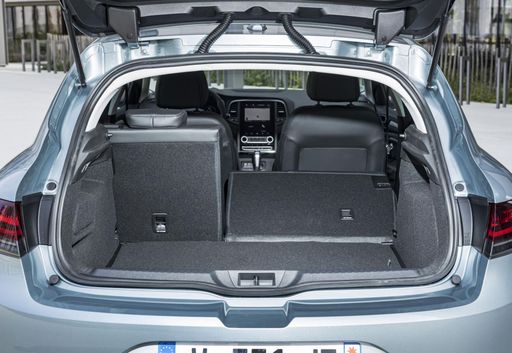
Both models provide five doors, seating for five, and spacious interiors, making them suitable for families and adventurers. The Peugeot 2008 is slightly longer and higher than the Mégane, measuring 4304 mm in length and 1523 mm in height, as opposed to the Mégane's 4200 mm and 1505 mm dimensions. This slight edge in size grants the 2008 a bit more headroom and cargo space, with a trunk capacity of 434 L compared to the Mégane's 389 L.

Mégane

Technological Marvels

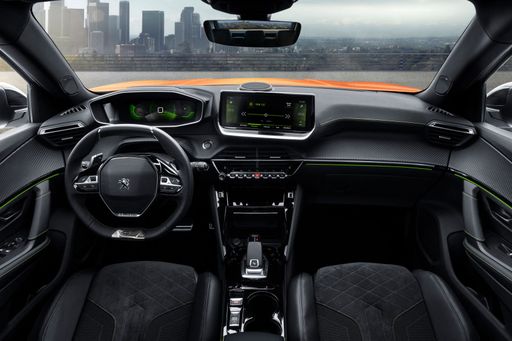
The innovations in technology present within these two cars are noteworthy. The Peugeot 2008 offers a futuristic feel with its sophisticated control panels and dual-clutch automatic transmissions that create a seamless driving experience. The Mégane, on the other hand, capitalizes on its smart electric platform, promising fewer emissions and harnessing modern reduction gearbox systems for smoother, quieter rides.

2008

Conclusion: Which Stands Out?

Both the Peugeot 2008 and the Renault Mégane showcase French automotive brilliance, yet they cater to distinct audiences. The 2008 appeals to those who value versatility in engine choice, while the Mégane is a beacon for eco-conscious drivers who prioritize electric efficiency and extended range.

Ultimately, choosing between these two splendid vehicles comes down to personal preference and lifestyle. Whether one prefers the traditional options provided by Peugeot or the innovative electric commitment of Renault, both models stand as remarkable contributions to the realm of compact SUVs.

Here’s where it gets real: The technical differences in detail

Mégane

Costs and Efficiency:

Price and efficiency are often the first things buyers look at. Here it becomes clear which model has the long-term edge – whether at the pump, the plug, or in purchase price.

Peugeot 2008 is substantially cheaper – starting at 24,800 £ , while the Renault Mégane costs 35,100 £ . That’s a price difference of around 10,295 £.

In terms of energy consumption, the Peugeot 2008 is very slightly more efficient: consuming 15.3 kWh/100km compared to 15.4 kWh/100km for the Renault Mégane. That’s a difference of about 0.1 kWh/100km.

As for electric range, the Renault Mégane offers a bit more range – reaching up to 452 km, about 47 km more than the Peugeot 2008.

2008

Engine and Performance:

Power, torque and acceleration say a lot about how a car feels on the road. This is where you see which model delivers more driving dynamics.

When it comes to engine power, the Renault Mégane offers visibly more power – delivering 218 HP compared to 156 HP. That’s roughly 62 HP more horsepower.

When accelerating from 0 to 100 km/h, the Renault Mégane is somewhat quicker – completing the sprint in 7.4 s, while the Peugeot 2008 takes 8.3 s. That’s about 0.9 s quicker.

Looking at top speed, the Peugeot 2008 is somewhat faster – reaching 182 km/h, while the Renault Mégane tops out at 160 km/h. The difference is around 22 km/h.

There’s also a difference in torque: the Renault Mégane delivers marginally more torque with 300 Nm compared to 270 Nm. That’s about 30 Nm more.

Mégane

Space and Everyday Use:

Cabin size, boot volume and payload all play a role in everyday practicality. Here, comfort and flexibility make the difference.

Both vehicles offer seating for 5 people.

In terms of curb weight, Peugeot 2008 is markedly lighter – 1,263 kg compared to 1,719 kg. The difference is around 456 kg.

Looking at boot space, the Peugeot 2008 offers moderately more boot space – 434 L compared to 389 L. That’s a difference of about 45 L.

For maximum load capacity, the Peugeot 2008 offers only slightly more capacity – up to 1,467 L, about 135 L more than the Renault Mégane.

When it comes to payload, the Peugeot 2008 carries only slightly more – 447 kg compared to 446 kg. That’s a difference of about 1 kg.

Who wins the race in the data check?

The Peugeot 2008 shows a few small advantages in the objective data comparison.
This result only shows which model scores more points on paper – not which of the two cars feels right for you.

from £24,800
2008

Peugeot 2008

  • Engine Type : Petrol MHEV, Electric, Petrol
  • Transmission : Automatic, Manuel
  • Drive Type : Front-Wheel Drive
  • Power HP : 101 - 156 HP
  • Consumption L/100km : 4.9 - 5.7 L/100km
  • Consumption kWh/100km : 15.3 kWh/100km
  • Electric Range : 405 km
Renault Mégane
Peugeot 2008

Costs and Consumption

View detailed analysis

Engine and Performance

View detailed analysis

Dimensions and Body

View detailed analysis

Renault Mégane

The Renault Mégane blends Gallic flair with practical everyday charm, showing that sensible transport can still have personality and poise. It’s a smart pick for buyers who want a comfortable, stylish hatchback that feels a little more special than the usual commute companion.

details

Peugeot 2008

The Peugeot 2008 is a stylish, city-friendly crossover that packs big character into a compact package, turning mundane errands into a mildly entertaining drive. Its clever interior layout, polished looks and confident ride make it a smart choice for buyers who want practical daily sense with a touch of flair.

details
Renault Mégane
Peugeot 2008

Costs and Consumption

Price
35,100 - 38,500 £
Price
24,800 - 40,400 £
Consumption L/100km
-
Consumption L/100km
4.9 - 5.7 L/100km
Consumption kWh/100km
15.4 kWh/100km
Consumption kWh/100km
15.3 kWh/100km
Electric Range
452 km
Electric Range
405 km
Battery Capacity
-
Battery Capacity
-
co2
0 g/km
co2
0 - 129 g/km
Fuel tank capacity
-
Fuel tank capacity
44 L

Dimensions and Body

Body Type
SUV
Body Type
SUV
Seats
5
Seats
5
Doors
5
Doors
5
Curb weight
1,719 kg
Curb weight
1,263 - 1,623 kg
Trunk capacity
389 L
Trunk capacity
434 L
Length
4,200 mm
Length
4,304 mm
Width
1,783 mm
Width
1,770 mm
Height
1,505 mm
Height
1,523 mm
Max trunk capacity
1,332 L
Max trunk capacity
1,467 L
Payload
446 kg
Payload
407 - 447 kg

Engine and Performance

Engine Type
Electric
Engine Type
Petrol MHEV, Electric, Petrol
Transmission
Automatic
Transmission
Automatic, Manuel
Transmission Detail
Reduction Gearbox
Transmission Detail
Dual-Clutch Automatic, Reduction Gearbox, Manual Gearbox
Drive Type
Front-Wheel Drive
Drive Type
Front-Wheel Drive
Power HP
218 HP
Power HP
101 - 156 HP
Acceleration 0-100km/h
7.4 s
Acceleration 0-100km/h
8.3 - 10.9 s
Max Speed
160 km/h
Max Speed
182 km/h
Torque
300 Nm
Torque
205 - 270 Nm
Number of Cylinders
-
Number of Cylinders
3
Power kW
160 kW
Power kW
74 - 115 kW
Engine capacity
-
Engine capacity
1,199 cm3

General

Model Year
2025
Model Year
2,025 - 2,026
CO2 Efficiency Class
A
CO2 Efficiency Class
C, A, D
Brand
Renault
Brand
Peugeot
DriveDuel uses data analysis and artificial intelligence to evaluate vehicle data and create content. Content is regularly reviewed and improved. The displayed prices are estimates based on German list prices, adjusted to the respective country’s VAT. Country-specific registration taxes are not included. This information is not legally binding.