VS

Suzuki S-Cross vs Volvo XC40 comparison

Compare performance (110 HP vs 197 HP), boot space and price (21,800 £ vs 41,900 £ ) at a glance. Find out which car is the better choice for you – Suzuki S-Cross or Volvo XC40?

Suzuki S-Cross vs Volvo XC40: Key differences

Suzuki S-Cross

4.7 (4 Reviews)
rate
  • significantly cheaper
  • markedly more efficient
  • markedly lighter
details

Volvo XC40

5 (6 Reviews)
rate
  • considerably more power
details

All details on performance, efficiency, range and trunk space can be found in the technical comparison below – including user reviews for both models.

By Achim Sedelmaier

S-Cross

Comparing Two Compelling SUVs: Suzuki S-Cross vs. Volvo XC40

The automotive market is abuzz with excitement as more consumers are opting for SUVs due to their versatility, space, and advanced features. Among the many options available, the Suzuki S-Cross and the Volvo XC40 stand out, each offering a unique blend of technology, performance, and value. This comparison delves into the technical aspects and innovations of these two models to help potential buyers make an informed choice.
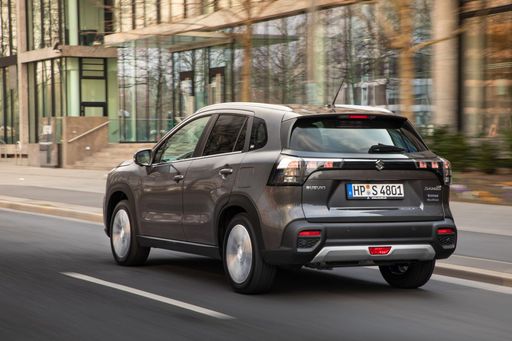
XC40

Engine Performance and Efficiency

The Suzuki S-Cross offers a choice between a full hybrid and a petrol MHEV engine, delivering power outputs of 116 to 129 HP. With its maximum torque of 235 Nm, the S-Cross is designed for both performance and fuel efficiency. It achieves a commendable fuel consumption range of 5.1 to 5.8 L/100 km, making it an economical choice for daily driving.

In comparison, the Volvo XC40 implements a robust petrol MHEV engine that produces a more powerful 163 to 197 HP and sees a peak torque of 265 to 300 Nm. While the XC40 does offer a more spirited drive, its fuel consumption stands at 6.5 L/100 km, placing it on the higher side of the spectrum in comparative terms.

S-Cross

Acceleration and Speed

The Suzuki S-Cross excels in practicality, achieving 0-100 km/h in 9.5 seconds, which is quite respectable for its class. Its top speed is capped at 175 km/h, making it suitable for city driving and occasional highway cruising.

The Volvo XC40, however, takes a different approach with faster acceleration, reaching 100 km/h in just 7.6 seconds for the more powerful variants. With a top speed of 180 km/h, this SUV satisfies those looking for a more dynamic driving experience.

XC40

Dimensions and Interior Space

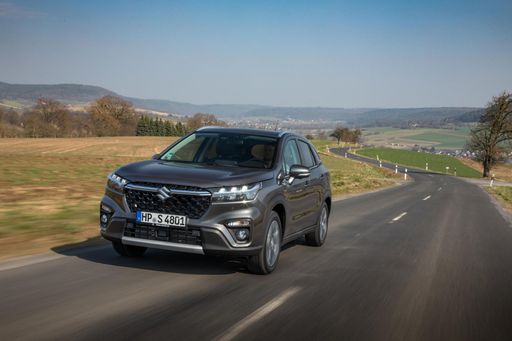
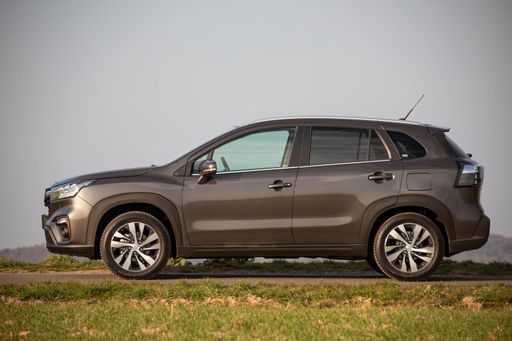
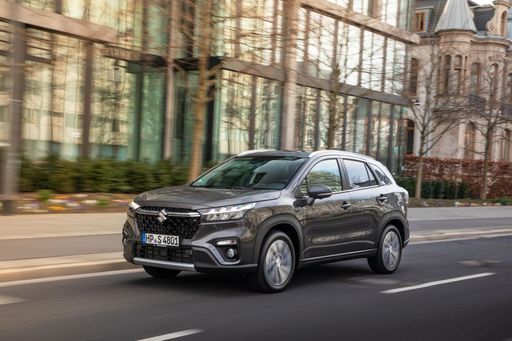
When it comes to body dimensions, the Suzuki S-Cross measures 4300 mm in length, 1785 mm in width, and 1580 mm in height, offering a spacious interior with a trunk capacity of 430 liters. The design balances comfort and practicality, making it an excellent choice for families.

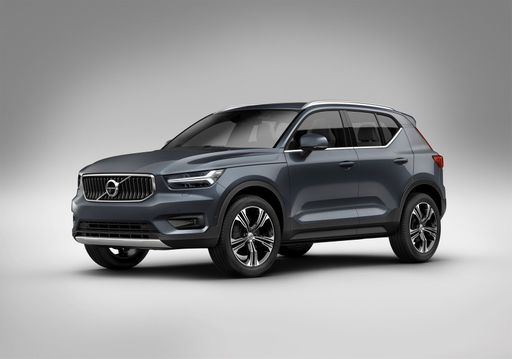
On the other hand, the Volvo XC40 is slightly larger, with dimensions of 4425 mm in length, 1863 mm in width, and 1652 mm in height. Its trunk capacity of 452 liters provides additional room for luggage and other belongings, further enhancing its usability for road trips and everyday tasks.

S-Cross

Technology and Innovations

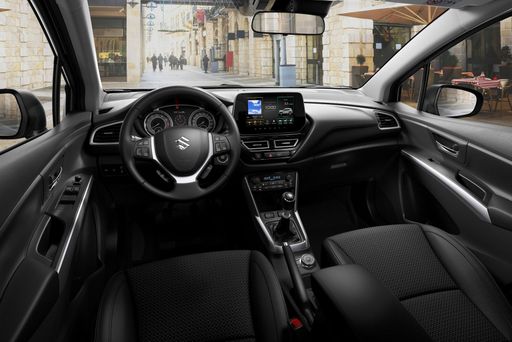
The 2024 Suzuki S-Cross is equipped with a suite of advanced safety features, including adaptive cruise control and advanced driver assistance systems. The interior is designed with tech-savvy features, offering a user-friendly infotainment system that integrates seamlessly with smartphones.

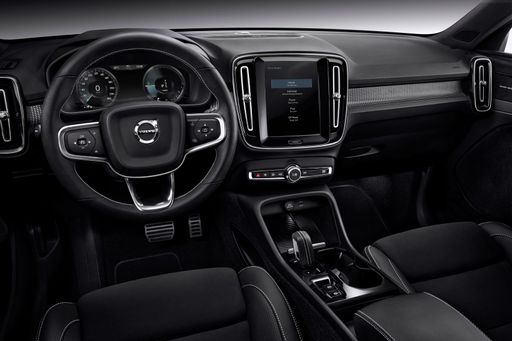
In contrast, the Volvo XC40 boasts high-end technology, emphasizing both connectivity and safety. It comes with a dual-clutch automatic transmission, known for smoother gear shifts, and features like a large touchscreen infotainment system that mimics a tablet's usability. Volvo's emphasis on driver safety is also evident, with numerous driver assistance features and a strong reputation for safety ratings.

XC40

Cost and Value Proposition

The Suzuki S-Cross is positioned as a cost-effective compact SUV, providing numerous features and decent performance without breaking the bank. Its affordability and efficiency should appeal to budget-conscious buyers looking for reliability and practicality.

The Volvo XC40, however, typically carries a higher price tag attributed to its premium build quality and luxury features. For buyers interested in a sporty drive and superior technological advancements, the investment may be worth it.

S-Cross

Conclusion: Which One to Choose?

Choosing between the Suzuki S-Cross and the Volvo XC40 boils down to the buyer’s personal preferences and requirements. If value, fuel efficiency, and practicality are your primary considerations, the S-Cross shines as a worthy contender. Conversely, if you're seeking power, advanced technology, and a luxurious experience, the XC40 stands out as the premier choice.

Ultimately, both vehicles bring unique strengths to the table, catering to different market needs. Test driving each model may be the best way to determine which SUV aligns with your lifestyle and driving preferences.

Here’s where it gets real: The technical differences in detail

S-Cross

Costs and Efficiency:

Price and efficiency are key factors when choosing a car – and this is often where the real differences emerge.

Suzuki S-Cross is significantly cheaper – starting at 21,800 £ , while the Volvo XC40 costs 41,900 £ . That’s a price difference of around 20,143 £.

Fuel consumption also shows a difference: the Suzuki S-Cross uses 5.3 L/100km and is markedly more efficient than the Volvo XC40 with 6.5 L/100km. The difference is about 1.2 L/100km.

XC40

Engine and Performance:

Power, torque and acceleration say a lot about how a car feels on the road. This is where you see which model delivers more driving dynamics.

When it comes to engine power, the Volvo XC40 offers considerably more power – delivering 197 HP compared to 110 HP. That’s roughly 87 HP more horsepower.

There’s also a difference in torque: the Volvo XC40 delivers noticeably more torque with 300 Nm compared to 235 Nm. That’s about 65 Nm more.

S-Cross

Space and Everyday Use:

Cabin size, boot volume and payload all play a role in everyday practicality. Here, comfort and flexibility make the difference.

Both vehicles offer seating for 5 people.

In terms of curb weight, Suzuki S-Cross is markedly lighter – 1,280 kg compared to 1,688 kg. The difference is around 408 kg.

When it comes to payload, the Volvo XC40 carries markedly more – 532 kg compared to 405 kg. That’s a difference of about 127 kg.

Who wins the race in the data check?

The Suzuki S-Cross holds a slight edge in the objective data comparison.
This result only shows which model scores more points on paper – not which of the two cars feels right for you.

from £21,800
S-Cross

Suzuki S-Cross

  • Engine Type : Petrol MHEV
  • Transmission : Manuel, Automatic
  • Drive Type : Front-Wheel Drive, All-Wheel Drive
  • Power HP : 110 HP
  • Consumption L/100km : 5.3 - 5.8 L/100km
Suzuki S-Cross
Volvo XC40

Costs and Consumption

View detailed analysis

Engine and Performance

View detailed analysis

Dimensions and Body

View detailed analysis

Suzuki S-Cross

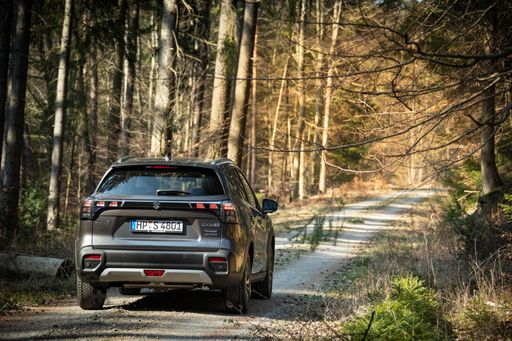
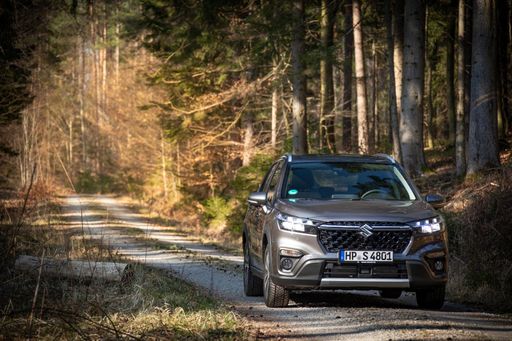
The Suzuki S-Cross is a practical, well-built compact crossover that puts comfort, efficiency and everyday reliability first. With a roomy cabin, straightforward technology and sensible design, it’s a no-nonsense choice for buyers seeking a versatile family car.

details

Volvo XC40

The Volvo XC40 blends Scandinavian design with practical versatility, offering a compact luxury crossover that feels composed and easy to live with. It’s refined and focused on safety with a high-quality interior, making it a smart choice for daily city driving and weekend escapes.

details
Suzuki S-Cross
Volvo XC40

Costs and Consumption

Price
21,800 - 34,200 £
Price
41,900 - 46,100 £
Consumption L/100km
5.3 - 5.8 L/100km
Consumption L/100km
6.5 L/100km
Consumption kWh/100km
-
Consumption kWh/100km
-
Electric Range
-
Electric Range
-
Battery Capacity
-
Battery Capacity
-
co2
119 - 138 g/km
co2
148 g/km
Fuel tank capacity
-
Fuel tank capacity
-

Dimensions and Body

Body Type
SUV
Body Type
SUV
Seats
5
Seats
5
Doors
-
Doors
-
Curb weight
1,280 - 1,385 kg
Curb weight
1,688 kg
Trunk capacity
430 L
Trunk capacity
-
Length
-
Length
-
Width
1,785 mm
Width
1,863 mm
Height
-
Height
-
Max trunk capacity
-
Max trunk capacity
-
Payload
395 - 405 kg
Payload
532 kg

Engine and Performance

Engine Type
Petrol MHEV
Engine Type
Petrol MHEV
Transmission
Manuel, Automatic
Transmission
Automatic
Transmission Detail
Manual Gearbox, Automatic Gearbox
Transmission Detail
Dual-Clutch Automatic
Drive Type
Front-Wheel Drive, All-Wheel Drive
Drive Type
Front-Wheel Drive
Power HP
110 HP
Power HP
163 - 197 HP
Acceleration 0-100km/h
-
Acceleration 0-100km/h
7.6 - 8.6 s
Max Speed
-
Max Speed
-
Torque
235 Nm
Torque
265 - 300 Nm
Number of Cylinders
4
Number of Cylinders
4
Power kW
81 kW
Power kW
120 - 145 kW
Engine capacity
1,373 cm3
Engine capacity
1,969 cm3

General

Model Year
2025
Model Year
2026
CO2 Efficiency Class
D, E
CO2 Efficiency Class
E
Brand
Suzuki
Brand
Volvo
DriveDuel uses data analysis and artificial intelligence to evaluate vehicle data and create content. Content is regularly reviewed and improved. The displayed prices are estimates based on German list prices, adjusted to the respective country’s VAT. Country-specific registration taxes are not included. This information is not legally binding.