VS

Suzuki Vitara vs Dacia Duster comparison

Compare performance (184 HP vs 158 HP), boot space and price (23,600 £ vs 16,300 £ ) at a glance. Find out which car is the better choice for you – Suzuki Vitara or Dacia Duster?

Suzuki Vitara vs Dacia Duster: Key differences

Suzuki Vitara

4.5 (10 Reviews)
rate
  • moderately more power
  • markedly quicker 0–100 km/h
  • only slightly lighter
details

Dacia Duster

4.6 (5 Reviews)
rate
  • considerably cheaper
  • moderately more efficient
  • noticeably more trunk space
details

All details on performance, efficiency, range and trunk space can be found in the technical comparison below – including user reviews for both models.

By Achim Sedelmaier

Vitara

Dacia Duster vs Suzuki Vitara: which small SUV suits your life?

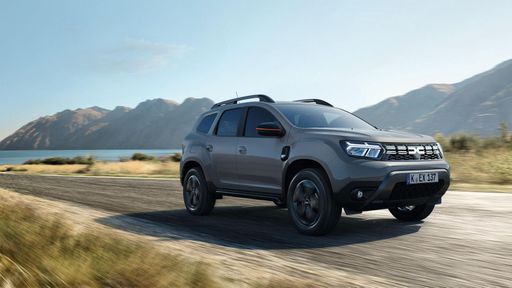
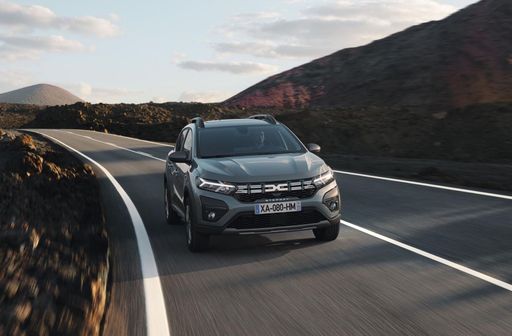
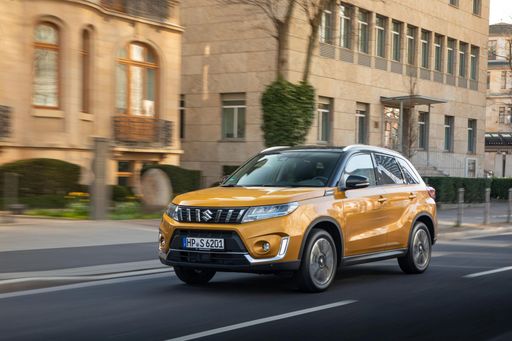
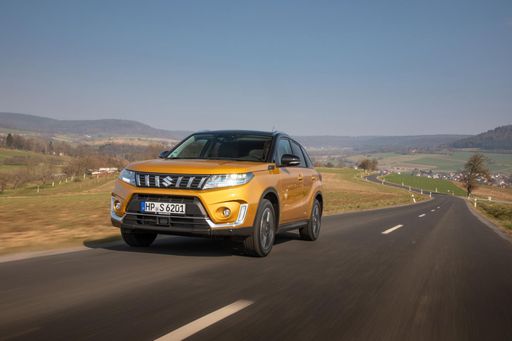
The Dacia Duster VS Suzuki Vitara matchup pits value-driven practicality against light-footed ease. The Dacia Duster leans hard into honest usability and space, coming across as the straightforward workhorse of the pair. The Suzuki Vitara feels tidier and more alert on the move, with simple controls and great visibility that make daily driving effortless. Price and character diverge clearly here: the Duster stretches your budget further, while the Vitara focuses on being unassuming, nimble and easy to live with. Picking between them comes down to how much you prize space and savings over a livelier, more compact feel.
Duster

Driving character and performance

The Suzuki Vitara responds more eagerly and feels lighter on its feet, which helps in gaps and on short on-ramps. The Dacia Duster takes a calmer approach, prioritising smoothness over snap, and its hybrid slurs around town agreeably even if it’s not chasing thrills. If you want true winter traction or muddy-lane confidence, both offer all-wheel drive, but the Duster’s off-road toolkit and ground clearance make it the one you’ll trust a bit further from the tarmac. Vitara buyers who like an auto should try before they buy, as the full hybrid’s automated shifts can feel a touch fidgety, while the Duster’s hybrid flows more naturally in city use.

Vitara

Comfort and long‑distance manners

The Dacia Duster rides with a cushier edge, rounding off sharp bumps well and settling into an easygoing gait. The Suzuki Vitara is more controlled but transmits a bit more of the road, trading plushness for agility. On motorways neither is a hushed grand tourer, yet the Duster’s softer seats and calmer low-speed demeanour contrast with the Vitara’s flatter chairs and busier powertrain when worked hard. If you value a quieter, faster-feeling cruise the Vitara’s extra punch helps, but for unpretentious comfort at everyday speeds the Duster feels more relaxed.

Duster

Cabin feel and tech usability

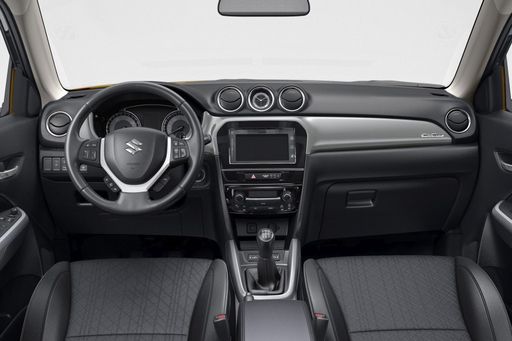
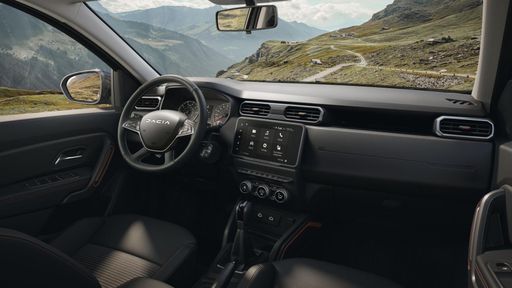
Inside, the Dacia Duster looks more modern than before and keeps everything robust and wipe-clean, with handy add-ons and straightforward controls. Its screen and cameras do the job, though the polish and image clarity won’t wow, and some functions feel a step behind pricier rivals. The Suzuki Vitara sticks to big physical buttons and clear dials that are blissfully simple in traffic, but its infotainment can lag and occasionally locks settings while driving. Material quality is pragmatic in both, yet the Duster’s design feels fresher, while the Vitara counters with bulletproof ergonomics you never have to think about.

Vitara

Space, practicality and family use

The Dacia Duster is the pack mule here: more boot space, easier-loading shapes and thoughtful storage make weekly shops and family kit simpler. Rear room suits two adults comfortably, though the middle perch is hard and some details feel cost-conscious. The Suzuki Vitara carries four fine but runs out of luggage room sooner, and full-hybrid versions trim cargo further, so prams and travel cots need careful packing. If your life revolves around strollers, dogs and DIY weekends, the Duster’s extra capacity matters; for lighter loads and simpler routines, the Vitara’s smaller footprint is less of a drawback.

Duster

City ease, all‑weather confidence and buyer fit

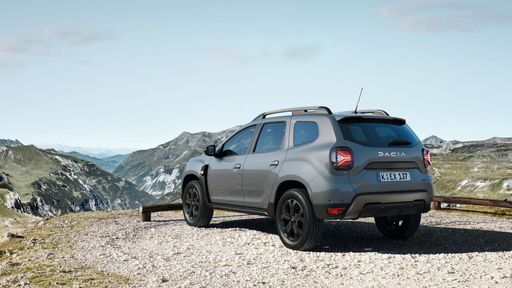
The Suzuki Vitara excels in town: great sightlines, a tight turning circle and light controls make it a stress-free commuter, especially in winter with its ALLGRIP option. The Dacia Duster is still easy to place and its hybrid glides off silently in traffic, but thick rear pillars make its cameras more than a nice-to-have. Away from the city, the Duster’s extra clearance and hill‑descent tricks give it the edge on rutted tracks and wet fields, while the Vitara feels composed on slick roads and gravel. If you want the most space for the least money and occasionally head off the beaten path, choose the Duster; if you prioritise tidy size, simple operation and a more responsive feel, the Vitara fits better—now check the detailed specs below to align engine, drivetrain and features with your priorities.

Here’s where it gets real: The technical differences in detail

Vitara

Costs and Efficiency:

Looking at overall running costs, both models reveal some interesting differences in everyday economy.

Dacia Duster is considerably cheaper – starting at 16,300 £ , while the Suzuki Vitara costs 23,600 £ . That’s a price difference of around 7,294 £.

Fuel consumption also shows a difference: the Dacia Duster uses 4.7 L/100km and is moderately more efficient than the Suzuki Vitara with 5.3 L/100km. The difference is about 0.6 L/100km.

Duster

Engine and Performance:

Power, torque and acceleration are the classic benchmarks for car enthusiasts – and here, some clear differences start to show.

When it comes to engine power, the Suzuki Vitara offers moderately more power – delivering 184 HP compared to 158 HP. That’s roughly 26 HP more horsepower.

When accelerating from 0 to 100 km/h, the Suzuki Vitara is markedly quicker – completing the sprint in 7.4 s, while the Dacia Duster takes 9.4 s. That’s about 2 s quicker.

There’s also a difference in torque: the Suzuki Vitara delivers clearly more torque with 307 Nm compared to 230 Nm. That’s about 77 Nm more.

Vitara

Space and Everyday Use:

Whether family car or daily driver – which one offers more room, flexibility and comfort?

Both vehicles offer seating for 5 people.

In terms of curb weight, Suzuki Vitara is only slightly lighter – 1,255 kg compared to 1,377 kg. The difference is around 122 kg.

Looking at boot space, the Dacia Duster offers noticeably more boot space – 517 L compared to 375 L. That’s a difference of about 142 L.

When it comes to payload, the Dacia Duster carries barely more – 453 kg compared to 425 kg. That’s a difference of about 28 kg.

Who wins the race in the data check?

The Suzuki Vitara is far ahead overall in the objective data comparison.
This result only shows which model scores more points on paper – not which of the two cars feels right for you.

from £23,600
Vitara

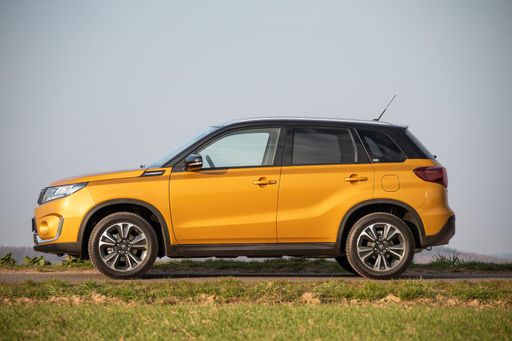
Suzuki Vitara

  • Engine Type Petrol MHEV, Electric
  • Transmission Automatic, Manuel
  • Drive Type Front-Wheel Drive, All-Wheel Drive
  • Power HP 110 - 184 HP
  • Consumption L/100km 5.3 - 5.8 L/100km
  • Consumption kWh/100km 14.9 - 16.6 kWh/100km
  • Electric Range 344 - 426 km
Suzuki Vitara
Dacia Duster

Costs and Consumption

View detailed analysis

Engine and Performance

View detailed analysis

Dimensions and Body

View detailed analysis

Suzuki Vitara

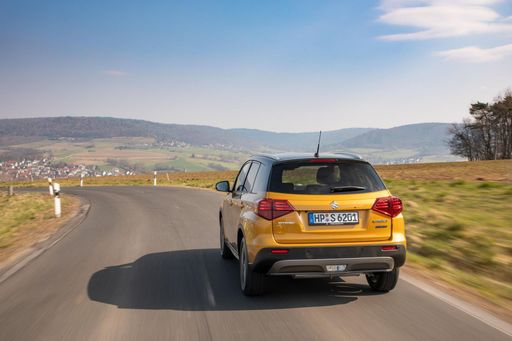
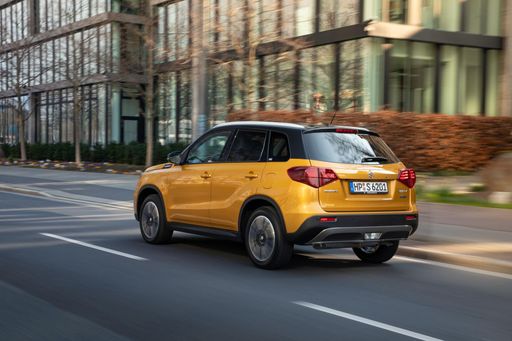
The Suzuki Vitara is a practical compact SUV that balances a comfortable, composed ride with easy-to-live-with interior space, making it well suited for daily driving and weekend getaways. It's widely praised for reliable engineering and sensible running costs, offering straightforward value to buyers who want a no-nonsense, economical crossover.

details

Dacia Duster

The Dacia Duster is a straightforward, budget-friendly SUV that prioritizes practicality and value over flashy features. Its rugged styling and simple, roomy interior make it a sensible choice for buyers who want capable everyday transport without paying for extras they won’t use.

details
Suzuki Vitara
Dacia Duster

Costs and Consumption

Price
23,600 - 36,800 £
Price
16,300 - 24,900 £
Consumption L/100km
5.3 - 5.8 L/100km
Consumption L/100km
4.7 - 7.6 L/100km
Consumption kWh/100km
14.9 - 16.6 kWh/100km
Consumption kWh/100km
-
Electric Range
344 - 426 km
Electric Range
-
Battery Capacity
-
Battery Capacity
-
co2
0 - 137 g/km
co2
107 - 140 g/km
Fuel tank capacity
-
Fuel tank capacity
-

Dimensions and Body

Body Type
SUV
Body Type
SUV
Seats
5
Seats
5
Doors
-
Doors
-
Curb weight
1,255 - 1,935 kg
Curb weight
1,377 - 1,559 kg
Trunk capacity
310 - 375 L
Trunk capacity
348 - 517 L
Length
-
Length
-
Width
1,775 - 1,800 mm
Width
1,813 mm
Height
-
Height
-
Max trunk capacity
-
Max trunk capacity
-
Payload
395 - 425 kg
Payload
402 - 453 kg

Engine and Performance

Engine Type
Petrol MHEV, Electric
Engine Type
Petrol MHEV, Full Hybrid, LPG
Transmission
Automatic, Manuel
Transmission
Manuel, Automatic
Transmission Detail
Automatic Gearbox, Reduction Gearbox, Manual Gearbox
Transmission Detail
Manual Gearbox, Automated Manual, Dual-Clutch Automatic
Drive Type
Front-Wheel Drive, All-Wheel Drive
Drive Type
Front-Wheel Drive, All-Wheel Drive
Power HP
110 - 184 HP
Power HP
115 - 158 HP
Acceleration 0-100km/h
7.4 - 9.6 s
Acceleration 0-100km/h
9.4 - 11.7 s
Max Speed
-
Max Speed
-
Torque
193 - 307 Nm
Torque
190 - 230 Nm
Number of Cylinders
4
Number of Cylinders
3 - 4
Power kW
81 - 135 kW
Power kW
84 - 116 kW
Engine capacity
1,373 cm3
Engine capacity
1,199 - 1,789 cm3

General

Model Year
2,025 - 2,026
Model Year
2,025 - 2,026
CO2 Efficiency Class
D, E, A
CO2 Efficiency Class
D, C
Brand
Suzuki
Brand
Dacia
DriveDuel uses data analysis and artificial intelligence to evaluate vehicle data and create content. Content is regularly reviewed and improved. The displayed prices are estimates based on German list prices, adjusted to the respective country’s VAT. Country-specific registration taxes are not included. This information is not legally binding.