VS

Suzuki Vitara vs Skoda Kamiq comparison

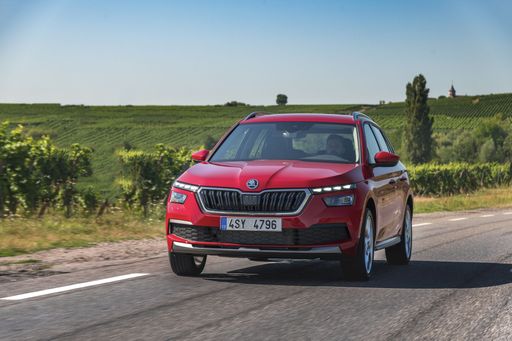
Compare performance (184 HP vs 150 HP), boot space and price (23,600 £ vs 22,300 £ ) at a glance. Find out which car is the better choice for you – Suzuki Vitara or Skoda Kamiq?

Suzuki Vitara vs Skoda Kamiq: Key differences

Suzuki Vitara

4.5 (9 Reviews)
rate
  • moderately more power
  • barely quicker 0–100 km/h
details

Skoda Kamiq

4.9 (6 Reviews)
rate
  • only slightly cheaper
  • barely lighter
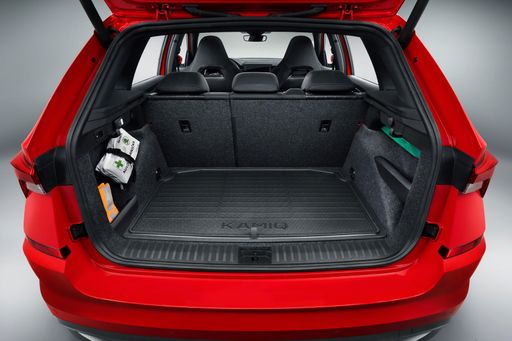
  • only slightly more trunk space
details

All details on performance, efficiency, range and trunk space can be found in the technical comparison below – including user reviews for both models.

By Achim Sedelmaier

Vitara

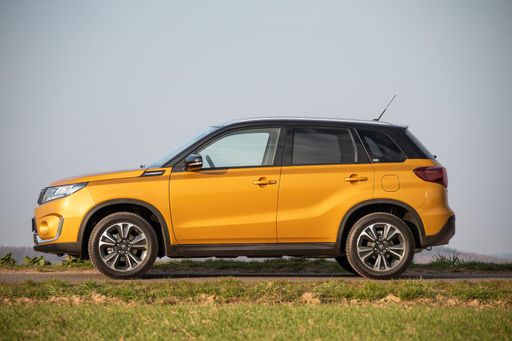
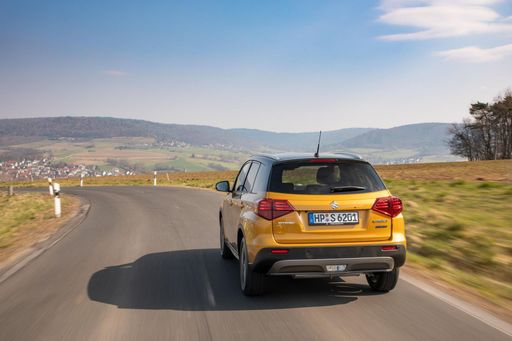
Skoda Kamiq VS Suzuki Vitara — practical compact SUVs compared

Skoda Kamiq VS Suzuki Vitara is the pairing many buyers face when they want a compact SUV that prioritises practicality or winter capability. The Kamiq comes across as the quietly efficient, space-first choice, while the Vitara trades some refinement for a more robust, go-anywhere attitude. Expect the Kamiq to feel more grown-up on long runs and in daily family routines; expect the Vitara to reward those who want simple mechanics and optional traction in tricky conditions. This comparison looks beyond badges to how each car performs in the real world for different kinds of owners.
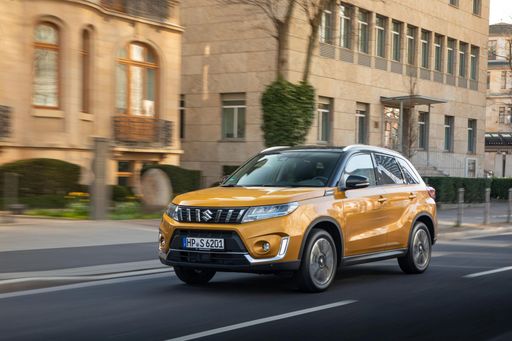
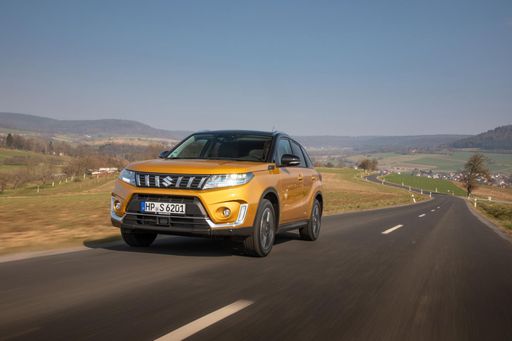
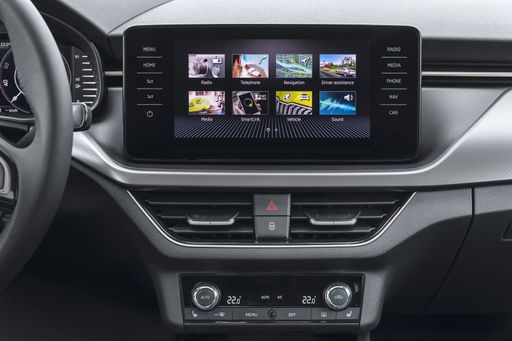
Kamiq

Character and driving feel

The Skoda Kamiq drives with a composed, measured personality — it soaks up motorway miles and prioritises smooth, predictable responses over drama. The Suzuki Vitara feels lighter and more eager, with a livelier shove when you ask for it and a chassis that feels willing rather than plush. Where the Kamiq invites relaxed, economical cruising, the Vitara delivers sharper acceleration and a more connected, if slightly raw, experience. That trade-off means drivers who enjoy brisk overtakes will prefer the Vitara, while those who favour serene progress and low running fuss will lean toward the Kamiq.

Vitara

Comfort and long-distance behaviour

On long trips the Kamiq's quieter cabin and more forgiving ride make it the easier car to live with for hours on end, with rear passengers notably better catered for. The Vitara's simpler seats and greater wind and engine intrusion become noticeable at cruise speeds, which shortens its comfort edge on extended runs. The Vitara can feel more utilitarian and direct, especially in mild‑hybrid or more off‑road minded setups that prioritise traction over hush. If motorway quiet and rear-seat space matter more than ruggedness, the Kamiq stands out; if you need a car that feels durable and punchy on shorter, mixed routes, the Vitara fits better.

Kamiq

Usability and everyday practicality

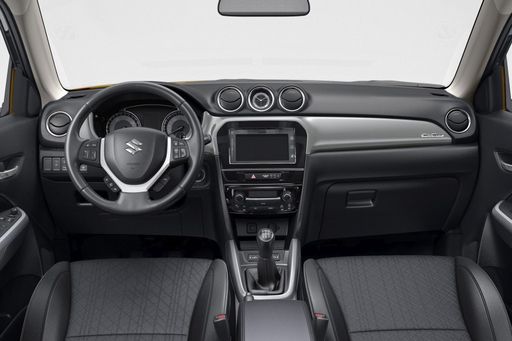
Practicality is where the Skoda Kamiq earns its keep: a thoughtfully laid-out interior, useful storage nooks and a roomier boot make packing and family life simpler. The Suzuki Vitara keeps things straightforward — easy-to-read controls and a high seating position — but its load space is tighter and some hybrid variants further compromise capacity. The Kamiq's clever, small touches reduce daily friction, whereas the Vitara relies on simplicity and robustness rather than flexible load solutions. For families and anyone who packs frequently, the Kamiq will feel more useful; for buyers who prize simple functionality and occasional off-piste capability, the Vitara will be acceptable and often preferable.

Vitara

City friendliness and handling in everyday use

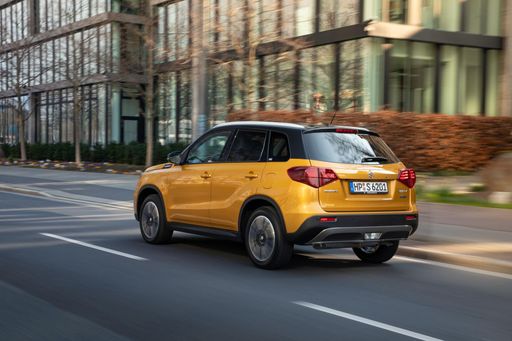
Both cars are comfortable in town, but they approach urban life differently: the Kamiq is deceptively compact, with confident visibility and light steering that make parking and tight manoeuvres relaxed. The Vitara counters with a high driving position, excellent outward visibility and a small turning circle that also make city driving effortless — plus the option of all‑wheel drive for snowy streets or muddy drives. The Kamiq emphasises finesse and predictability in urban situations, while the Vitara trades a bit of refinement for straightforward usability and extra grip when the road gets difficult. Choose the Kamiq if you prize a composed, polished city SUV; pick the Vitara if you want practicality with the reassurance of AWD in poor conditions.

Kamiq

Buyer fit — who should pick which before the tech deep dive

If you want maximum interior space, low long‑run stress and everyday cleverness, the Skoda Kamiq is clearly tailored to that life and will frustrate less on family runs and long commutes. If your priorities are a more animated drive, proven simplicity, occasional off‑road or winter traction and a rugged feel, the Suzuki Vitara suits those needs better despite compromises in cabin quiet and boot room. Both cars have strengths that make them logical choices for different buyer profiles, so the right pick depends on whether you favour refinement and space (Kamiq) or traction and toughness (Vitara). The technical comparison that follows will unpack which mechanical and equipment differences explain those real‑world trade‑offs in detail.

Here’s where it gets real: The technical differences in detail

Vitara

Costs and Efficiency:

When it comes to price and running costs, the biggest differences usually appear. This is often where you see which car fits your budget better in the long run.

Skoda Kamiq is only slightly cheaper – starting at 22,300 £ , while the Suzuki Vitara costs 23,600 £ . That’s a price difference of around 1,303 £.

Both cars consume an average of 5.3 L/100km – no difference here.

Kamiq

Engine and Performance:

Power, torque and acceleration are the classic benchmarks for car enthusiasts – and here, some clear differences start to show.

When it comes to engine power, the Suzuki Vitara offers moderately more power – delivering 184 HP compared to 150 HP. That’s roughly 34 HP more horsepower.

When accelerating from 0 to 100 km/h, the Suzuki Vitara is barely quicker – completing the sprint in 7.4 s, while the Skoda Kamiq takes 8.1 s. That’s about 0.7 s quicker.

There’s also a difference in torque: the Suzuki Vitara delivers slightly more torque with 307 Nm compared to 250 Nm. That’s about 57 Nm more.

Vitara

Space and Everyday Use:

Beyond pure performance, interior space and usability matter most in daily life. This is where you see which car is more practical and versatile.

Both vehicles offer seating for 5 people.

In terms of curb weight, Skoda Kamiq is barely lighter – 1,231 kg compared to 1,255 kg. The difference is around 24 kg.

Looking at boot space, the Skoda Kamiq offers only slightly more boot space – 400 L compared to 375 L. That’s a difference of about 25 L.

When it comes to payload, the Skoda Kamiq carries markedly more – 539 kg compared to 425 kg. That’s a difference of about 114 kg.

Who wins the race in the data check?

The Suzuki Vitara stands well ahead of its rival in the objective data comparison.
This result only shows which model scores more points on paper – not which of the two cars feels right for you.

from £23,600
Vitara

Suzuki Vitara

  • Engine Type Petrol MHEV, Electric
  • Transmission Automatic, Manuel
  • Drive Type Front-Wheel Drive, All-Wheel Drive
  • Power HP 110 - 184 HP
  • Consumption L/100km 5.3 - 5.8 L/100km
  • Consumption kWh/100km 14.9 - 16.6 kWh/100km
  • Electric Range 344 - 426 km
Suzuki Vitara
Skoda Kamiq

Costs and Consumption

View detailed analysis

Engine and Performance

View detailed analysis

Dimensions and Body

View detailed analysis

Suzuki Vitara

The Suzuki Vitara is a practical compact SUV that balances a comfortable, composed ride with easy-to-live-with interior space, making it well suited for daily driving and weekend getaways. It's widely praised for reliable engineering and sensible running costs, offering straightforward value to buyers who want a no-nonsense, economical crossover.

details

Skoda Kamiq

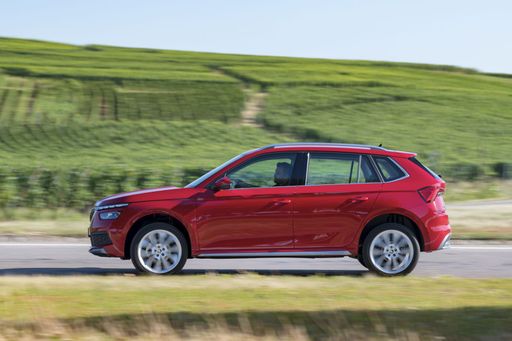
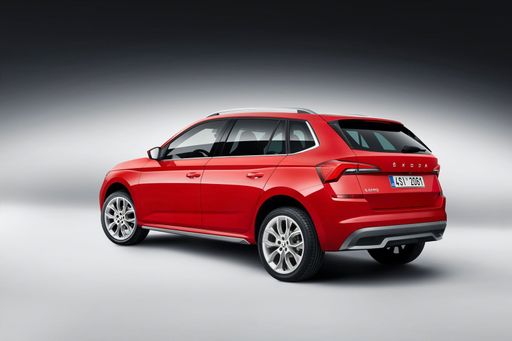
The Skoda Kamiq is a practical, well-built small crossover that mixes city-friendly manners with surprisingly versatile interior space and clever storage solutions. It offers a comfortable ride, user-friendly technology and solid value, making it a sensible choice for everyday driving.

details
Suzuki Vitara
Skoda Kamiq

Costs and Consumption

Price
23,600 - 36,800 £
Price
22,300 - 32,700 £
Consumption L/100km
5.3 - 5.8 L/100km
Consumption L/100km
5.3 - 5.7 L/100km
Consumption kWh/100km
14.9 - 16.6 kWh/100km
Consumption kWh/100km
-
Electric Range
344 - 426 km
Electric Range
-
Battery Capacity
-
Battery Capacity
-
co2
0 - 137 g/km
co2
121 - 128 g/km
Fuel tank capacity
-
Fuel tank capacity
-

Dimensions and Body

Body Type
SUV
Body Type
SUV
Seats
5
Seats
5
Doors
-
Doors
-
Curb weight
1,255 - 1,935 kg
Curb weight
1,231 - 1,340 kg
Trunk capacity
310 - 375 L
Trunk capacity
400 L
Length
-
Length
-
Width
1,775 - 1,800 mm
Width
1,793 mm
Height
-
Height
-
Max trunk capacity
-
Max trunk capacity
-
Payload
395 - 425 kg
Payload
439 - 539 kg

Engine and Performance

Engine Type
Petrol MHEV, Electric
Engine Type
Petrol
Transmission
Automatic, Manuel
Transmission
Manuel, Automatic
Transmission Detail
Automatic Gearbox, Reduction Gearbox, Manual Gearbox
Transmission Detail
Manual Gearbox, Dual-Clutch Automatic
Drive Type
Front-Wheel Drive, All-Wheel Drive
Drive Type
Front-Wheel Drive
Power HP
110 - 184 HP
Power HP
95 - 150 HP
Acceleration 0-100km/h
7.4 - 9.6 s
Acceleration 0-100km/h
8.1 - 11 s
Max Speed
-
Max Speed
-
Torque
193 - 307 Nm
Torque
175 - 250 Nm
Number of Cylinders
4
Number of Cylinders
3 - 4
Power kW
81 - 135 kW
Power kW
70 - 110 kW
Engine capacity
1,373 cm3
Engine capacity
999 - 1,498 cm3

General

Model Year
2,025 - 2,026
Model Year
2025
CO2 Efficiency Class
D, E, A
CO2 Efficiency Class
D
Brand
Suzuki
Brand
Skoda
DriveDuel uses data analysis and artificial intelligence to evaluate vehicle data and create content. Content is regularly reviewed and improved. The displayed prices are estimates based on German list prices, adjusted to the respective country’s VAT. Country-specific registration taxes are not included. This information is not legally binding.