VS

Tesla Model 3 vs BYD Atto 3 comparison

Compare performance (460 HP vs 449 HP), boot space and price (31,700 £ vs 33,400 £ ) at a glance. Find out which car is the better choice for you – Tesla Model 3 or BYD Atto 3?

Tesla Model 3 vs BYD Atto 3: Key differences

Tesla Model 3

3.8 (4 Reviews)
rate
  • very slightly cheaper
  • only slightly more power
  • markedly more efficient
  • visibly more electric range
  • visibly quicker 0–100 km/h
  • very slightly lighter
  • markedly more trunk space

BYD Atto 3

5 (2 Reviews)
rate

All details on performance, efficiency, range and trunk space can be found in the technical comparison below – including user reviews for both models.

Model 3

A Battle of Electrifying Proportions: BYD Atto 3 vs. Tesla Model 3

In the rapidly evolving automotive landscape, electric vehicles (EVs) are taking center stage. Two competitors in this arena, the BYD Atto 3 and the Tesla Model 3, are drawing attention for their innovative approaches and technical prowess. Here's a comprehensive comparison of these two electrifying giants.
Atto 3

Design and Body Type

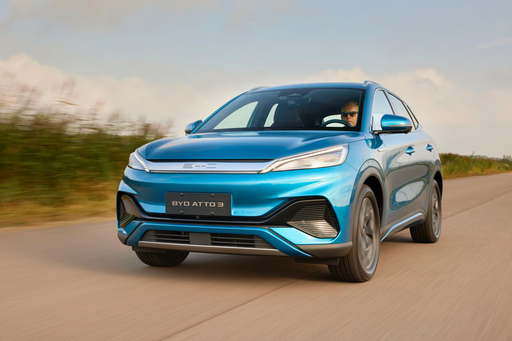
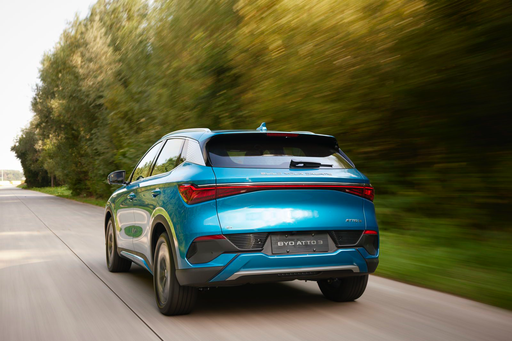
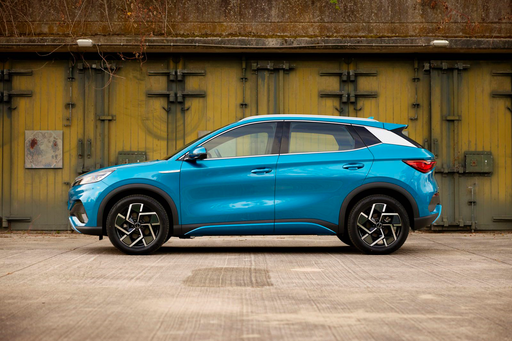
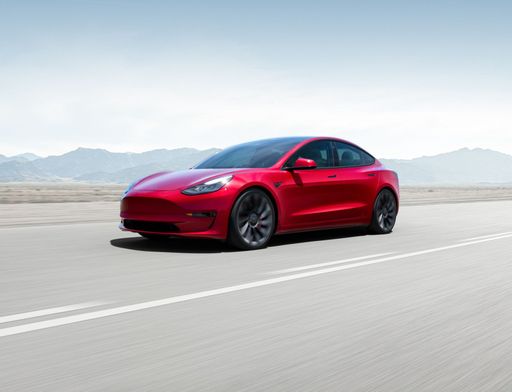
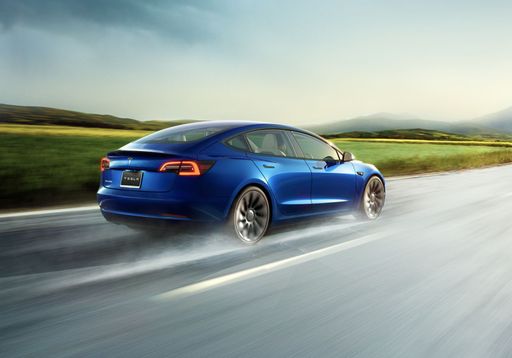
The BYD Atto 3 presents itself as a compact SUV, boasting a length of 4455 mm, a width of 1875 mm, and a height of 1615 mm. Its design appeals to those who prefer the elevated driving position and space of an SUV. On the other hand, the Tesla Model 3, a sleek hatchback, is slightly longer at 4720 mm and offers a more streamlined profile, with a height of 1440–1441 mm. This design choice highlights Tesla's focus on aerodynamics with a low-slung body that appeals to modern minimalism enthusiasts.

Model 3

Engine and Performance

Both vehicles are powered entirely by electric engines, contributing no direct CO2 emissions to the environment. The BYD Atto 3 features a front-wheel-drive system with a power output of 204 HP and a torque of 310 Nm, achieving a 0-100 km/h acceleration in 7.3 seconds and a top speed of 160 km/h. Meanwhile, the Tesla Model 3, available in multiple variants including rear-wheel and all-wheel drive, delivers impressive horsepower ranging from 283 to 460 HP and torque between 420 and 723 Nm. Its most potent variant accelerates from 0 to 100 km/h in just 3.1 seconds and reaches a formidable top speed of up to 262 km/h.

Atto 3

Efficiency and Range

Efficiency stands as the cornerstone for electric vehicles. The BYD Atto 3 showcases a consumption rate of 16 kWh per 100 km, allowing it to cover an electric range of up to 420 km. Tesla's Model 3, however, takes the lead with its extended range capabilities, offering variants that can travel between 513 and a remarkable 702 km on a single charge. Its energy consumption varies across models, with figures as low as 12.5 kWh per 100 km for the most efficient configuration.

Model 3

Interior and Cargo Space

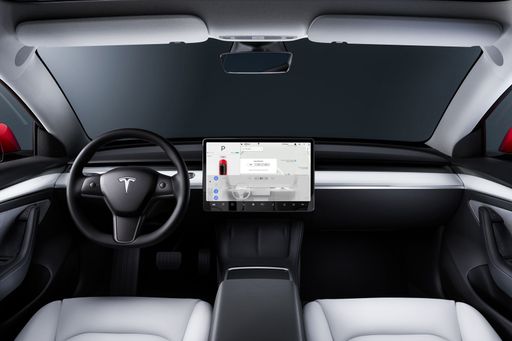
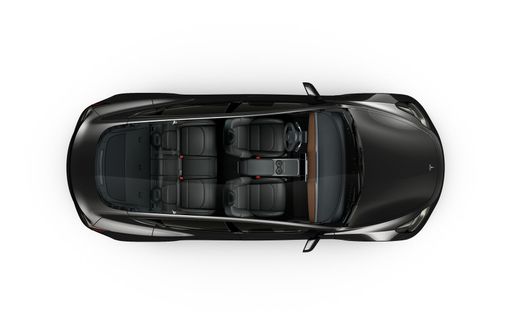
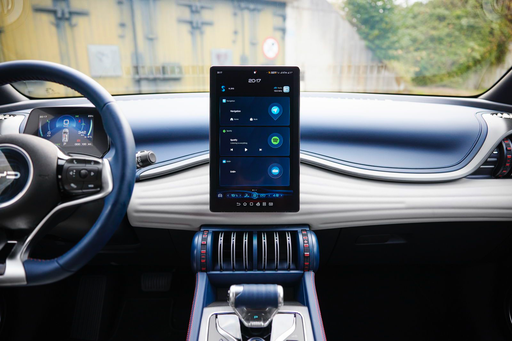
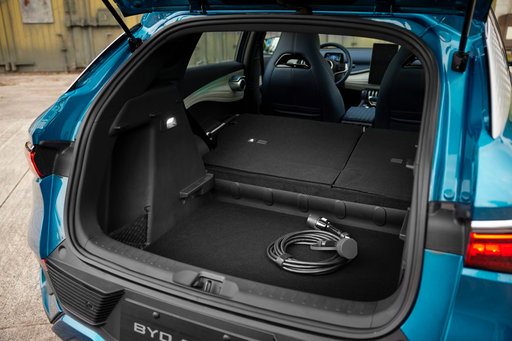
Comfortably seating five, both the BYD Atto 3 and Tesla Model 3 cater to families and daily commuters. The Atto 3 provides a trunk capacity of 440 liters, whereas the Model 3 offers a more generous 594 liters, making it more favorable for those who require ample storage space. Coupled with innovations like Tesla's modern minimalist interior design and BYD's focus on user-friendly controls, each vehicle provides a unique approach to passenger comfort and convenience.

Atto 3

Advanced Technologies

The innovation doesn't cease at powertrains. The Tesla Model 3 is known for its cutting-edge technology, such as its Autopilot system, over-the-air software updates, and a large infotainment screen that dominates the dashboard. BYD, not to be outdone, delivers contemporary technology features, ensuring connectivity and ease of use but focuses heavily on providing value through practicality and affordability.

Model 3

Conclusion

The BYD Atto 3 and Tesla Model 3 each offer compelling reasons to be considered for your next EV purchase. The Atto 3 shines as a practical, efficient SUV option for those who prioritize balance and value, whereas the Model 3 positions itself as a leader in range, performance, and cutting-edge technology. Ultimately, the choice between these two vehicles will depend on an individual's specific needs and preferences in the growing electric vehicle market.

Here’s where it gets real: The technical differences in detail

Model 3

Costs and Efficiency:

Looking at overall running costs, both models reveal some interesting differences in everyday economy.

Tesla Model 3 is very slightly cheaper – starting at 31,700 £ , while the BYD Atto 3 costs 33,400 £ . That’s a price difference of around 1,715 £.

In terms of energy consumption, the Tesla Model 3 is markedly more efficient: consuming 13 kWh/100km compared to 16 kWh/100km for the BYD Atto 3. That’s a difference of about 3 kWh/100km.

As for electric range, the Tesla Model 3 offers visibly more range – reaching up to 750 km, about 240 km more than the BYD Atto 3.

Atto 3

Engine and Performance:

Power, torque and acceleration say a lot about how a car feels on the road. This is where you see which model delivers more driving dynamics.

When it comes to engine power, the Tesla Model 3 offers only slightly more power – delivering 460 HP compared to 449 HP. That’s roughly 11 HP more horsepower.

When accelerating from 0 to 100 km/h, the Tesla Model 3 is visibly quicker – completing the sprint in 3.1 s, while the BYD Atto 3 takes 3.9 s. That’s about 0.8 s quicker.

Looking at top speed, the Tesla Model 3 is clearly faster – reaching 262 km/h, while the BYD Atto 3 tops out at 160 km/h. The difference is around 102 km/h.

There’s also a difference in torque: the Tesla Model 3 delivers a bit more torque with 660 Nm compared to 560 Nm. That’s about 100 Nm more.

Model 3

Space and Everyday Use:

Whether family car or daily driver – which one offers more room, flexibility and comfort?

Both vehicles offer seating for 5 people.

In terms of curb weight, Tesla Model 3 is very slightly lighter – 1,772 kg compared to 1,825 kg. The difference is around 53 kg.

Looking at boot space, the Tesla Model 3 offers markedly more boot space – 594 L compared to 440 L. That’s a difference of about 154 L.

When it comes to payload, the Tesla Model 3 carries somewhat more – 377 kg compared to 335 kg. That’s a difference of about 42 kg.

Who wins the race in the data check?

The Tesla Model 3 is clearly superior overall in the objective data comparison.
This result only shows which model scores more points on paper – not which of the two cars feels right for you.

from £31,700
Model 3

Tesla Model 3

  • Engine Type : Electric
  • Transmission : Automatic
  • Drive Type : All-Wheel Drive, Rear-Wheel Drive
  • Power HP : 283 - 460 HP
  • Consumption kWh/100km : 13 - 16.7 kWh/100km
  • Electric Range : 534 - 750 km
Tesla Model 3
BYD Atto 3

Costs and Consumption

View detailed analysis

Engine and Performance

View detailed analysis

Dimensions and Body

View detailed analysis

Tesla Model 3

The Tesla Model 3 slices through daily commuting with a silent, confident shove that makes petrolheads reassess their life choices, while its minimalist cabin feels more like a slick gadget gallery than a traditional car interior. For buyers after a fuss-free, tech-forward electric with plenty of grin factor and low running drama, it’s hard to beat—just don't be surprised when the car updates itself overnight.

details

BYD Atto 3

The BYD Atto 3 mixes quirky crossover styling with a cleverly packaged interior that feels more premium than its price suggests. Easy to drive, surprisingly practical and loaded with user-friendly tech, it's a strong choice for buyers who want an EV that's fun without being fussy.

details
Tesla Model 3
BYD Atto 3

Costs and Consumption

Price
31,700 - 50,100 £
Price
33,400 - 43,700 £
Consumption L/100km
-
Consumption L/100km
-
Consumption kWh/100km
13 - 16.7 kWh/100km
Consumption kWh/100km
16 kWh/100km
Electric Range
534 - 750 km
Electric Range
420 - 510 km
Battery Capacity
83 kWh
Battery Capacity
-
co2
0 g/km
co2
0 g/km
Fuel tank capacity
-
Fuel tank capacity
-

Dimensions and Body

Body Type
Sedan
Body Type
SUV
Seats
5
Seats
5
Doors
4
Doors
5
Curb weight
1,772 - 1,929 kg
Curb weight
1,825 kg
Trunk capacity
594 L
Trunk capacity
440 L
Length
4,724 mm
Length
4,455 mm
Width
1,850 mm
Width
1,875 mm
Height
1,431 mm
Height
1,615 mm
Max trunk capacity
-
Max trunk capacity
1,338 L
Payload
303 - 377 kg
Payload
335 kg

Engine and Performance

Engine Type
Electric
Engine Type
Electric
Transmission
Automatic
Transmission
Automatic
Transmission Detail
Reduction Gearbox
Transmission Detail
Reduction Gearbox
Drive Type
All-Wheel Drive, Rear-Wheel Drive
Drive Type
Front-Wheel Drive, Rear-Wheel Drive, All-Wheel Drive
Power HP
283 - 460 HP
Power HP
204 - 449 HP
Acceleration 0-100km/h
3.1 - 6.2 s
Acceleration 0-100km/h
3.9 - 7.3 s
Max Speed
262 km/h
Max Speed
160 km/h
Torque
420 - 660 Nm
Torque
310 - 560 Nm
Number of Cylinders
-
Number of Cylinders
-
Power kW
208 - 338 kW
Power kW
150 - 330 kW
Engine capacity
-
Engine capacity
-

General

Model Year
2,025
Model Year
2,023 - 2,026
CO2 Efficiency Class
A
CO2 Efficiency Class
A
Brand
Tesla
Brand
BYD
DriveDuel uses data analysis and artificial intelligence to evaluate vehicle data and create content. Content is regularly reviewed and improved. The displayed prices are estimates based on German list prices, adjusted to the respective country’s VAT. Country-specific registration taxes are not included. This information is not legally binding.