VS

Tesla Model 3 vs Kia EV3 comparison

Compare performance (460 HP vs 265 HP), boot space and price (31,700 £ vs 40,200 £ ) at a glance. Find out which car is the better choice for you – Tesla Model 3 or Kia EV3?

Tesla Model 3 vs Kia EV3: Key differences

Tesla Model 3

4.3 (8 Reviews)
rate
  • clearly cheaper
  • significantly more power
  • noticeably more efficient
  • clearly more electric range
  • significantly quicker 0–100 km/h
  • only slightly lighter
  • visibly more trunk space
details

Kia EV3

4.3 (7 Reviews)
rate
details

All details on performance, efficiency, range and trunk space can be found in the technical comparison below – including user reviews for both models.

By Achim Sedelmaier

Model 3

Head-to-head: Kia EV3 VS Tesla Model 3 — the everyday stakes

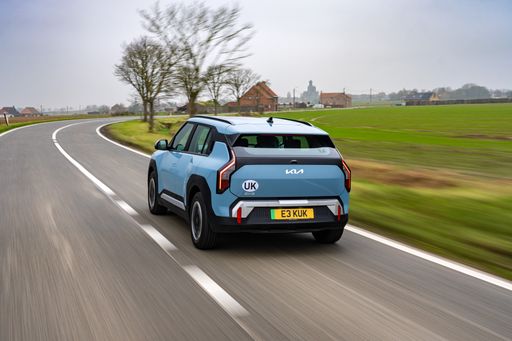
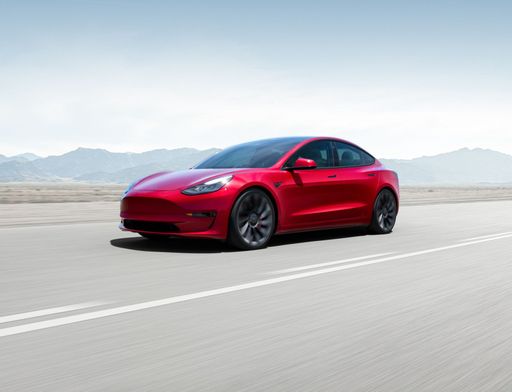
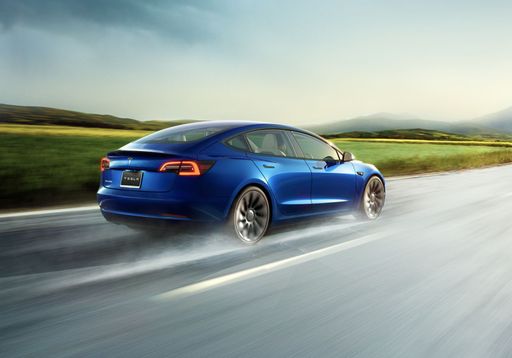
Kia EV3 and Tesla Model 3 sit on opposite ends of the same electric spectrum: the EV3 sells practicality and calm, the Model 3 sells efficiency and software-led speed. The Kia EV3 feels engineered around real-world usability — big boot, easy ingress, simple controls — while the Tesla Model 3 makes a case with razor‑sharp efficiency, brisk performance and an ecosystem that automates long trips. For buyers this matchup is less about headline numbers and more about how the car will behave on the commute, in the supermarket car park and on the motorway at dusk. Read on for the trade-offs that actually matter when you park one of these in your driveway and live with it every day.
EV3

Character and driving feel

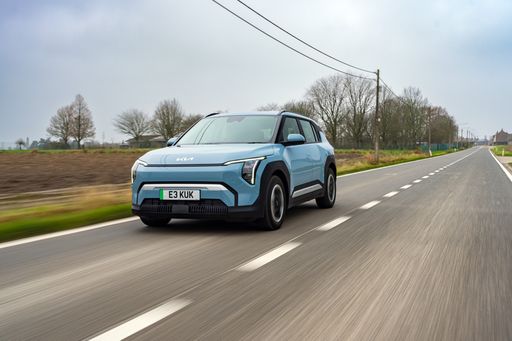
The Kia EV3 drives like a sensible SUV: composed, relaxed and forgiving, suited to cruising rather than chasing apexes, while the Tesla Model 3 delivers a tauter, more athletic feel that rewards sharper inputs. Drivers who prioritise a plush, undemanding ride will appreciate the EV3’s suspension and upright seating; those who want immediacy, nimble turn‑in and a sense of performance will prefer the Model 3. That difference reshapes everyday enjoyment — the EV3 masks motorway monotony, the Model 3 makes urban on‑ramps and mountain passes feel engaging. Neither is a sports car in an extreme sense, but they aim at different smiles per mile.

Model 3

Comfort and long‑distance behavior

On long trips the Kia EV3 leans into comfort with roomy front seats and a forgiving chassis that soaks up country B‑roads, whereas the Tesla Model 3 rewards distance with very low energy use and a hushed cruising character. The EV3’s higher ride position helps visibility and reduces fatigue for city‑to‑motorway transitions, but some road‑noise and tyre roar can creep in at sustained high speed. The Model 3’s quieter cabin and efficient pace reduce charging anxiety and overall journey time thanks to its integrated charging planning, which makes it feel purpose‑built for regular long runs. For people who split time equally between school runs and weekend drives the EV3’s seat comfort and luggage space matter more; for serial commuters the Model 3’s serenity and range economy are persuasive.

EV3

City friendliness and practicality

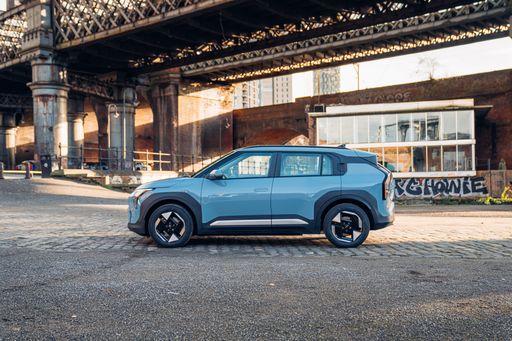
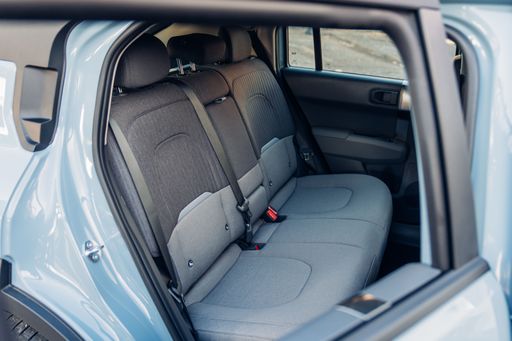
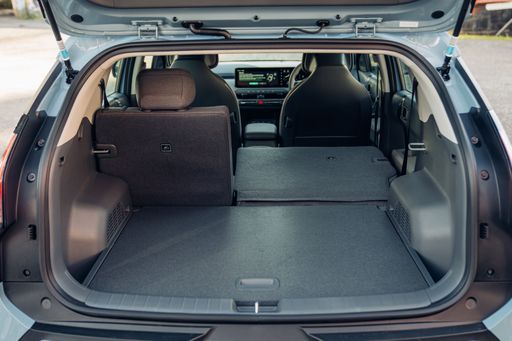
As an SUV, the Kia EV3 wins in everyday practicality: broad rear doors, a generous boot and a helpful frunk make city errands and family logistics straightforward compared with the Tesla Model 3’s sedan layout. The Model 3 is narrow and agile, and it’s delightfully efficient in stop‑start traffic, but its sedan‑style boot opening and lower ride height are less accommodating for bulky loads or frequent stroller swaps. Parking and low‑speed manoeuvres favour the EV3’s higher seating and clear sightlines, while the Model 3’s precise steering and compact footprint reward confident urban drivers. If hauling prams, bikes and shopping is routine, the Kia EV3 is the less stressful choice; if you prioritise economy and quick urban runs, the Tesla Model 3 fits better.

Model 3

Cabin feel, tech and perceived quality

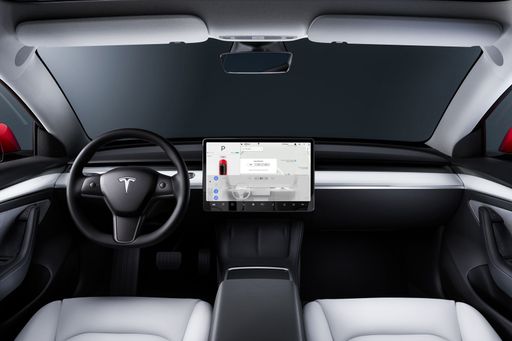
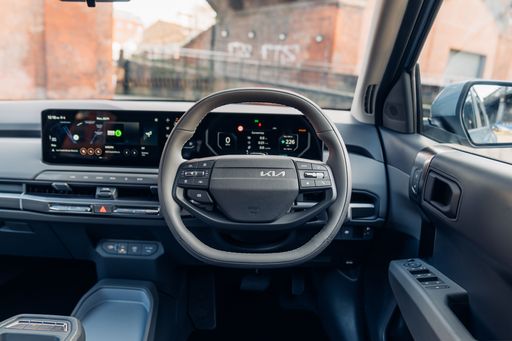
The interior of the Kia EV3 is pragmatic: ergonomic switches, sensible layout and durable materials that prioritise function over flash, while the Tesla Model 3 follows a minimalist, software‑centric approach with a fast central screen and over‑the‑air evolution. Tesla’s infotainment feels quicker and more integrated for charging and navigation, but its touch‑first control philosophy can frustrate drivers who miss tactile buttons and smartphone mirroring. The Kia EV3 offers more conventional controls and straightforward rekuperation settings, which many buyers find less distracting and more intuitive in daily use. Perceived quality comes down to trim choice and taste: the Model 3 reads modern and technical, the EV3 reads practical and honest.

EV3

Buyer fit and the trade-offs to consider

Choose the Kia EV3 if your life demands space, easy family use and a friendly cabin that keeps small annoyances to a minimum; the EV3 is the safer pragmatic pick for parents and value‑minded fleet buyers. Opt for the Tesla Model 3 if your priority is maximum efficiency, a quieter long‑distance experience and a software ecosystem that simplifies charging and route planning for frequent motorway runs. Both cars deliver electric mobility with different emphases — the EV3 on usable comfort and cargo sense, the Model 3 on efficiency and a more focused driving character. Below we break down the technical specifics so you can see which of those trade‑offs maps to your daily kilometre needs.

Here’s where it gets real: The technical differences in detail

Model 3

Costs and Efficiency:

Price and efficiency are often the first things buyers look at. Here it becomes clear which model has the long-term edge – whether at the pump, the plug, or in purchase price.

Tesla Model 3 is clearly cheaper – starting at 31,700 £ , while the Kia EV3 costs 40,200 £ . That’s a price difference of around 8,477 £.

In terms of energy consumption, the Tesla Model 3 is noticeably more efficient: consuming 13 kWh/100km compared to 15.8 kWh/100km for the Kia EV3. That’s a difference of about 2.8 kWh/100km.

As for electric range, the Tesla Model 3 offers clearly more range – reaching up to 750 km, about 178 km more than the Kia EV3.

EV3

Engine and Performance:

Under the bonnet, it becomes clear which model is tuned for sportiness and which one takes the lead when you hit the accelerator.

When it comes to engine power, the Tesla Model 3 offers significantly more power – delivering 460 HP compared to 265 HP. That’s roughly 195 HP more horsepower.

When accelerating from 0 to 100 km/h, the Tesla Model 3 is significantly quicker – completing the sprint in 3.1 s, while the Kia EV3 takes 6.6 s. That’s about 3.5 s quicker.

There’s also a difference in torque: the Tesla Model 3 delivers clearly more torque with 660 Nm compared to 385 Nm. That’s about 275 Nm more.

Model 3

Space and Everyday Use:

Beyond pure performance, interior space and usability matter most in daily life. This is where you see which car is more practical and versatile.

Both vehicles offer seating for 5 people.

In terms of curb weight, Tesla Model 3 is only slightly lighter – 1,822 kg compared to 1,995 kg. The difference is around 173 kg.

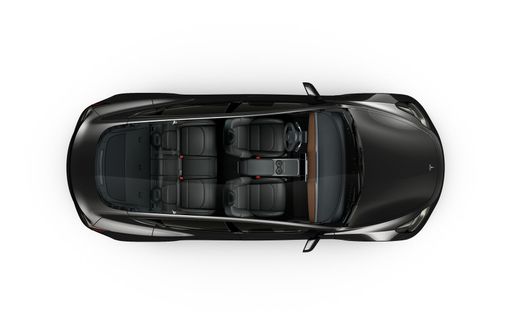
Looking at boot space, the Tesla Model 3 offers visibly more boot space – 594 L compared to 413 L. That’s a difference of about 181 L.

When it comes to payload, the Kia EV3 carries markedly more – 485 kg compared to 333 kg. That’s a difference of about 152 kg.

Who wins the race in the data check?

The Tesla Model 3 is clearly superior overall in the objective data comparison.
This result only shows which model scores more points on paper – not which of the two cars feels right for you.

from £31,700
Model 3

Tesla Model 3

  • Engine Type Electric
  • Transmission Automatic
  • Drive Type All-Wheel Drive, Rear-Wheel Drive
  • Power HP 283 - 460 HP
  • Consumption kWh/100km 13 - 16.5 kWh/100km
  • Electric Range 534 - 750 km
Tesla Model 3
Kia EV3

Costs and Consumption

View detailed analysis

Engine and Performance

View detailed analysis

Dimensions and Body

View detailed analysis

Tesla Model 3

The Tesla Model 3 is a compact electric sedan that pairs brisk, responsive driving with a sleek, minimalist cabin and intuitive, software-led features. It makes a practical, modern choice for daily commutes and long-term ownership while emphasizing simplicity and advanced driver assistance.

details

Kia EV3

The Kia EV3 is a stylish, user-friendly electric crossover that focuses on practicality and a roomy, well-equipped cabin. It delivers a comfortable ride with intuitive technology and efficient everyday performance, making it a sensible choice for city and family use.

details
Tesla Model 3
Kia EV3

Costs and Consumption

Price
31,700 - 50,100 £
Price
40,200 - 43,900 £
Consumption L/100km
-
Consumption L/100km
-
Consumption kWh/100km
13 - 16.5 kWh/100km
Consumption kWh/100km
15.8 kWh/100km
Electric Range
534 - 750 km
Electric Range
572 km
Battery Capacity
-
Battery Capacity
-
co2
0 g/km
co2
0 g/km
Fuel tank capacity
-
Fuel tank capacity
-

Dimensions and Body

Body Type
Sedan
Body Type
SUV
Seats
5
Seats
5
Doors
-
Doors
-
Curb weight
1,822 - 1,929 kg
Curb weight
1,995 kg
Trunk capacity
594 L
Trunk capacity
413 L
Length
-
Length
-
Width
1,850 mm
Width
1,850 mm
Height
-
Height
-
Max trunk capacity
-
Max trunk capacity
-
Payload
302 - 333 kg
Payload
485 kg

Engine and Performance

Engine Type
Electric
Engine Type
Electric
Transmission
Automatic
Transmission
Automatic
Transmission Detail
Reduction Gearbox
Transmission Detail
Reduction Gearbox
Drive Type
All-Wheel Drive, Rear-Wheel Drive
Drive Type
All-Wheel Drive
Power HP
283 - 460 HP
Power HP
265 HP
Acceleration 0-100km/h
3.1 - 6.2 s
Acceleration 0-100km/h
6.6 s
Max Speed
-
Max Speed
-
Torque
420 - 660 Nm
Torque
385 Nm
Number of Cylinders
-
Number of Cylinders
-
Power kW
208 - 338 kW
Power kW
195 kW
Engine capacity
-
Engine capacity
-

General

Model Year
2025
Model Year
2026
CO2 Efficiency Class
A
CO2 Efficiency Class
A
Brand
Tesla
Brand
Kia
DriveDuel uses data analysis and artificial intelligence to evaluate vehicle data and create content. Content is regularly reviewed and improved. The displayed prices are estimates based on German list prices, adjusted to the respective country’s VAT. Country-specific registration taxes are not included. This information is not legally binding.