VS

Tesla Model Y vs BMW i5 comparison

Compare performance (460 HP vs 601 HP), boot space and price (34,300 £ vs 60,200 £ ) at a glance. Find out which car is the better choice for you – Tesla Model Y or BMW i5?

Tesla Model Y vs BMW i5: Key differences

Tesla Model Y

4.5 (4 Reviews)
rate
  • considerably cheaper
  • slightly more efficient
  • very slightly more electric range
  • marginally quicker 0–100 km/h
  • a bit lighter
  • considerably more trunk space

BMW i5

  • visibly more power

All details on performance, efficiency, range and trunk space can be found in the technical comparison below – including user reviews for both models.

Model Y

BMW i5 vs Tesla Model Y: A Comprehensive Comparison

In the rapidly evolving world of electric vehicles, two names stand tall: the BMW i5 and the Tesla Model Y. Each bringing unique offerings to the table, potential buyers often find themselves weighing the pros and cons of these cutting-edge machines. This article delves into a detailed comparison of these two electric vehicles, covering technical aspects, innovations, and what they mean for the modern driver.
i5

Design and Body Type

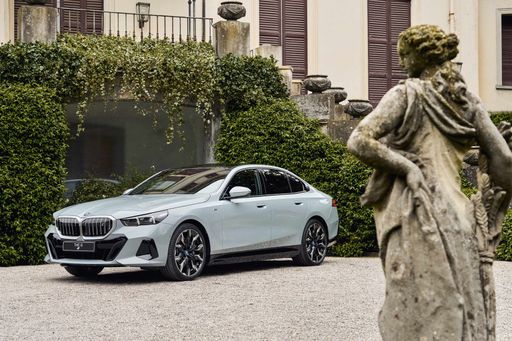
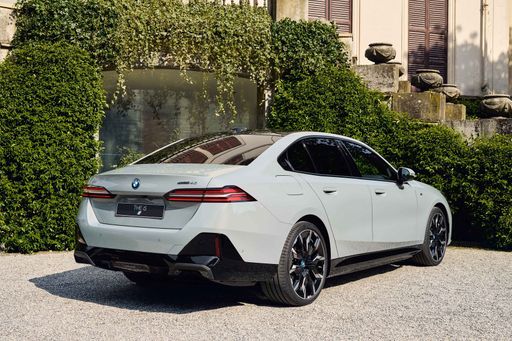
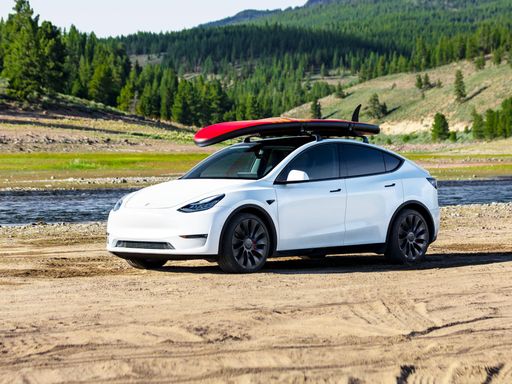
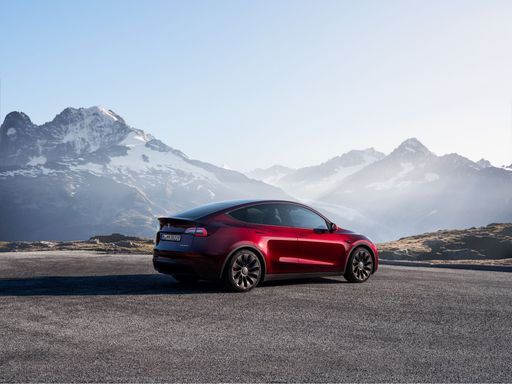
The BMW i5 is a sleek sedan that embodies classic BMW styling with a modern electric twist. Measuring 5060 mm long, 1900 mm wide, and standing at 1515 mm high, it presents an elegant profile that appeals to those seeking luxury in their driving experience. In contrast, the Tesla Model Y is an SUV designed for practicality and space. With a length of 4751 mm, a width of 1921 mm, and a height of 1624 mm, the Model Y boasts a more robust stance that provides additional cargo capacity.

Model Y

Performance Metrics

When it comes to performance, the BMW i5 offers multiple variants, with power outputs ranging from 340 HP to a staggering 601 HP. The i5 can achieve 0-100 km/h in as little as 3.8 seconds, making it a thrilling choice for speed enthusiasts. The Tesla Model Y, on the other hand, ranges from 299 HP to 534 HP, with a remarkable acceleration of 0-100 km/h in just 3.7 seconds in its performance version. Both vehicles come with automatic transmission and reduction gearbox, ensuring smooth gear shifts and a modern driving experience.

i5

Range and Battery Capacity

Electric range is a crucial factor for many buyers, and both vehicles deliver impressively. The BMW i5, with a battery capacity of 81.2 kWh, boasts ranges between 511 km to 582 km. Conversely, the Tesla Model Y, depending on the variant, offers an electric range from 455 km to 600 km with battery capacity options of 62 kWh and 79 kWh. While both vehicles provide ample range for daily commutes and longer trips, the choice may depend on specific driving needs and preferences.

Model Y

Charging and Efficiency

Efficiency is another critical differentiator. The BMW i5 consumes between 15.9 to 18.4 kWh/100km, while the Tesla Model Y showcases a slightly more impressive efficiency of 14.9 to 17.3 kWh/100km. Both vehicles are 0g/km for CO2 emissions, aligning with the current push toward more sustainable driving options.

i5

Interior Comfort and Technology

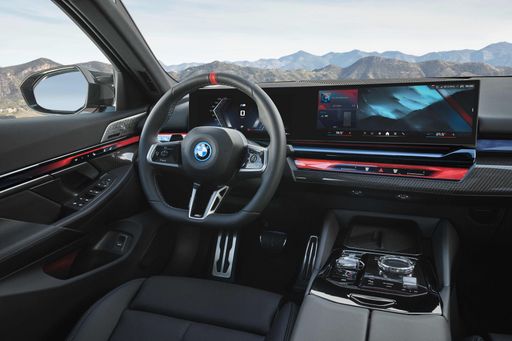
The interior of the BMW i5 emphasizes luxury and driver-centric technology, offering plush seating for up to five passengers and a trunk capacity of 490 liters. The cabin is adorned with premium materials and the latest infotainment systems, ensuring a comfortable experience on the road.

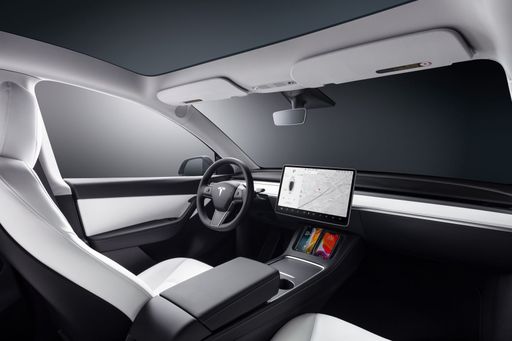
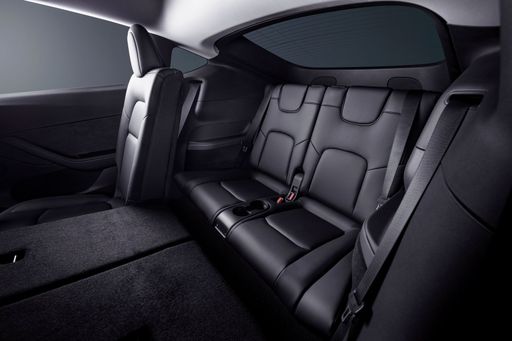
On the other hand, the Tesla Model Y offers practical seating for five, with an option for seven, catering to families or those needing extra space. The trunk capacity is impressive at 854 liters, ideal for carrying larger loads. Tesla's minimalist design approach is evident, focusing on a sleek dashboard dominated by a central touchscreen that controls nearly every function of the vehicle.

Model Y

Driving Experience and Innovations

Both vehicles provide distinct driving experiences. The BMW i5 offers a more traditional automotive feel, blending the brand's legacy of craftsmanship with electric capabilities. It inherits BMW's well-regarded handling characteristics, ensuring a dynamic driving experience that enthusiasts will appreciate.

The Tesla Model Y, however, introduces cutting-edge features such as Autopilot, making it a frontrunner in the realm of advanced driver-assistance systems (ADAS). The seamless integration of technology makes driving feel more like a futuristic experience, with regular over-the-air updates continuing to enhance the vehicle's capabilities.

Conclusion: Which One to Choose?

Ultimately, the choice between the BMW i5 and Tesla Model Y will come down to personal preferences in styling, driving experience, and practicality. The i5 caters to those looking for luxury and performance in a sedan, while the Model Y captures the hearts of those seeking utility and innovative technology in an SUV format. Both vehicles showcase the potential of electric driving, setting high standards for the industry. As the automotive landscape continues to innovate, both BMW and Tesla will undoubtedly play pivotal roles in shaping the future of electric mobility.

Here’s where it gets real: The technical differences in detail

Model Y

Costs and Efficiency:

Price and efficiency are often the first things buyers look at. Here it becomes clear which model has the long-term edge – whether at the pump, the plug, or in purchase price.

Tesla Model Y is considerably cheaper – starting at 34,300 £ , while the BMW i5 costs 60,200 £ . That’s a price difference of around 25,894 £.

In terms of energy consumption, the Tesla Model Y is slightly more efficient: consuming 12.7 kWh/100km compared to 14.7 kWh/100km for the BMW i5. That’s a difference of about 2 kWh/100km.

As for electric range, the Tesla Model Y offers very slightly more range – reaching up to 657 km, about 30 km more than the BMW i5.

i5

Engine and Performance:

Power, torque and acceleration are the classic benchmarks for car enthusiasts – and here, some clear differences start to show.

When it comes to engine power, the BMW i5 offers visibly more power – delivering 601 HP compared to 460 HP. That’s roughly 141 HP more horsepower.

When accelerating from 0 to 100 km/h, the Tesla Model Y is marginally quicker – completing the sprint in 3.5 s, while the BMW i5 takes 3.8 s. That’s about 0.3 s quicker.

Looking at top speed, the BMW i5 is a bit faster – reaching 230 km/h, while the Tesla Model Y tops out at 201 km/h. The difference is around 29 km/h.

There’s also a difference in torque: the BMW i5 delivers somewhat more torque with 820 Nm compared to 660 Nm. That’s about 160 Nm more.

Model Y

Space and Everyday Use:

Beyond pure performance, interior space and usability matter most in daily life. This is where you see which car is more practical and versatile.

Seats: Tesla Model Y offers more seats – 7 vs 5.

In terms of curb weight, Tesla Model Y is a bit lighter – 1,953 kg compared to 2,195 kg. The difference is around 242 kg.

Looking at boot space, the Tesla Model Y offers considerably more boot space – 822 L compared to 490 L. That’s a difference of about 332 L.

When it comes to payload, the BMW i5 carries slightly more – 545 kg compared to 472 kg. That’s a difference of about 73 kg.

Who wins the race in the data check?

The Tesla Model Y is clearly superior overall in the objective data comparison.
This result only shows which model scores more points on paper – not which of the two cars feels right for you.

from £34,300
Model Y

Tesla Model Y

  • Engine Type : Electric
  • Transmission : Automatic
  • Drive Type : All-Wheel Drive, Rear-Wheel Drive
  • Power HP : 299 - 460 HP
  • Consumption kWh/100km : 12.7 - 16.2 kWh/100km
  • Electric Range : 534 - 657 km
Tesla Model Y
BMW i5

Costs and Consumption

View detailed analysis

Engine and Performance

View detailed analysis

Dimensions and Body

View detailed analysis

Tesla Model Y

The Tesla Model Y blends SUV practicality with sports-car poke, wrapping a roomy, minimalist cabin and handy hatch into a slick, aerodynamic package that feels more Silicon Valley gadget than garage ornament. It’s an ideal pick for buyers who want effortless electric driving, regular software improvements and access to Tesla’s convenient charging network, though style-conscious shoppers should know it’s more about tech and efficiency than classic luxury.

details

BMW i5

The BMW i5 swaps predictable executive-car manners for a confident electric vibe, marrying refined comfort with surprisingly engaging steering. It’s a practical choice that doesn’t feel dull, offering the kind of clean, premium experience that makes commuting feel like a small indulgence.

details
Tesla Model Y
BMW i5

Costs and Consumption

Price
34,300 - 53,100 £
Price
60,200 - 85,300 £
Consumption L/100km
-
Consumption L/100km
-
Consumption kWh/100km
12.7 - 16.2 kWh/100km
Consumption kWh/100km
14.7 - 17.1 kWh/100km
Electric Range
534 - 657 km
Electric Range
540 - 627 km
Battery Capacity
64.5 - 83 kWh
Battery Capacity
81.2 kWh
co2
0 g/km
co2
0 g/km
Fuel tank capacity
-
Fuel tank capacity
-

Dimensions and Body

Body Type
SUV
Body Type
Sedan
Seats
5 - 7
Seats
5
Doors
5
Doors
4
Curb weight
1,953 - 2,108 kg
Curb weight
2,195 - 2,370 kg
Trunk capacity
822 L
Trunk capacity
490 L
Length
4,790 - 4,797 mm
Length
5,060 mm
Width
1,920 - 1,921 mm
Width
1,900 mm
Height
1,621 - 1,624 mm
Height
1,505 - 1,515 mm
Max trunk capacity
2,118 - 2,138 L
Max trunk capacity
-
Payload
435 - 472 kg
Payload
525 - 545 kg

Engine and Performance

Engine Type
Electric
Engine Type
Electric
Transmission
Automatic
Transmission
Automatic
Transmission Detail
Reduction Gearbox
Transmission Detail
Reduction Gearbox
Drive Type
All-Wheel Drive, Rear-Wheel Drive
Drive Type
Rear-Wheel Drive, All-Wheel Drive
Power HP
299 - 460 HP
Power HP
340 - 601 HP
Acceleration 0-100km/h
3.5 - 7.2 s
Acceleration 0-100km/h
3.8 - 6 s
Max Speed
201 km/h
Max Speed
193 - 230 km/h
Torque
420 - 660 Nm
Torque
430 - 820 Nm
Number of Cylinders
-
Number of Cylinders
-
Power kW
220 - 338 kW
Power kW
250 - 442 kW
Engine capacity
-
Engine capacity
-

General

Model Year
2,025 - 2,026
Model Year
2,023 - 2,024
CO2 Efficiency Class
A
CO2 Efficiency Class
A
Brand
Tesla
Brand
BMW
DriveDuel uses data analysis and artificial intelligence to evaluate vehicle data and create content. Content is regularly reviewed and improved. The displayed prices are estimates based on German list prices, adjusted to the respective country’s VAT. Country-specific registration taxes are not included. This information is not legally binding.