VS

Tesla Model Y vs BMW iX2 comparison

Compare performance (460 HP vs 313 HP), boot space and price (34,300 £ vs 43,700 £ ) at a glance. Find out which car is the better choice for you – Tesla Model Y or BMW iX2?

Tesla Model Y vs BMW iX2: Key differences

Tesla Model Y

4.5 (5 Reviews)
rate
  • visibly cheaper
  • noticeably more power
  • moderately more efficient
  • markedly more electric range
  • significantly quicker 0–100 km/h
  • barely lighter
  • noticeably more trunk space
details

BMW iX2

5 (2 Reviews)
rate
details

All details on performance, efficiency, range and trunk space can be found in the technical comparison below – including user reviews for both models.

By Achim Sedelmaier

Model Y

In the ever-evolving landscape of electric SUVs, the competition continues to heat up with remarkable entries from established automakers. One of the most intriguing rivalries is between the BMW iX2 and the Tesla Model Y. Both vehicles embody cutting-edge technology and sustainability, but there's a depth of difference in performance, design, and innovation that potential buyers should consider. Let’s dive deeper into the details of these two electric SUVs.
iX2

Design and Dimensions

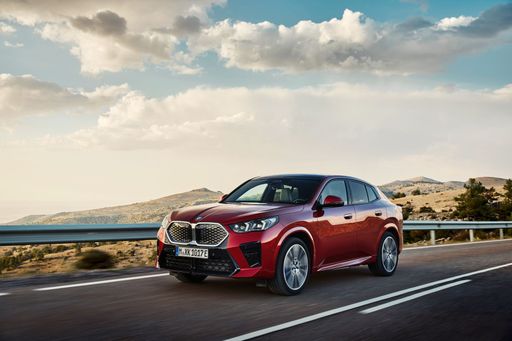
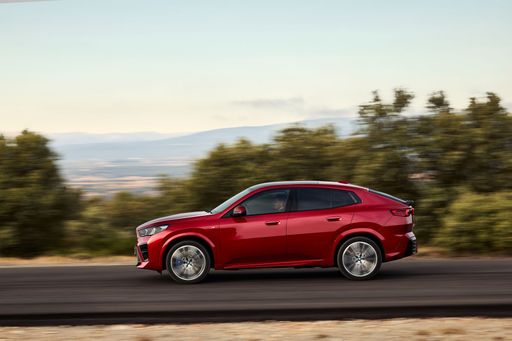
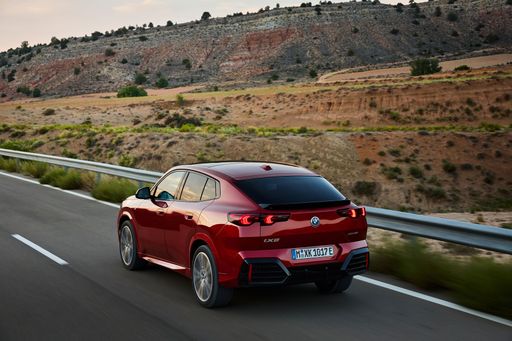
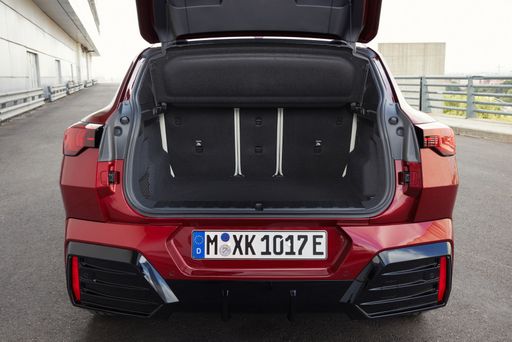
The BMW iX2 boasts a sleek and modern design typical of the brand's aesthetic, presenting a bold stance with a length of 4554 mm, a width of 1845 mm, and a height of 1560 mm. This compact SUV is built to accommodate five passengers comfortably, offering a trunk capacity of 525 liters.

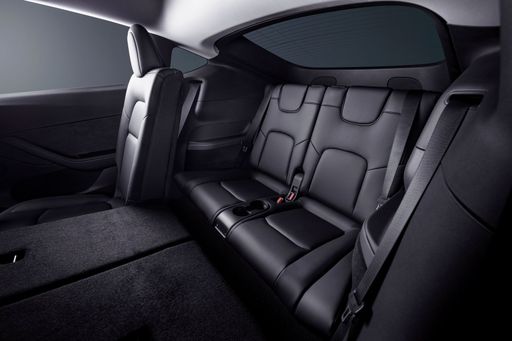
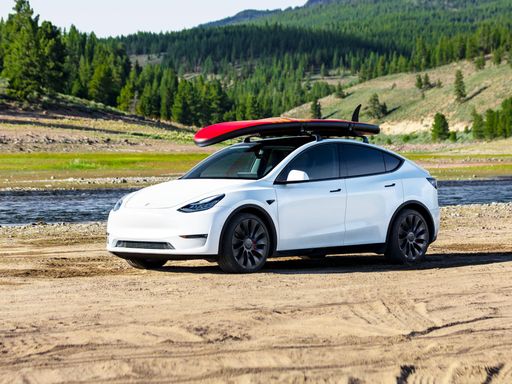
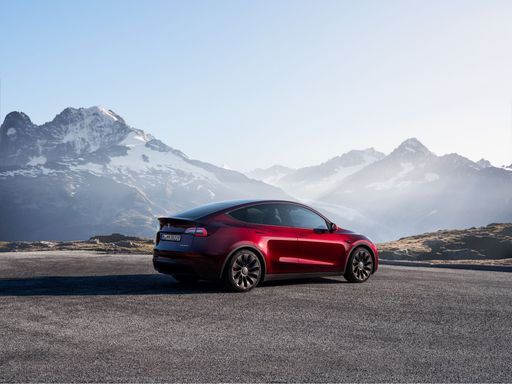
On the other hand, the Tesla Model Y is a larger vehicle with dimensions of 4751 mm in length, 1921 mm in width, and 1624 mm in height. It provides flexibility with seating options for five or seven passengers, depending on the configuration, and boasts a substantial trunk capacity ranging from 363 liters to 854 liters.

Model Y

Powertrain and Performance

The BMW iX2 comes equipped with two engine configurations, delivering 204 HP in its entry-level Front-Wheel Drive model and 313 HP in the All-Wheel Drive variant. The vehicle accelerates from 0 to 100 km/h in 8.6 seconds for the lower model and an impressive 5.6 seconds for the higher output version. It features a battery capacity of 64.8 kWh that enables a range of 459 km, with energy consumption ratings of 15.9 to 16.9 kWh/100 km.

In comparison, the Tesla Model Y shines with multiple configurations offering up to 534 HP. Its top-tier performance model can rocket from 0 to 100 km/h in just 3.7 seconds. Depending on the variant, Tesla provides battery capacities ranging from 62 kWh to 79 kWh, allowing a remarkable electric range of up to 600 km, with energy consumption between 14.9 and 17.3 kWh/100 km.

iX2

Driving Experience

When it comes to driving dynamics, the BMW iX2 aims to encapsulate the thrill of driving that the brand is known for. Its all-wheel-drive system ensures better traction and stability on various terrains. The torque output ranges from 250 Nm to 494 Nm, offering a responsive driving experience.

On the flip side, the Tesla Model Y, with its immediate torque delivery up to 660 Nm, provides a thrilling acceleration that leaves many electric rivals in the dust. The Model Y’s rear-wheel and all-wheel drive options present drivers with the choice of a sportier or more efficient driving experience.

Model Y

Technology and Innovations

Both models are equipped with an array of advanced technologies catering to the modern driver. The BMW iX2 features the latest iDrive 8 infotainment system, further enhancing the user experience with its intuitive interface and excellent connectivity options. Safety remains a priority for BMW, offering an extensive suite of driver-assistance systems.

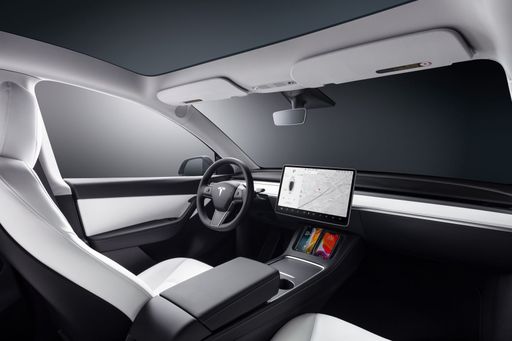
The Tesla Model Y is celebrated for its minimalist interior dominated by a large touchscreen that controls almost all of the vehicle’s functions. Its Autopilot capabilities, along with regular over-the-air updates, mean that the Model Y continuously improves post-purchase, setting a new standard for automotive technology.

iX2

Conclusion: Which SUV Should You Choose?

Your choice between the BMW iX2 and Tesla Model Y ultimately depends on your priorities. If you lean towards a dynamic driving experience coupled with luxurious features and a compact size, the BMW iX2 is an excellent choice. However, if you prefer cutting-edge technology, superior performance, and impressive range, the Tesla Model Y could be the right fit.

In the world of electric SUVs, both the BMW iX2 and Tesla Model Y showcase the potential of electric mobility while catering to different tastes and needs. As the market evolves, these vehicles will undoubtedly set the tone for future developments in the automotive industry.

Here’s where it gets real: The technical differences in detail

Model Y

Costs and Efficiency:

Price and efficiency are often the first things buyers look at. Here it becomes clear which model has the long-term edge – whether at the pump, the plug, or in purchase price.

Tesla Model Y is visibly cheaper – starting at 34,300 £ , while the BMW iX2 costs 43,700 £ . That’s a price difference of around 9,437 £.

In terms of energy consumption, the Tesla Model Y is moderately more efficient: consuming 12.7 kWh/100km compared to 14.4 kWh/100km for the BMW iX2. That’s a difference of about 1.7 kWh/100km.

As for electric range, the Tesla Model Y offers markedly more range – reaching up to 657 km, about 145 km more than the BMW iX2.

iX2

Engine and Performance:

Power, torque and acceleration are the classic benchmarks for car enthusiasts – and here, some clear differences start to show.

When it comes to engine power, the Tesla Model Y offers noticeably more power – delivering 460 HP compared to 313 HP. That’s roughly 147 HP more horsepower.

When accelerating from 0 to 100 km/h, the Tesla Model Y is significantly quicker – completing the sprint in 3.5 s, while the BMW iX2 takes 5.6 s. That’s about 2.1 s quicker.

There’s also a difference in torque: the Tesla Model Y delivers noticeably more torque with 660 Nm compared to 494 Nm. That’s about 166 Nm more.

Model Y

Space and Everyday Use:

Cabin size, boot volume and payload all play a role in everyday practicality. Here, comfort and flexibility make the difference.

Seats: Tesla Model Y offers more seats – 7 vs 5.

In terms of curb weight, Tesla Model Y is barely lighter – 1,953 kg compared to 1,960 kg. The difference is around 7 kg.

Looking at boot space, the Tesla Model Y offers noticeably more boot space – 822 L compared to 525 L. That’s a difference of about 297 L.

When it comes to payload, the BMW iX2 carries very slightly more – 510 kg compared to 472 kg. That’s a difference of about 38 kg.

Who wins the race in the data check?

The Tesla Model Y stands well ahead of its rival in the objective data comparison.
This result only shows which model scores more points on paper – not which of the two cars feels right for you.

from £34,300
Model Y

Tesla Model Y

  • Engine Type : Electric
  • Transmission : Automatic
  • Drive Type : All-Wheel Drive, Rear-Wheel Drive
  • Power HP : 299 - 460 HP
  • Consumption kWh/100km : 12.7 - 16.2 kWh/100km
  • Electric Range : 534 - 657 km
Tesla Model Y
BMW iX2

Costs and Consumption

View detailed analysis

Engine and Performance

View detailed analysis

Dimensions and Body

View detailed analysis

Tesla Model Y

The Tesla Model Y is a tech‑forward family SUV that marries blistering efficiency with enormous interior space, calm motorway manners and the obvious convenience of Tesla’s charging ecosystem and over‑the‑air updates. Its minimalist, screen‑centric cabin and rather firm ride — plus limited rear visibility and the absence of Apple CarPlay/Android Auto — are trade‑offs that will bother buyers who prioritise comfort or traditional ergonomics.

details

BMW iX2

The BMW iX2 cuts a sporty silhouette and delivers the buttoned-up premium feel you expect from the brand, wrapped in a compact electric package that’s easy to live with. It’s a smart pick for buyers who want engaging city driving, clever cabin tech and a touch of eco-conscious flair without giving up the fun behind the wheel.

details
Tesla Model Y
BMW iX2

Costs and Consumption

Price
34,300 - 53,100 £
Price
43,700 - 55,600 £
Consumption L/100km
-
Consumption L/100km
-
Consumption kWh/100km
12.7 - 16.2 kWh/100km
Consumption kWh/100km
14.4 - 15.4 kWh/100km
Electric Range
534 - 657 km
Electric Range
476 - 512 km
Battery Capacity
64.5 - 83 kWh
Battery Capacity
-
co2
0 g/km
co2
0 g/km
Fuel tank capacity
-
Fuel tank capacity
-

Dimensions and Body

Body Type
SUV
Body Type
SUV
Seats
5 - 7
Seats
5
Doors
5
Doors
-
Curb weight
1,953 - 2,108 kg
Curb weight
1,960 - 2,095 kg
Trunk capacity
822 L
Trunk capacity
525 L
Length
4,790 - 4,797 mm
Length
-
Width
1,920 - 1,921 mm
Width
1,845 mm
Height
1,621 - 1,624 mm
Height
-
Max trunk capacity
2,118 - 2,138 L
Max trunk capacity
-
Payload
435 - 472 kg
Payload
500 - 510 kg

Engine and Performance

Engine Type
Electric
Engine Type
Electric
Transmission
Automatic
Transmission
Automatic
Transmission Detail
Reduction Gearbox
Transmission Detail
Reduction Gearbox
Drive Type
All-Wheel Drive, Rear-Wheel Drive
Drive Type
Front-Wheel Drive, All-Wheel Drive
Power HP
299 - 460 HP
Power HP
204 - 313 HP
Acceleration 0-100km/h
3.5 - 7.2 s
Acceleration 0-100km/h
5.6 - 8.6 s
Max Speed
201 km/h
Max Speed
-
Torque
420 - 660 Nm
Torque
250 - 494 Nm
Number of Cylinders
-
Number of Cylinders
-
Power kW
220 - 338 kW
Power kW
150 - 230 kW
Engine capacity
-
Engine capacity
-

General

Model Year
2,025 - 2,026
Model Year
2026
CO2 Efficiency Class
A
CO2 Efficiency Class
A
Brand
Tesla
Brand
BMW
DriveDuel uses data analysis and artificial intelligence to evaluate vehicle data and create content. Content is regularly reviewed and improved. The displayed prices are estimates based on German list prices, adjusted to the respective country’s VAT. Country-specific registration taxes are not included. This information is not legally binding.