VS

Toyota Aygo vs Kia Picanto comparison

Compare performance (116 HP vs 68 HP), boot space and price (18,800 £ vs 15,100 £ ) at a glance. Find out which car is the better choice for you – Toyota Aygo or Kia Picanto?

Toyota Aygo vs Kia Picanto: Key differences

Toyota Aygo

5 (1 Reviews)
rate
  • clearly more power
  • substantially more efficient
  • substantially quicker 0–100 km/h
  • very slightly lighter
details

Kia Picanto

4.4 (4 Reviews)
rate
  • noticeably cheaper
  • very slightly more trunk space
details

All details on performance, efficiency, range and trunk space can be found in the technical comparison below – including user reviews for both models.

By Achim Sedelmaier

Aygo

The short pitch

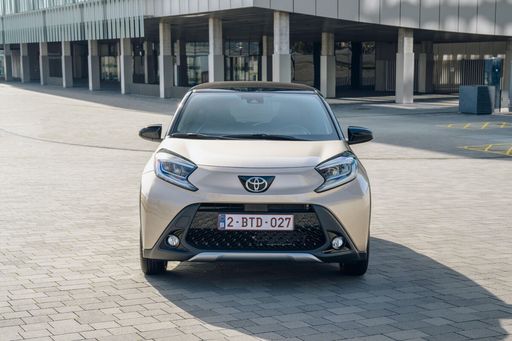
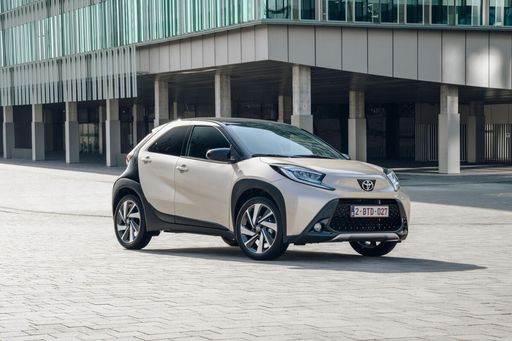
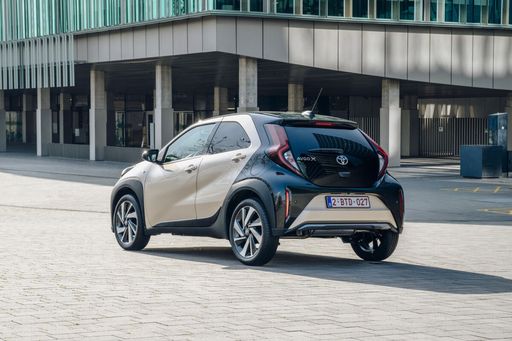
Kia Picanto and Toyota Aygo go head-to-head in this city car comparison, a tidy duel between two small hatchbacks built for traffic lights and tight parking spots. This is a direct look at Kia Picanto VS Toyota Aygo, aimed at anyone shopping for a compact runabout that won’t get bullied by the urban grind. The comparison highlights how each car presents itself on the street, from the steering feel to the cabin ambience, so you can tell whether you’re buying a pragmatic tool or a styling statement. Read on to see which of these small cars suits your daily loop, long commutes and personal priorities better.
Picanto

Two characters on the street

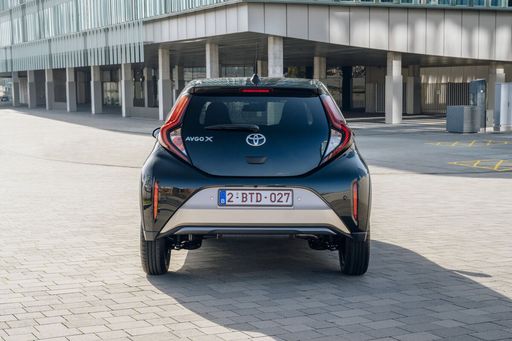
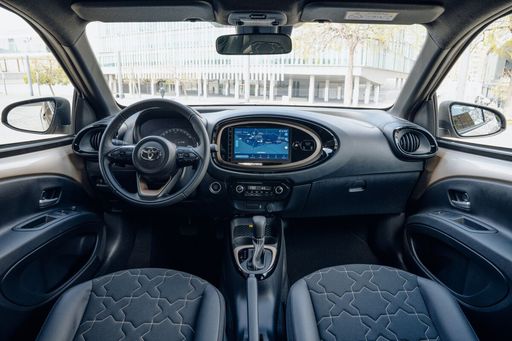
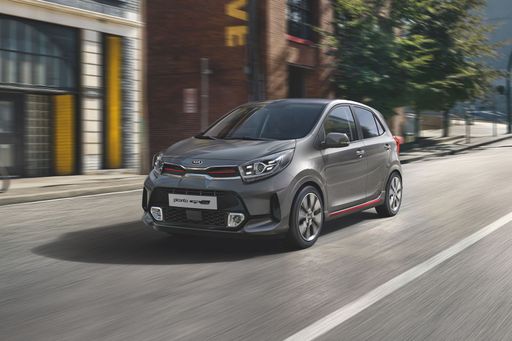
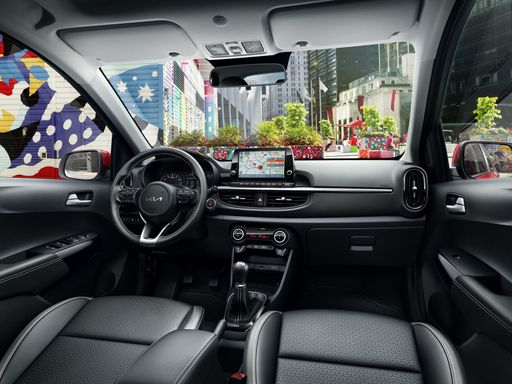
The Kia Picanto arrives with earbuds-out confidence: restrained styling, sensible finishes and a “do-the-job” personality that reads as friendly rather than flashy, while the Toyota Aygo plays up personality with sharper lines and a more extroverted presence that wants to be noticed. One feels like a polite neighbour who’s handy with groceries, the other like a city sprite that enjoys attention at the lights — both are compact but they send different signals. Materials and switchgear reinforce that contrast: the Kia leans toward usability and predictable ergonomics, while the Toyota pushes a more modern, slightly cheekier design language. If curb appeal matters as much as practicality, those first impressions will steer your test drive.

Aygo

Daily life: traffic, trunks and toddler seats

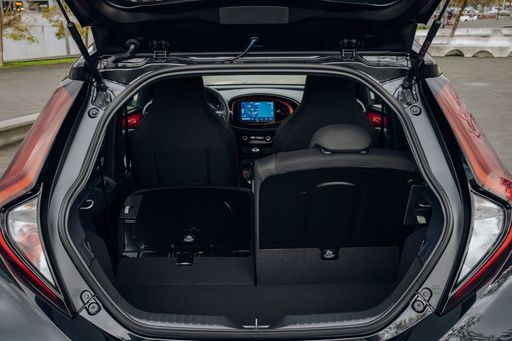
In everyday use the Kia Picanto tends to prioritise comfort and straightforward ergonomics, making it easy to slide kids into boosters and load awkward shopping runs without fuss, whereas the Toyota Aygo feels tighter but nimbler, better suited to darting through city lanes and squeezing into parking gaps. Cabin space and perceived comfort shape how you live with these cars: the Picanto gives a calmer, roomier vibe for short highways and school runs, while the Aygo rewards short trips and busy urban routines with brisker responses. Both manage city traffic with ease, but your regular route — more motorway or more market square — will expose which compromises you’ll live with happily. Consider how often you carry passengers, bulk and car seats before choosing which rhythm fits your life.

Picanto

Buying for image, not just mileage

Pick the Toyota Aygo if you want your compact to say something about you: clever styling, a touch of cheek and a youthful, visible personality that’s more about expression than understatement. Go for the Kia Picanto if you want a sensible, less attention-seeking little car that prizes usability and a softer ride over theatrical looks. Your choice becomes an extension of how you want to be seen — a bold city sprite in the Aygo, or the practical smart thinker in the Picanto — and each car gives you a believable image to drive. Neither choice is purely rational or purely emotional; they simply read differently on the street and at the kerbside café.

Aygo

Who the Kia Picanto really suits

The Kia Picanto is for buyers who value sensible spending and everyday comfort above headline-grabbing details, the kind of shopper who wants a dependable city companion that also handles longer runs without fuss. It appeals to buyers who put a premium on straightforward packaging, easy cabin access and a gentle, confidence-inspiring ride for kids and cargo. If you’re the type who prioritises long-term practicality and budget-smarts over flash, the Picanto will feel thoughtfully tuned to your needs. It’s the car that quietly earns its keep rather than demanding applause.

Picanto

Who the Toyota Aygo will charm (and where Picanto keeps the edge)

The Toyota Aygo suits drivers who want a compact that’s a little livelier, image-conscious and ready to stand out in town — great for younger buyers or anyone who enjoys a car that feels playful and immediate in traffic. It’s a sharper, more extroverted city tool for short hops, nightlife runs and shopping trips where agility and style count as much as practicality. That said, the Kia Picanto still has the upper hand when relaxed comfort, passenger space and everyday ease take priority, so think about whether you want a car that sparks joy every corner or one that quietly delivers day after day. Keep reading the details below to see how those real-world trade-offs play out on paper.

Here’s where it gets real: The technical differences in detail

Aygo

Costs and Efficiency:

Looking at overall running costs, both models reveal some interesting differences in everyday economy.

Kia Picanto is noticeably cheaper – starting at 15,100 £ , while the Toyota Aygo costs 18,800 £ . That’s a price difference of around 3,771 £.

Fuel consumption also shows a difference: the Toyota Aygo uses 3.7 L/100km and is substantially more efficient than the Kia Picanto with 5.5 L/100km. The difference is about 1.8 L/100km.

Picanto

Engine and Performance:

Under the bonnet, it becomes clear which model is tuned for sportiness and which one takes the lead when you hit the accelerator.

When it comes to engine power, the Toyota Aygo offers clearly more power – delivering 116 HP compared to 68 HP. That’s roughly 48 HP more horsepower.

When accelerating from 0 to 100 km/h, the Toyota Aygo is substantially quicker – completing the sprint in 9.2 s, while the Kia Picanto takes 14.6 s. That’s about 5.4 s quicker.

There’s also a difference in torque: the Toyota Aygo delivers a bit more torque with 120 Nm compared to 96 Nm. That’s about 24 Nm more.

Aygo

Space and Everyday Use:

Cabin size, boot volume and payload all play a role in everyday practicality. Here, comfort and flexibility make the difference.

Seats: Kia Picanto offers more seats – 5 vs 4.

In terms of curb weight, Toyota Aygo is very slightly lighter – 1,090 kg compared to 1,124 kg. The difference is around 34 kg.

Looking at boot space, the Kia Picanto offers very slightly more boot space – 255 L compared to 231 L. That’s a difference of about 24 L.

When it comes to payload, the Toyota Aygo carries clearly more – 420 kg compared to 332 kg. That’s a difference of about 88 kg.

Who wins the race in the data check?

The Toyota Aygo stands well ahead of its rival in the objective data comparison.
This result only shows which model scores more points on paper – not which of the two cars feels right for you.

from £18,800
Aygo

Toyota Aygo

  • Engine Type Full Hybrid
  • Transmission Automatic
  • Drive Type Front-Wheel Drive
  • Power HP 116 HP
  • Consumption L/100km 3.7 L/100km
Toyota Aygo
Kia Picanto

Costs and Consumption

View detailed analysis

Engine and Performance

View detailed analysis

Dimensions and Body

View detailed analysis

Toyota Aygo

The Aygo is a cheeky city car that turns congested streets into a playground, with bold styling and sprightly manners that make parking a pleasure rather than a pain. Economical to run and surprisingly well equipped for its size, the Aygo is a smart choice for urban buyers who want personality without a premium price and a car that brings a smile to the daily commute.

details

Kia Picanto

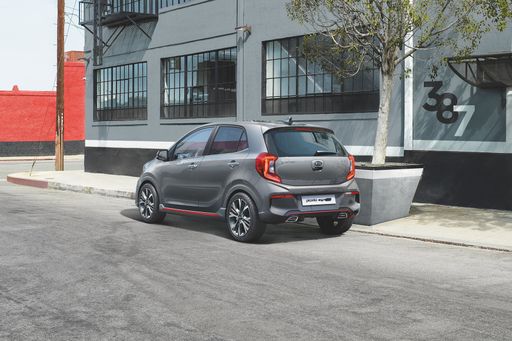
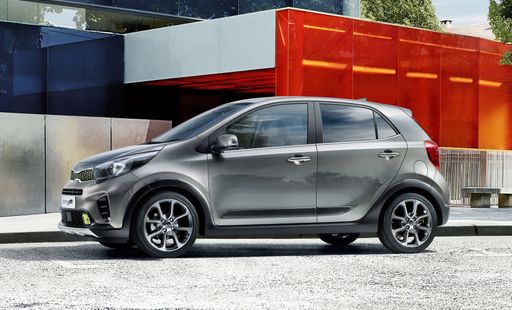
Kia Picanto is a cheeky city hatch that squeezes surprising style, practicality and a smile-inducing drive into a pocket-friendly package. It’s ideal for urban buyers who want fuss-free running, effortless parking and a car that punches above its class without pretending to be anything it’s not.

details
Toyota Aygo
Kia Picanto

Costs and Consumption

Price
18,800 - 24,300 £
Price
15,100 - 19,500 £
Consumption L/100km
3.7 L/100km
Consumption L/100km
5.5 - 5.9 L/100km
Consumption kWh/100km
-
Consumption kWh/100km
-
Electric Range
-
Electric Range
-
Battery Capacity
-
Battery Capacity
-
co2
85 g/km
co2
126 - 134 g/km
Fuel tank capacity
-
Fuel tank capacity
-

Dimensions and Body

Body Type
SUV
Body Type
Hatchback
Seats
4
Seats
4 - 5
Doors
-
Doors
-
Curb weight
1,090 kg
Curb weight
1,124 - 1,131 kg
Trunk capacity
231 L
Trunk capacity
255 L
Length
-
Length
-
Width
1,740 mm
Width
1,595 mm
Height
-
Height
-
Max trunk capacity
-
Max trunk capacity
-
Payload
420 kg
Payload
253 - 332 kg

Engine and Performance

Engine Type
Full Hybrid
Engine Type
Petrol
Transmission
Automatic
Transmission
Manuel, Automatic
Transmission Detail
CVT
Transmission Detail
Manual Gearbox, Automated Manual
Drive Type
Front-Wheel Drive
Drive Type
Front-Wheel Drive
Power HP
116 HP
Power HP
68 HP
Acceleration 0-100km/h
9.2 s
Acceleration 0-100km/h
14.6 - 17.2 s
Max Speed
-
Max Speed
-
Torque
120 Nm
Torque
96 Nm
Number of Cylinders
3
Number of Cylinders
3
Power kW
85 kW
Power kW
50 kW
Engine capacity
1,490 cm3
Engine capacity
998 cm3

General

Model Year
2025
Model Year
2025
CO2 Efficiency Class
B
CO2 Efficiency Class
D
Brand
Toyota
Brand
Kia
DriveDuel uses data analysis and artificial intelligence to evaluate vehicle data and create content. Content is regularly reviewed and improved. The displayed prices are estimates based on German list prices, adjusted to the respective country’s VAT. Country-specific registration taxes are not included. This information is not legally binding.