VS

Toyota bZ4X vs Kia EV3 comparison

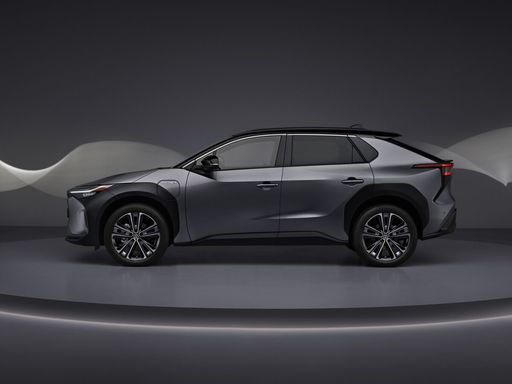
Compare performance (380 HP vs 265 HP), boot space and price (36,800 £ vs 40,200 £ ) at a glance. Find out which car is the better choice for you – Toyota bZ4X or Kia EV3?

Toyota bZ4X vs Kia EV3: Key differences

Toyota bZ4X

4.5 (11 Reviews)
rate
  • only slightly cheaper
  • markedly more power
  • a bit more efficient
  • barely more electric range
  • clearly quicker 0–100 km/h
  • marginally lighter
  • markedly more trunk space
details

Kia EV3

4.3 (7 Reviews)
rate
details

All details on performance, efficiency, range and trunk space can be found in the technical comparison below – including user reviews for both models.

By Achim Sedelmaier

bZ4X

Direct comparison: Kia EV3 VS Toyota bZ4X

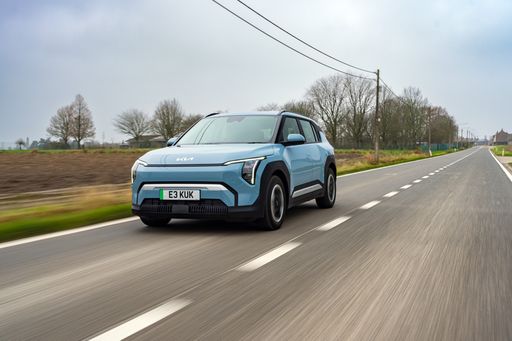
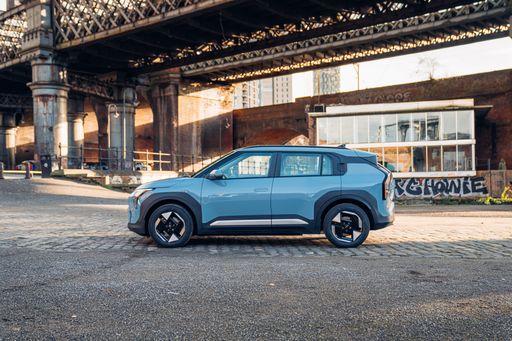
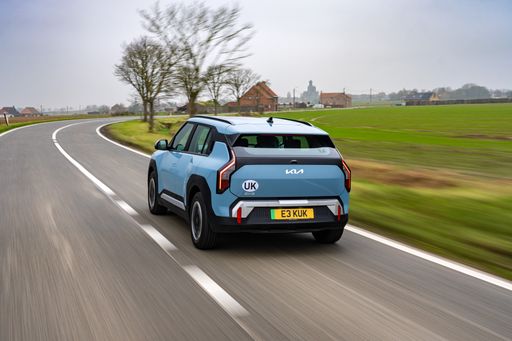
Kia EV3 VS Toyota bZ4X sets two practical electric SUVs against each other with very different priorities: the EV3 leans pragmatic and utility‑focused, while the bZ4X emphasises serenity and rear‑seat space. The EV3 sells itself on usable range, a big boot and everyday features that make family life and commuting straightforward. The bZ4X aims to reassure with an unusually quiet cabin, generous legroom for rear passengers and a calmer driving manner. Choosing between them is less about headline spec battles and more about whether you value cargo pragmatism and city agility (Kia EV3) or cabin quietness and rear comfort (Toyota bZ4X).
EV3

Cabin feel and perceived quality

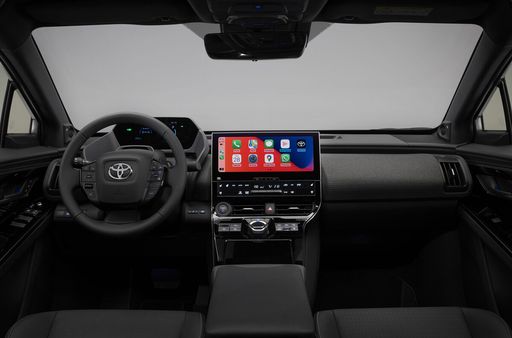
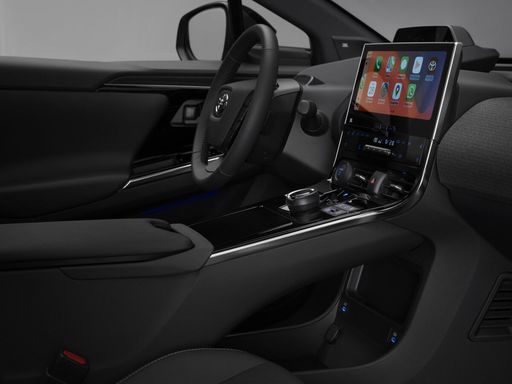
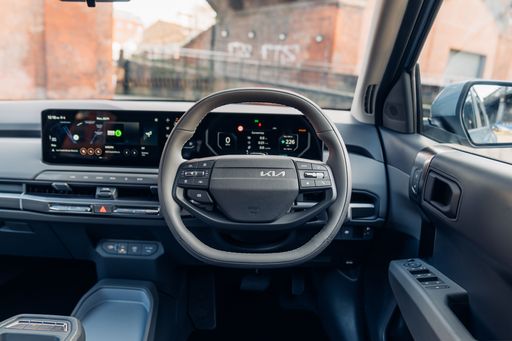
The Kia EV3 feels contemporary and well thought‑out, but it shows its price in places with harder plastics and trim variance across versions, whereas the Toyota bZ4X presents a more restrained, slightly more refined ambience that favours quietness over flash. Kia packs useful features and clear rekuperation controls into the cockpit, which makes daily driving feel purposeful; Toyota counters with simpler, tactile climate controls and a calmer layout that feels composed on long trips. In everyday use the EV3’s tech-forward vibe can feel more lively, but the bZ4X’s quieter materials and better acoustic insulation make the space feel more grown‑up. Both cabins are practical, yet each will please different sensibilities: those who want gadgetry and adjustability will prefer the EV3, while buyers seeking a low‑stress, understated interior will tilt toward the bZ4X.

bZ4X

Comfort and long‑distance behaviour

On long runs the Kia EV3 is comfortable and composed, designed for relaxed cruising with seats that favour support, but it can let tyre and road noise intrude at higher speeds. The Toyota bZ4X shines for motorway serenity—its extra acoustic tuning and softer ride make long stints easier on the nerves and ears, though rear passengers may find the seat cushions a touch short for full-day comfort. The EV3’s suspension tends to prioritise a planted feel that suits mixed roads, while the bZ4X leans more toward isolation and effortless cruising. If most of your miles are highway miles with passengers, the bZ4X will feel more refined; if you ferry luggage and want an all‑round, slightly firmer long‑distance companion, the EV3 answers that need.

EV3

Practicality and family usability

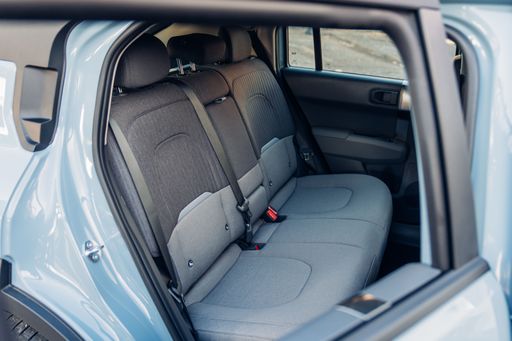
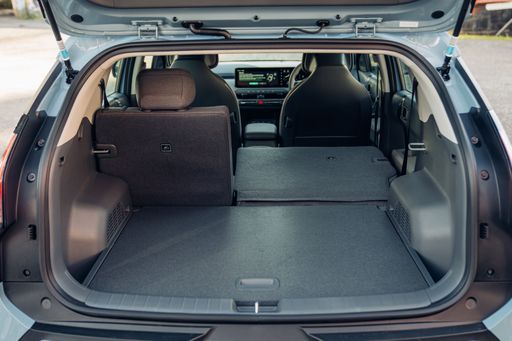
The Kia EV3 is the more utilitarian of the two: wider doors, a larger and more flexible boot layout plus a small front storage area give it an edge for family life and weekend trips. The Toyota bZ4X trades some cargo practicality for a roomier rear passenger area—legroom is generous and the flat centre tunnel helps three-abreast seating in a pinch. EV3 makes child seat mounting and luggage juggling easier in daily use, while bZ4X owners will appreciate the comfort rear occupants get on longer drives. For buyers who prioritise load space and easy stroller/boot access the EV3 is more family‑friendly, but for those who ferry tall passengers or value rear comfort above cargo volume the bZ4X is better matched.

bZ4X

City friendliness and everyday usability

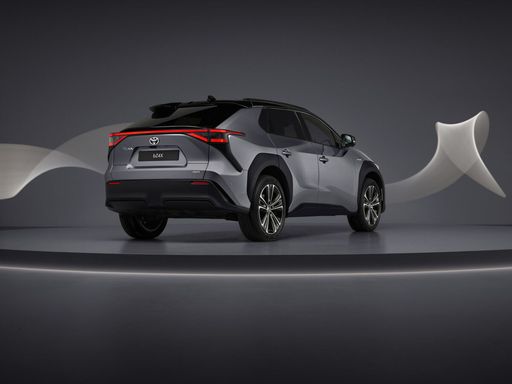
In town the Kia EV3 feels livelier and more manoeuvrable thanks to its compact handling and very usable one‑pedal rekuperation, making parking and start‑stop traffic less stressful. The Toyota bZ4X is fine for urban life too and brings clearer physical controls and an improved infotainment experience, plus the option of faster AC charging for topping up at work or on street chargers. Visibility and rear sightlines are an issue where the two differ: the EV3 gives an upright view that helps in tight spaces, while the bZ4X’s rear design and lack of a rear wiper can complicate visibility in wet city conditions. Charging behaviour and route planning vary in real use, so consider whether you need short, frequent AC top‑ups (bZ4X) or maximised real‑world range and efficient one‑pedal driving (EV3).

EV3

Who should choose which car?

Pick the Kia EV3 if your days mix city manoeuvres with occasional long trips, you value cargo flexibility and one‑pedal driving, and you want a straightforward, efficient electric SUV that feels practical and cost‑sensible. Choose the Toyota bZ4X if your priority is a quiet, composed motorway experience, expansive rear legroom for passengers, simple physical controls and the reassurance of Toyota’s durability and charging convenience at AC stations. Both cars suit families and commuters, but the trade is clear: EV3 favors usable luggage space and urban agility, bZ4X favours cabin calm and rear passenger comfort. Read on to see the technical side-by-side—charging behaviour, real‑world range and performance figures will clarify which trade‑offs match your routine.

Here’s where it gets real: The technical differences in detail

bZ4X

Costs and Efficiency:

When it comes to price and running costs, the biggest differences usually appear. This is often where you see which car fits your budget better in the long run.

Toyota bZ4X is only slightly cheaper – starting at 36,800 £ , while the Kia EV3 costs 40,200 £ . That’s a price difference of around 3,334 £.

In terms of energy consumption, the Toyota bZ4X is a bit more efficient: consuming 13.5 kWh/100km compared to 15.8 kWh/100km for the Kia EV3. That’s a difference of about 2.3 kWh/100km.

As for electric range, the Toyota bZ4X offers barely more range – reaching up to 591 km, about 19 km more than the Kia EV3.

EV3

Engine and Performance:

Power, torque and acceleration say a lot about how a car feels on the road. This is where you see which model delivers more driving dynamics.

When it comes to engine power, the Toyota bZ4X offers markedly more power – delivering 380 HP compared to 265 HP. That’s roughly 115 HP more horsepower.

When accelerating from 0 to 100 km/h, the Toyota bZ4X is clearly quicker – completing the sprint in 4.4 s, while the Kia EV3 takes 6.6 s. That’s about 2.2 s quicker.

There’s also a difference in torque: the Kia EV3 delivers a bit more torque with 385 Nm compared to 338 Nm. That’s about 47 Nm more.

bZ4X

Space and Everyday Use:

Cabin size, boot volume and payload all play a role in everyday practicality. Here, comfort and flexibility make the difference.

Both vehicles offer seating for 5 people.

In terms of curb weight, Toyota bZ4X is marginally lighter – 1,900 kg compared to 1,995 kg. The difference is around 95 kg.

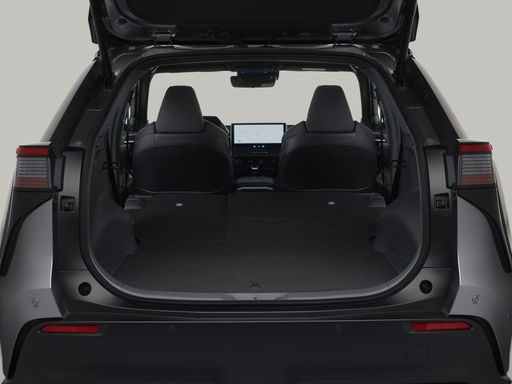
Looking at boot space, the Toyota bZ4X offers markedly more boot space – 669 L compared to 413 L. That’s a difference of about 256 L.

When it comes to payload, the Toyota bZ4X carries a bit more – 565 kg compared to 485 kg. That’s a difference of about 80 kg.

Who wins the race in the data check?

The Toyota bZ4X is decisively ahead in the objective data comparison.
This result only shows which model scores more points on paper – not which of the two cars feels right for you.

from £36,800
bZ4X

Toyota bZ4X

  • Engine Type Electric
  • Transmission Automatic
  • Drive Type Front-Wheel Drive, All-Wheel Drive
  • Power HP 167 - 380 HP
  • Consumption kWh/100km 13.5 - 16.6 kWh/100km
  • Electric Range 444 - 591 km
Toyota bZ4X
Kia EV3

Costs and Consumption

View detailed analysis

Engine and Performance

View detailed analysis

Dimensions and Body

View detailed analysis

Toyota bZ4X

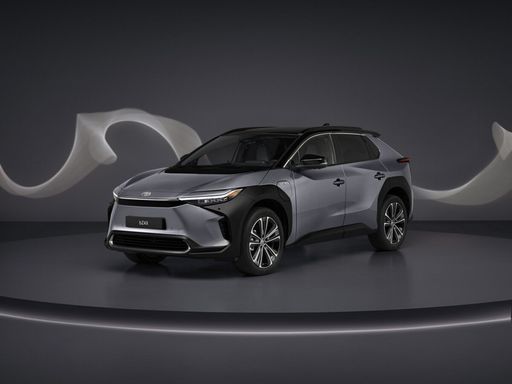
The Toyota bZ4X is an electric crossover that focuses on a calm ride, practical interior and predictable handling for everyday driving. It suits buyers who want an easygoing, reliable EV with Toyota's familiar build quality and a clean, simple design.

details

Kia EV3

The Kia EV3 is a stylish, user-friendly electric crossover that focuses on practicality and a roomy, well-equipped cabin. It delivers a comfortable ride with intuitive technology and efficient everyday performance, making it a sensible choice for city and family use.

details
Toyota bZ4X
Kia EV3

Costs and Consumption

Price
36,800 - 51,000 £
Price
40,200 - 43,900 £
Consumption L/100km
-
Consumption L/100km
-
Consumption kWh/100km
13.5 - 16.6 kWh/100km
Consumption kWh/100km
15.8 kWh/100km
Electric Range
444 - 591 km
Electric Range
572 km
Battery Capacity
-
Battery Capacity
-
co2
0 g/km
co2
0 g/km
Fuel tank capacity
-
Fuel tank capacity
-

Dimensions and Body

Body Type
SUV
Body Type
SUV
Seats
5
Seats
5
Doors
-
Doors
-
Curb weight
1,900 - 2,180 kg
Curb weight
1,995 kg
Trunk capacity
452 - 669 L
Trunk capacity
413 L
Length
-
Length
-
Width
1,860 mm
Width
1,850 mm
Height
-
Height
-
Max trunk capacity
-
Max trunk capacity
-
Payload
375 - 565 kg
Payload
485 kg

Engine and Performance

Engine Type
Electric
Engine Type
Electric
Transmission
Automatic
Transmission
Automatic
Transmission Detail
Reduction Gearbox
Transmission Detail
Reduction Gearbox
Drive Type
Front-Wheel Drive, All-Wheel Drive
Drive Type
All-Wheel Drive
Power HP
167 - 380 HP
Power HP
265 HP
Acceleration 0-100km/h
4.4 - 8.6 s
Acceleration 0-100km/h
6.6 s
Max Speed
-
Max Speed
-
Torque
268 - 338 Nm
Torque
385 Nm
Number of Cylinders
-
Number of Cylinders
-
Power kW
123 - 280 kW
Power kW
195 kW
Engine capacity
-
Engine capacity
-

General

Model Year
2,025 - 2,026
Model Year
2026
CO2 Efficiency Class
A
CO2 Efficiency Class
A
Brand
Toyota
Brand
Kia
DriveDuel uses data analysis and artificial intelligence to evaluate vehicle data and create content. Content is regularly reviewed and improved. The displayed prices are estimates based on German list prices, adjusted to the respective country’s VAT. Country-specific registration taxes are not included. This information is not legally binding.