
 Deutschland
 France
 Nederland
 Great Britain
 Sverige
 Danmark
 Suomi
Suomi Italia
 Polska
 España
VS
Toyota C-HR vs Hongqi EH7 comparison
Compare performance (223 HP vs 343 HP), boot space and price (29,100 £ vs 49,700 £ ) at a glance. Find out which car is the better choice for you – Toyota C-HR or Hongqi EH7?
Toyota C-HR vs Hongqi EH7: Key differences
C-HR
Costs and Efficiency:
Price and efficiency are key factors when choosing a car – and this is often where the real differences emerge.
Toyota C-HR is clearly cheaper – starting at 29,100 £ , while the Hongqi EH7 costs 49,700 £ . That’s a price difference of around 20,576 £.
As for electric range, the Hongqi EH7 offers clearly more range – reaching up to 655 km, about 589 km more than the Toyota C-HR.
EH7
Engine and Performance:
Under the bonnet, it becomes clear which model is tuned for sportiness and which one takes the lead when you hit the accelerator.
When it comes to engine power, the Hongqi EH7 offers clearly more power – delivering 343 HP compared to 223 HP. That’s roughly 120 HP more horsepower.
When accelerating from 0 to 100 km/h, the Hongqi EH7 is noticeably quicker – completing the sprint in 5.8 s, while the Toyota C-HR takes 7.4 s. That’s about 1.6 s quicker.
C-HR
Space and Everyday Use:
Cabin size, boot volume and payload all play a role in everyday practicality. Here, comfort and flexibility make the difference.
Both vehicles offer seating for 5 people.
Looking at boot space, the Toyota C-HR offers clearly more boot space – 447 L compared to 0 L. That’s a difference of about 447 L.
Who wins the race in the data check?
The Hongqi EH7 is clearly superior overall in the objective data comparison.
This result only shows which model scores more points on paper – not which of the two cars feels right for you.
£49,710
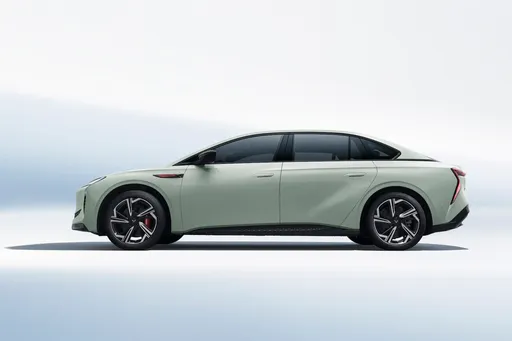
Hongqi EH7
Toyota C-HR
Hongqi EH7
Costs and Consumption
View detailed analysis
View detailed analysis
Engine and Performance
View detailed analysis
View detailed analysis
Dimensions and Body
View detailed analysis
View detailed analysis
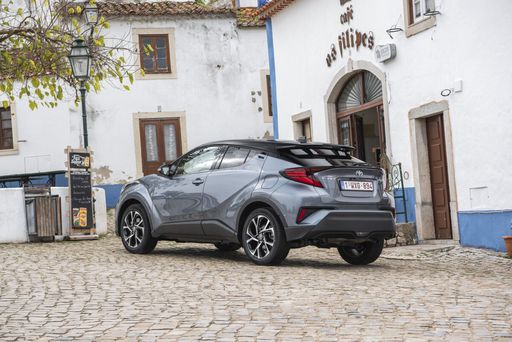
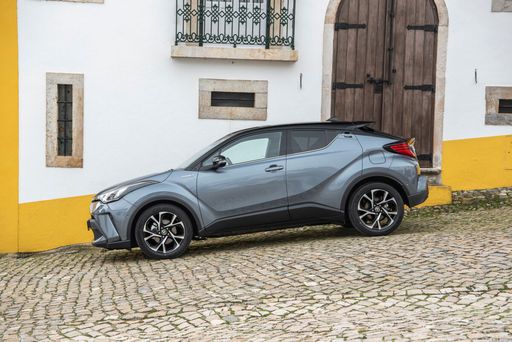
Toyota C-HR
The Toyota C-HR wraps efficient hybrid drivetrains in dramatic, European‑tuned styling and a noticeably upmarket cabin, delivering composed ride quality and easy city manners that suit style‑minded commuters and company drivers. Accept a tighter, dim rear seat, a fiddly high‑lip boot and occasional CVT grumble plus persistent warning chimes, and you get a very economical, confident little crossover that prizes individuality over outright practicality.
details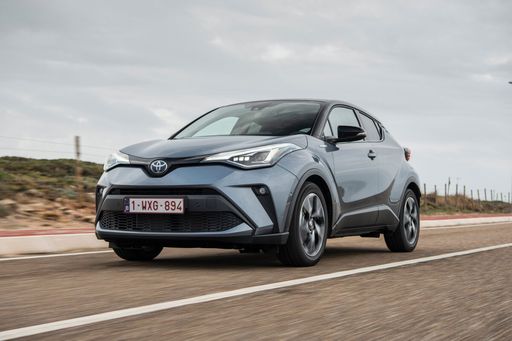
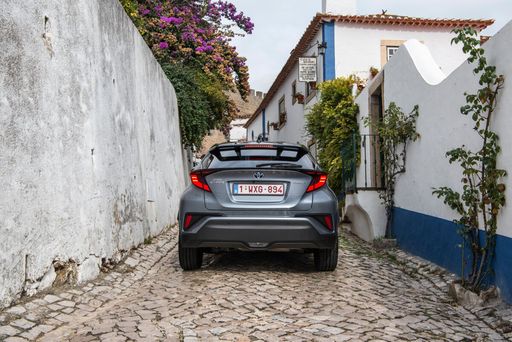
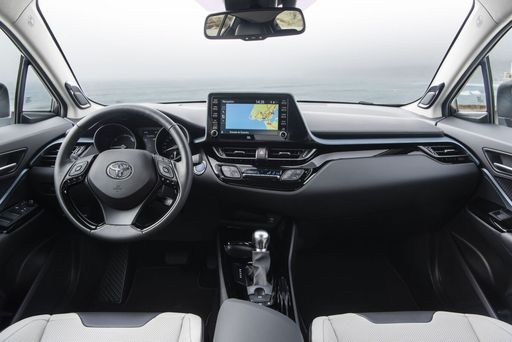
Hongqi EH7
The EH7 stands out in the automotive landscape with its striking design and innovative features, captivating enthusiasts and casual drivers alike. With a focus on comfort and performance, this model delivers a smooth and engaging driving experience that makes every journey memorable. Its blend of style and practicality positions the EH7 as a formidable contender in its category, appealing to those who seek both aesthetics and functionality in their vehicles.
details
Toyota C-HR
Hongqi EH7
Costs and Consumption |
|
|---|---|
|
Price
29,100 - 42,800 £
|
Price
49,700 £
|
|
Consumption L/100km
2.3 - 5.1 L/100km
|
Consumption L/100km
-
|
|
Consumption kWh/100km
-
|
Consumption kWh/100km
16.7 kWh/100km
|
|
Electric Range
66 km
|
Electric Range
655 km
|
|
Battery Capacity
-
|
Battery Capacity
-
|
|
co2
52 - 116 g/km
|
co2
0 g/km
|
|
Fuel tank capacity
-
|
Fuel tank capacity
-
|
Dimensions and Body |
|
|---|---|
|
Body Type
SUV
|
Body Type
Sedan
|
|
Seats
5
|
Seats
5
|
|
Doors
-
|
Doors
-
|
|
Curb weight
1,505 - 1,755 kg
|
Curb weight
-
|
|
Trunk capacity
350 - 447 L
|
Trunk capacity
0 L
|
|
Length
-
|
Length
-
|
|
Width
1,832 mm
|
Width
1,915 mm
|
|
Height
-
|
Height
-
|
|
Max trunk capacity
-
|
Max trunk capacity
-
|
|
Payload
375 - 425 kg
|
Payload
-
|
Engine and Performance |
|
|---|---|
|
Engine Type
Full Hybrid, Plugin Hybrid
|
Engine Type
Electric
|
|
Transmission
Automatic
|
Transmission
Automatic
|
|
Transmission Detail
CVT
|
Transmission Detail
Reduction Gearbox
|
|
Drive Type
Front-Wheel Drive, All-Wheel Drive
|
Drive Type
Rear-Wheel Drive
|
|
Power HP
140 - 223 HP
|
Power HP
343 HP
|
|
Acceleration 0-100km/h
7.4 - 9.9 s
|
Acceleration 0-100km/h
5.8 s
|
|
Max Speed
-
|
Max Speed
-
|
|
Torque
-
|
Torque
450 Nm
|
|
Number of Cylinders
4
|
Number of Cylinders
-
|
|
Power kW
103 - 164 kW
|
Power kW
253 kW
|
|
Engine capacity
1,798 - 1,987 cm3
|
Engine capacity
-
|
General |
|
|---|---|
|
Model Year
2026
|
Model Year
2024
|
|
CO2 Efficiency Class
C, D, B
|
CO2 Efficiency Class
A
|
|
Brand
Toyota
|
Brand
Hongqi
|
DriveDuel uses data analysis and artificial intelligence to evaluate vehicle data and create content. Content is regularly reviewed and improved.
The displayed prices are estimates based on German list prices, adjusted to the respective country’s VAT. Country-specific registration taxes are not included. This information is not legally binding.