VS

Toyota C-HR vs Lexus LBX comparison

Compare performance (223 HP vs 136 HP), boot space and price (29,100 £ vs 28,300 £ ) at a glance. Find out which car is the better choice for you – Toyota C-HR or Lexus LBX?

Toyota C-HR vs Lexus LBX: Key differences

Toyota C-HR

4.8 (7 Reviews)
rate
  • visibly more power
  • significantly more efficient
  • clearly quicker 0–100 km/h
  • markedly more trunk space
details

Lexus LBX

5 (2 Reviews)
rate
  • marginally cheaper
  • slightly lighter
details

All details on performance, efficiency, range and trunk space can be found in the technical comparison below – including user reviews for both models.

By Achim Sedelmaier

C-HR

Lexus LBX VS Toyota C-HR: quick take for buyers

Lexus LBX VS Toyota C-HR are two compact crossovers that aim at city-focused buyers but with very different priorities. The Lexus LBX brings a quiet, premium feel and tactile controls that make short trips feel calmer and small compromises feel forgiven. The Toyota C-HR pushes efficiency and striking design, offering sharper steering and the option of a plug‑in variant for serious commuter savings. Choosing between them is a matter of whether you value boutique refinement or urban economy and distinctive styling.
LBX

Character and driving personality

The Lexus LBX drives like a small Lexus—calm, composed and biased toward comfort rather than fireworks, with lots of electric‑assist behavior around town. The Toyota C‑HR feels more purposeful behind the wheel: quicker to respond in many situations and engineered around efficiency, but it reveals a louder drivetrain when you ask for full acceleration. Lexus LBX rewards relaxed, routine driving with a soft ambience; Toyota C‑HR rewards an economical, involved approach and gives more tangible benefits if you use its electric range. The trade‑off is clear: take the LBX if you want hushed refinement, take the C‑HR if you prioritise economy and a slightly livelier drive.

C-HR

Comfort and long‑distance behaviour

On longer runs the Lexus LBX tends to feel more grown‑up—road and wind noise are tamed and the cabin leans toward limousine‑style composure at cruising speeds. The Toyota C‑HR is stable and comfortable too, but more likely to sound the hybrid drivetrain when pushed hard, and its firmer tendencies on larger wheels make rough roads more apparent. Rear‑seat comfort is a weak spot for both, though the LBX’s focus on materials can make the shortfall feel less bothersome than the C‑HR’s darker, tighter rear cabin. In short trips the LBX is soothing; on long trips the C‑HR is competent but a touch more utilitarian in feel.

LBX

City friendliness, usability and practicality

Both cars are compact enough for dense streets, but they solve city life differently: the Lexus LBX leans on excellent visibility, thoughtful park aids and a quieter, easy‑going start‑stop behaviour that suits stop‑and‑go traffic. The Toyota C‑HR brings class‑leading fuel economy and, if you choose the plug‑in route, genuine electric commuting range that can eliminate many daily fill‑ups. Practical compromises show in both: the LBX’s rear doors and tight back seat limit family flexibility, while the C‑HR’s boot is nervier to load and its rear feels more claustrophobic. For shoppers who need a daily city shuttle and occasional cargo, the C‑HR maximises running costs; the LBX maximises city comfort and perceived refinement.

C-HR

Cabin feel and perceived quality

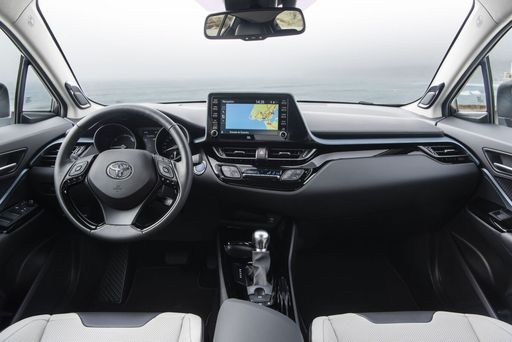
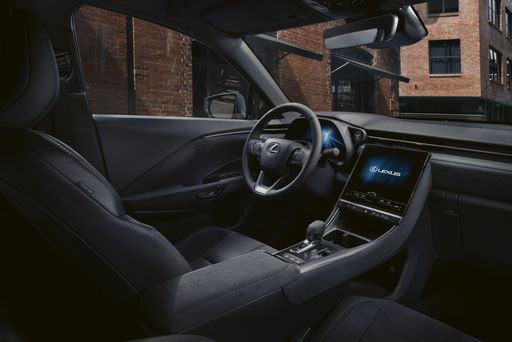
The Lexus LBX deliberately trades on Lexus cues—soft surfaces, well‑executed trim and physical climate and volume controls that age well and feel premium. The Toyota C‑HR has stepped up with a modern, sharper cockpit and a big, fast screen that feels contemporary and well made for its price, but it doesn’t quite match Lexus for tactile richness. Infotainment and menus are more immediate in the C‑HR, whereas the LBX’s simpler main controls can feel more reassuring in everyday use. If cabin polish and premium cues matter, the LBX pulls ahead; if a tech‑forward, value‑leaning interior fits your taste, the C‑HR is attractive.

LBX

Which buyer suits each car?

Think of the Lexus LBX as the pick for buyers who want small‑car convenience wrapped in premium calm—city commuters and downsizers who prize quiet cabins and upscale finishes over maximum rear‑seat room. The Toyota C‑HR suits design‑minded commuters and fleet users who prioritise low running costs, modern cabin tech and the option for real electric commuting with the plug‑in choice. Both make sense in urban life, but they cater to different compromises: choose the LBX for refinement and feel, choose the C‑HR for efficiency and pragmatic economy. Below you’ll find the technical comparison to map those sensations onto concrete specs and real‑world trade‑offs.

Here’s where it gets real: The technical differences in detail

C-HR

Costs and Efficiency:

Price and efficiency are often the first things buyers look at. Here it becomes clear which model has the long-term edge – whether at the pump, the plug, or in purchase price.

Lexus LBX is marginally cheaper – starting at 28,300 £ , while the Toyota C-HR costs 29,100 £ . That’s a price difference of around 857 £.

Fuel consumption also shows a difference: the Toyota C-HR uses 2.3 L/100km and is significantly more efficient than the Lexus LBX with 4.5 L/100km. The difference is about 2.2 L/100km.

LBX

Engine and Performance:

Under the bonnet, it becomes clear which model is tuned for sportiness and which one takes the lead when you hit the accelerator.

When it comes to engine power, the Toyota C-HR offers visibly more power – delivering 223 HP compared to 136 HP. That’s roughly 87 HP more horsepower.

When accelerating from 0 to 100 km/h, the Toyota C-HR is clearly quicker – completing the sprint in 7.4 s, while the Lexus LBX takes 9.2 s. That’s about 1.8 s quicker.

C-HR

Space and Everyday Use:

Beyond pure performance, interior space and usability matter most in daily life. This is where you see which car is more practical and versatile.

Both vehicles offer seating for 5 people.

In terms of curb weight, Lexus LBX is slightly lighter – 1,280 kg compared to 1,505 kg. The difference is around 225 kg.

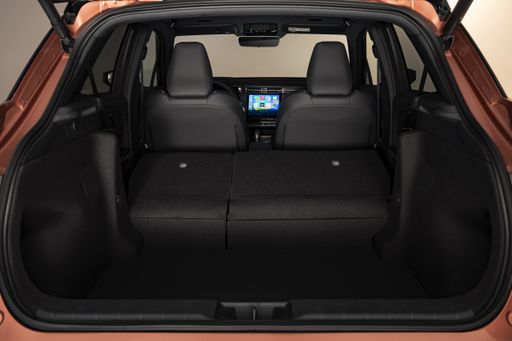
Looking at boot space, the Toyota C-HR offers markedly more boot space – 447 L compared to 332 L. That’s a difference of about 115 L.

When it comes to payload, the Lexus LBX carries somewhat more – 475 kg compared to 425 kg. That’s a difference of about 50 kg.

Who wins the race in the data check?

The Toyota C-HR is clearly superior overall in the objective data comparison.
This result only shows which model scores more points on paper – not which of the two cars feels right for you.

from £29,100
C-HR

Toyota C-HR

  • Engine Type Full Hybrid, Plugin Hybrid
  • Transmission Automatic
  • Drive Type Front-Wheel Drive, All-Wheel Drive
  • Power HP 140 - 223 HP
  • Consumption L/100km 2.3 - 5.1 L/100km
  • Electric Range 66 km
Toyota C-HR
Lexus LBX

Costs and Consumption

View detailed analysis

Engine and Performance

View detailed analysis

Dimensions and Body

View detailed analysis

Toyota C-HR

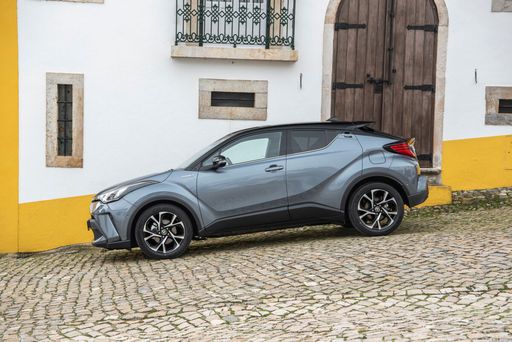
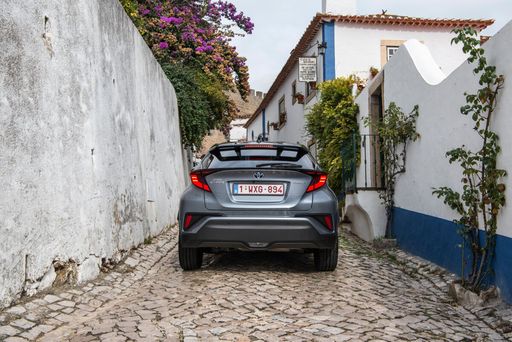
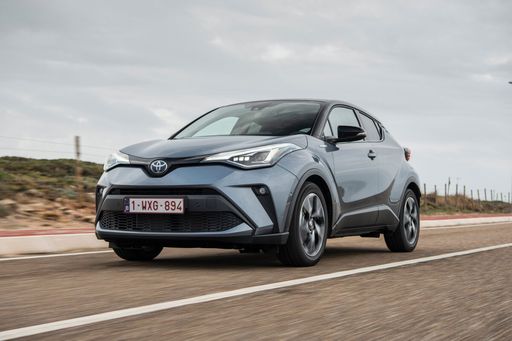
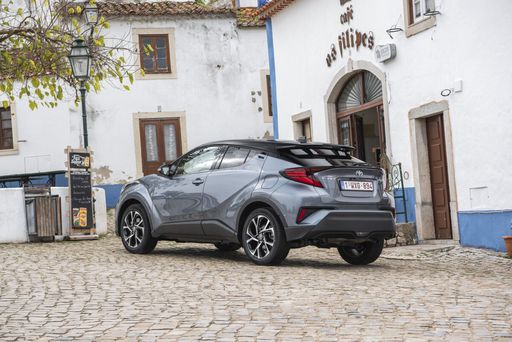
The Toyota C-HR is a bold, coupe-styled crossover that grabs attention with angular lines and a modern interior design. It’s aimed at comfortable urban driving and sensible efficiency, offering practical features and distinctive looks rather than rugged off-road ability.

details

Lexus LBX

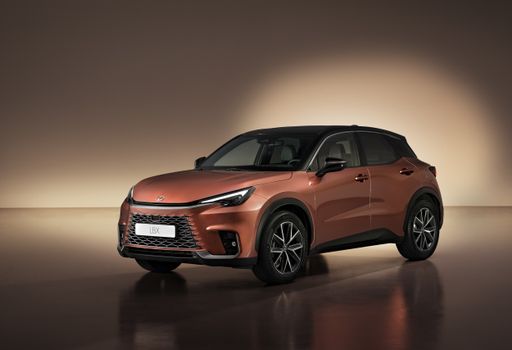
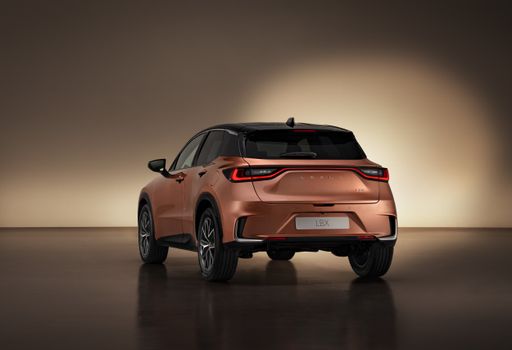
The Lexus LBX is a compact premium crossover that brings Lexus styling and craftsmanship to city driving, pairing a cozy interior with thoughtful tech and upscale materials. It focuses on a quiet, refined ride and fuel-efficient everyday usability while carrying the brand’s familiar emphasis on comfort and safety.

details
Toyota C-HR
Lexus LBX

Costs and Consumption

Price
29,100 - 42,800 £
Price
28,300 - 40,000 £
Consumption L/100km
2.3 - 5.1 L/100km
Consumption L/100km
4.5 - 4.8 L/100km
Consumption kWh/100km
-
Consumption kWh/100km
-
Electric Range
66 km
Electric Range
-
Battery Capacity
-
Battery Capacity
-
co2
52 - 116 g/km
co2
102 - 110 g/km
Fuel tank capacity
-
Fuel tank capacity
-

Dimensions and Body

Body Type
SUV
Body Type
SUV
Seats
5
Seats
5
Doors
-
Doors
-
Curb weight
1,505 - 1,755 kg
Curb weight
1,280 - 1,365 kg
Trunk capacity
350 - 447 L
Trunk capacity
255 - 332 L
Length
-
Length
-
Width
1,832 mm
Width
1,825 mm
Height
-
Height
-
Max trunk capacity
-
Max trunk capacity
-
Payload
375 - 425 kg
Payload
455 - 475 kg

Engine and Performance

Engine Type
Full Hybrid, Plugin Hybrid
Engine Type
Full Hybrid
Transmission
Automatic
Transmission
Automatic
Transmission Detail
CVT
Transmission Detail
CVT
Drive Type
Front-Wheel Drive, All-Wheel Drive
Drive Type
Front-Wheel Drive, All-Wheel Drive
Power HP
140 - 223 HP
Power HP
136 HP
Acceleration 0-100km/h
7.4 - 9.9 s
Acceleration 0-100km/h
9.2 - 9.6 s
Max Speed
-
Max Speed
-
Torque
-
Torque
185 Nm
Number of Cylinders
4
Number of Cylinders
3
Power kW
103 - 164 kW
Power kW
100 kW
Engine capacity
1,798 - 1,987 cm3
Engine capacity
1,490 cm3

General

Model Year
2026
Model Year
2025
CO2 Efficiency Class
C, D, B
CO2 Efficiency Class
C
Brand
Toyota
Brand
Lexus
DriveDuel uses data analysis and artificial intelligence to evaluate vehicle data and create content. Content is regularly reviewed and improved. The displayed prices are estimates based on German list prices, adjusted to the respective country’s VAT. Country-specific registration taxes are not included. This information is not legally binding.