VS

Toyota RAV4 vs Skoda Kodiaq comparison

Compare performance (306 HP vs 265 HP), boot space and price (35,100 £ vs 37,900 £ ) at a glance. Find out which car is the better choice for you – Toyota RAV4 or Skoda Kodiaq?

Toyota RAV4 vs Skoda Kodiaq: Key differences

Toyota RAV4

4.8 (6 Reviews)
rate
  • marginally cheaper
  • a bit more power
  • significantly more efficient
  • very slightly quicker 0–100 km/h

Skoda Kodiaq

5 (4 Reviews)
rate
  • markedly more electric range
  • barely lighter
  • visibly more trunk space

All details on performance, efficiency, range and trunk space can be found in the technical comparison below – including user reviews for both models.

RAV4

Street Presence and First Glance

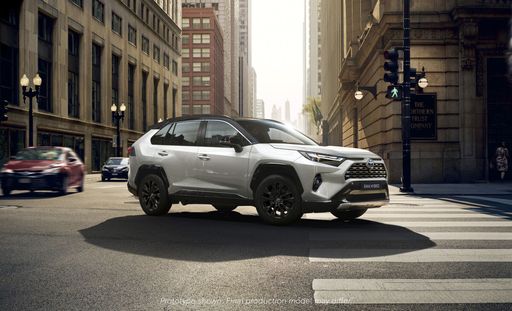
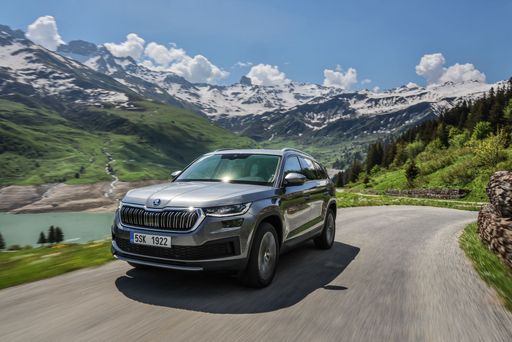
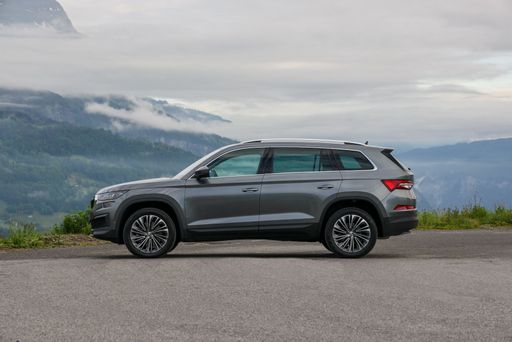
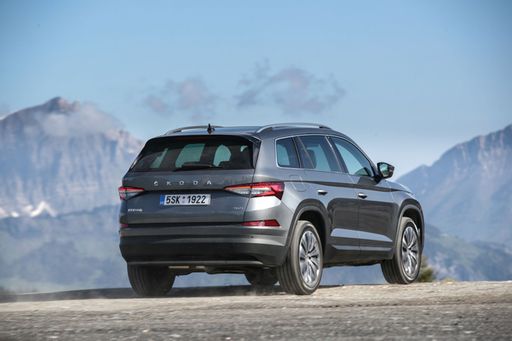
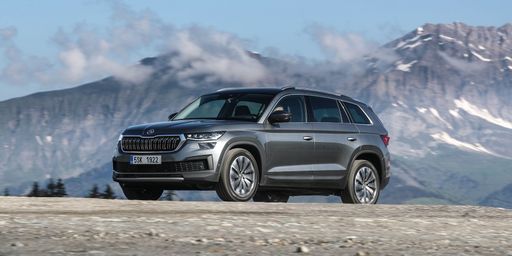
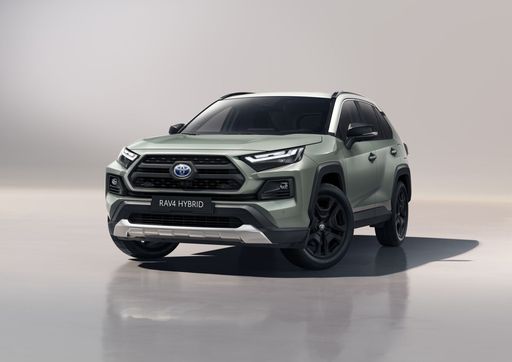
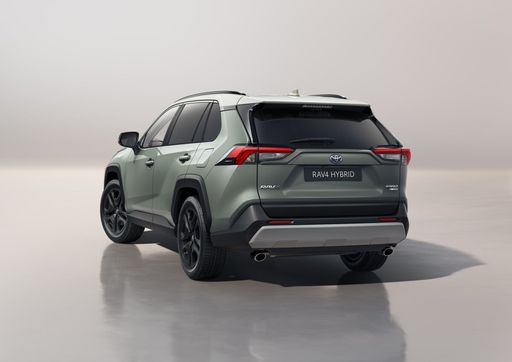
The Skoda Kodiaq greets you with measured confidence, more of a quietly assured family SUV than a show pony, while the Toyota RAV4 prefers a bolder, almost adventure-ready stance that promises weekend escapes. Both designs have personality — one refined and elegant, the other chunky and characterful — so your choice will say as much about you as the badge does. Either way, they stand out in different ways in a crowded car park and both attract appreciative glances for opposite reasons.
Kodiaq

How They Behave on the Road

On the move the Kodiaq feels composed and orchestral, smoothing out the city’s clamor and rewarding steady inputs with calm progress, while the RAV4 brings a more perky, engaged demeanour that makes cornering and quick direction changes feel easier to trust. Neither is a sports car, but one leans into comfort and balance, the other into responsiveness and a hint of rough-road bravado. That contrast shapes daily driving: relaxed refinement versus a more spirited, can-do attitude.

RAV4

Living with It Every Day

Practicality is where character turns into convenience — the Kodiaq shows its family-first thinking with intuitive storage, sensible controls and an interior layout that forgives busy mornings, whereas the RAV4 opts for rugged usability and easy access that suits active lifestyles and outdoor gear. Both cater to real life, but they answer different questions: do you prioritise cabin logic and load space or do you want fuss-free durability and quick entry/exit? Think about how you load your life in and out each day and one of these will fit more naturally into your routine.

Kodiaq

Comfort When the Miles Add Up

For long runs the Kodiaq rewards with a settled, low-effort ride and seats that keep you comfortable over hours, while the RAV4 delivers a firmer, more tactile experience that can feel reassuring on mixed surfaces but less yielding on relentless tarmac. Sound insulation and ride composure tilt the character again toward calm versus characterful, and your neck and shoulders will tell you which approach suits your daily commute or weekend trips. Choose based on whether you value plush serenity or an energetic, road-aware setup.

RAV4

Controls, Tech and Everyday Friendliness

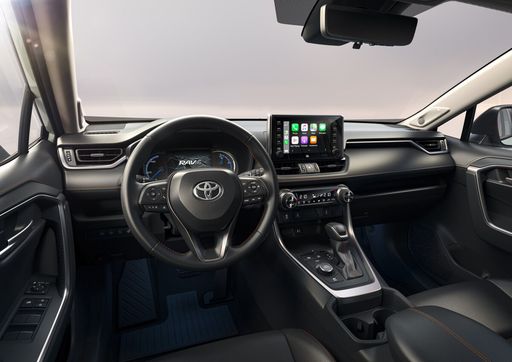
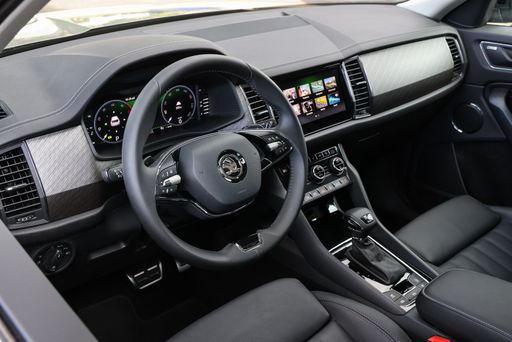
The interior ergonomics reflect each brand’s mindset: the Kodiaq uses sensible switchgear and a straightforward infotainment setup that’s easy to live with, while the RAV4 boxes itself as practical with robust controls and a layout geared toward hands-on use and resilience. Both have modern connectivity, but one feels more domestic and polished while the other feels engineered for outdoor practicality. For buyers who prize low friction in daily operation, that small difference becomes surprisingly important.

Kodiaq

Which Buyer Fits Which Car

If your life revolves around ferrying family, luggage and a reasonable amount of calm, the Kodiaq reads like the sensible choice that smooths the edges of everyday chaos; if you value rugged looks, straightforward utility and an eager personality for weekend adventures, the RAV4 will fit that bill better. Commuters, family haulers, style-conscious buyers and those who cover long distances will all find a convincing case in one car or the other depending on their priorities. The decision comes down to whether you want to be soothed or stirred on the daily drive.

RAV4

Stay Tuned for the DriveDuel Reveal

We’ve laid out the personalities, comforts and real-world fit of both contenders — stick with us and you’ll soon see which model earns the DriveDuel title after we weigh everything together in the final verdict. Keep reading to find out which SUV claims the crown in our head-to-head showdown.

Here’s where it gets real: The technical differences in detail

RAV4

Costs and Efficiency:

When it comes to price and running costs, the biggest differences usually appear. This is often where you see which car fits your budget better in the long run.

Toyota RAV4 is marginally cheaper – starting at 35,100 £ , while the Skoda Kodiaq costs 37,900 £ . That’s a price difference of around 2,743 £.

Fuel consumption also shows a difference: the Toyota RAV4 uses 1 L/100km and is significantly more efficient than the Skoda Kodiaq with 1.5 L/100km. The difference is about 0.5 L/100km.

As for electric range, the Skoda Kodiaq offers markedly more range – reaching up to 122 km, about 47 km more than the Toyota RAV4.

Kodiaq

Engine and Performance:

Power, torque and acceleration are the classic benchmarks for car enthusiasts – and here, some clear differences start to show.

When it comes to engine power, the Toyota RAV4 offers a bit more power – delivering 306 HP compared to 265 HP. That’s roughly 41 HP more horsepower.

When accelerating from 0 to 100 km/h, the Toyota RAV4 is very slightly quicker – completing the sprint in 6 s, while the Skoda Kodiaq takes 6.3 s. That’s about 0.3 s quicker.

Looking at top speed, the Skoda Kodiaq is visibly faster – reaching 226 km/h, while the Toyota RAV4 tops out at 180 km/h. The difference is around 46 km/h.

RAV4

Space and Everyday Use:

Beyond pure performance, interior space and usability matter most in daily life. This is where you see which car is more practical and versatile.

Both vehicles offer seating for 5 people.

In terms of curb weight, Skoda Kodiaq is barely lighter – 1,684 kg compared to 1,745 kg. The difference is around 61 kg.

Looking at boot space, the Skoda Kodiaq offers visibly more boot space – 910 L compared to 580 L. That’s a difference of about 330 L.

For maximum load capacity, the Skoda Kodiaq offers moderately more capacity – up to 2,105 L, about 415 L more than the Toyota RAV4.

When it comes to payload, the Toyota RAV4 carries marginally more – 600 kg compared to 563 kg. That’s a difference of about 37 kg.

Who wins the race in the data check?

The Toyota RAV4 leads convincingly in the objective data comparison.
This result only shows which model scores more points on paper – not which of the two cars feels right for you.

from £35,100
RAV4

Toyota RAV4

  • Engine Type : Full Hybrid, Plugin Hybrid
  • Transmission : Automatic
  • Drive Type : Front-Wheel Drive, All-Wheel Drive
  • Power HP : 218 - 306 HP
  • Consumption L/100km : 1 - 5.6 L/100km
  • Electric Range : 75 km
Toyota RAV4
Skoda Kodiaq

Costs and Consumption

View detailed analysis

Engine and Performance

View detailed analysis

Dimensions and Body

View detailed analysis

Toyota RAV4

The Toyota RAV4 feels like a sensible friend on the road, marrying dependable practicality with a dash of SUV personality that keeps daily driving from turning dull. Comfortable and easy to live with, it looks tough without shouting and quietly gets the job done — a sensible pick for buyers who want versatility without drama.

details

Skoda Kodiaq

The Skoda Kodiaq blends sensible practicality with surprising style, so families and weekend adventurers get roomy comfort without looking like a moving van. It feels calm and composed on the road, packs clever storage and user-friendly tech, and manages to deliver a near-premium vibe without the pretension.

details
Toyota RAV4
Skoda Kodiaq

Costs and Consumption

Price
35,100 - 55,700 £
Price
37,900 - 50,600 £
Consumption L/100km
1 - 5.6 L/100km
Consumption L/100km
1.5 - 8.2 L/100km
Consumption kWh/100km
-
Consumption kWh/100km
-
Electric Range
75 km
Electric Range
119 - 122 km
Battery Capacity
-
Battery Capacity
-
co2
22 - 128 g/km
co2
35 - 186 g/km
Fuel tank capacity
55 L
Fuel tank capacity
58 L

Dimensions and Body

Body Type
SUV
Body Type
SUV
Seats
5
Seats
5
Doors
5
Doors
5
Curb weight
1,745 - 1,910 kg
Curb weight
1,684 - 1,970 kg
Trunk capacity
520 - 580 L
Trunk capacity
745 - 910 L
Length
4,600 mm
Length
4,758 mm
Width
1,855 mm
Width
1,864 mm
Height
1,685 mm
Height
1,679 - 1,683 mm
Max trunk capacity
1,604 - 1,690 L
Max trunk capacity
2,105 L
Payload
390 - 600 kg
Payload
460 - 563 kg

Engine and Performance

Engine Type
Full Hybrid, Plugin Hybrid
Engine Type
Petrol, Petrol MHEV, Diesel, Plugin Hybrid
Transmission
Automatic
Transmission
Automatic
Transmission Detail
CVT
Transmission Detail
Dual-Clutch Automatic
Drive Type
Front-Wheel Drive, All-Wheel Drive
Drive Type
All-Wheel Drive, Front-Wheel Drive
Power HP
218 - 306 HP
Power HP
150 - 265 HP
Acceleration 0-100km/h
6 - 8.4 s
Acceleration 0-100km/h
6.3 - 9.7 s
Max Speed
180 km/h
Max Speed
226 km/h
Torque
-
Torque
250 - 400 Nm
Number of Cylinders
4
Number of Cylinders
4
Power kW
160 - 225 kW
Power kW
110 - 195 kW
Engine capacity
2,487 cm3
Engine capacity
1,498 - 1,984 cm3

General

Model Year
2,024 - 2,025
Model Year
2,024 - 2,025
CO2 Efficiency Class
D, B
CO2 Efficiency Class
F, G, E, B
Brand
Toyota
Brand
Skoda
DriveDuel uses data analysis and artificial intelligence to evaluate vehicle data and create content. Content is regularly reviewed and improved. The displayed prices are estimates based on German list prices, adjusted to the respective country’s VAT. Country-specific registration taxes are not included. This information is not legally binding.