VS

Toyota Yaris Cross vs Citroen C3 Aircross comparison

Compare performance (130 HP vs 145 HP), boot space and price (23,700 £ vs 16,200 £ ) at a glance. Find out which car is the better choice for you – Toyota Yaris Cross or Citroen C3 Aircross?

Toyota Yaris Cross vs Citroen C3 Aircross: Key differences

Toyota Yaris Cross

4.3 (11 Reviews)
rate
  • somewhat more efficient
  • moderately quicker 0–100 km/h
  • moderately lighter

Citroen C3 Aircross

4.4 (1 Reviews)
rate
  • clearly cheaper
  • a bit more power
  • moderately more trunk space

All details on performance, efficiency, range and trunk space can be found in the technical comparison below – including user reviews for both models.

Yaris Cross

Citroen C3 Aircross vs Toyota Yaris Cross: The Versatile SUV Showdown

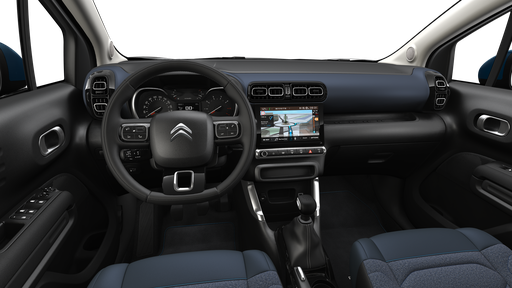
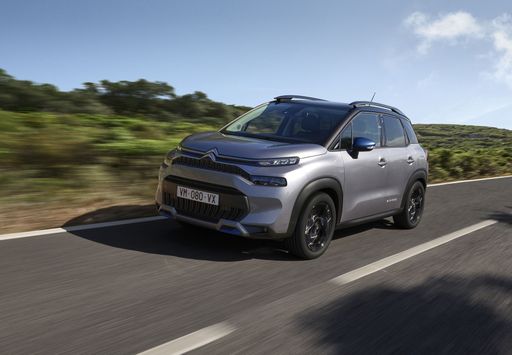
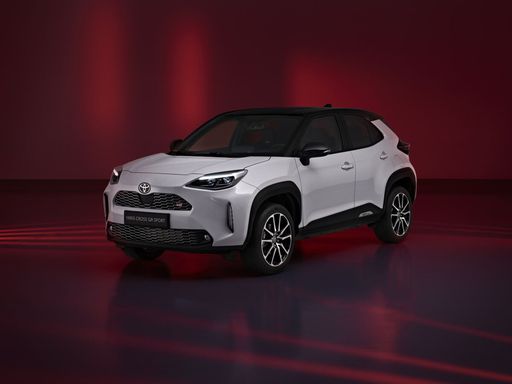
In the ever-competitive SUV segment, the Citroen C3 Aircross and the Toyota Yaris Cross stand out as excellent choices for those looking for compact yet spacious vehicles. Both models offer unique features and technical specifications, making them appealing to different types of drivers. Let’s take a closer look at how these two competitors stack up against each other.
C3 Aircross

Engine Performance and Efficiency

The Citroen C3 Aircross offers a range of engine options, including petrol MHEV (Mild Hybrid Electric Vehicle), traditional petrol, and electric variations. With a maximum power output of up to 136 horsepower, the C3 Aircross also boasts impressive fuel economy figures, showing consumption rates of 5.5 to 6.2 L/100km depending on the engine type. The hybrid variants promise an electric range of up to 303 km, appealing to eco-conscious consumers.

On the other hand, the Toyota Yaris Cross features a robust full hybrid engine that delivers a peak power of 130 horsepower. This model boasts even better fuel efficiency, with consumption levels as low as 4.5 to 4.8 L/100km. Toyota’s renowned hybrid technology ensures lower CO2 emissions, making the Yaris Cross an environmentally friendly choice, with figures around 101 to 108 g/km of CO2.

Yaris Cross

Transmission and Drive Experience

The Citroen C3 Aircross provides versatility in transmission options, offering both automatic and manual gearboxes. The automatic gearbox is equipped with a dual-clutch system, enhancing driving precision and experience. The front-wheel-drive system ensures a comfortable ride, although it’s worth noting that the C3 Aircross has a slightly bulkier curb weight, ranging from 1298 kg to 1504 kg.

In comparison, the Toyota Yaris Cross utilizes a CVT (Continuously Variable Transmission) that is designed for seamless and efficient acceleration. With a lighter curb weight, ranging from 1180 to 1290 kg, the Yaris Cross feels sprightly on the road, with acceleration times of 10.7 to 11.3 seconds for the 0-100 km/h sprint, giving it a slight edge in agility.

C3 Aircross

Compact Dimensions and Interior Space

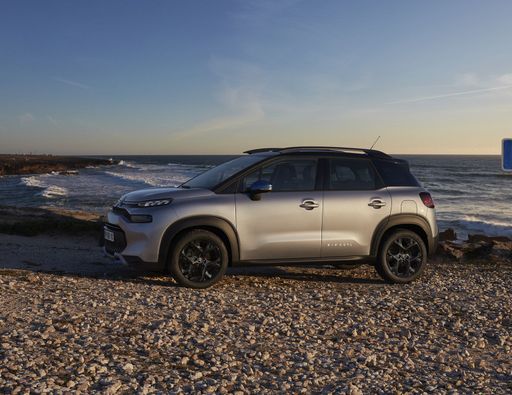
In terms of size, the Citroen C3 Aircross measures 4395 mm in length, 1795 mm in width, and 1660 mm in height, providing a roomy cabin and a generous trunk capacity of 460 liters. This makes it a suitable option for families and those needing additional space.

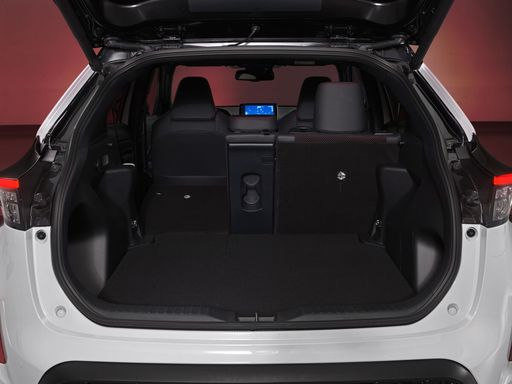
Conversely, the Toyota Yaris Cross is more compact at 4180 mm long, 1765 mm wide, and 1595 mm tall. While its trunk space ranges from 320 to 397 liters, the Yaris Cross compensates for its smaller size with a well-designed interior that optimizes passenger comfort and usability.

Yaris Cross

Innovations and Technology Features

Both SUVs come equipped with modern technology and safety features. The Citroen C3 Aircross boasts a touchscreen infotainment system, multiple connectivity options, and advanced driver-assistance systems, enhancing the driving experience. Innovations such as smartphone integration and an intuitive layout make it a tech-savvy choice.

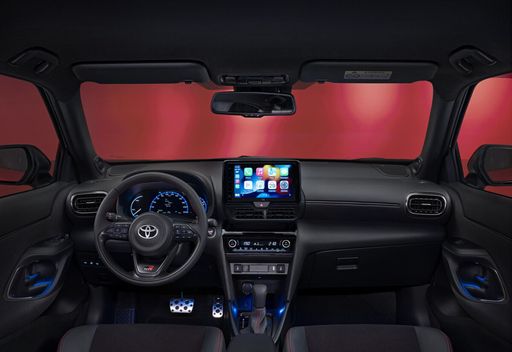
The Yaris Cross, however, stands out with Toyota's leading-edge safety technologies, including Toyota Safety Sense, which offers features like adaptive cruise control, lane-keeping assist, and collision avoidance. Its infotainment system integrates seamlessly with smartphones, providing drivers with an efficient and user-friendly interface.

C3 Aircross

Conclusion: Which SUV is Right for You?

Choosing between the Citroen C3 Aircross and the Toyota Yaris Cross ultimately comes down to your priorities as a driver. If you’re looking for a spacious SUV with versatile engine options and a comfortable ride, the C3 Aircross presents a compelling offering. However, if fuel efficiency, hybrid technology, and advanced safety features are higher on your list, then the Toyota Yaris Cross may just be the perfect match.

Both models provide a balance of performance, efficiency, and innovation, ensuring that whether you lean towards Citroen or Toyota, you are backed by quality automotive engineering.

Here’s where it gets real: The technical differences in detail

Yaris Cross

Costs and Efficiency:

When it comes to price and running costs, the biggest differences usually appear. This is often where you see which car fits your budget better in the long run.

Citroen C3 Aircross is clearly cheaper – starting at 16,200 £ , while the Toyota Yaris Cross costs 23,700 £ . That’s a price difference of around 7,500 £.

Fuel consumption also shows a difference: the Toyota Yaris Cross uses 4.5 L/100km and is somewhat more efficient than the Citroen C3 Aircross with 5.3 L/100km. The difference is about 0.8 L/100km.

C3 Aircross

Engine and Performance:

Power, torque and acceleration say a lot about how a car feels on the road. This is where you see which model delivers more driving dynamics.

When it comes to engine power, the Citroen C3 Aircross offers a bit more power – delivering 145 HP compared to 130 HP. That’s roughly 15 HP more horsepower.

When accelerating from 0 to 100 km/h, the Toyota Yaris Cross is moderately quicker – completing the sprint in 10.7 s, while the Citroen C3 Aircross takes 12.3 s. That’s about 1.6 s quicker.

Yaris Cross

Space and Everyday Use:

Whether family car or daily driver – which one offers more room, flexibility and comfort?

Both vehicles offer seating for 5 people.

In terms of curb weight, Toyota Yaris Cross is moderately lighter – 1,180 kg compared to 1,312 kg. The difference is around 132 kg.

Looking at boot space, the Citroen C3 Aircross offers moderately more boot space – 460 L compared to 397 L. That’s a difference of about 63 L.

When it comes to payload, the Toyota Yaris Cross carries marginally more – 510 kg compared to 462 kg. That’s a difference of about 48 kg.

Who wins the race in the data check?

The Citroen C3 Aircross is clearly superior overall in the objective data comparison.
This result only shows which model scores more points on paper – not which of the two cars feels right for you.

from £16,200
C3 Aircross

Citroen C3 Aircross

  • Engine Type : Electric, Petrol, Petrol MHEV
  • Transmission : Automatic, Manuel
  • Drive Type : Front-Wheel Drive
  • Power HP : 101 - 145 HP
  • Consumption L/100km : 5.3 - 5.9 L/100km
  • Consumption kWh/100km : 16.1 - 18.3 kWh/100km
  • Electric Range : 303 - 400 km
Toyota Yaris Cross
Citroen C3 Aircross

Costs and Consumption

View detailed analysis

Engine and Performance

View detailed analysis

Dimensions and Body

View detailed analysis

Toyota Yaris Cross

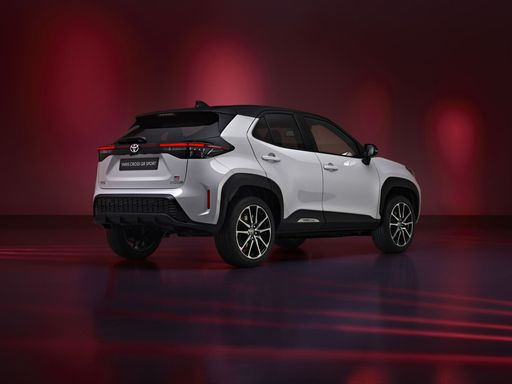
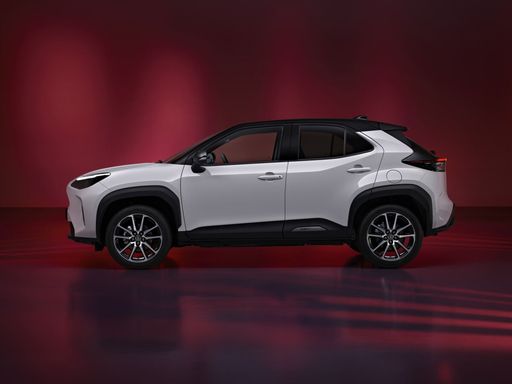
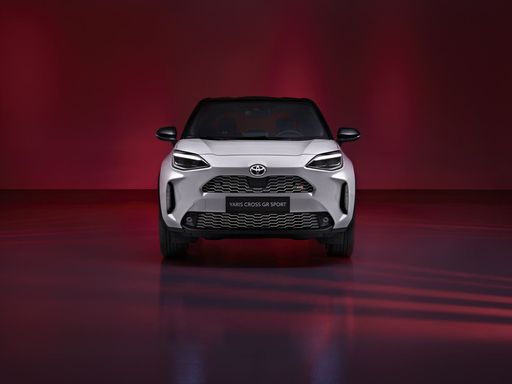
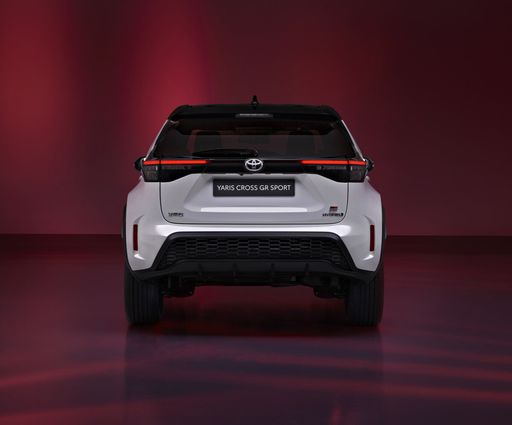
The Toyota Yaris Cross takes the jaunty personality of the Yaris and gives it a taller stance and a bit more practicality, so you get city-friendly agility with added SUV presence. It’s easy to live with, economical on the daily grind, and smartly packaged — a sensible pick for buyers who want fuss-free transport with a touch of character.

details

Citroen C3 Aircross

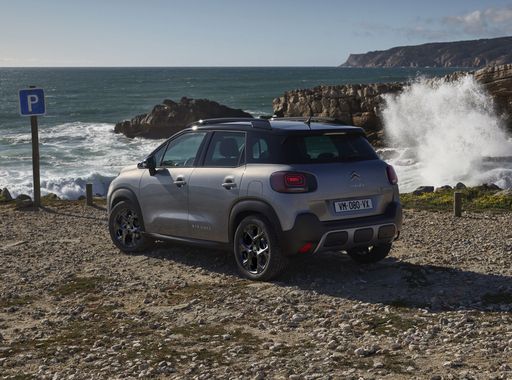
The Citroën C3 Aircross is a cheeky compact SUV that trades bland conformity for playful French character and clever practicality, ideal if you want a car with personality. It soaks up city life with a comfortable ride, inventive cabin tricks and a look that turns heads without asking for attention.

details
Toyota Yaris Cross
Citroen C3 Aircross

Costs and Consumption

Price
23,700 - 34,300 £
Price
16,200 - 28,900 £
Consumption L/100km
4.5 - 4.8 L/100km
Consumption L/100km
5.3 - 5.9 L/100km
Consumption kWh/100km
-
Consumption kWh/100km
16.1 - 18.3 kWh/100km
Electric Range
-
Electric Range
303 - 400 km
Battery Capacity
-
Battery Capacity
-
co2
101 - 108 g/km
co2
0 - 134 g/km
Fuel tank capacity
-
Fuel tank capacity
-

Dimensions and Body

Body Type
SUV
Body Type
SUV
Seats
5
Seats
5
Doors
-
Doors
5
Curb weight
1,180 - 1,290 kg
Curb weight
1,312 - 1,608 kg
Trunk capacity
320 - 397 L
Trunk capacity
460 L
Length
-
Length
4,395 mm
Width
1,765 mm
Width
1,795 mm
Height
-
Height
1,640 mm
Max trunk capacity
-
Max trunk capacity
1,600 L
Payload
485 - 510 kg
Payload
407 - 462 kg

Engine and Performance

Engine Type
Full Hybrid
Engine Type
Electric, Petrol, Petrol MHEV
Transmission
Automatic
Transmission
Automatic, Manuel
Transmission Detail
CVT
Transmission Detail
Reduction Gearbox, Manual Gearbox, Dual-Clutch Automatic
Drive Type
Front-Wheel Drive, All-Wheel Drive
Drive Type
Front-Wheel Drive
Power HP
116 - 130 HP
Power HP
101 - 145 HP
Acceleration 0-100km/h
10.7 - 11.3 s
Acceleration 0-100km/h
12.3 - 13 s
Max Speed
-
Max Speed
143 km/h
Torque
-
Torque
125 - 230 Nm
Number of Cylinders
3
Number of Cylinders
3
Power kW
85 - 96 kW
Power kW
74 - 107 kW
Engine capacity
1,490 cm3
Engine capacity
1,199 cm3

General

Model Year
2,026
Model Year
2,024 - 2,026
CO2 Efficiency Class
C
CO2 Efficiency Class
A, D
Brand
Toyota
Brand
Citroen
DriveDuel uses data analysis and artificial intelligence to evaluate vehicle data and create content. Content is regularly reviewed and improved. The displayed prices are estimates based on German list prices, adjusted to the respective country’s VAT. Country-specific registration taxes are not included. This information is not legally binding.