
 Deutschland
 France
 Nederland
 Great Britain
 Sverige
 Danmark
 Suomi
Suomi Italia
 Polska
 España
VS
Volvo EX30 vs BMW 3 Series Touring comparison
Compare performance (428 HP vs 530 HP), boot space and price (33,000 £ vs 41,100 £ ) at a glance. Find out which car is the better choice for you – Volvo EX30 or BMW 3 Series Touring?
Volvo EX30 vs BMW 3 Series Touring: Key differences
All details on performance, efficiency, range and trunk space can be found in the technical comparison below – including user reviews for both models.
EX30
Costs and Efficiency:
Looking at overall running costs, both models reveal some interesting differences in everyday economy.
Volvo EX30 is noticeably cheaper – starting at 33,000 £ , while the BMW 3 Series Touring costs 41,100 £ . That’s a price difference of around 8,066 £.
As for electric range, the Volvo EX30 offers significantly more range – reaching up to 476 km, about 379 km more than the BMW 3 Series Touring.
3 Series Touring
Engine and Performance:
Power, torque and acceleration say a lot about how a car feels on the road. This is where you see which model delivers more driving dynamics.
When it comes to engine power, the BMW 3 Series Touring offers moderately more power – delivering 530 HP compared to 428 HP. That’s roughly 102 HP more horsepower.
Both models accelerate almost equally fast – 3.6 s from 0 to 100 km/h.
Looking at top speed, the BMW 3 Series Touring is noticeably faster – reaching 250 km/h, while the Volvo EX30 tops out at 180 km/h. The difference is around 70 km/h.
There’s also a difference in torque: the BMW 3 Series Touring delivers markedly more torque with 700 Nm compared to 543 Nm. That’s about 157 Nm more.
EX30
Space and Everyday Use:
Whether family car or daily driver – which one offers more room, flexibility and comfort?
Both vehicles offer seating for 5 people.
In terms of curb weight, BMW 3 Series Touring is slightly lighter – 1,650 kg compared to 1,840 kg. The difference is around 190 kg.
Looking at boot space, the BMW 3 Series Touring offers visibly more boot space – 500 L compared to 318 L. That’s a difference of about 182 L.
For maximum load capacity, the BMW 3 Series Touring offers clearly more capacity – up to 1,510 L, about 510 L more than the Volvo EX30.
When it comes to payload, the BMW 3 Series Touring carries noticeably more – 520 kg compared to 390 kg. That’s a difference of about 130 kg.
Who wins the race in the data check?
The Volvo EX30 holds a decisive overall lead in the objective data comparison.
This result only shows which model scores more points on paper – not which of the two cars feels right for you.
from £33,000
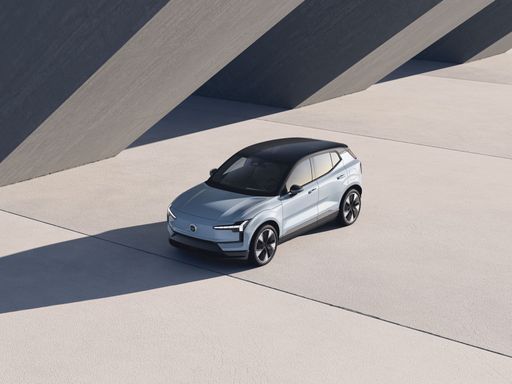
Volvo EX30
Volvo EX30
BMW 3 Series Touring
Costs and Consumption
View detailed analysis
View detailed analysis
Engine and Performance
View detailed analysis
View detailed analysis
Dimensions and Body
View detailed analysis
View detailed analysis
Volvo EX30
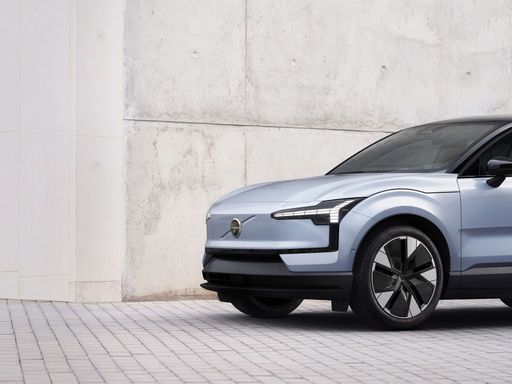
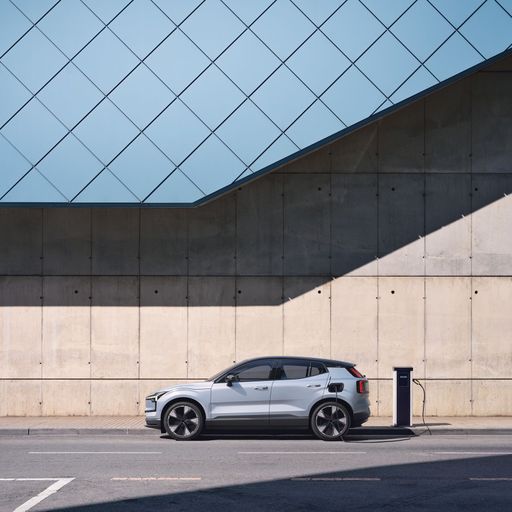
The Volvo EX30 arrives as a compact electric with crisp Scandinavian design and a cheeky personality, proving you can be serious about safety and still enjoy a grin on your commute. Its cabin is cleverly packaged and delightfully easy to live with, offering smart tech and practical touches that make it feel like a grown-up's city car with a sense of fun.
details


BMW 3 Series Touring
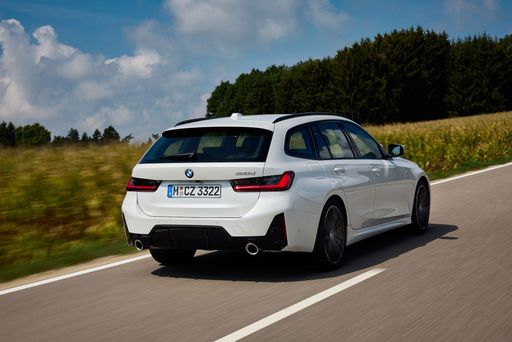
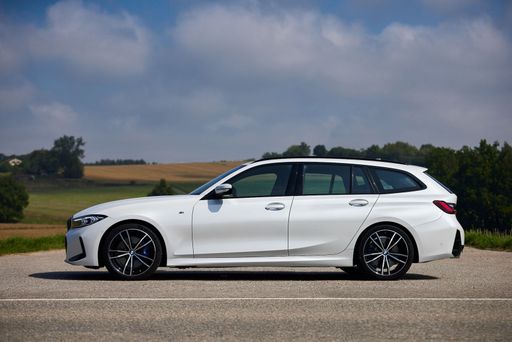
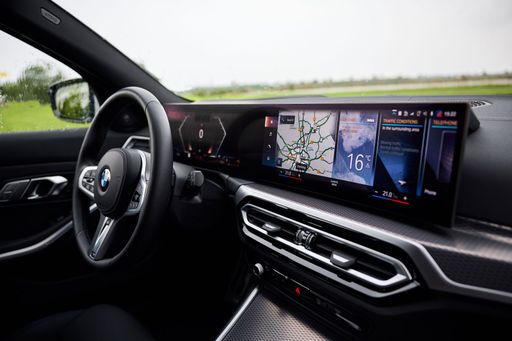
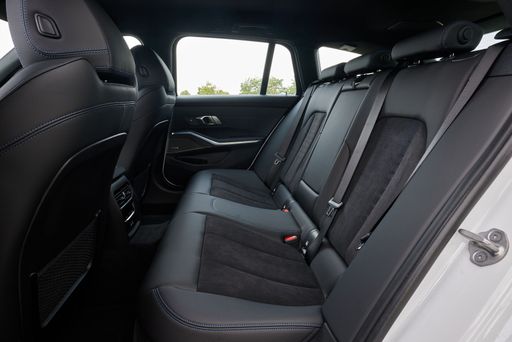
The BMW 3 Series Touring blends sporting poise with everyday practicality, wrapping sharp handling and a premium cabin into a wagon that actually makes errands feel enjoyable. It’s the kind of car that hides a family-hauler’s sense of duty beneath a driver's-car attitude — useful, classy, and just cheeky enough to make you smile on the open road.
details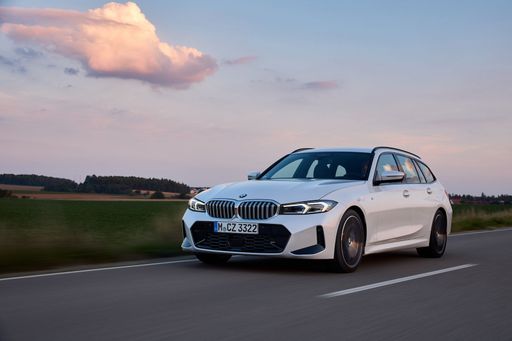
Volvo EX30
BMW 3 Series Touring
Costs and Consumption |
|
|---|---|
|
Price
33,000 - 49,100 £
|
Price
41,100 - 91,900 £
|
|
Consumption L/100km
-
|
Consumption L/100km
2.5 - 10.3 L/100km
|
|
Consumption kWh/100km
17 - 18.3 kWh/100km
|
Consumption kWh/100km
-
|
|
Electric Range
339 - 476 km
|
Electric Range
91 - 97 km
|
|
Battery Capacity
49 - 65 kWh
|
Battery Capacity
19.5 kWh
|
|
co2
0 g/km
|
co2
57 - 233 g/km
|
|
Fuel tank capacity
-
|
Fuel tank capacity
40 - 59 L
|
Dimensions and Body |
|
|---|---|
|
Body Type
SUV
|
Body Type
Estate
|
|
Seats
5
|
Seats
5
|
|
Doors
5
|
Doors
5
|
|
Curb weight
1,840 - 1,960 kg
|
Curb weight
1,650 - 2,025 kg
|
|
Trunk capacity
318 L
|
Trunk capacity
410 - 500 L
|
|
Length
4,233 mm
|
Length
4,713 mm
|
|
Width
1,838 mm
|
Width
1,827 - 1,903 mm
|
|
Height
1,550 mm
|
Height
1,440 - 1,448 mm
|
|
Max trunk capacity
1,000 L
|
Max trunk capacity
1,420 - 1,510 L
|
|
Payload
370 - 390 kg
|
Payload
430 - 520 kg
|
Engine and Performance |
|
|---|---|
|
Engine Type
Electric
|
Engine Type
Diesel MHEV, Petrol, Petrol MHEV, Plugin Hybrid
|
|
Transmission
Automatic
|
Transmission
Automatic
|
|
Transmission Detail
Reduction Gearbox
|
Transmission Detail
Automatic Gearbox
|
|
Drive Type
Rear-Wheel Drive, All-Wheel Drive
|
Drive Type
Rear-Wheel Drive, All-Wheel Drive
|
|
Power HP
272 - 428 HP
|
Power HP
150 - 530 HP
|
|
Acceleration 0-100km/h
3.6 - 5.7 s
|
Acceleration 0-100km/h
3.6 - 8.8 s
|
|
Max Speed
180 km/h
|
Max Speed
213 - 250 km/h
|
|
Torque
343 - 543 Nm
|
Torque
250 - 700 Nm
|
|
Number of Cylinders
-
|
Number of Cylinders
4 - 6
|
|
Power kW
200 - 315 kW
|
Power kW
110 - 390 kW
|
|
Engine capacity
-
|
Engine capacity
1,995 - 2,998 cm3
|
General |
|
|---|---|
|
Model Year
2,024 - 2,025
|
Model Year
2,024 - 2,025
|
|
CO2 Efficiency Class
A
|
CO2 Efficiency Class
D, E, F, G, B
|
|
Brand
Volvo
|
Brand
BMW
|
DriveDuel uses data analysis and artificial intelligence to evaluate vehicle data and create content. Content is regularly reviewed and improved.
The displayed prices are estimates based on German list prices, adjusted to the respective country’s VAT. Country-specific registration taxes are not included. This information is not legally binding.