VS

Volvo EX30 vs BYD Seal comparison

Compare performance (428 HP vs 530 HP), boot space and price (33,000 £ vs 40,300 £ ) at a glance. Find out which car is the better choice for you – Volvo EX30 or BYD Seal?

Volvo EX30 vs BYD Seal: Key differences

Volvo EX30

3.6 (5 Reviews)
rate
  • clearly cheaper
  • barely quicker 0–100 km/h
  • barely lighter

BYD Seal

  • somewhat more power
  • moderately more efficient
  • slightly more electric range
  • clearly more trunk space

All details on performance, efficiency, range and trunk space can be found in the technical comparison below – including user reviews for both models.

EX30

Introduction: A Clash of Electric Titans

The electric vehicle (EV) market continues to evolve rapidly, with manufacturers vying for the attention of eco-conscious consumers. In this comparison, we pit the BYD Seal against the Volvo EX30. While both vehicles offer innovative technology and impressive performance, they cater to different segments and preferences. Let’s delve into the details that set these two electric models apart.
Seal

Design and Dimensions

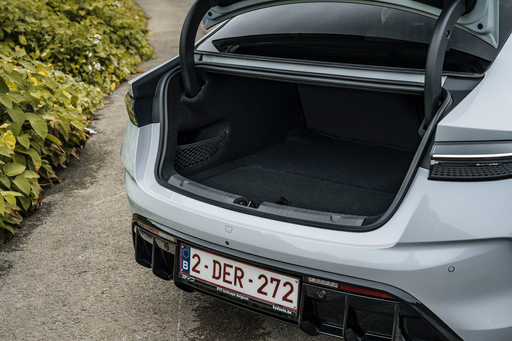
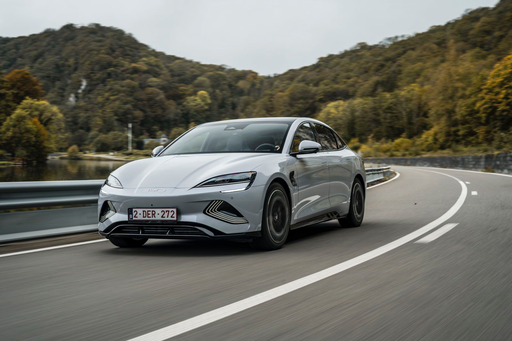
The BYD Seal, a sleek electric sedan, boasts a length of 4800 mm, a width of 1875 mm, and a height of 1460 mm. With a trunk capacity of 400 liters, it offers ample space for luggage and day-to-day utilities.

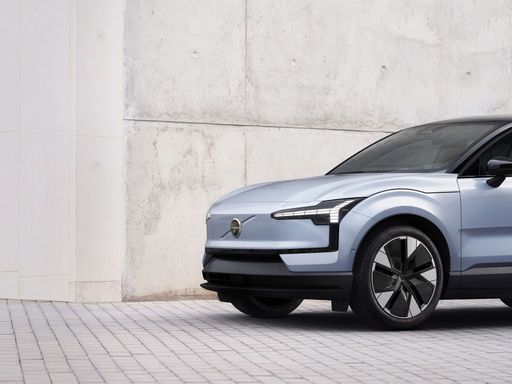
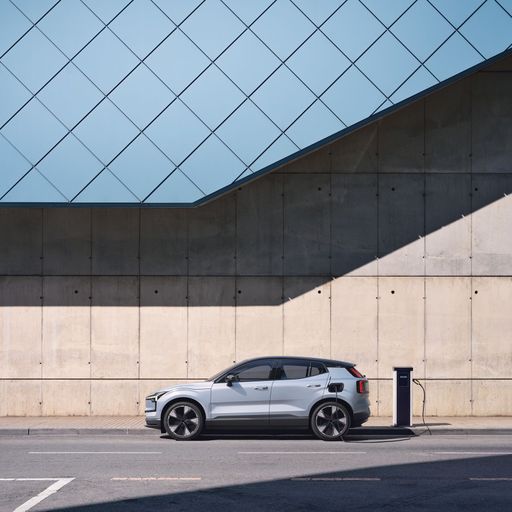
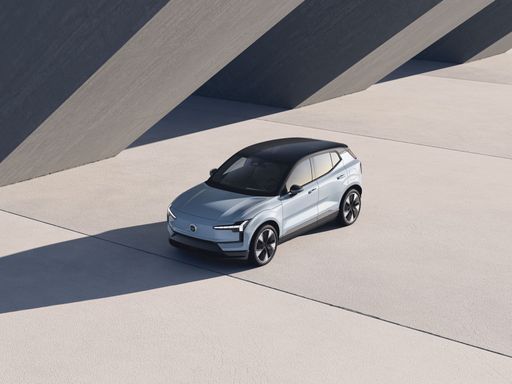
On the other hand, the Volvo EX30, classified as a compact SUV, measures 4233 mm in length, 1837 mm in width, and stands taller at 1549 mm to 1567 mm (depending on the variant). Although its trunk capacity is smaller at 318 liters, the EX30's SUV format provides a higher driving position and a versatile interior suitable for families and adventure-seekers alike.

EX30

Powertrain and Performance

When it comes to powertrains, the BYD Seal offers two configurations: a rear-wheel drive producing 313 HP and an all-wheel drive version generating a whopping 530 HP. The car can go from 0-100 km/h in just 5.9 seconds for the base model and an exhilarating 3.8 seconds for the performance version, showcasing its sporty character.

The Volvo EX30, while slightly less potent, presents impressive performance with its rear-wheel drive option at 272 HP up to an exhilarating 428 HP in its all-wheel drive configuration. Acceleration figures range from 3.6 to 5.7 seconds, appealing to those who appreciate a spirited drive, though it lags behind the BYD Seal's top variants.

Seal

Electric Range and Efficiency

Both models shine in the electric range department. The BYD Seal offers up to 570 km on a single charge, making it a great option for long-distance travel. Its efficient consumption of 16.6 kWh/100 km also ensures that the vehicle can go further without needing a charge.

In contrast, the Volvo EX30 delivers a variable range between 339 km and 476 km based on the battery size and configuration. The EX30’s battery options (49 kWh and 65 kWh) provide flexibility for consumers looking for the right balance between range and price. Despite its slightly higher energy consumption rates, the EX30 remains a strong contender in this category.

EX30

Technological Innovations

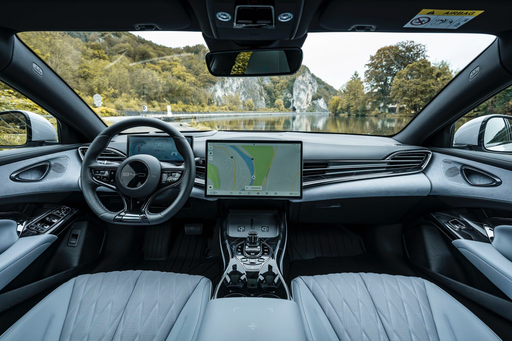
Both manufacturers have integrated state-of-the-art technology into their models. The BYD Seal features advanced driver-assistance systems, a high-definition digital cockpit, and a cutting-edge infotainment system designed for seamless connectivity and user experience.

Volvo's EX30 emphasizes safety and sustainability, offering its signature set of safety features and an intuitive interface. Volvo has long been known for its commitment to safety technology, and with the EX30, they continue to push boundaries by incorporating features that prioritize the driver's and passengers' safety.

Seal

Conclusion: Which One to Choose?

In conclusion, the decision between the BYD Seal and the Volvo EX30 depends largely on what consumers seek from their electric vehicles. The BYD Seal stands out with its longer electric range and thrilling performance, making it ideal for those needing a dynamic driving experience and long commutes. In contrast, the Volvo EX30 offers a compact, family-friendly SUV format with a strong focus on safety and sustainability, catering to urban dwellers and small families. Both models represent the future of electrification, pushing the boundaries of what's possible in the automotive landscape.

Here’s where it gets real: The technical differences in detail

EX30

Costs and Efficiency:

Looking at overall running costs, both models reveal some interesting differences in everyday economy.

Volvo EX30 is clearly cheaper – starting at 33,000 £ , while the BYD Seal costs 40,300 £ . That’s a price difference of around 7,286 £.

In terms of energy consumption, the BYD Seal is moderately more efficient: consuming 15.4 kWh/100km compared to 17 kWh/100km for the Volvo EX30. That’s a difference of about 1.6 kWh/100km.

As for electric range, the BYD Seal offers slightly more range – reaching up to 570 km, about 94 km more than the Volvo EX30.

Seal

Engine and Performance:

Power, torque and acceleration are the classic benchmarks for car enthusiasts – and here, some clear differences start to show.

When it comes to engine power, the BYD Seal offers somewhat more power – delivering 530 HP compared to 428 HP. That’s roughly 102 HP more horsepower.

When accelerating from 0 to 100 km/h, the Volvo EX30 is barely quicker – completing the sprint in 3.6 s, while the BYD Seal takes 3.8 s. That’s about 0.2 s quicker.

There’s no difference in top speed – both reach 180 km/h.

There’s also a difference in torque: the BYD Seal delivers somewhat more torque with 670 Nm compared to 543 Nm. That’s about 127 Nm more.

EX30

Space and Everyday Use:

Cabin size, boot volume and payload all play a role in everyday practicality. Here, comfort and flexibility make the difference.

Both vehicles offer seating for 5 people.

In terms of curb weight, Volvo EX30 is barely lighter – 1,840 kg compared to 1,907 kg. The difference is around 67 kg.

Looking at boot space, the BYD Seal offers clearly more boot space – 400 L compared to 318 L. That’s a difference of about 82 L.

When it comes to payload, the BYD Seal carries slightly more – 473 kg compared to 390 kg. That’s a difference of about 83 kg.

Who wins the race in the data check?

The BYD Seal is far ahead overall in the objective data comparison.
This result only shows which model scores more points on paper – not which of the two cars feels right for you.

from £40,300
Seal

BYD Seal

  • Engine Type : Electric
  • Transmission : Automatic
  • Drive Type : Rear-Wheel Drive, All-Wheel Drive
  • Power HP : 231 - 530 HP
  • Consumption kWh/100km : 15.4 - 18.2 kWh/100km
  • Electric Range : 460 - 570 km
Volvo EX30
BYD Seal

Costs and Consumption

View detailed analysis

Engine and Performance

View detailed analysis

Dimensions and Body

View detailed analysis

Volvo EX30

The Volvo EX30 arrives as a compact electric with crisp Scandinavian design and a cheeky personality, proving you can be serious about safety and still enjoy a grin on your commute. Its cabin is cleverly packaged and delightfully easy to live with, offering smart tech and practical touches that make it feel like a grown-up's city car with a sense of fun.

details

BYD Seal

The BYD Seal is a sleek electric fastback that punches above its class with sporty looks and a surprisingly premium cabin, offering a very modern alternative for buyers who want style and substance without the badge snobbery. On the road it feels composed and eager, packed with tech and everyday practicality—ideal for shoppers after eco-friendly performance with a cheeky wink.

details
Volvo EX30
BYD Seal

Costs and Consumption

Price
33,000 - 49,100 £
Price
40,300 - 45,400 £
Consumption L/100km
-
Consumption L/100km
-
Consumption kWh/100km
17 - 18.3 kWh/100km
Consumption kWh/100km
15.4 - 18.2 kWh/100km
Electric Range
339 - 476 km
Electric Range
460 - 570 km
Battery Capacity
49 - 65 kWh
Battery Capacity
-
co2
0 g/km
co2
0 g/km
Fuel tank capacity
-
Fuel tank capacity
-

Dimensions and Body

Body Type
SUV
Body Type
Sedan
Seats
5
Seats
5
Doors
5
Doors
4
Curb weight
1,840 - 1,960 kg
Curb weight
1,907 - 2,185 kg
Trunk capacity
318 L
Trunk capacity
400 L
Length
4,233 mm
Length
4,800 mm
Width
1,838 mm
Width
1,875 mm
Height
1,550 mm
Height
1,460 mm
Max trunk capacity
1,000 L
Max trunk capacity
-
Payload
370 - 390 kg
Payload
446 - 473 kg

Engine and Performance

Engine Type
Electric
Engine Type
Electric
Transmission
Automatic
Transmission
Automatic
Transmission Detail
Reduction Gearbox
Transmission Detail
Reduction Gearbox
Drive Type
Rear-Wheel Drive, All-Wheel Drive
Drive Type
Rear-Wheel Drive, All-Wheel Drive
Power HP
272 - 428 HP
Power HP
231 - 530 HP
Acceleration 0-100km/h
3.6 - 5.7 s
Acceleration 0-100km/h
3.8 - 7.5 s
Max Speed
180 km/h
Max Speed
180 km/h
Torque
343 - 543 Nm
Torque
360 - 670 Nm
Number of Cylinders
-
Number of Cylinders
-
Power kW
200 - 315 kW
Power kW
170 - 390 kW
Engine capacity
-
Engine capacity
-

General

Model Year
2,024 - 2,025
Model Year
2,023 - 2,025
CO2 Efficiency Class
A
CO2 Efficiency Class
A
Brand
Volvo
Brand
BYD
DriveDuel uses data analysis and artificial intelligence to evaluate vehicle data and create content. Content is regularly reviewed and improved. The displayed prices are estimates based on German list prices, adjusted to the respective country’s VAT. Country-specific registration taxes are not included. This information is not legally binding.