VS

Volvo XC60 vs Mazda CX-80 comparison

Compare performance (455 HP vs 327 HP), boot space and price (49,200 £ vs 49,300 £ ) at a glance. Find out which car is the better choice for you – Volvo XC60 or Mazda CX-80?

Volvo XC60 vs Mazda CX-80: Key differences

Volvo XC60

4.8 (6 Reviews)
rate
  • marginally cheaper
  • visibly more power
  • significantly more efficient
  • noticeably more electric range
  • noticeably quicker 0–100 km/h
  • slightly lighter
  • substantially more trunk space

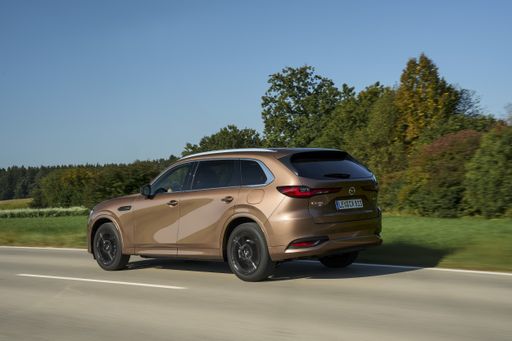
Mazda CX-80

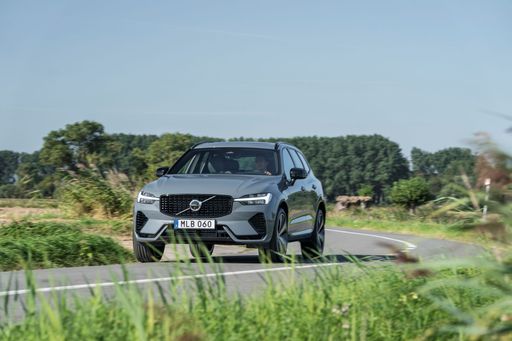
XC60

The automotive landscape is evolving rapidly, with consumer preferences shifting towards SUVs that embody both luxury and practicality. In this comprehensive comparison, we take a closer look at two remarkable contenders: the Mazda CX-80 and the Volvo XC60. Both vehicles offer unique features, state-of-the-art technologies, and impressive performance metrics, making them prime examples of modern automotive engineering.
CX-80

Design and Dimensions

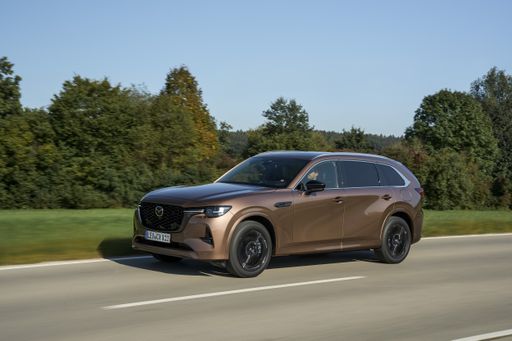
The Mazda CX-80 is a larger SUV, measuring 4995 mm in length and 1890 mm in width, which translates to a more spacious interior, capable of accommodating up to seven passengers. Its bold and elegant design language reflects Mazda's Kodo design philosophy, making it a head-turner on the road.

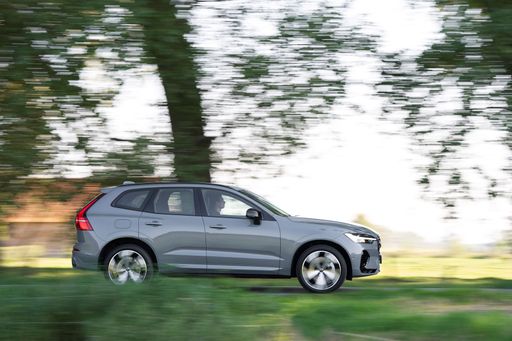
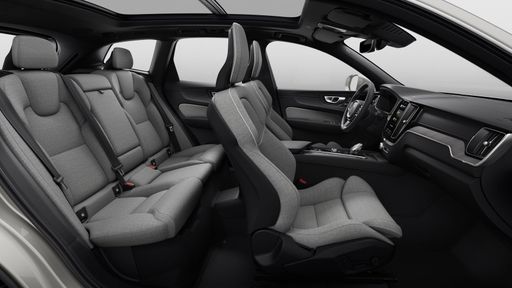
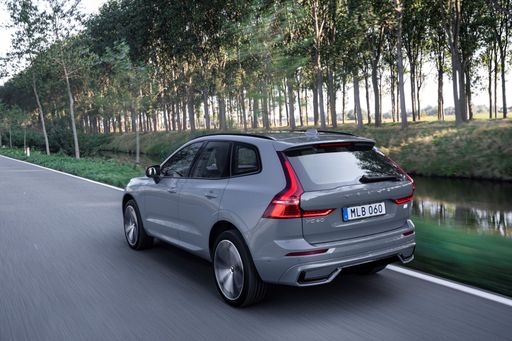
On the other hand, the Volvo XC60 presents a more compact profile, with a length of 4688 mm and a width of 1902 mm, ideal for urban environments while still exuding an air of sophistication. Though it seats five, the XC60’s premium materials and minimalist Scandinavian design make it a luxury unto itself.

XC60

Engine Options and Performance

Both vehicles come equipped with advanced powertrains that promise exceptional performance and efficiency. The Mazda CX-80 offers two engine options, including a robust 327 HP Plug-in Hybrid and a 254 HP Diesel MHEV, allowing for a maximum torque of 550 Nm. The CX-80 has an impressive 0-100 km/h acceleration time of 6.8 seconds combined with an electric range of 60 km, making it both powerful and economical.

In comparison, the Volvo XC60 presents a wider power range with options peaking at 455 HP. The standout performance is from its higher-end Plug-in Hybrid version that achieves 0-100 km/h in just 4.9 seconds. With a maximum torque of 709 Nm and an electric range of 80 km, the XC60 provides a thrilling driving experience while maintaining efficiency.

CX-80

Fuel Efficiency and Emissions

Fuel efficiency is paramount in today’s automotive market, and both models offer commendable figures. The Mazda CX-80 consumes an impressive 1.6 L/100 km in its hybrid variant while the Diesel MHEV variant shows a consumption of 5.7 L/100 km. In terms of CO2 emissions, the CX-80 performs admirably with a class B rating, releasing just 35 g/km in the hybrid variant.

In contrast, the Volvo XC60, while not matching the CX-80’s electric efficiency, manages a respectable fuel consumption of 7.7 L/100 km in its gasoline variant, with CO2 emissions varying per model but reaching as low as 22 g/km for the hybrid variant. This puts the XC60 in a favorable light for eco-conscious consumers.

XC60

Interior and Technology Features

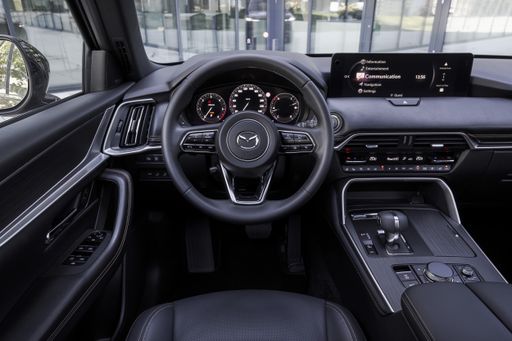
Inside, the Mazda CX-80 boasts a spacious cabin with cutting-edge technology. It offers a host of driver-assistance features such as adaptive cruise control, lane-keeping assist, and advanced infotainment systems that enhance the driving experience. The option of seven seats makes it a practical choice for families.

Meanwhile, the Volvo XC60 emphasizes luxury and comfort, featuring premium materials and an intuitive infotainment system that is the hallmark of the Scandinavian brand. With a comfortable layout and seating for five, it focuses on creating a serene driving environment, supplemented by advanced safety features like Pilot Assist and a robust suite of the latest driver support technologies.

CX-80

Conclusion: Which SUV Reigns Supreme?

Ultimately, the choice between the Mazda CX-80 and the Volvo XC60 boils down to personal preferences and lifestyle needs. The CX-80 stands out with its larger size and hybrid efficiency, making it a favorite for families seeking comfort and space. In contrast, the XC60 makes a strong case with its exhilarating performance and luxurious touches, perfect for those looking to combine practicality with a premium experience.

Both vehicles showcase the remarkable advancements in the SUV segment and highlight the unique strengths of their respective brands. Whichever choice you make, you’ll be driving away in a vehicle that reflects the future of driving excellence.

Here’s where it gets real: The technical differences in detail

XC60

Costs and Efficiency:

Looking at overall running costs, both models reveal some interesting differences in everyday economy.

Volvo XC60 is marginally cheaper – starting at 49,200 £ , while the Mazda CX-80 costs 49,300 £ . That’s a price difference of around 137 £.

Fuel consumption also shows a difference: the Volvo XC60 uses 2.8 L/100km and is significantly more efficient than the Mazda CX-80 with 4 L/100km. The difference is about 1.2 L/100km.

As for electric range, the Volvo XC60 offers noticeably more range – reaching up to 82 km, about 22 km more than the Mazda CX-80.

CX-80

Engine and Performance:

Power, torque and acceleration are the classic benchmarks for car enthusiasts – and here, some clear differences start to show.

When it comes to engine power, the Volvo XC60 offers visibly more power – delivering 455 HP compared to 327 HP. That’s roughly 128 HP more horsepower.

When accelerating from 0 to 100 km/h, the Volvo XC60 is noticeably quicker – completing the sprint in 4.9 s, while the Mazda CX-80 takes 6.8 s. That’s about 1.9 s quicker.

There’s also a difference in torque: the Volvo XC60 delivers visibly more torque with 709 Nm compared to 550 Nm. That’s about 159 Nm more.

XC60

Space and Everyday Use:

Beyond pure performance, interior space and usability matter most in daily life. This is where you see which car is more practical and versatile.

Seats: Mazda CX-80 offers more seats – 7 vs 5.

In terms of curb weight, Volvo XC60 is slightly lighter – 1,900 kg compared to 2,131 kg. The difference is around 231 kg.

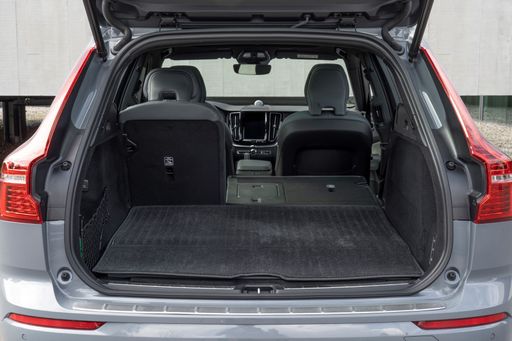
Looking at boot space, the Volvo XC60 offers substantially more boot space – 483 L compared to 258 L. That’s a difference of about 225 L.

When it comes to payload, the Mazda CX-80 carries somewhat more – 650 kg compared to 550 kg. That’s a difference of about 100 kg.

Who wins the race in the data check?

The Volvo XC60 is clearly superior overall in the objective data comparison.
This result only shows which model scores more points on paper – not which of the two cars feels right for you.

from £49,200
XC60

Volvo XC60

  • Engine Type : Petrol MHEV, Plugin Hybrid
  • Transmission : Automatic
  • Drive Type : All-Wheel Drive
  • Power HP : 250 - 455 HP
  • Consumption L/100km : 2.8 - 7.5 L/100km
  • Electric Range : 74 - 82 km
Volvo XC60
Mazda CX-80

Costs and Consumption

View detailed analysis

Engine and Performance

View detailed analysis

Dimensions and Body

View detailed analysis

Volvo XC60

The Volvo XC60 blends Scandinavian calm with confident presence, offering a cabin that feels plush without shouting for attention. It’s a smart pick for buyers after a composed ride, clever practicality and thoughtful safety touches — it even makes running the family shuttle feel almost serene, which is a small miracle.

details

Mazda CX-80

The Mazda CX-80 brings polished, near-premium styling and a cabin that feels far classier than its badge might imply. It steers with a composed, engaging character and packs the sensible practicality families want — with just enough flair to make school runs feel a little less ordinary.

details
Volvo XC60
Mazda CX-80

Costs and Consumption

Price
49,200 - 75,100 £
Price
49,300 - 61,400 £
Consumption L/100km
2.8 - 7.5 L/100km
Consumption L/100km
4 - 5.6 L/100km
Consumption kWh/100km
-
Consumption kWh/100km
-
Electric Range
74 - 82 km
Electric Range
60 km
Battery Capacity
-
Battery Capacity
-
co2
64 - 169 g/km
co2
91 - 146 g/km
Fuel tank capacity
71 L
Fuel tank capacity
-

Dimensions and Body

Body Type
SUV
Body Type
SUV
Seats
5
Seats
7
Doors
5
Doors
-
Curb weight
1,900 - 2,150 kg
Curb weight
2,131 - 2,240 kg
Trunk capacity
468 - 483 L
Trunk capacity
258 L
Length
4,708 mm
Length
-
Width
1,902 mm
Width
1,890 mm
Height
1,655 mm
Height
-
Max trunk capacity
1,543 L
Max trunk capacity
-
Payload
510 - 550 kg
Payload
649 - 650 kg

Engine and Performance

Engine Type
Petrol MHEV, Plugin Hybrid
Engine Type
Plugin Hybrid, Diesel MHEV
Transmission
Automatic
Transmission
Automatic
Transmission Detail
Automatic Gearbox
Transmission Detail
Automatic Gearbox
Drive Type
All-Wheel Drive
Drive Type
All-Wheel Drive
Power HP
250 - 455 HP
Power HP
254 - 327 HP
Acceleration 0-100km/h
4.9 - 6.9 s
Acceleration 0-100km/h
6.8 - 8.4 s
Max Speed
180 km/h
Max Speed
-
Torque
350 - 709 Nm
Torque
500 - 550 Nm
Number of Cylinders
4
Number of Cylinders
4 - 6
Power kW
184 - 335 kW
Power kW
187 - 241 kW
Engine capacity
1,969 cm3
Engine capacity
2,488 - 3,283 cm3

General

Model Year
2,025
Model Year
2,025
CO2 Efficiency Class
F, B
CO2 Efficiency Class
B, E
Brand
Volvo
Brand
Mazda
DriveDuel uses data analysis and artificial intelligence to evaluate vehicle data and create content. Content is regularly reviewed and improved. The displayed prices are estimates based on German list prices, adjusted to the respective country’s VAT. Country-specific registration taxes are not included. This information is not legally binding.