VS

VW ID.3 vs Volvo EX30 comparison

Compare performance (326 HP vs 428 HP), boot space and price (28,600 £ vs 33,000 £ ) at a glance. Find out which car is the better choice for you – VW ID.3 or Volvo EX30?

VW ID.3 vs Volvo EX30: Key differences

VW ID.3

4.9 (3 Reviews)
rate
  • moderately cheaper
  • a bit more efficient
  • noticeably more electric range
  • very slightly lighter
  • somewhat more trunk space
details

Volvo EX30

3.7 (6 Reviews)
rate
  • visibly more power
  • considerably quicker 0–100 km/h
details

All details on performance, efficiency, range and trunk space can be found in the technical comparison below – including user reviews for both models.

By Achim Sedelmaier

ID.3

City swagger vs everyday sense

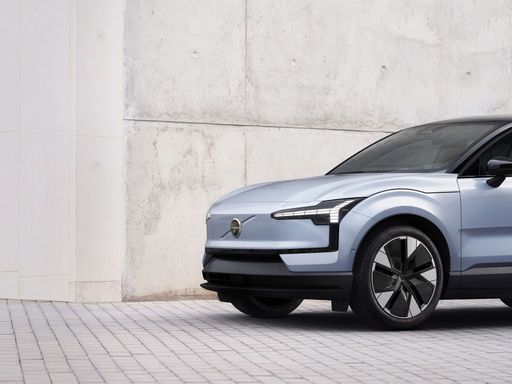
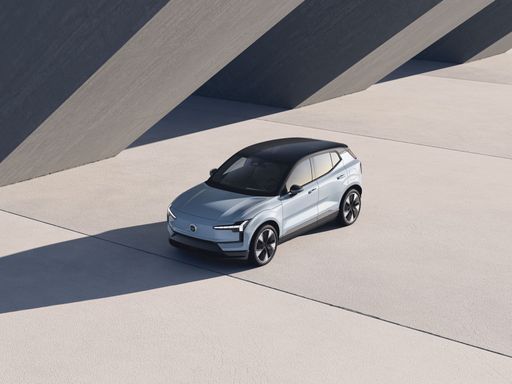
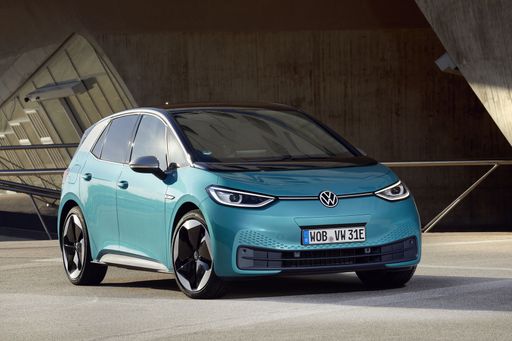
The Volvo EX30 arrives like a compact fashion statement, all crisp lines and confident presence that feels tailored for urban life, while the VW ID.3 leans into sensible proportions and a quietly assured demeanor that works across neighbourhoods. The EX30’s personality reads as sporty and slightly provocative, the kind of car that turns heads at a junction. The ID.3 trades flamboyance for familiarity, aiming to be the sensible option that slips easily into daily routines.
EX30

What it feels like behind the wheel

Driving the EX30 is an exercise in immediacy — steering feels sharp and the car’s character is lively, rewarding drivers who want engagement rather than isolation. By contrast, the ID.3 is all about composure, with a measured delivery that soothes on longer trips and keeps occupants relaxed in traffic. Both approaches have merit: one is for the enthusiast who enjoys a direct connection, the other for the pragmatist who values predictability and ease.

ID.3

Cabin life and creature comforts

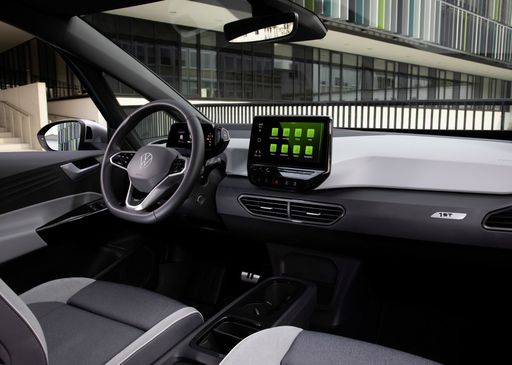
The interior of the EX30 leans into Scandinavian restraint, using premium-feeling materials and a clean layout that prioritises the driver’s space without fuss. The ID.3 takes a more conventional hatchback approach, offering an intuitive layout and practical touches that make day-to-day life simpler for families. Each cabin has its own charm: one feels boutique and modern, the other familiar and thoughtfully organised.

EX30

Practicalities that matter at the curb

When it comes to loading the weekly shop or stowing weekend luggage, the ID.3 shows its utility-focused roots with a flexible, easy-to-use arrangement that stretches to meet family needs. The EX30 makes smart use of space but always reminds you it’s a compact, style-first proposition rather than a van substitute. If cargo flexibility is top of mind, the ID.3’s mentality will likely slot into more lives effortlessly.

ID.3

Daily ownership and real-world living

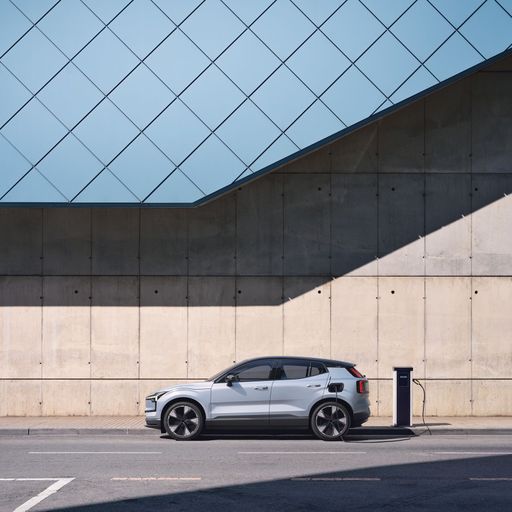
Both cars live well in modern ownership stories: the EX30 promises a user-friendly tech suite wrapped in Volvo’s safety-first culture, while the ID.3 plays the long game with mainstream accessibility and straightforward day-to-day economy. Practical concerns such as charging behaviour, servicing networks and running habits will shape which one fits you, and both make sensible compromises for different priorities. Ultimately, it’s about matching the car’s strengths to how you spend your driving hours.

EX30

Style, status and curb appeal

If image is part of the purchase decision, the EX30 is the one that elevates your street presence with a boutique air and Scandinavian minimalism that reads as premium. The ID.3 keeps things low-key and approachable, appealing to buyers who prefer being understated yet modern. Style-conscious buyers will appreciate the EX30’s flair, while those after broad appeal will lean towards the ID.3’s unobtrusive charm.

ID.3

Which key fits your life?

For urban commuters who prize agility and boutique style the EX30 will feel like a rewarding daily companion, whereas the ID.3 suits buyers seeking roomy usability, effortless living and broad practicality for family duties and longer stints behind the wheel. Both have clear personalities and both serve different kinds of modern drivers very well, so consider which character aligns with your week. Keep reading — the DriveDuel Champion will be revealed afterwards.

Here’s where it gets real: The technical differences in detail

ID.3

Costs and Efficiency:

When it comes to price and running costs, the biggest differences usually appear. This is often where you see which car fits your budget better in the long run.

VW ID.3 is moderately cheaper – starting at 28,600 £ , while the Volvo EX30 costs 33,000 £ . That’s a price difference of around 4,423 £.

In terms of energy consumption, the VW ID.3 is a bit more efficient: consuming 14.5 kWh/100km compared to 17 kWh/100km for the Volvo EX30. That’s a difference of about 2.5 kWh/100km.

As for electric range, the VW ID.3 offers noticeably more range – reaching up to 605 km, about 129 km more than the Volvo EX30.

EX30

Engine and Performance:

Under the bonnet, it becomes clear which model is tuned for sportiness and which one takes the lead when you hit the accelerator.

When it comes to engine power, the Volvo EX30 offers visibly more power – delivering 428 HP compared to 326 HP. That’s roughly 102 HP more horsepower.

When accelerating from 0 to 100 km/h, the Volvo EX30 is considerably quicker – completing the sprint in 3.6 s, while the VW ID.3 takes 5.7 s. That’s about 2.1 s quicker.

Looking at top speed, the VW ID.3 is marginally faster – reaching 200 km/h, while the Volvo EX30 tops out at 180 km/h. The difference is around 20 km/h.

There’s also a difference in torque: the VW ID.3 delivers very slightly more torque with 545 Nm compared to 543 Nm. That’s about 2 Nm more.

ID.3

Space and Everyday Use:

Whether family car or daily driver – which one offers more room, flexibility and comfort?

Both vehicles offer seating for 5 people.

In terms of curb weight, VW ID.3 is very slightly lighter – 1,787 kg compared to 1,840 kg. The difference is around 53 kg.

Looking at boot space, the VW ID.3 offers somewhat more boot space – 385 L compared to 318 L. That’s a difference of about 67 L.

For maximum load capacity, the VW ID.3 offers clearly more capacity – up to 1,267 L, about 267 L more than the Volvo EX30.

When it comes to payload, the VW ID.3 carries moderately more – 473 kg compared to 390 kg. That’s a difference of about 83 kg.

Who wins the race in the data check?

The VW ID.3 shows a few small advantages in the objective data comparison.
This result only shows which model scores more points on paper – not which of the two cars feels right for you.

from £28,600
ID.3

VW ID.3

  • Engine Type : Electric
  • Transmission : Automatic
  • Drive Type : Rear-Wheel Drive
  • Power HP : 170 - 326 HP
  • Consumption kWh/100km : 14.5 - 15.8 kWh/100km
  • Electric Range : 383 - 605 km
VW ID.3
Volvo EX30

Costs and Consumption

View detailed analysis

Engine and Performance

View detailed analysis

Dimensions and Body

View detailed analysis

VW ID.3

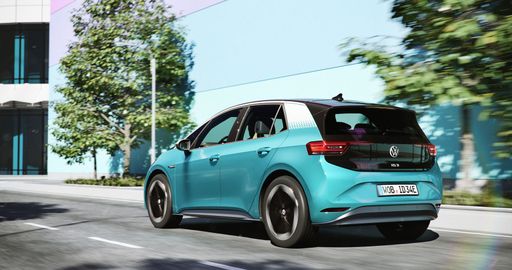
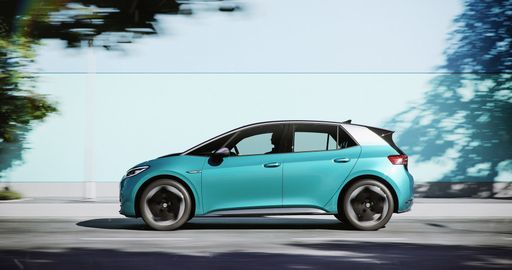
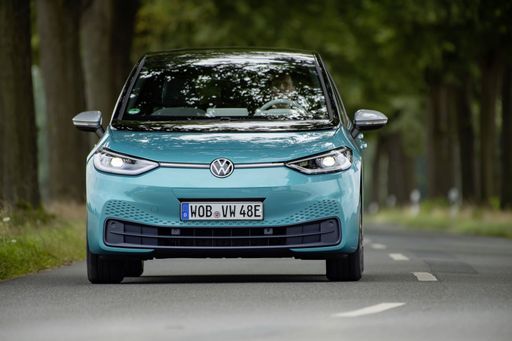
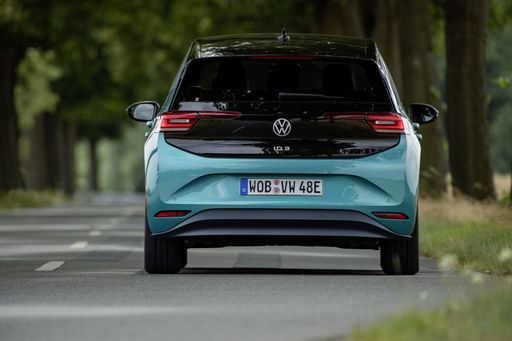
The VW ID.3 is a crisply styled electric hatch that masks serious practicality behind a friendly, modern face, making city runs and longer trips pleasantly fuss free. For buyers seeking a sensible, well-equipped EV that doesn't take itself too seriously, the ID.3 strikes a neat balance of comfort, tech and everyday usability with a cheeky smile.

details

Volvo EX30

The Volvo EX30 arrives as a compact electric with crisp Scandinavian design and a cheeky personality, proving you can be serious about safety and still enjoy a grin on your commute. Its cabin is cleverly packaged and delightfully easy to live with, offering smart tech and practical touches that make it feel like a grown-up's city car with a sense of fun.

details
VW ID.3
Volvo EX30

Costs and Consumption

Price
28,600 - 49,300 £
Price
33,000 - 49,100 £
Consumption L/100km
-
Consumption L/100km
-
Consumption kWh/100km
14.5 - 15.8 kWh/100km
Consumption kWh/100km
17 - 18.3 kWh/100km
Electric Range
383 - 605 km
Electric Range
339 - 476 km
Battery Capacity
52 - 79 kWh
Battery Capacity
49 - 65 kWh
co2
0 g/km
co2
0 g/km
Fuel tank capacity
-
Fuel tank capacity
-

Dimensions and Body

Body Type
Hatchback
Body Type
SUV
Seats
5
Seats
5
Doors
5
Doors
5
Curb weight
1,787 - 1,993 kg
Curb weight
1,840 - 1,960 kg
Trunk capacity
385 L
Trunk capacity
318 L
Length
4,264 mm
Length
4,233 mm
Width
1,809 mm
Width
1,838 mm
Height
1,564 mm
Height
1,550 mm
Max trunk capacity
1,267 L
Max trunk capacity
1,000 L
Payload
437 - 473 kg
Payload
370 - 390 kg

Engine and Performance

Engine Type
Electric
Engine Type
Electric
Transmission
Automatic
Transmission
Automatic
Transmission Detail
Reduction Gearbox
Transmission Detail
Reduction Gearbox
Drive Type
Rear-Wheel Drive
Drive Type
Rear-Wheel Drive, All-Wheel Drive
Power HP
170 - 326 HP
Power HP
272 - 428 HP
Acceleration 0-100km/h
5.7 - 8.2 s
Acceleration 0-100km/h
3.6 - 5.7 s
Max Speed
160 - 200 km/h
Max Speed
180 km/h
Torque
310 - 545 Nm
Torque
343 - 543 Nm
Number of Cylinders
-
Number of Cylinders
-
Power kW
125 - 240 kW
Power kW
200 - 315 kW
Engine capacity
-
Engine capacity
-

General

Model Year
2,024 - 2,025
Model Year
2,024 - 2,025
CO2 Efficiency Class
A
CO2 Efficiency Class
A
Brand
VW
Brand
Volvo
DriveDuel uses data analysis and artificial intelligence to evaluate vehicle data and create content. Content is regularly reviewed and improved. The displayed prices are estimates based on German list prices, adjusted to the respective country’s VAT. Country-specific registration taxes are not included. This information is not legally binding.