VS

VW ID.4 vs Audi Q4 e-tron comparison

Compare performance (340 HP vs 340 HP), boot space and price (34,600 £ vs 39,600 £ ) at a glance. Find out which car is the better choice for you – VW ID.4 or Audi Q4 e-tron?

VW ID.4 vs Audi Q4 e-tron: Key differences

VW ID.4

4.4 (9 Reviews)
rate
  • somewhat cheaper
  • very slightly more efficient
  • only slightly more electric range
  • barely lighter
  • very slightly more trunk space
details

Audi Q4 e-tron

4.9 (2 Reviews)
rate
details

All details on performance, efficiency, range and trunk space can be found in the technical comparison below – including user reviews for both models.

By Achim Sedelmaier

ID.4

The electrification of the automotive industry has brought about a surge of innovative models, and two of the most compelling players in the SUV electric vehicle segment are the Audi Q4 e-tron and the VW ID.4. Both are aimed at consumers seeking efficiency, performance, and modern technology, but they offer distinct characteristics that cater to different preferences. This article compares these two electric SUVs, focusing on technical specifications, innovations, and overall driving experience.
Q4 e-tron

Design and Dimensions

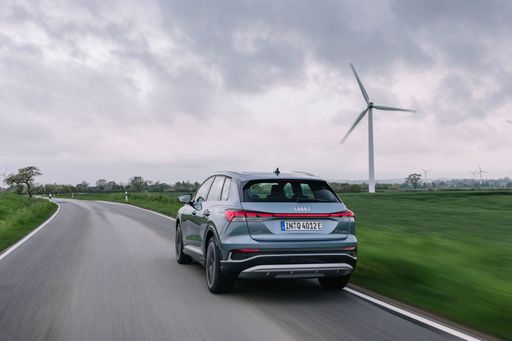
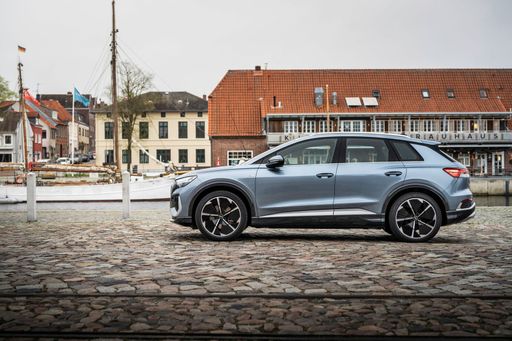
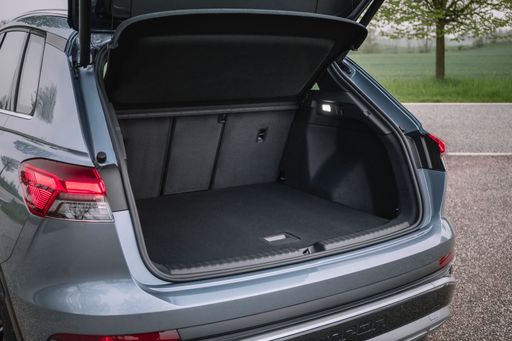
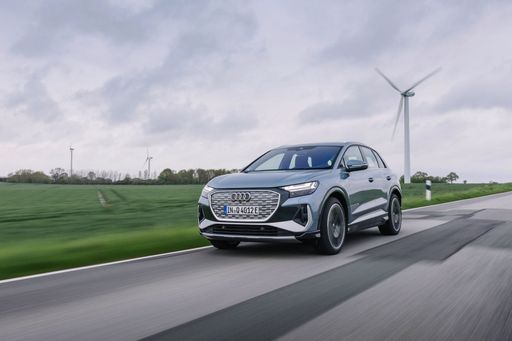
The Audi Q4 e-tron sports a sleek and stylish design that embodies the brand's luxury ethos. It measures 4588 mm in length, 1865 mm in width, and 1632 mm in height, providing a commanding presence on the road. The Q4 e-tron also boasts a trunk capacity ranging up to 535 liters, making it highly practical for family trips and cargo management.

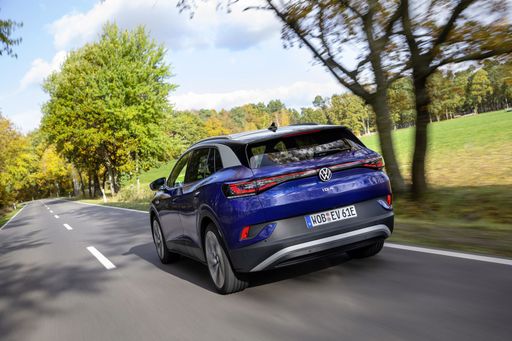
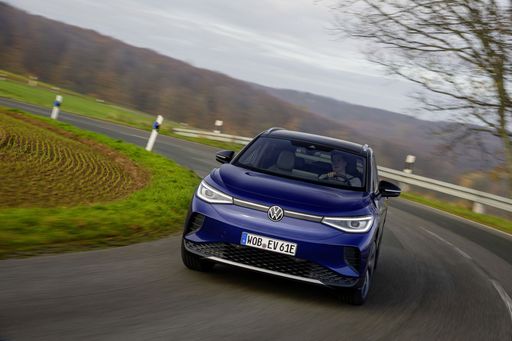
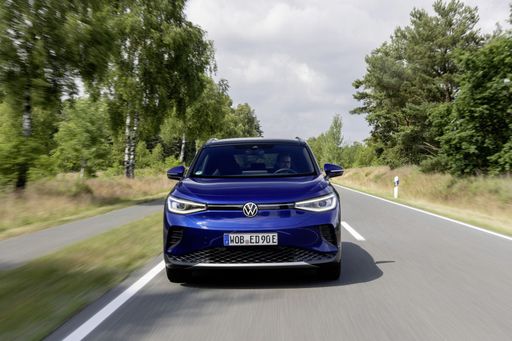
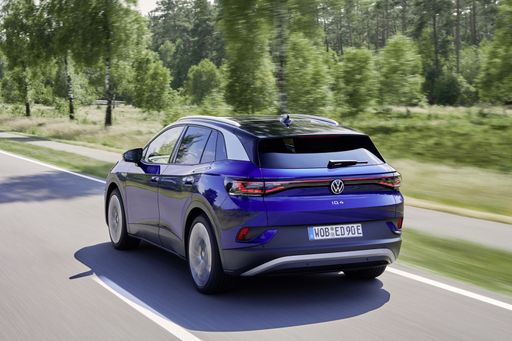
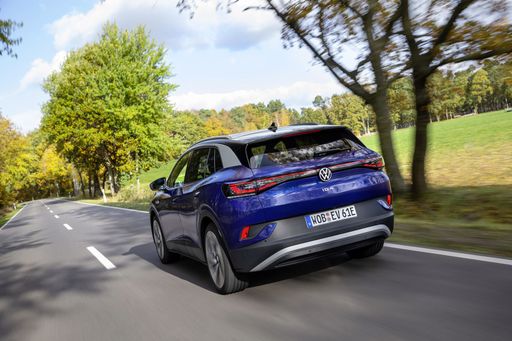
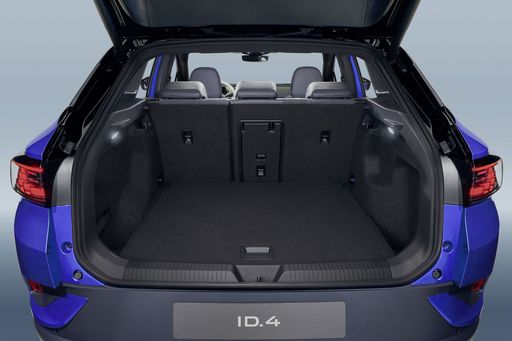
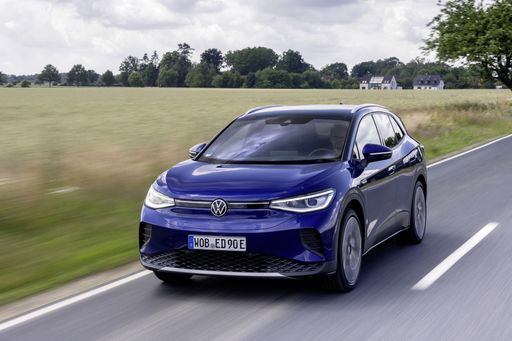
On the other hand, the VW ID.4 has slightly different dimensions, measuring 4584 mm in length and 1852 mm in width, resulting in a more agile handling profile. With a trunk capacity of up to 543 liters, it is adequately spacious for everyday needs. The design language of the ID.4 emphasizes simplicity and modernity, making it appealing for a different segment of customers.

ID.4

Performance and Powertrain

Under the hood, the Audi Q4 e-tron offers various powertrain options. It comes with an electric range of up to 554 km, depending on the model variant. The Q4 is available in both rear-wheel drive and all-wheel drive configurations, with power outputs ranging from 170 HP to an impressive 340 HP. This versatility ensures that consumers can select a model that aligns with their driving style and needs.

The VW ID.4 presents a similar yet varied performance profile. It also offers a maximum power output of 340 HP and provides an electric range of up to 572 km, making it one of the longer-range electric SUVs in the market. Like its Audi counterpart, the ID.4 comes equipped with an automatic transmission and either rear-wheel or all-wheel drive options.

Q4 e-tron

Efficiency and Battery Capacity

When it comes to energy consumption, the Q4 e-tron has a commendable rating of 15.9 to 17.4 kWh/100 km, depending on the configuration. It features a battery capacity range of 52 kWh to 77 kWh, which provides different options depending on individual requirements.

In contrast, the VW ID.4 excels in efficiency with a consumption rate of 15.8 to 16.8 kWh/100 km. It similarly offers battery capacities of 52 kWh and 77 kWh, making it competitive. This efficiency showcases the ID.4 as a smart choice for those who prioritize low running costs.

ID.4

Interior Technology and Features

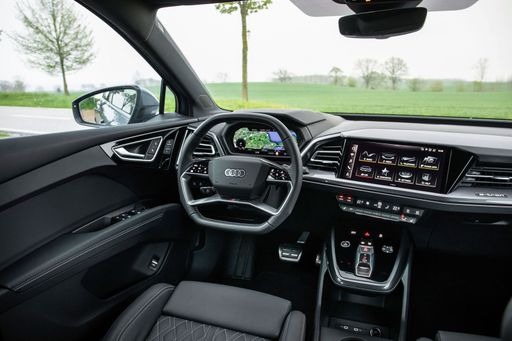
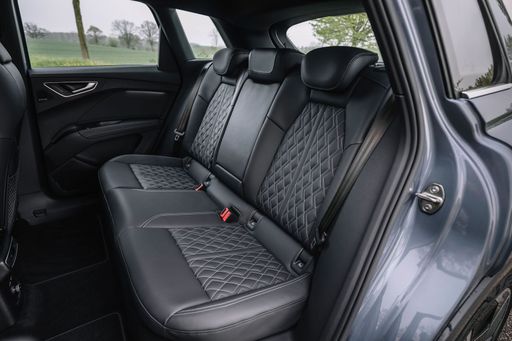
Inside the Audi Q4 e-tron, a driver-focused cockpit awaits, designed with high-quality materials and advanced technology. The infotainment system is user-friendly and offers seamless connectivity with smart devices. Additionally, Audi’s commitment to sustainability is visible in the interior materials, further enhancing the premium feel.

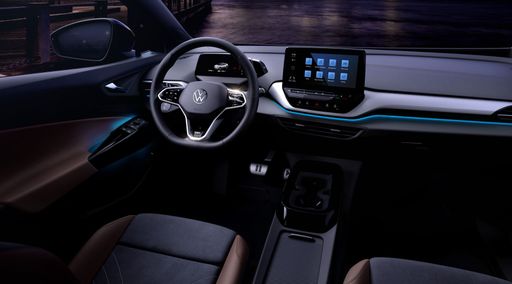
The VW ID.4, while more modest than the Q4, features an intuitive layout with a digital cockpit and a sizable infotainment system. Its technology offers a range of driver-assistance features designed to enhance safety and convenience on the road, making it appealing for tech-savvy consumers.

Q4 e-tron

Conclusion: Which SUV Should You Choose?

Both the Audi Q4 e-tron and the VW ID.4 present compelling reasons to consider them for your next electric SUV purchase. The Q4 e-tron excels in luxury, performance, and brand prestige, catering to buyers who prioritize a high-end experience. Conversely, the VW ID.4 offers excellent efficiency and a longer electric range, appealing to practical-minded consumers looking for value.

Ultimately, the choice between these two models will depend on individual preferences. Whichever you choose, both SUVs symbolize a significant step forward in the transition to electric mobility.

Video - VW ID.4

Video Thumbnail

Here’s where it gets real: The technical differences in detail

ID.4

Costs and Efficiency:

Looking at overall running costs, both models reveal some interesting differences in everyday economy.

VW ID.4 is somewhat cheaper – starting at 34,600 £ , while the Audi Q4 e-tron costs 39,600 £ . That’s a price difference of around 4,985 £.

In terms of energy consumption, the VW ID.4 is very slightly more efficient: consuming 15.6 kWh/100km compared to 15.9 kWh/100km for the Audi Q4 e-tron. That’s a difference of about 0.3 kWh/100km.

As for electric range, the VW ID.4 offers only slightly more range – reaching up to 569 km, about 15 km more than the Audi Q4 e-tron.

Q4 e-tron

Engine and Performance:

Under the bonnet, it becomes clear which model is tuned for sportiness and which one takes the lead when you hit the accelerator.

Both models deliver identical power – 340 HP each.

Both models accelerate almost equally fast – 5.4 s from 0 to 100 km/h.

There’s no difference in top speed – both reach 180 km/h.

Both models offer the same torque – 679 Nm.

ID.4

Space and Everyday Use:

Beyond pure performance, interior space and usability matter most in daily life. This is where you see which car is more practical and versatile.

Both vehicles offer seating for 5 people.

In terms of curb weight, VW ID.4 is barely lighter – 1,975 kg compared to 2,035 kg. The difference is around 60 kg.

Looking at boot space, the VW ID.4 offers very slightly more boot space – 543 L compared to 535 L. That’s a difference of about 8 L.

For maximum load capacity, the VW ID.4 offers barely more capacity – up to 1,575 L, about 85 L more than the Audi Q4 e-tron.

When it comes to payload, the VW ID.4 carries very slightly more – 551 kg compared to 515 kg. That’s a difference of about 36 kg.

Who wins the race in the data check?

The VW ID.4 comes out modestly ahead in the objective data comparison.
This result only shows which model scores more points on paper – not which of the two cars feels right for you.

from £34,600
ID.4

VW ID.4

  • Engine Type : Electric
  • Transmission : Automatic
  • Drive Type : Rear-Wheel Drive, All-Wheel Drive
  • Power HP : 170 - 340 HP
  • Consumption kWh/100km : 15.6 - 17 kWh/100km
  • Electric Range : 356 - 569 km
VW ID.4
Audi Q4 e-tron

Costs and Consumption

View detailed analysis

Engine and Performance

View detailed analysis

Dimensions and Body

View detailed analysis

VW ID.4

The VW ID.4 is a roomy, comfort‑focused electric SUV that makes family life and daily commuting effortless with a practical interior and a calm, efficient powertrain. It’s reassuring and sensible rather than thrilling — well suited to long stretches thanks to a relaxed ride and useful assistance systems, but the touch‑centric controls, restricted rear visibility and muted steering keep it from exciting drivers who want sportier dynamics.

details

Audi Q4 e-tron

The Audi Q4 e-tron brings Audi polish into the electric crossover scene, pairing a sleek exterior with a refined, airy interior that makes everyday driving feel distinctly premium. It’s an easy-to-live-with EV that balances comfort and real-world usability with intuitive tech, making it a smart choice for buyers who want electric mobility without giving up Audi character — and yes, it still looks good in the driveway.

details
VW ID.4
Audi Q4 e-tron

Costs and Consumption

Price
34,600 - 47,200 £
Price
39,600 - 58,800 £
Consumption L/100km
-
Consumption L/100km
-
Consumption kWh/100km
15.6 - 17 kWh/100km
Consumption kWh/100km
15.9 - 17.4 kWh/100km
Electric Range
356 - 569 km
Electric Range
406 - 554 km
Battery Capacity
52 - 77 kWh
Battery Capacity
77 kWh
co2
0 g/km
co2
0 g/km
Fuel tank capacity
-
Fuel tank capacity
-

Dimensions and Body

Body Type
SUV
Body Type
SUV
Seats
5
Seats
5
Doors
5
Doors
5
Curb weight
1,975 - 2,248 kg
Curb weight
2,035 - 2,235 kg
Trunk capacity
543 L
Trunk capacity
520 - 535 L
Length
4,582 - 4,584 mm
Length
4,588 mm
Width
1,852 mm
Width
1,865 mm
Height
1,619 - 1,634 mm
Height
1,614 - 1,632 mm
Max trunk capacity
1,575 L
Max trunk capacity
1,460 - 1,490 L
Payload
515 - 551 kg
Payload
505 - 515 kg

Engine and Performance

Engine Type
Electric
Engine Type
Electric
Transmission
Automatic
Transmission
Automatic
Transmission Detail
Reduction Gearbox
Transmission Detail
Reduction Gearbox
Drive Type
Rear-Wheel Drive, All-Wheel Drive
Drive Type
Rear-Wheel Drive, All-Wheel Drive
Power HP
170 - 340 HP
Power HP
204 - 340 HP
Acceleration 0-100km/h
5.4 - 9 s
Acceleration 0-100km/h
5.4 - 8.1 s
Max Speed
160 - 180 km/h
Max Speed
180 km/h
Torque
310 - 679 Nm
Torque
310 - 679 Nm
Number of Cylinders
-
Number of Cylinders
-
Power kW
125 - 250 kW
Power kW
150 - 250 kW
Engine capacity
-
Engine capacity
-

General

Model Year
2,023 - 2,025
Model Year
2,023 - 2,025
CO2 Efficiency Class
A
CO2 Efficiency Class
A
Brand
VW
Brand
Audi
DriveDuel uses data analysis and artificial intelligence to evaluate vehicle data and create content. Content is regularly reviewed and improved. The displayed prices are estimates based on German list prices, adjusted to the respective country’s VAT. Country-specific registration taxes are not included. This information is not legally binding.