VS

VW ID.4 vs Peugeot 5008 comparison

Compare performance (340 HP vs 325 HP), boot space and price (34,600 £ vs 37,600 £ ) at a glance. Find out which car is the better choice for you – VW ID.4 or Peugeot 5008?

VW ID.4 vs Peugeot 5008: Key differences

VW ID.4

4.5 (6 Reviews)
rate
  • barely cheaper
  • marginally more power
  • slightly more efficient
  • markedly quicker 0–100 km/h
  • noticeably more trunk space

Peugeot 5008

4.7 (1 Reviews)
rate
  • somewhat more electric range
  • moderately lighter

All details on performance, efficiency, range and trunk space can be found in the technical comparison below – including user reviews for both models.

ID.4

Introduction: A Clash of SUVs - Peugeot 5008 vs. VW ID.4

The automotive market continues to evolve, embracing electrification while retaining traditional fuel sources. Two popular options on the SUV front are the Peugeot 5008 and the Volkswagen ID.4. While they cater to different preferences, both models showcase impressive innovations and technological advancements. This article delves into a comprehensive comparison of these two vehicles, focusing on their specifications, performance, and unique features.
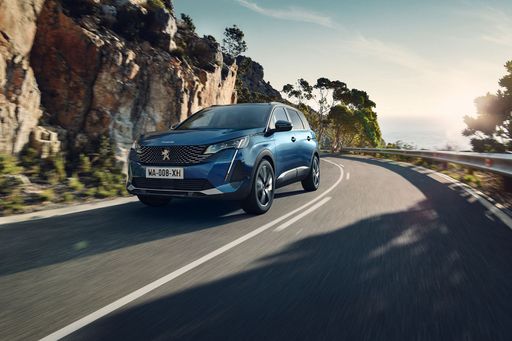
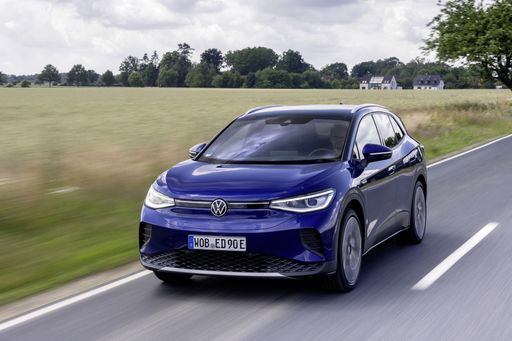
5008

Design and Dimensions

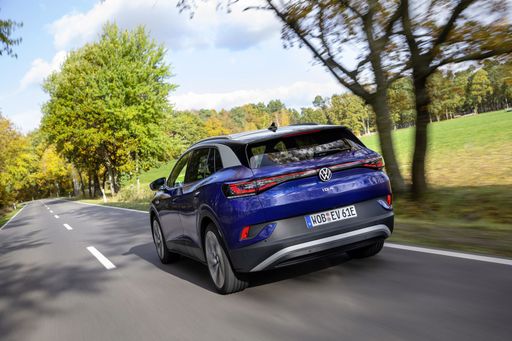
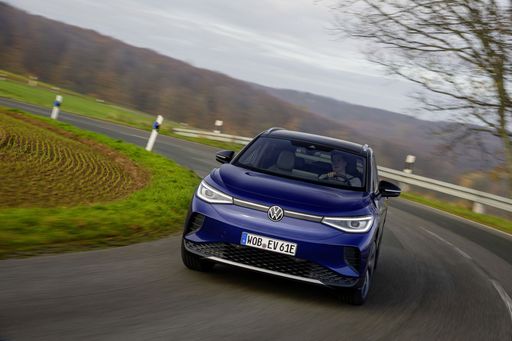
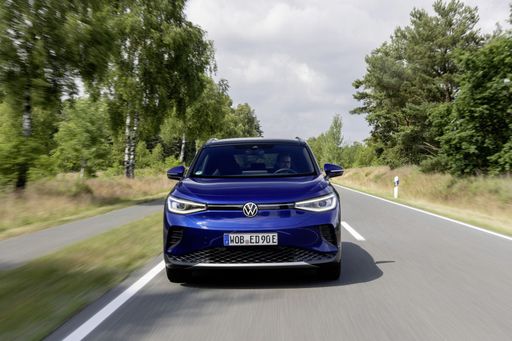
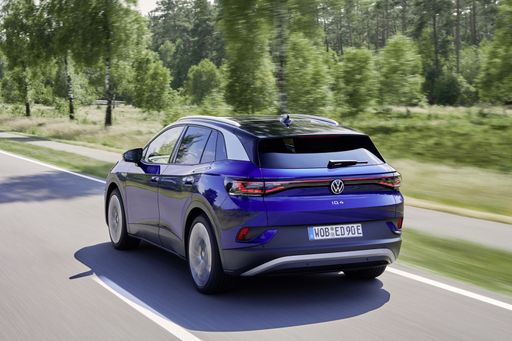
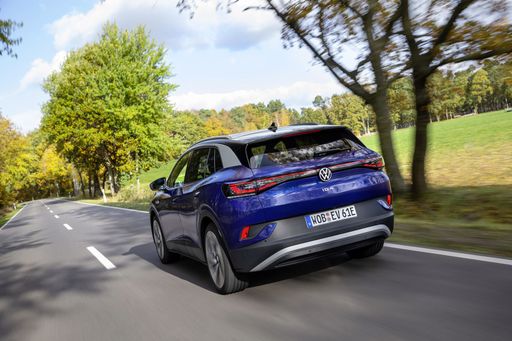
First impressions matter, and both the Peugeot 5008 and the VW ID.4 exude a distinct presence. The Peugeot 5008, with its robust SUV stature, measures 4791 mm in length, 1895 mm in width, and 1694 mm in height, providing a broad and commanding stance. In contrast, the VW ID.4 is slightly more compact at 4584 mm long, 1852 mm wide, and up to 1634 mm tall, leading to a sleeker, more modern aesthetic.

ID.4

Seating and Interior Space

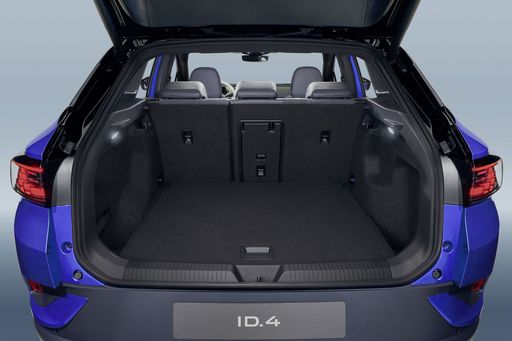
When it comes to family usability, the Peugeot 5008 shines with its 7-seat configuration, making it a compelling choice for larger families or those who frequently carry passengers. This design ensures generous trunk space as well, with a capacity of up to 748 liters. On the other hand, the VW ID.4 is designed for 5 passengers, offering a spacious interior, but it falls short of the extensive seating options provided by the 5008. With a trunk capacity of 543 liters, the ID.4 still manages to impress regarding practicality.

5008

Powertrains and Performance

The heart of any vehicle lies in its powertrain. The Peugeot 5008 offers a range of power options, featuring petrol mild hybrid, plug-in hybrid, and fully electric configurations, with horsepower output ranging from 136 to 231 HP. It boasts a respectable 0-100 km/h acceleration time between 8.8-10.2 seconds, depending on the engine choice.

Conversely, the VW ID.4 stands out as a fully electric SUV, with power options reaching up to 340 HP. Its acceleration performance is commendable, achieving 0-100 km/h in as little as 5.4 seconds for the more powerful variants. The ID.4 emphasizes its electric prowess, with an impressive electric range of up to 572 km, significantly benefiting those with an environmentally conscious lifestyle.

ID.4

Efficiency and Range

In terms of fuel efficiency, the Peugeot 5008 offers petrol consumption as low as 5.8 L/100 km for its efficient models, while its electric variants achieve a consumption rate of approximately 17.8-18.2 kWh/100 km. These figures are competitive, particularly for consumers looking for fuel-efficient options.

On the other hand, the VW ID.4 leads in electric efficiency with a consistent range of 15.8-16.8 kWh/100 km consumption. Furthermore, its electric range of up to 572 km ensures that drivers can confidently embark on longer journeys without frequent charging stops.

5008

Driving Dynamics and Technology

Driving dynamics play a crucial role in the overall driving experience. The Peugeot 5008 features front-wheel drive and a smooth automatic transmission system that offers a balanced ride and confident handling. Its performance is complemented by innovative technologies such as the Peugeot i-Cockpit, which includes a compact steering wheel and a customizable 12.3-inch digital instrument panel.

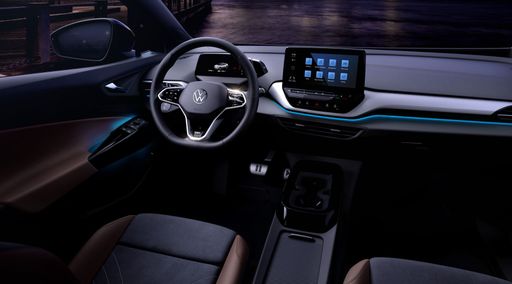
On the opposing front, the VW ID.4 employs a well-balanced rear-wheel or all-wheel drive setup, providing excellent grip and stability on varying terrains. With an advanced infotainment system and driver-assistance features, it delivers a user-friendly experience. Its innovative ID. Light communication system adds a futuristic touch, enhancing safety and convenience.

ID.4

Conclusion: The Right Choice for You

The Peugeot 5008 and VW ID.4 cater to different segments of the SUV buyers' market. If you prioritize versatility, spaciousness, and traditional combustion options alongside hybrid technology, the 5008 is an astute choice. However, for those leaning towards the future of driving with all-electric capabilities, impressive efficiency, and modern technology, the ID.4 stands out as a compelling alternative.

Ultimately, both vehicles reflect the innovative trajectory of the automotive industry. Making the right choice depends on individual preferences, driving needs, and lifestyle considerations, but either model promises an engaging driving experience.

Video - VW ID.4

Video Thumbnail

Here’s where it gets real: The technical differences in detail

ID.4

Costs and Efficiency:

Price and efficiency are key factors when choosing a car – and this is often where the real differences emerge.

VW ID.4 is barely cheaper – starting at 34,600 £ , while the Peugeot 5008 costs 37,600 £ . That’s a price difference of around 3,022 £.

In terms of energy consumption, the VW ID.4 is slightly more efficient: consuming 15.6 kWh/100km compared to 17.8 kWh/100km for the Peugeot 5008. That’s a difference of about 2.2 kWh/100km.

As for electric range, the Peugeot 5008 offers somewhat more range – reaching up to 669 km, about 100 km more than the VW ID.4.

5008

Engine and Performance:

Power, torque and acceleration are the classic benchmarks for car enthusiasts – and here, some clear differences start to show.

When it comes to engine power, the VW ID.4 offers marginally more power – delivering 340 HP compared to 325 HP. That’s roughly 15 HP more horsepower.

When accelerating from 0 to 100 km/h, the VW ID.4 is markedly quicker – completing the sprint in 5.4 s, while the Peugeot 5008 takes 6.5 s. That’s about 1.1 s quicker.

Looking at top speed, the Peugeot 5008 is marginally faster – reaching 198 km/h, while the VW ID.4 tops out at 180 km/h. The difference is around 18 km/h.

There’s also a difference in torque: the VW ID.4 delivers noticeably more torque with 679 Nm compared to 511 Nm. That’s about 168 Nm more.

ID.4

Space and Everyday Use:

Beyond pure performance, interior space and usability matter most in daily life. This is where you see which car is more practical and versatile.

Seats: Peugeot 5008 offers more seats – 7 vs 5.

In terms of curb weight, Peugeot 5008 is moderately lighter – 1,700 kg compared to 1,975 kg. The difference is around 275 kg.

Looking at boot space, the VW ID.4 offers noticeably more boot space – 543 L compared to 348 L. That’s a difference of about 195 L.

For maximum load capacity, the Peugeot 5008 offers visibly more capacity – up to 2,232 L, about 657 L more than the VW ID.4.

When it comes to payload, the Peugeot 5008 carries slightly more – 640 kg compared to 551 kg. That’s a difference of about 89 kg.

Who wins the race in the data check?

The Peugeot 5008 is narrowly ahead in the objective data comparison.
This result only shows which model scores more points on paper – not which of the two cars feels right for you.

from £37,600
5008

Peugeot 5008

  • Engine Type : Electric, Petrol MHEV, Plugin Hybrid
  • Transmission : Automatic
  • Drive Type : Front-Wheel Drive, All-Wheel Drive
  • Power HP : 145 - 325 HP
  • Consumption L/100km : 2.7 - 5.6 L/100km
  • Consumption kWh/100km : 17.8 - 18.6 kWh/100km
  • Electric Range : 78 - 669 km
VW ID.4
Peugeot 5008

Costs and Consumption

View detailed analysis

Engine and Performance

View detailed analysis

Dimensions and Body

View detailed analysis

VW ID.4

The VW ID.4 is a calm, roomy electric SUV that turns everyday driving into a quietly confident experience, its practical packaging and smooth manners tailored perfectly for family life. Volkswagen's solid build and intuitive interior tech mean you get electric practicality without the sci‑fi theatrics, making the ID.4 a sensible, surprisingly likable choice for most buyers.

details

Peugeot 5008

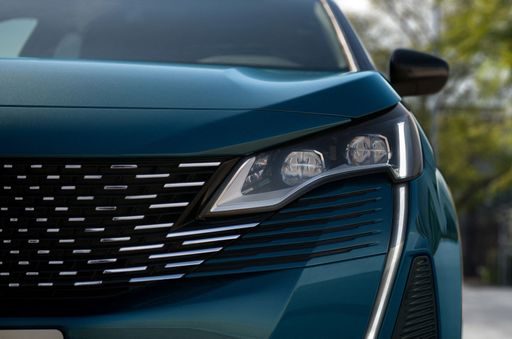
The Peugeot 5008 blends Peugeot's sharp design with the space and versatility families actually need, wrapping clever packaging and a premium-feeling cabin in a crisp, SUV-like silhouette. It drives with more poise than you'd expect from a people carrier, serves up practical touches and flexible seating for everyday chaos, and still looks good when parked outside the school gates.

details
VW ID.4
Peugeot 5008

Costs and Consumption

Price
34,600 - 47,200 £
Price
37,600 - 54,200 £
Consumption L/100km
-
Consumption L/100km
2.7 - 5.6 L/100km
Consumption kWh/100km
15.6 - 17 kWh/100km
Consumption kWh/100km
17.8 - 18.6 kWh/100km
Electric Range
356 - 569 km
Electric Range
78 - 669 km
Battery Capacity
52 - 77 kWh
Battery Capacity
0.4 - 96.9 kWh
co2
0 g/km
co2
0 - 127 g/km
Fuel tank capacity
-
Fuel tank capacity
55 L

Dimensions and Body

Body Type
SUV
Body Type
SUV
Seats
5
Seats
7
Doors
5
Doors
5
Curb weight
1,975 - 2,248 kg
Curb weight
1,700 - 2,344 kg
Trunk capacity
543 L
Trunk capacity
294 - 348 L
Length
4,582 - 4,584 mm
Length
4,791 mm
Width
1,852 mm
Width
1,895 mm
Height
1,619 - 1,634 mm
Height
1,694 mm
Max trunk capacity
1,575 L
Max trunk capacity
2,178 - 2,232 L
Payload
515 - 551 kg
Payload
596 - 640 kg

Engine and Performance

Engine Type
Electric
Engine Type
Electric, Petrol MHEV, Plugin Hybrid
Transmission
Automatic
Transmission
Automatic
Transmission Detail
Reduction Gearbox
Transmission Detail
Reduction Gearbox, Dual-Clutch Automatic
Drive Type
Rear-Wheel Drive, All-Wheel Drive
Drive Type
Front-Wheel Drive, All-Wheel Drive
Power HP
170 - 340 HP
Power HP
145 - 325 HP
Acceleration 0-100km/h
5.4 - 9 s
Acceleration 0-100km/h
6.5 - 10.2 s
Max Speed
160 - 180 km/h
Max Speed
170 - 198 km/h
Torque
310 - 679 Nm
Torque
230 - 511 Nm
Number of Cylinders
-
Number of Cylinders
3 - 4
Power kW
125 - 250 kW
Power kW
107 - 239 kW
Engine capacity
-
Engine capacity
1,199 - 1,598 cm3

General

Model Year
2,023 - 2,025
Model Year
2,024 - 2,026
CO2 Efficiency Class
A
CO2 Efficiency Class
A, D, B
Brand
VW
Brand
Peugeot
DriveDuel uses data analysis and artificial intelligence to evaluate vehicle data and create content. Content is regularly reviewed and improved. The displayed prices are estimates based on German list prices, adjusted to the respective country’s VAT. Country-specific registration taxes are not included. This information is not legally binding.