VS

VW ID.4 vs VW ID.7 Touring comparison

Compare performance (340 HP vs 340 HP), boot space and price (34,600 £ vs 47,100 £ ) at a glance. Find out which car is the better choice for you – VW ID.4 or VW ID.7 Touring?

VW ID.4 vs VW ID.7 Touring: Key differences

VW ID.4

4.5 (6 Reviews)
rate
  • visibly cheaper
  • only slightly quicker 0–100 km/h
  • somewhat lighter

VW ID.7 Touring

5 (2 Reviews)
rate
  • somewhat more efficient
  • moderately more electric range
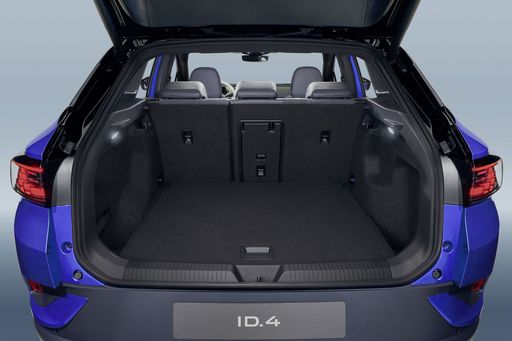
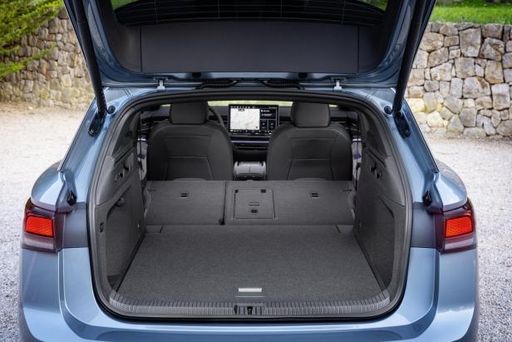
  • somewhat more trunk space

All details on performance, efficiency, range and trunk space can be found in the technical comparison below – including user reviews for both models.

ID.4

Electric Prowess: VW ID.4 vs. VW ID.7 Touring

As the global automotive industry pivots towards sustainable transportation, Volkswagen stands at the forefront with its impressive lineup of electric vehicles (EVs). Among its most talked-about models are the VW ID.4 and the VW ID.7 Touring. Both promise exceptional performance and cutting-edge technology, but which one stands out? Dive into our comprehensive comparison and discover which vehicle best suits your driving demands.

ID.7 Touring

Design and Body Type

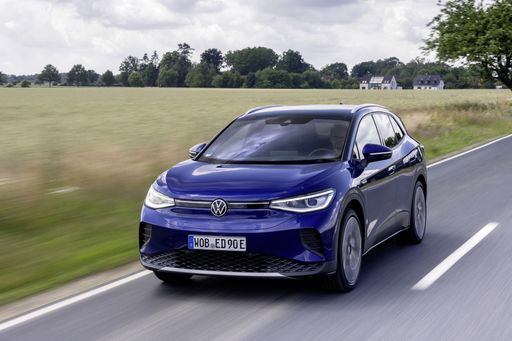
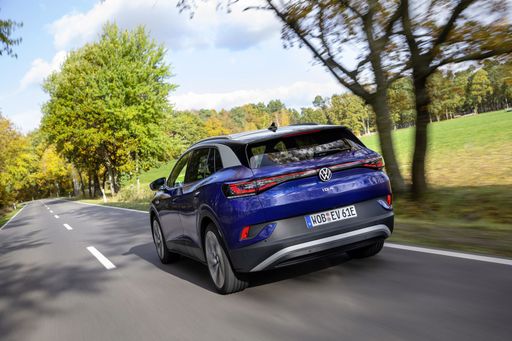
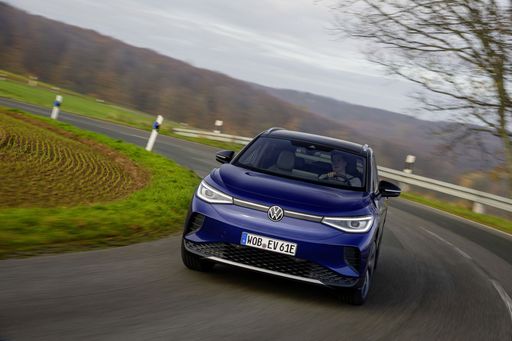
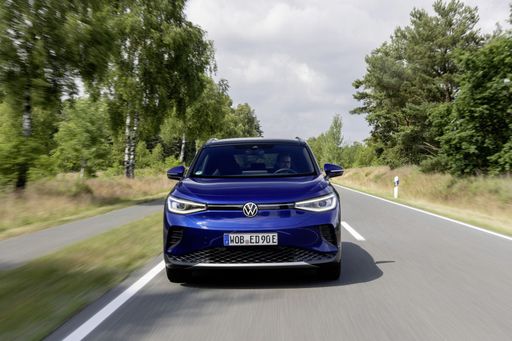
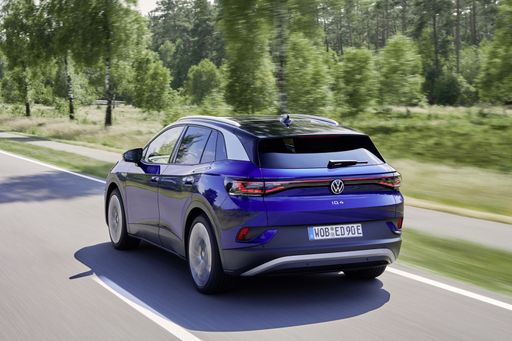
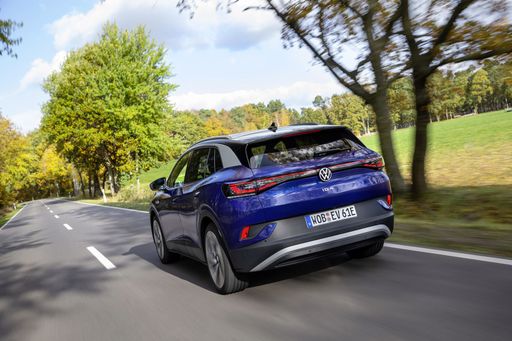
The VW ID.4, categorized as an SUV, offers a robust and confident stance with body dimensions of 4,584 mm in length, 1,852 mm in width, and a height ranging from 1,619 mm to 1,634 mm. Its design champions versatility, making it an excellent choice for both urban jungles and weekend adventures.

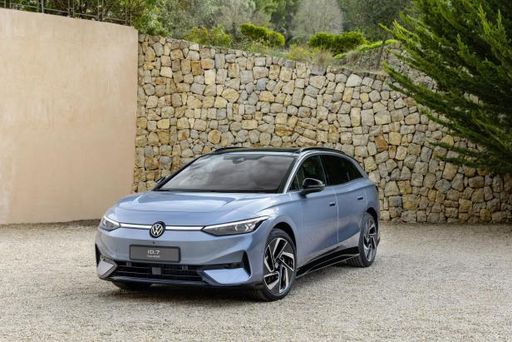
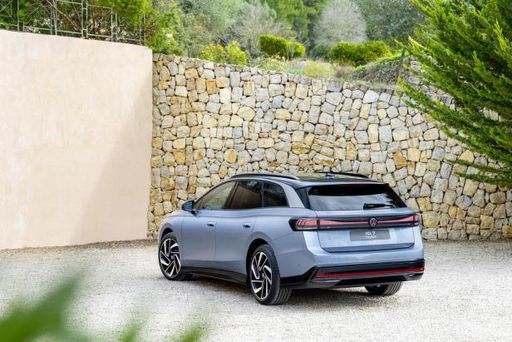
On the other hand, the VW ID.7 Touring, a wagon, radiates elegance with a sleek body measuring 4,961 mm in length and 1,862 mm in width. It stands slightly lower with height measurements between 1,549 mm and 1,551 mm, exuding an aerodynamic silhouette that's seemingly tailored for long journeys.

ID.4

Power and Performance

Both models share electric drivetrains with rear-wheel and all-wheel drive options. The VW ID.4 for 2024 offers a broad horsepower range, from 170 HP to a remarkable 340 HP, complemented by a torque spread of 310 to 679 Nm. It accelerates from 0 to 100 km/h in a brisk 5.4 to 9 seconds, with a top speed of 180 km/h.

The VW ID.7 Touring prioritizes power with options between 286 HP and 340 HP and torque matching up to 679 Nm. It achieves the 0 to 100 km/h sprint in about 5.5 to 6.7 seconds, topping out at 180 km/h. This makes the ID.7 a compelling choice for those seeking a mix of performance and efficiency.

ID.7 Touring

Range and Efficiency

Range anxiety is reduced when driving either model. The VW ID.4 covers distances from 357 km up to an impressive 572 km on a single charge, with consumption between 15.8 and 16.8 kWh/100km. Its battery capacities of 52 kWh and 77 kWh provide choices for those favoring range or cost.

The VW ID.7 Touring excels further, boasting a range from 584 to an astounding 690 km per charge, consuming between 14 and 16.6 kWh/100km. This performance is supported by larger 77 kWh and 86 kWh battery options, reaffirming its status as a premier choice for prolonged travel.

ID.4

Space and Comfort

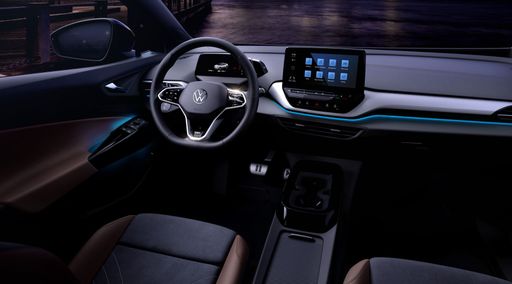
Comfort and practicality are unquestionable for both vehicles. The VW ID.4 offers a spacious trunk capacity of 543 L, which comes in handy for family outings or hauling adventure gear. Its comfortable cabin seats five and supports loads up to 541 kg.

The VW ID.7 Touring takes cargo capacity to another level with a 605 L trunk, creating ample room for diverse storage needs. Despite its slightly reduced payload capacity of 455-461 kg compared to the ID.4, the ID.7 guarantees a comfortable ride for its five-seat configuration.

ID.7 Touring

Conclusion

Choosing between the VW ID.4 and the VW ID.7 Touring boils down to priorities. If you value a versatile SUV with adaptable power offerings, the ID.4 stands out. However, if extended range, elegance, and a spacious wagon design align with your desires, the VW ID.7 Touring is the definitive choice.

Both models represent Volkswagen's ambitious foray into the world of EVs, promising advanced technology and remarkable efficiency. Whichever vehicle you choose, you are assured an unforgettable driving experience with eco-friendly credentials.

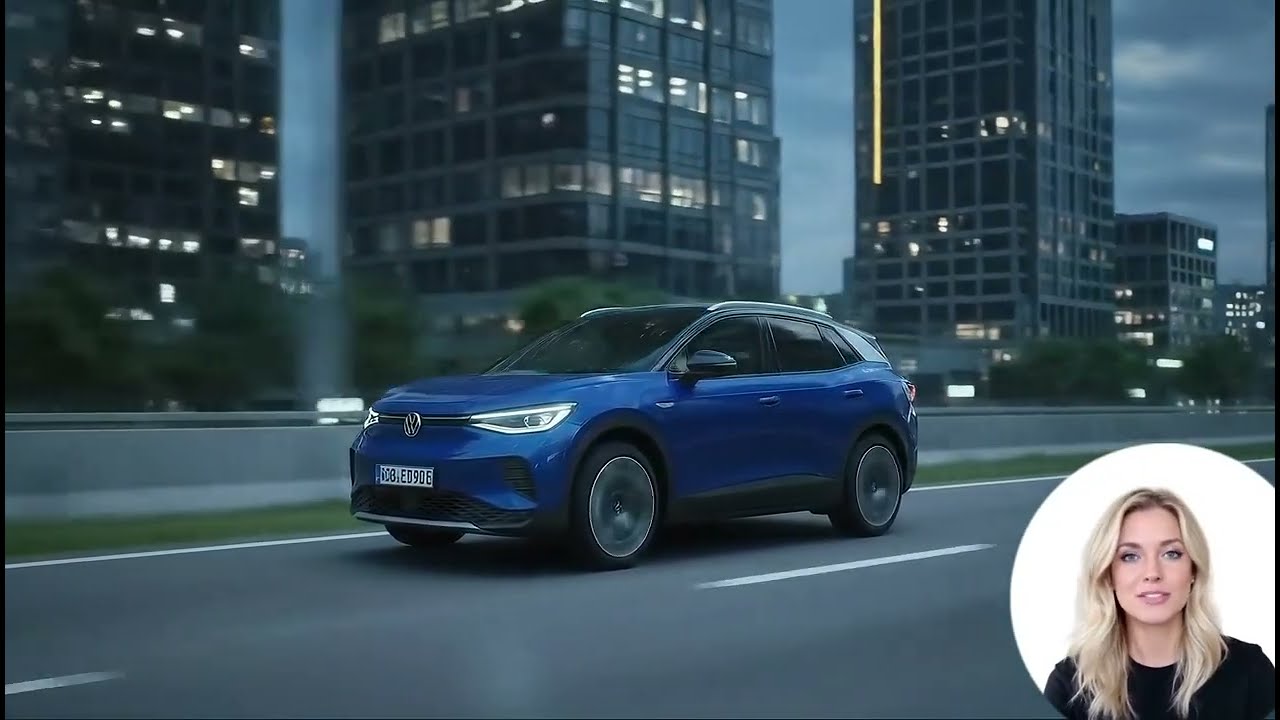
Video - VW ID.4

Video Thumbnail

Here’s where it gets real: The technical differences in detail

ID.4

Costs and Efficiency:

Price and efficiency are often the first things buyers look at. Here it becomes clear which model has the long-term edge – whether at the pump, the plug, or in purchase price.

VW ID.4 is visibly cheaper – starting at 34,600 £ , while the VW ID.7 Touring costs 47,100 £ . That’s a price difference of around 12,489 £.

In terms of energy consumption, the VW ID.7 Touring is somewhat more efficient: consuming 14 kWh/100km compared to 15.6 kWh/100km for the VW ID.4. That’s a difference of about 1.6 kWh/100km.

As for electric range, the VW ID.7 Touring offers moderately more range – reaching up to 689 km, about 120 km more than the VW ID.4.

ID.7 Touring

Engine and Performance:

Power, torque and acceleration are the classic benchmarks for car enthusiasts – and here, some clear differences start to show.

Both models deliver identical power – 340 HP each.

When accelerating from 0 to 100 km/h, the VW ID.4 is only slightly quicker – completing the sprint in 5.4 s, while the VW ID.7 Touring takes 5.5 s. That’s about 0.1 s quicker.

There’s no difference in top speed – both reach 180 km/h.

Both models offer the same torque – 679 Nm.

ID.4

Space and Everyday Use:

Cabin size, boot volume and payload all play a role in everyday practicality. Here, comfort and flexibility make the difference.

Both vehicles offer seating for 5 people.

In terms of curb weight, VW ID.4 is somewhat lighter – 1,975 kg compared to 2,191 kg. The difference is around 216 kg.

Looking at boot space, the VW ID.7 Touring offers somewhat more boot space – 605 L compared to 543 L. That’s a difference of about 62 L.

For maximum load capacity, the VW ID.7 Touring offers very slightly more capacity – up to 1,714 L, about 139 L more than the VW ID.4.

When it comes to payload, the VW ID.4 carries moderately more – 551 kg compared to 465 kg. That’s a difference of about 86 kg.

Who wins the race in the data check?

The VW ID.4 sits just ahead overall in the objective data comparison.
This result only shows which model scores more points on paper – not which of the two cars feels right for you.

from £34,600
ID.4

VW ID.4

  • Engine Type : Electric
  • Transmission : Automatic
  • Drive Type : Rear-Wheel Drive, All-Wheel Drive
  • Power HP : 170 - 340 HP
  • Consumption kWh/100km : 15.6 - 17 kWh/100km
  • Electric Range : 356 - 569 km
VW ID.4
VW ID.7 Touring

Costs and Consumption

View detailed analysis

Engine and Performance

View detailed analysis

Dimensions and Body

View detailed analysis

VW ID.4

The VW ID.4 is a calm, roomy electric SUV that turns everyday driving into a quietly confident experience, its practical packaging and smooth manners tailored perfectly for family life. Volkswagen's solid build and intuitive interior tech mean you get electric practicality without the sci‑fi theatrics, making the ID.4 a sensible, surprisingly likable choice for most buyers.

details

VW ID.7 Touring

The VW ID.7 Touring blends sleek, aerodynamic fastback looks with estate practicality, delivering an electric family car that looks grown-up and feels refined. Inside it's calm and spacious with clever storage and modern tech, swallowing suitcases and weekend plans with ease — a sensible, slightly flashy choice for buyers who want electric comfort without giving up practicality.

details
VW ID.4
VW ID.7 Touring

Costs and Consumption

Price
34,600 - 47,200 £
Price
47,100 - 54,900 £
Consumption L/100km
-
Consumption L/100km
-
Consumption kWh/100km
15.6 - 17 kWh/100km
Consumption kWh/100km
14 - 16.6 kWh/100km
Electric Range
356 - 569 km
Electric Range
584 - 689 km
Battery Capacity
52 - 77 kWh
Battery Capacity
77 - 86 kWh
co2
0 g/km
co2
0 g/km
Fuel tank capacity
-
Fuel tank capacity
-

Dimensions and Body

Body Type
SUV
Body Type
Estate
Seats
5
Seats
5
Doors
5
Doors
5
Curb weight
1,975 - 2,248 kg
Curb weight
2,191 - 2,336 kg
Trunk capacity
543 L
Trunk capacity
605 L
Length
4,582 - 4,584 mm
Length
4,961 mm
Width
1,852 mm
Width
1,862 mm
Height
1,619 - 1,634 mm
Height
1,549 - 1,551 mm
Max trunk capacity
1,575 L
Max trunk capacity
1,714 L
Payload
515 - 551 kg
Payload
459 - 465 kg

Engine and Performance

Engine Type
Electric
Engine Type
Electric
Transmission
Automatic
Transmission
Automatic
Transmission Detail
Reduction Gearbox
Transmission Detail
Reduction Gearbox
Drive Type
Rear-Wheel Drive, All-Wheel Drive
Drive Type
Rear-Wheel Drive, All-Wheel Drive
Power HP
170 - 340 HP
Power HP
286 - 340 HP
Acceleration 0-100km/h
5.4 - 9 s
Acceleration 0-100km/h
5.5 - 6.7 s
Max Speed
160 - 180 km/h
Max Speed
180 km/h
Torque
310 - 679 Nm
Torque
545 - 679 Nm
Number of Cylinders
-
Number of Cylinders
-
Power kW
125 - 250 kW
Power kW
210 - 250 kW
Engine capacity
-
Engine capacity
-

General

Model Year
2,023 - 2,025
Model Year
2,024
CO2 Efficiency Class
A
CO2 Efficiency Class
A
Brand
VW
Brand
VW
DriveDuel uses data analysis and artificial intelligence to evaluate vehicle data and create content. Content is regularly reviewed and improved. The displayed prices are estimates based on German list prices, adjusted to the respective country’s VAT. Country-specific registration taxes are not included. This information is not legally binding.