VS

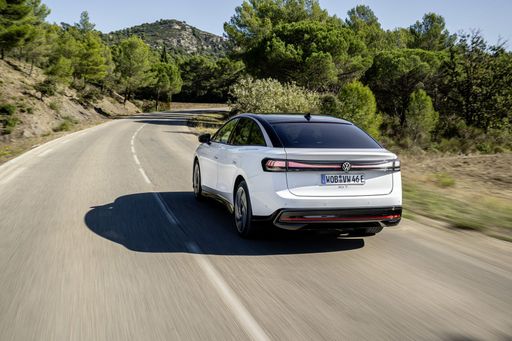
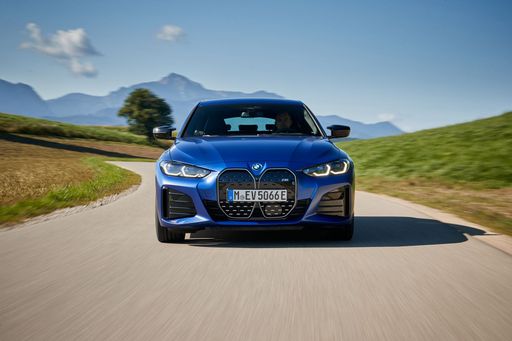
VW ID.7 vs BMW i4 comparison

Compare performance (340 HP vs 601 HP), boot space and price (46,400 £ vs 49,400 £ ) at a glance. Find out which car is the better choice for you – VW ID.7 or BMW i4?

VW ID.7 vs BMW i4: Key differences

VW ID.7

4 (4 Reviews)
rate
  • only slightly cheaper
  • only slightly more efficient
  • a bit more electric range
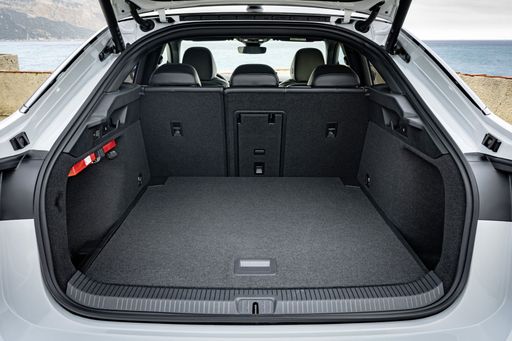
  • somewhat more trunk space

BMW i4

5 (1 Reviews)
rate
  • considerably more power
  • significantly quicker 0–100 km/h
  • very slightly lighter

All details on performance, efficiency, range and trunk space can be found in the technical comparison below – including user reviews for both models.

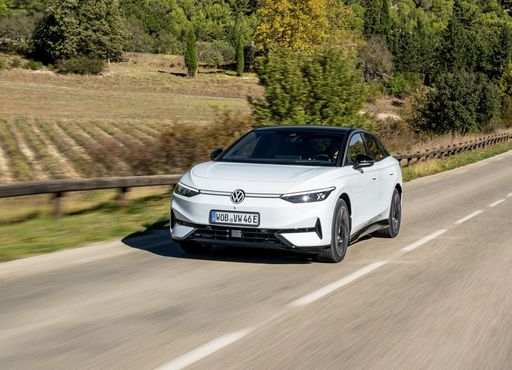
ID.7

The rise of electric vehicles (EVs) brings forward exciting comparisons in the automotive world. Among the standout models in the EV category are the BMW i4 and the VW ID.7. Both models combine cutting-edge technology and innovative design, yet they represent different philosophies and driving experiences. Let's dive into the specifics of these two remarkable machines.
i4

Power and Performance

The BMW i4 offers a range of power outputs, with figures varying from 286 HP up to an impressive 544 HP in its most powerful variant. Customers can choose between rear-wheel drive and all-wheel drive configurations, allowing for flexibility based on personal driving preferences. The performance of the i4 is commendable, with acceleration from 0-100 km/h achieved in as little as 3.9 seconds for the most powerful version. With a maximum speed reaching 225 km/h and a torque range up to 795 Nm, the BMW i4 is engineered for both comfort and thrill.

In contrast, the VW ID.7 provides a maximum of 340 HP and also comes in either rear-wheel or all-wheel drive layouts. The acceleration is slightly more moderate, with the fastest variant achieving 0-100 km/h in 5.4 seconds. The ID.7 is capped at a maximum speed of 180 km/h but compensates with excellent torque figures, peaking at 679 Nm. Both vehicles utilize automatic transmission through a reduction gearbox for smooth gear transitions.

ID.7

Battery and Range

When it comes to battery technology, the BMW i4 has options ranging from 67.1 kWh to 81.3 kWh. The electric range is equally impressive, with distances up to 582 km on a single charge. This capability makes it a robust choice for those looking for longer journeys without frequent recharging stops.

The VW ID.7, meanwhile, takes the lead in efficiency with a smaller consumption figure of as low as 13.6 kWh/100 km. Its battery options of 77 kWh and 86 kWh provide an impressive range of up to 709 km. This longer range offers a significant advantage for drivers who prioritize longevity on the road.

i4

Interior Design and Technology

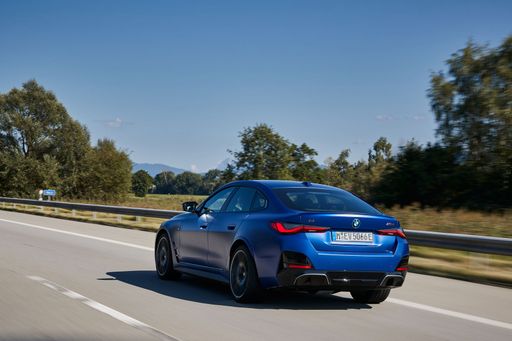
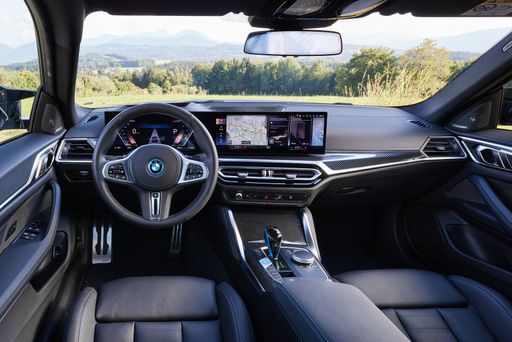
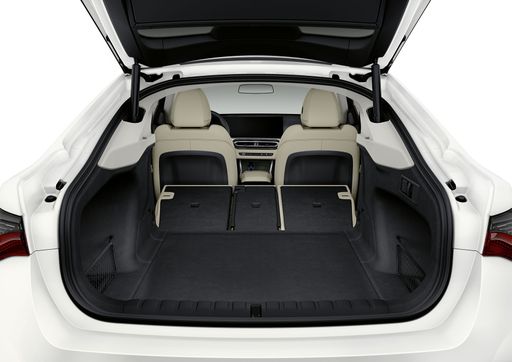
Inside the BMW i4, one can expect a luxurious and driver-focused environment. It features high-quality materials, a sleek design, and advanced infotainment systems integrating the latest BMW iDrive technology. The spacious cabin comfortably seats five, while the 470 L trunk capacity ensures ample cargo space for travel essentials.

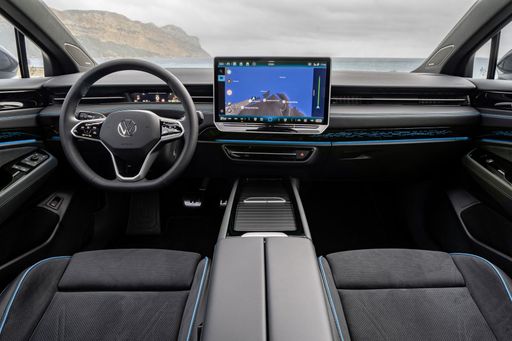
On the flip side, the VW ID.7 presents a surprisingly spacious interior with a focus on sustainability. The minimalist design incorporates eco-friendly materials, and the dashboard is dominated by a high-definition touchscreen with seamless connectivity options. With a trunk capacity of 532 L, it surpasses the i4, making it an excellent option for families or those needing extra storage.

ID.7

Technological Innovations

Both vehicles emphasize safety and driver assistance technologies. The BMW i4 boasts advanced features like adaptive cruise control, lane-keeping assist, and a suite of pre-collision safety measures. It also features an advanced navigation system that adjusts routes based on traffic conditions and charging availability.

The VW ID.7 doesn’t lag behind, offering similar driver aids and even some unique systems. The ID.7 includes Smart Parking and a comprehensive suite of driver assistance features that can greatly enhance the driving experience, especially during urban commutes.

i4

Conclusion

When comparing the BMW i4 to the VW ID.7, both vehicles offer compelling arguments for potential buyers. The BMW i4 excels in performance and luxury, with engaging driving dynamics. Meanwhile, the VW ID.7 shines in efficiency, practicality, and overall driving range.

Your choice ultimately hinges on personal preferences—are you looking for performance and luxury, or efficiency and space? Both models reinforce the shift towards electric mobility in their unique ways and mark a significant advancement in automotive technology.

Here’s where it gets real: The technical differences in detail

ID.7

Costs and Efficiency:

Looking at overall running costs, both models reveal some interesting differences in everyday economy.

VW ID.7 is only slightly cheaper – starting at 46,400 £ , while the BMW i4 costs 49,400 £ . That’s a price difference of around 2,996 £.

In terms of energy consumption, the VW ID.7 is only slightly more efficient: consuming 13.6 kWh/100km compared to 14.7 kWh/100km for the BMW i4. That’s a difference of about 1.1 kWh/100km.

As for electric range, the VW ID.7 offers a bit more range – reaching up to 708 km, about 95 km more than the BMW i4.

i4

Engine and Performance:

Power, torque and acceleration say a lot about how a car feels on the road. This is where you see which model delivers more driving dynamics.

When it comes to engine power, the BMW i4 offers considerably more power – delivering 601 HP compared to 340 HP. That’s roughly 261 HP more horsepower.

When accelerating from 0 to 100 km/h, the BMW i4 is significantly quicker – completing the sprint in 3.7 s, while the VW ID.7 takes 5.4 s. That’s about 1.7 s quicker.

There’s also a difference in torque: the BMW i4 delivers slightly more torque with 795 Nm compared to 679 Nm. That’s about 116 Nm more.

ID.7

Space and Everyday Use:

Beyond pure performance, interior space and usability matter most in daily life. This is where you see which car is more practical and versatile.

Both vehicles offer seating for 5 people.

In terms of curb weight, BMW i4 is very slightly lighter – 2,070 kg compared to 2,180 kg. The difference is around 110 kg.

Looking at boot space, the VW ID.7 offers somewhat more boot space – 532 L compared to 470 L. That’s a difference of about 62 L.

When it comes to payload, the BMW i4 carries barely more – 480 kg compared to 465 kg. That’s a difference of about 15 kg.

Who wins the race in the data check?

The BMW i4 holds a decisive overall lead in the objective data comparison.
This result only shows which model scores more points on paper – not which of the two cars feels right for you.

from £49,400
i4

BMW i4

  • Engine Type : Electric
  • Transmission : Automatic
  • Drive Type : Rear-Wheel Drive, All-Wheel Drive
  • Power HP : 286 - 601 HP
  • Consumption kWh/100km : 14.7 - 16.7 kWh/100km
  • Electric Range : 514 - 613 km
VW ID.7
BMW i4

Costs and Consumption

View detailed analysis

Engine and Performance

View detailed analysis

Dimensions and Body

View detailed analysis

VW ID.7

VW ID.7 arrives as Volkswagen's electric grand tourer, pairing a low-slung, aerodynamic silhouette with a calm, understated interior that prioritizes comfort and space. It’s a sensible choice for buyers who want a relaxed, high-tech cruiser that covers motorway miles with poise rather than bravado.

details

BMW i4

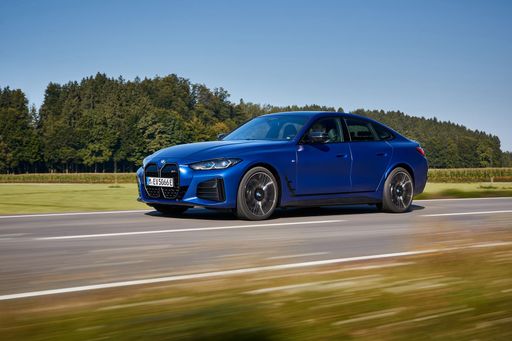
The BMW i4 arrives with the poise of a classic Gran Coupé, marrying BMW's playful handling with a sleek, modern interior that makes switching to electric feel like an upgrade rather than a compromise. For buyers who want a practical daily driver that still enjoys a spirited back-road run, the i4 quietly delivers smiles and a surprising dose of driver engagement.

details
VW ID.7
BMW i4

Costs and Consumption

Price
46,400 - 54,200 £
Price
49,400 - 62,500 £
Consumption L/100km
-
Consumption L/100km
-
Consumption kWh/100km
13.6 - 16.2 kWh/100km
Consumption kWh/100km
14.7 - 16.7 kWh/100km
Electric Range
594 - 708 km
Electric Range
514 - 613 km
Battery Capacity
77 - 86 kWh
Battery Capacity
-
co2
0 g/km
co2
0 g/km
Fuel tank capacity
-
Fuel tank capacity
-

Dimensions and Body

Body Type
Hatchback
Body Type
Hatchback
Seats
5
Seats
5
Doors
5
Doors
-
Curb weight
2,180 - 2,325 kg
Curb weight
2,070 - 2,285 kg
Trunk capacity
532 L
Trunk capacity
470 L
Length
4,961 mm
Length
-
Width
1,862 mm
Width
1,852 mm
Height
1,535 - 1,536 mm
Height
-
Max trunk capacity
1,586 L
Max trunk capacity
-
Payload
460 - 465 kg
Payload
445 - 480 kg

Engine and Performance

Engine Type
Electric
Engine Type
Electric
Transmission
Automatic
Transmission
Automatic
Transmission Detail
Reduction Gearbox
Transmission Detail
Reduction Gearbox
Drive Type
Rear-Wheel Drive, All-Wheel Drive
Drive Type
Rear-Wheel Drive, All-Wheel Drive
Power HP
286 - 340 HP
Power HP
286 - 601 HP
Acceleration 0-100km/h
5.4 - 6.6 s
Acceleration 0-100km/h
3.7 - 6 s
Max Speed
180 km/h
Max Speed
-
Torque
545 - 679 Nm
Torque
400 - 795 Nm
Number of Cylinders
-
Number of Cylinders
-
Power kW
210 - 250 kW
Power kW
210 - 442 kW
Engine capacity
-
Engine capacity
-

General

Model Year
2,023 - 2,024
Model Year
2,024 - 2,025
CO2 Efficiency Class
A
CO2 Efficiency Class
A
Brand
VW
Brand
BMW
DriveDuel uses data analysis and artificial intelligence to evaluate vehicle data and create content. Content is regularly reviewed and improved. The displayed prices are estimates based on German list prices, adjusted to the respective country’s VAT. Country-specific registration taxes are not included. This information is not legally binding.